
TL;DR

Get the latest gadgets delivered free — and shop member deals
- Fast, free delivery on millions of items
- Access to Prime Big Deal Days deals on October 6–7
- Prime Video, Amazon Music and more included
Chinese AI company SenseTime is supporting an unspecified AI space computing project. The scope, partners, and timeline are not yet publicly known, but the development signals interest in applying AI to space-based data processing.
Chinese artificial intelligence company SenseTime has publicly confirmed its support for an AI space computing project, marking a notable expansion of its technological scope into space-related applications. The project’s details, including technical design, partners, and deployment schedule, remain undisclosed. This development connects one of China’s leading AI firms with efforts to enhance computing capabilities beyond Earth, though the exact nature of SenseTime’s involvement is not yet clear.
The announcement confirms that SenseTime is backing an initiative involving AI and space computing as detailed in the original analysis. However, no specific project name, partner list, investment amount, or technical architecture has been provided. It is also unclear whether the company will contribute AI models, software, hardware, or funding. The project’s scope—whether it involves processing data on satellites, supporting space-based scientific research, or enabling communications—is not yet defined.
Despite the limited information, the development indicates a strategic move by SenseTime to extend its AI capabilities into the realm of space. This could involve processing data closer to data sources in orbit, potentially reducing transmission loads and enabling faster decision-making in satellite operations, scientific missions, or communications infrastructure. No performance benchmarks, testing results, or deployment timelines have been announced.
Potential Impact of AI in Space Computing
This support from SenseTime signals a growing interest among Chinese tech firms in applying AI to space systems, which could influence satellite data processing, scientific research, and telecommunications. If successful, the project might enable more efficient data handling in orbit, reduce latency, and support autonomous operations in space. It could also open new opportunities for infrastructure providers and raise questions about costs, regulation, and technology durability in the harsh space environment. The development underscores China’s broader ambitions in space technology and AI integration.
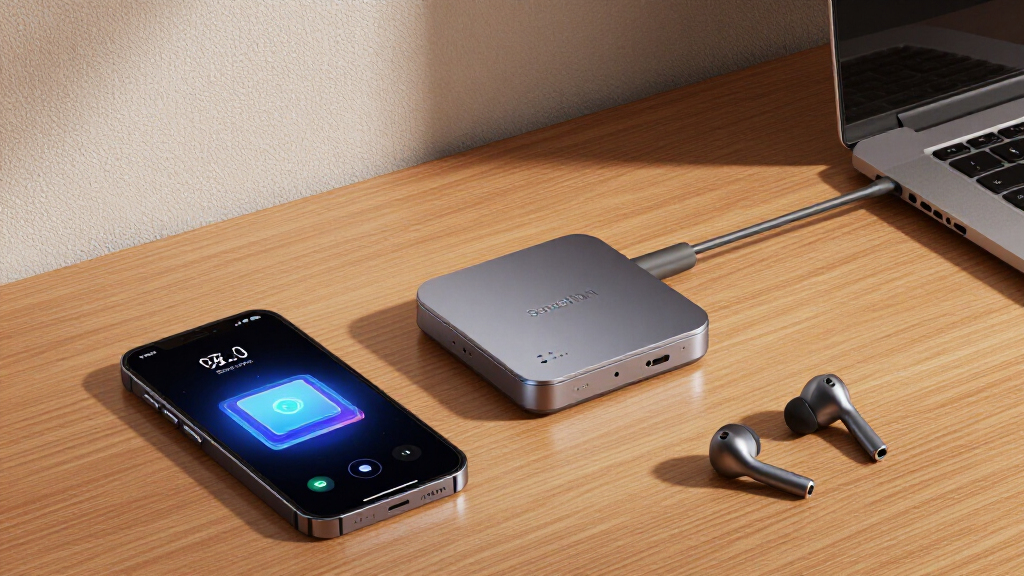
satellite data processing hardware
As an affiliate, we earn on qualifying purchases.
As an affiliate, we earn on qualifying purchases.
China’s AI and Space Technology Development Landscape
SenseTime is a leading Chinese AI developer known for computer vision, facial recognition, and other AI applications. Its move into space computing aligns with China’s national priorities to advance space capabilities and integrate AI into various sectors. Previous Chinese space projects have integrated AI for satellite imagery analysis and autonomous spacecraft operations, but dedicated space-based AI computing systems remain largely experimental. The current announcement suggests a new phase of investment and research, although details about partnerships or government involvement are not yet available.
“We are committed to exploring innovative applications of AI in space, supporting the development of next-generation space computing systems.”
— SenseTime spokesperson
Unconfirmed Details and Technical Unknowns
Many key aspects of the project remain undisclosed. It is not clear whether SenseTime will contribute AI models, hardware, or funding, or whether the initiative involves orbiting data centers, satellite processing, or ground-based support. No information has been released about the project’s timeline, technical benchmarks, or specific applications. The scope and scale of the project are still undefined, and no independent testing results or pilot programs have been announced.
Expected Milestones and Disclosure Timeline
Future developments will likely include the release of detailed project descriptions, partner identifications, and technical specifications. Watch for announcements regarding testing phases, satellite launches, or pilot deployments. These disclosures will clarify whether the initiative is progressing toward operational status and what specific capabilities it aims to deliver. Industry observers expect to see more concrete information within the next 6 to 12 months, including potential demonstrations or technical benchmarks.
Key Questions
What is the purpose of SenseTime’s space computing project?
The exact purpose is not yet disclosed, but it is believed to involve applying AI for data processing in space, potentially improving satellite operations, scientific research, or communications.
Will SenseTime develop hardware or software for space use?
It is currently unknown whether SenseTime will contribute AI models, software, hardware, or funding, as specific project details have not been announced.
When will the project become operational?
No timeline has been provided. The project remains in early stages, with future milestones likely including technical disclosures and testing phases within the next year.
Are there any partners involved besides SenseTime?
No partner organizations or government agencies have been publicly identified at this stage.
What are the potential applications of AI in space computing?
Possible applications include onboard data processing for satellites, autonomous spacecraft navigation, scientific data analysis, and enhancing satellite communication networks, though specifics are not yet confirmed.
Source: ThorstenMeyerAI.com
Fall Picks
fall essentials
As an affiliate, we earn on qualifying purchases.