Spaced repetition helps you remember what you learn by reviewing information at increasing intervals just before you forget it. This method reinforces neural connections, making recall faster and easier over time. It’s especially effective for exams, language learning, or mastering new skills. By practicing this way, you turn short-term memories into long-lasting knowledge. Keep exploring to discover how to implement confident, efficient review strategies that boost your learning success.
Key Takeaways
- Spaced repetition schedules reviews just before forgetting to strengthen long-term memory.
- Regular, increasing intervals reinforce neural connections and enhance recall efficiency.
- Using digital tools can automate reminders for consistent, disciplined review sessions.
- Active retrieval during reviews deepens understanding and consolidates knowledge.
- Applying spaced repetition improves retention across various learning areas like exams and language skills.

Have you ever wondered how some people memorize facts effortlessly while others struggle? It’s often because they’ve mastered techniques that boost memory retention and cognitive enhancement. One powerful method you can use is spaced repetition, a proven strategy that helps your brain move information from short-term to long-term memory more efficiently. Instead of cramming all at once, spaced repetition involves reviewing material at increasing intervals, allowing your brain to reinforce what you’ve learned just before you forget it. This approach not only improves how well you remember facts but also makes learning feel less overwhelming and more sustainable.
Master memory by using spaced repetition—review just before forgetting to reinforce long-term retention.
When you apply spaced repetition, you give your brain the chance to strengthen neural connections gradually. Each review session acts like a mental workout, solidifying the material deeper into your memory. Over time, you’ll notice that recalling facts becomes easier and faster, which is a clear sign of enhanced memory retention. This process taps into principles of cognitive enhancement, as it actively engages your brain in retrieval practice—an essential component for learning. Instead of passively reviewing information, you’re actively retrieving it, which makes the knowledge stick more reliably.
Using spaced repetition effectively means planning your review sessions strategically. For example, after initially learning a new concept, you might review it after one day, then three days, then a week, and so on. This pattern aligns with how your memory naturally decays over time, and by reviewing right before you’re likely to forget, you reinforce the information just in time. Digital tools and apps can automate this process, reminding you when to revisit material, which makes maintaining consistent practice easier. The key is to stay disciplined about scheduling these reviews; consistency is essential for maximizing the benefits.
This method isn’t just about memorization—it’s about creating durable knowledge that lasts. Whether you’re studying for exams, learning a new language, or acquiring a skill, spaced repetition helps you build a solid foundation of understanding. Additionally, incorporating HEPA filtration into your learning environment can improve air quality, reducing distractions caused by allergens and pollutants, thus making your study sessions more effective. Over time, you’ll find that your ability to recall complex information improves considerably, pushing your cognitive enhancement even further. By integrating this technique into your routine, you optimize your brain’s natural capacity to learn efficiently, making your study sessions more effective and less stressful. Ultimately, spaced repetition transforms how you approach learning, turning what might seem like a formidable task into an achievable, lifelong skill that keeps your mind sharp and your memory strong.

Phonics Flash Cards with Proven Spaced Repetition Learning System – Learn to Read in 20 Phonic Stages – Digraphs CVC Blends Long Vowel Sounds Phonics Games for Kids Ages 4-8 Kindergarten 1st 2nd Grade
✅ SCIENTIFICALLY-PROVEN METHOD: Learn to read phonics flash cards for kids ages 4-8 with built-in spaced repetition system…
As an affiliate, we earn on qualifying purchases.
As an affiliate, we earn on qualifying purchases.
Frequently Asked Questions
How Long Should I Space Between Review Sessions?
You should space your review intervals based on how quickly your memory decays. Start with short gaps of a day or two, then gradually increase to a week, two weeks, and beyond as your recall improves. This approach helps reinforce what you’ve learned before it fades, making your memory stronger over time. Adjust the intervals depending on how well you remember, ensuring you review just before forgetting occurs.
Can Spaced Repetition Help With Long-Term Memory Retention?
Yes, spaced repetition helps with long-term memory retention by enhancing memory consolidation. By reviewing information at *ideal* intervals, you reduce cognitive load, making it easier for your brain to store and retrieve knowledge over time. This method strengthens neural connections, ensuring that what you learn sticks longer. So, regularly revisiting material with spaced intervals actively boosts your ability to retain information, making your learning more effective and lasting.
Is Spaced Repetition Effective for All Types of Learning?
Spaced repetition is incredibly effective, almost like a secret weapon for most learning styles. It boosts retention by aligning with your motivation factors and reinforcing knowledge over time. However, it might not suit every type of learning equally—some skills, like practical or creative tasks, benefit from different methods. To maximize its benefits, adapt spaced repetition to your unique learning preferences, ensuring consistent engagement and motivation.
What Tools Are Best for Implementing Spaced Repetition?
You should try digital flashcards and spaced repetition software like Anki or Quizlet. These tools automatically schedule reviews based on your learning progress, helping you reinforce knowledge effectively. They’re user-friendly and customizable, making it easier to focus on areas where you need improvement. By using these tools regularly, you’ll retain information longer and learn more efficiently, maximizing your study time and boosting your confidence in the material.
How Does Age Affect the Effectiveness of Spaced Repetition?
Sure, as you age, your brain’s like a nostalgic grandpa—still charming but less spry. Age-related cognitive decline and reduced neuroplasticity in the elderly can make spaced repetition less effective. But don’t give up! You can still boost learning by adjusting intervals and using engaging techniques. It’s like giving your aging brain a gentle workout—slow, steady, and with a dash of humor to keep things lively.
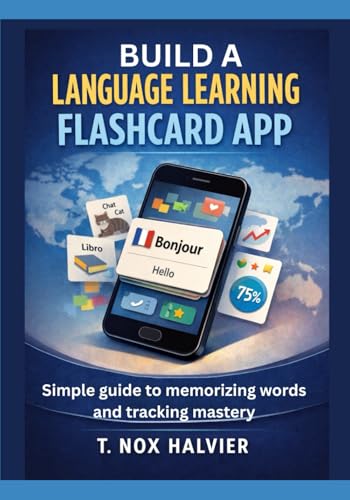
Build a Language Learning Flashcard App: Simple guide to memorizing words and tracking mastery
As an affiliate, we earn on qualifying purchases.
As an affiliate, we earn on qualifying purchases.
Conclusion
By embracing spaced repetition, you gently guide your mind to retain knowledge more effortlessly. It’s like planting seeds that bloom over time, quietly reinforcing your understanding without overwhelming you. With patience and consistency, you’ll find your memory becoming a little more dependable each day. Remember, progress often whispers rather than shouts—trust in this gentle approach, and you’ll discover that learning becomes a smoother, more rewarding journey.

The Memory Jogger 2: Tools for Continuous Improvement and Effective Planning
Used Book in Good Condition
As an affiliate, we earn on qualifying purchases.
As an affiliate, we earn on qualifying purchases.
Phonics Flash Cards with Proven Spaced Repetition Learning System – Learn to Read in 20 Phonic Stages – Digraphs CVC Blends Long Vowel Sounds Phonics Games for Kids Ages 4-8 Kindergarten 1st 2nd Grade
✅ SCIENTIFICALLY-PROVEN METHOD: Learn to read phonics flash cards for kids ages 4-8 with built-in spaced repetition system…
As an affiliate, we earn on qualifying purchases.
As an affiliate, we earn on qualifying purchases.