

To improve everyday decisions, use mental models like the Pareto Principle to focus on the most impactful actions, and the Opportunity Cost concept to weigh alternatives. Apply first principles thinking to break down complex problems, and consider confirmation bias to avoid skewed judgments. These models help you think clearer and act smarter. Stay curious, because exploring these frameworks further can really sharpen your decision-making skills.
Key Takeaways
- Use mental models like Second-Order Thinking to consider long-term consequences of decisions.
- Apply the Pareto Principle (80/20 rule) to focus on actions yielding the greatest results.
- Employ the Opportunity Cost concept to evaluate the value of alternatives foregone.
- Utilize the Inversion technique to identify potential problems by asking, “What could go wrong?”
- Leverage the Availability Heuristic carefully to assess risks based on recent or memorable experiences.

You are trained on data up to October 2023. When evaluating the freshness of perishable items like juice, considering expiration dates and appearance can help prevent consumption of spoiled products.

The Great Mental Models Boxed Set
As an affiliate, we earn on qualifying purchases.
As an affiliate, we earn on qualifying purchases.
Frequently Asked Questions
How Can Mental Models Improve Decision-Making in Personal Relationships?
Mental models can improve your decision-making in personal relationships by helping you understand others better through empathy mapping. When you see situations from your partner’s perspective, you foster deeper connection. Plus, mental models guide conflict resolution by encouraging you to analyze issues objectively and find mutually beneficial solutions. This approach reduces misunderstandings, builds trust, and strengthens your relationships, making interactions more thoughtful and effective.
Are Mental Models Applicable to Financial and Investment Choices?
Yes, mental models are highly applicable to financial and investment choices. For example, you might use the “diversification” model to manage behavioral biases like overconfidence, helping you avoid risky bets. By applying mental models, you improve risk management and make more rational decisions, rather than reacting emotionally to market fluctuations. These tools help you see beyond short-term noise and develop a strategic, disciplined approach to investing.
What Are Common Mistakes When Applying Mental Models Daily?
You often make mistakes applying mental models daily by falling prey to cognitive biases like confirmation bias, which skews your judgment. Overgeneralization can lead you to unfairly judge situations based on limited experiences. To avoid these errors, stay aware of biases, question assumptions, and seek diverse perspectives. Remember, mental models are tools to guide you, but they require conscious effort and reflection to prevent these common pitfalls.
How Do Mental Models Differ Across Cultures?
You’ll notice that mental models differ across cultures due to cultural biases shaping how you interpret situations. When engaging in cross-cultural adaptation, it’s essential to recognize these differences, as they influence decision-making. By understanding diverse mental models, you can avoid misunderstandings and improve communication. Embracing cultural variations helps you adapt more effectively, making better decisions in global contexts. This awareness enhances your ability to navigate cultural nuances confidently.
Can Mental Models Help Reduce Decision-Making Stress?
Yes, mental models can help reduce decision-making stress by providing clear frameworks to navigate choices. They act as cognitive shortcuts, allowing you to quickly assess options and avoid heuristic biases that often lead to poor decisions. When you rely on well-developed mental models, you make more confident, efficient choices, which lessens anxiety. This structured approach simplifies complex situations, helping you stay calm and focused during everyday decisions.
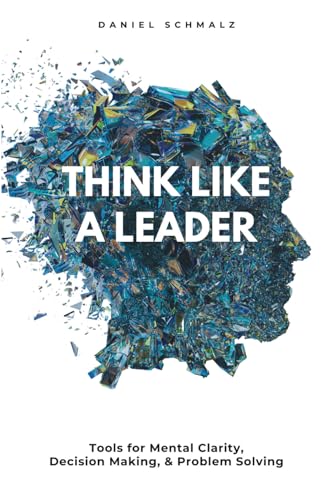
Think Like A Leader: Tools for Mental Clarity, Decision Making, and Problem Solving
As an affiliate, we earn on qualifying purchases.
As an affiliate, we earn on qualifying purchases.
Conclusion
By mastering these mental models, you’ll navigate daily choices with the precision of a master strategist. They simplify complex decisions, saving you time and stress, and help you avoid costly mistakes that could set you back years. Remember, these models aren’t just helpful—they’re your secret weapons in the battle of everyday life. Use them wisely, and you’ll be making smarter decisions faster than you ever thought possible—your mind will thank you for it!

The Pareto Principle Planner: Planning your work week more efficiently for better outcomes
As an affiliate, we earn on qualifying purchases.
As an affiliate, we earn on qualifying purchases.

Risk Assessment: Tools, Techniques, and Their Applications
As an affiliate, we earn on qualifying purchases.
As an affiliate, we earn on qualifying purchases.