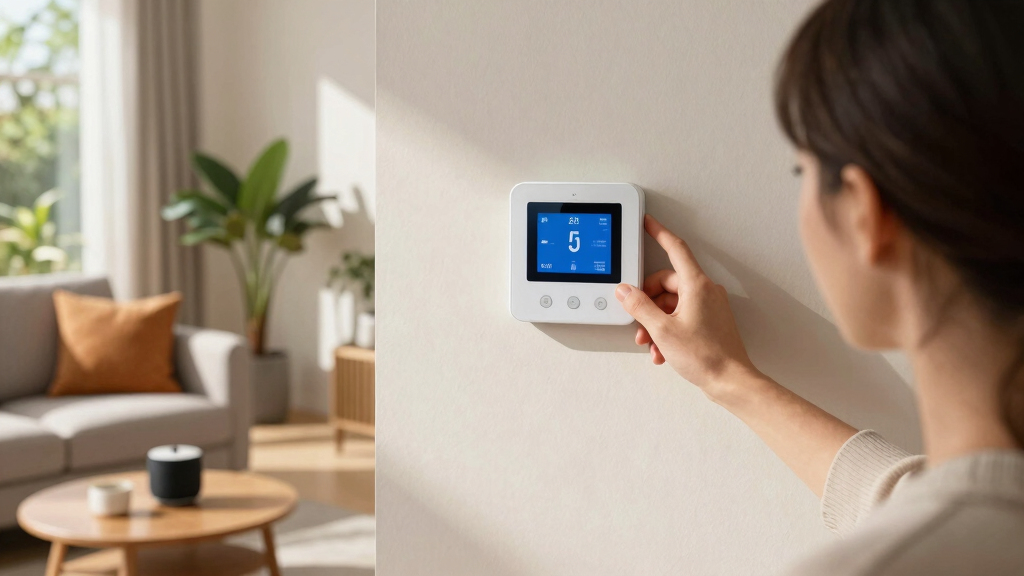

As spring arrives, many homeowners seek simple ways to breathe new life into their living spaces. Smart home gadgets for spring refresh offer a convenient way to update your environment with minimal effort. The TP-Link Tapo Matter Supported Smart Plug Mini stands out for its compact design and broad compatibility, making it ideal for quick upgrades. Meanwhile, the Amazon Smart Plug provides seamless integration with Amazon Alexa, perfect for existing smart home setups. For more advanced control, the SwitchBot Hub 3 adds an array of sensors and remote control options. The main tradeoffs involve balancing ease of use, compatibility, and budget—continue reading for the full breakdown to find your best fit.

Get the latest gadgets delivered free with Prime
- Fast, free delivery on millions of items
- Prime Video, Amazon Music and more included
- Member-only deals all year
Key Takeaways
- Compatibility across major ecosystems like Alexa, Google, and Apple remains a key factor in choosing smart gadgets.
- Compact, easy-to-setup devices tend to be more suitable for quick spring upgrades without overwhelming setup complexity.
- Hubs like SwitchBot Hub 3 offer expanded control and sensors but come at a higher price point and setup effort.
- Wi-Fi-only devices reduce setup hassle but may lack some advanced features available through hub-based systems.
- Balancing budget with feature set is essential—premium options often include more sensors and integrations, but basic plugs cover most needs for a refresh.




More Details on Our Top Picks
TP-Link Tapo Matter Supported Smart Plug Mini, Compact Design, 15A/1800W Max, Super Easy Setup, Works with Apple Home, Alexa & Google Home, UL Certified, 2.4G Wi-Fi Only, White, Tapo P125M(3-Pack)
This smart plug stands out for its comprehensive Matter support, ensuring seamless interoperability across platforms like Apple Home, Alexa, Google, and Samsung SmartThings. Compared to the Amazon Smart Plug, which relies solely on Alexa, the Tapo P125M offers broader ecosystem compatibility—making it ideal for those who want a unified smart home. The compact design and UL certification add to its appeal, especially for users needing multiple outlets without blocking adjacent sockets. However, its reliance on 2.4GHz Wi-Fi only may limit performance if your network is crowded or uses dual-band routers; also, advanced features like scheduling are app-based with no physical controls. This pick makes the most sense for users who prioritize future-proofing and platform flexibility.
Pros:- Supports Matter for broad interoperability
- Compact, space-saving design
- Easy Bluetooth onboarding for quick setup
- Works with Apple Home, Alexa, Google, Samsung SmartThings
Cons:- Limited to 2.4GHz Wi-Fi networks, which can cause congestion
- No physical control buttons, only app and voice control
Best for: Homeowners looking to build a versatile, future-proof smart system that works across multiple platforms
Not ideal for: Users who only use Alexa and do not plan to expand to other ecosystems, as they might prefer simpler, dedicated Alexa devices
- Operation Mode:ON-OFF
- Current Rating:15 Amps
- Operating Voltage:120V
- Control Method:App & Voice
- Connectivity Protocol:Wi-Fi, Matter
- Color:White
Bottom line: This plug is best for those who want a future-ready, cross-platform compatible device that integrates smoothly into a growing smart home.
Amazon Smart Plug
This plug excels in seamless Alexa integration, allowing you to control devices with simple voice commands and create routines effortlessly. Unlike the SwitchBot Hub 3, which offers broader device control and a display, the Amazon Smart Plug is straightforward and easy to set up—perfect for those committed to the Alexa environment. Its compact form preserves outlet space, but it only supports 2.4GHz Wi-Fi and lacks compatibility with other voice assistants, which could be a drawback for multi-assistant households. Additionally, it requires physical switches on connected devices to turn off/on, limiting its utility for some users. This is ideal for Alexa loyalists wanting quick, reliable control without extra bells and whistles.
Pros:- Works seamlessly with Alexa voice commands
- No hub required, quick setup
- Space-efficient outlet design
- Supports routines and timers
Cons:- Limited to 2.4GHz Wi-Fi networks
- No support for other voice ecosystems
- Dependent on devices with physical on/off switches
Best for: Single-platform Alexa users seeking reliable voice control and routine automation
Not ideal for: Owners who want cross-platform compatibility or use Google Assistant or Apple Home extensively, as it only supports Alexa
- Size:3.2” x 1.5” x 2.2”
- Weight:3.1 oz
- Electrical Ratings:120VAC, 15A Max
- Network Connectivity:2.4 GHz Wi-Fi
- Warranty:1-year limited
Bottom line: This plug is perfect for Alexa-centric homes that prioritize straightforward voice control and routines over cross-platform flexibility.
SwitchBot Hub 3 (3rd Gen), Smart Home Hub with 2.4″ IPS Screen & Knob Control, WiFi Thermometer Hygrometer, IR Remote (Matter/Bluetooth 200m), Alexa/Google/Apple Home Compatible
This hub is ideal for centralized control of infrared appliances and smart devices, offering a high-resolution IPS screen and tactile controls that appeal to users who prefer physical interfaces. Unlike the GHome Smart Plug, which focuses on individual outlet control, the SwitchBot Hub 3 serves as a command center for multiple devices, including thermostats, curtains, and sensors. Its robust IR remote and Matter support for third-party devices make it versatile, but it demands a stable 2.4GHz Wi-Fi connection and does not support RF devices like ceiling fans. The setup can be complex for non-technical users, and its size may be less suitable for tight spaces. This makes sense for those who want a comprehensive hub with a display and physical controls for integrated home automation.
Pros:- Acts as a universal IR remote
- Built-in IPS screen for quick status updates
- Supports Matter for third-party device integration
- Physical dial and buttons for tactile control
Cons:- Requires stable 2.4GHz Wi-Fi connection
- Large footprint may not suit small spaces
- Limited RF device compatibility
Best for: Homeowners who want a centralized hub to control IR appliances and monitor home conditions with physical controls
Not ideal for: Users seeking simple plug-and-play solutions or exclusive voice control, as setup can be complex and it lacks direct device control
- Size:3.7 x 1.5 x 4.96 inches
- Weight:1.1 pounds
- Control Method:App, Physical Dial & Buttons
- Parameters Monitored:Temp, Humidity
- Connectivity:Wi-Fi, Bluetooth, Matter
- Control Range:200m IR remote
Bottom line: This hub is best for users wanting a physical, centralized control point for IR devices and smart sensors within a versatile ecosystem.
Amazon Smart Air Quality Monitor
This device excels in tracking multiple air quality factors simultaneously, including PM2.5, VOCs, CO, humidity, and temperature, providing a comprehensive view of indoor conditions. Its color-coded LED display and Alexa app integration enable real-time alerts and automation, such as triggering air purifiers or thermostats when air quality drops. Compared to simpler sensors, its detailed monitoring and user-friendly setup make it ideal for health-conscious households. However, its ecosystem is limited to Amazon-compatible devices, and the absence of explicit pricing data could be a concern for budget-conscious buyers. For users committed to Alexa, this monitor offers valuable insights and automation potential.
Pros:- Monitors PM2.5, VOCs, CO, humidity, and temperature
- Color-coded LED alerts for quick understanding
- Integrates seamlessly with Alexa devices
- Real-time notifications via app
Cons:- Limited to Amazon smart home ecosystem
- No detailed pricing info available
Best for: Homeowners prioritizing indoor air quality and Alexa-based automation
Not ideal for: Users seeking multi-platform compatibility or with limited budget, as the price may be higher than basic sensors
- Parameters Monitored:PM2.5, VOCs, CO, Humidity, Temperature
- Integration:Alexa
- Alert Method:LED + App notifications
- Setup Type:Plug-and-play
Bottom line: This monitor is best for Alexa users who want a detailed, real-time view of indoor air quality and automated responses.
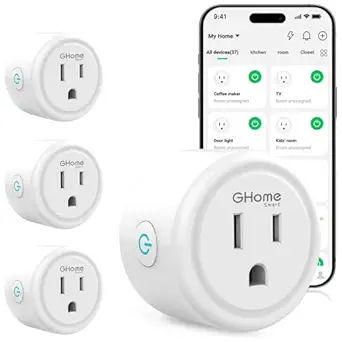
GHome Smart Plug, WiFi Smart Plugs Work with Alexa and Google Home, Smart Outlet Timer with APP Remote Control, 2.4GHz Wi-Fi Only, No Hub Required, ETL FCC Listed
This smart plug offers compatibility with both Alexa and Google Home, providing flexible voice control and scheduling features. Its support for 2.4GHz Wi-Fi and app-based control makes it a solid choice for budget-conscious users wanting multi-assistant integration, unlike the Amazon Smart Plug, which only supports Alexa. The included timers and group control enhance automation, but it lacks physical controls and does not support 5GHz networks, which could cause connectivity issues in congested networks. Additionally, its basic design might not appeal to users seeking premium build quality or advanced features. This pick is suited for those seeking affordability and multi-platform voice control without extra hardware complexity.
Pros:- Works with Alexa and Google Home
- Supports timers and group control
- No hub required, easy setup
- ETL and FCC listed for safety
Cons:- Limited to 2.4GHz Wi-Fi networks
- No physical control buttons
- Basic plastic construction
Best for: Users looking for economical, dual-assistant compatible smart plugs with scheduling features
Not ideal for: Households requiring advanced control features or high network stability in dual-band environments, as it only supports 2.4GHz Wi-Fi
- Operation Mode:ON-OFF-ON
- Current Rating:10 Amps
- Operating Voltage:120V
- Connectivity Protocol:Wi-Fi
- Control Method:App, Voice
- Certifications:ETL, FCC
Bottom line: This plug balances affordability with multi-ecosystem voice control, ideal for budget-conscious households wanting flexible automation.
Amazon Echo Spot Smart Alarm Clock – Glacier White
This compact device stands out for combining a vibrant touch screen with Alexa voice control, making it a versatile addition to any spring refresh. Unlike larger smart displays such as the Amazon Echo Show, the Echo Spot’s smaller size offers a less obtrusive presence, perfect for bedside tables or kitchens. Its built-in speaker delivers clear, rich sound, ideal for music and notifications, while the dual-purpose design as a WiFi mesh extender enhances home coverage—an excellent feature compared to standalone smart clocks. However, the absence of a camera limits video calls, and it requires a compatible eero router to unlock mesh WiFi functionality, which might frustrate users without existing eero infrastructure. This pick makes the most sense for those seeking a stylish, multi-functional device that integrates seamlessly into their smart home ecosystem, especially if space is tight.
Pros:- Vibrant touchscreen display with customizable clock faces
- High-quality audio for music and voice clarity
- Seamless smart home device control via Alexa
- Built-in WiFi mesh extender improves coverage
Cons:- No camera for video calls or video monitoring
- Requires compatible eero router for mesh WiFi extension
- Compact size may limit placement options
Best for: Homeowners wanting a sleek, multi-functional clock with smart home control and WiFi extension capabilities.
Not ideal for: Users seeking a dedicated video calling device or with no existing eero mesh network, as it lacks a camera and requires compatible hardware.
- Size:4.5″W x 4.1″D x 4.4″H
- Weight:14.3oz
- Display:2.83” touch screen (240x320px)
- WiFi Connectivity:Dual-band 802.11a/b/g/n/ac
- Audio:Full range 1.73” built-in speaker
- eero Built-in Coverage:Up to 1,000 sq. ft.
Bottom line: This device is ideal for those who want a stylish, all-in-one smart clock that also boosts WiFi coverage in their spring refresh.
SwitchBot Hub 2 (2nd Gen), Work as a WiFi Thermometer Hygrometer, IR Remote Control, Smart Remote and Light Sensor, Link SwitchBot to Wi-Fi
This device makes a compelling case for integrating environmental data into your spring refresh, offering highly accurate temperature and humidity readings thanks to its Swiss-made chip—more precise than some basic sensors like the Amazon Smart Air Quality Monitor. Its built-in light sensor automatically adjusts display brightness, ensuring usability without glare, while the support for Matter and compatibility with Alexa, Google, and Apple Home broadens automation options, making it ideal for smart home newcomers or those wanting a centralized hub like the Amazon Echo Spot. Unlike the Hub 3, this model is more compact and focused on environmental monitoring and IR remote control, but it doesn’t include a display or speaker, limiting its standalone utility. This pick is perfect for those prioritizing environmental control and remote device management within their spring refresh.
Pros:- Highly accurate temperature and humidity readings
- Supports Matter and integrates with multiple smart ecosystems
- Includes IR remote learning for controlling various appliances
- Light sensor adjusts display brightness automatically
Cons:- No built-in display or speaker for direct notifications or interaction
- Requires a separate app for automation and monitoring
- Limited to environmental sensing and IR control only
Best for: Homeowners looking to monitor and automate temperature, humidity, light levels, and IR-controlled appliances in a single hub.
Not ideal for: Users seeking a device with a built-in display or speaker for direct interaction, as the Hub 2 lacks a screen and audio features.
- Size:3.15 x 2.76 x 0.91 inches
- Weight:6.7 ounces
- Measurement Accuracy:±1.8% RH / ±0.36°F
- WiFi Support:2.4GHz
- Supports Matter:Yes
- Includes Components:2m cable, 3M adhesive, hub, 2 smart buttons
Bottom line: This device is ideal for those wanting a compact, precise environmental monitor with remote control capabilities as part of their spring home upgrade.
How We Picked
These products were selected based on their overall performance, ease of use, build quality, and compatibility with popular smart home ecosystems. Priority was given to devices that offer straightforward setup, reliable connectivity, and meaningful features for spring updates—such as sensors, timers, or climate controls. We also considered value for money, ensuring options suit a range of budgets, from basic plugs to premium hubs. Devices that support multiple voice assistants or ecosystems ranked higher, as flexibility matters for most users. Our ranking reflects a balance between versatility, user experience, and long-term usefulness.
Factors to Consider When Choosing Smart Home Gadgets For Spring Refresh
When choosing smart home gadgets for a spring refresh, it’s important to consider factors beyond just features. Compatibility with your existing ecosystem can save frustration, while ease of setup ensures you won’t need a tech degree to get started. Budget considerations also matter—some devices pack in extra sensors or advanced controls at a higher price, but basic smart plugs often deliver all you need for simple updates. Think about what specific problems you want to solve: climate control, air quality, or lighting. Finally, consider scalability and future-proofing—select devices that can grow with your smart home plans.Compatibility and Ecosystem Integration
Ensuring your new gadgets work with your existing smart home system—whether it’s Alexa, Google Home, or Apple HomeKit—can prevent frustration down the line. Some devices are ecosystem-agnostic, offering broad compatibility, while others are more limited. Choosing compatible products saves the hassle of juggling multiple apps or risking non-functional setups. Also, consider whether you want a unified control point or multiple apps—this impacts long-term convenience.
Ease of Installation and Setup
Spring is a busy season, so devices that are quick and simple to install are preferable. Look for products with clear instructions, minimal wiring, and straightforward app interfaces. Devices requiring hubs or additional gateways tend to take longer to set up and may introduce extra points of failure. For most users, plug-and-play options strike the right balance between convenience and functionality.
Feature Set and Functionalities
Decide what features matter most—climate sensors, timers, remote control, or automation routines? Devices like the SwitchBot Hub 3 offer multiple sensors and remote options, making them suitable for comprehensive control, while basic plugs are perfect for simple on/off automation. The more features you add, the more complex the setup becomes, so match features to your actual needs to avoid paying for unnecessary extras.
Budget and Long-Term Value
Smart home devices range from budget-friendly plugs to premium hubs with multiple sensors. Consider whether the added cost delivers tangible benefits for your spring refresh goals. Investing in a hub or multi-sensor system makes sense if you plan to expand your smart home over time, but basic plugs often suffice for quick, cost-effective updates. Be wary of overpaying for features you won’t use, but also recognize that higher-priced options tend to offer better durability and integration.
Scalability and Future-Proofing
Think about how your smart home might evolve over the next year or two. Devices supporting multiple standards or ecosystems, like Matter, provide flexibility and easier expansion. Avoid locking yourself into proprietary systems that might limit future add-ons. A well-chosen hub or universal smart plug can serve as a foundation for broader upgrades, making your spring refresh a stepping stone to a smarter home.
Frequently Asked Questions
Will these smart home gadgets work together in my existing system?
Most of the products in this lineup are designed for broad compatibility, supporting major ecosystems like Alexa, Google, and Apple Home. However, it’s important to check each device’s specifications to ensure it aligns with your current setup. Devices supporting standards like Matter are especially versatile, as they can work across multiple ecosystems without additional hubs. If you already have a smart home hub or a specific ecosystem, prioritize compatible gadgets to maximize interoperability and minimize setup headaches.
Are smart plugs enough for a complete spring refresh, or should I add sensors?
Smart plugs are excellent for automating lamps, appliances, or holiday decorations, but they won’t address air quality, temperature, or humidity directly. For a comprehensive spring refresh, consider adding sensors like the Amazon Smart Air Quality Monitor or the SwitchBot Hub 3, which can provide climate data and trigger automations. Sensors help create a smarter, more comfortable environment and can be integrated with your existing devices for a holistic update.
Do I need a hub to use these gadgets, or are Wi-Fi-only options better?
Wi-Fi-only devices like the TP-Link Tapo Smart Plug or GHome Smart Plug are generally simpler to set up and don’t require additional hardware, making them ideal for quick updates. Hubs such as the SwitchBot Hub 3 or Hub 2 expand capabilities like remote sensors and multi-device control but introduce extra setup steps and costs. Your choice depends on how much control and expandability you want—if ease and speed are priorities, Wi-Fi-only options tend to be more convenient.
Are more expensive smart home gadgets worth the extra investment?
Higher-priced options often include more advanced features, better build quality, and broader compatibility, making them suitable for users with long-term smart home plans. If you want a device that can grow with your system—covering climate control, sensors, and automation—spending more makes sense. However, for quick spring updates, budget-friendly plugs can provide significant improvements without breaking the bank. Evaluate your needs and future plans before investing in premium options.
How do I ensure my smart home devices stay secure and private?
Security should be a priority when adding new gadgets. Always choose devices from reputable brands that regularly update their firmware. Use strong, unique passwords for device accounts and ensure your Wi-Fi network is secured with WPA3 encryption. Enabling two-factor authentication where possible adds an extra layer of protection. Regularly reviewing device settings and firmware updates helps keep your smart home safe from vulnerabilities.
Conclusion
For those seeking a straightforward upgrade, the Amazon Smart Plug offers seamless integration and ease of use. If you want a comprehensive control system with sensors, the SwitchBot Hub 3 provides advanced features at a higher price. The TP-Link Tapo Smart Plug Mini makes a great choice for budget-conscious users who want compatibility and simplicity. Beginners should focus on plugs that require minimal setup, while tech enthusiasts might prefer hubs supporting multiple sensors for a more in-depth refresh. Ultimately, select based on your existing ecosystem, desired features, and future expansion plans.
Halloween Picks
halloween
As an affiliate, we earn on qualifying purchases.