📊 Full opportunity report: Youth Sports Injury Prevention Starts With Tracking Pitcher Arm Load on IdeaNavigator AI — validation score, market gap, and execution plan.

Get the latest gadgets delivered free with Prime
- Fast, free delivery on millions of items
- Prime Video, Amazon Music and more included
- Member-only deals all year
TL;DR
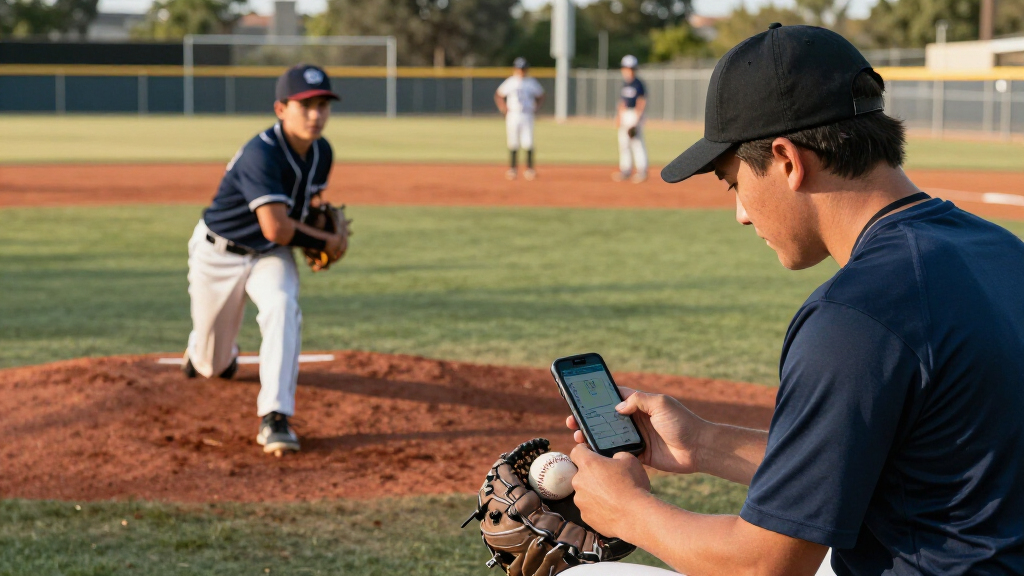
A product concept from IdeaNavigator AI proposes an app for parents to log a youth pitcher’s appearances across school, travel and showcase teams, then compare rolling workload with age-based guidelines. The idea has not been validated: a proposed test would recruit 200 travel-ball families and measure logging consistency and whether alerts affect rest decisions.
IdeaNavigator AI has proposed a parent-focused app to track youth pitchers’ throwing workload across school, travel and showcase teams, where records may not be shared. The concept aims to make cumulative activity visible across a fragmented schedule, but no app results or evidence of injury reduction are reported; the proposed next step is a season-long test with 200 travel-ball families.
The proposed app would let parents log pitching outings quickly or import them from GameChanger, then combine activity from multiple teams into a rolling workload record. It would compare that record with age-based guidelines, flag thresholds, suggest rest scheduling and create a report that families could share with coaches. These are proposed features, not confirmed capabilities of a product already in use.
The concept identifies the primary buyer as a parent whose child pitches for several teams or across multiple seasons. Its proposed business model is a family annual subscription, with possible expansion to team licenses. No pricing, product launch date, participating teams or commercial commitments are given.
To test whether families would use the service, the proposal calls for recruiting 200 travel-ball families and measuring how consistently they record outings over a season. It would also audit whether workload alerts changed decisions about rest. Those measures could show whether the workflow is usable and influences behavior, but the plan does not establish that the app would prevent injuries.
A pitcher’s activity can span teams with separate schedules and recordkeeping. If outings are not consolidated, a parent or coach may not have a complete view of how often a young athlete has pitched. A shared log could offer a practical way to review those appearances, especially when a player moves between school, travel and showcase play.
The proposed value is better visibility, not a demonstrated medical benefit. A workload alert might prompt a family or coach to discuss rest, but the proposal provides no evidence that its thresholds predict an individual injury or that following them lowers injury rates. The distinction matters: tracking and injury prevention are not the same outcome, and a useful record would need to fit into real coaching decisions without being treated as a diagnosis.
For families, the idea also raises questions about who enters the information and whether coaches act on it. If the system relies on parents to record every appearance, missing or inaccurate entries could undermine the combined picture. The proposed season test focuses directly on logging consistency and changes in rest decisions, but not on proving effects on injury rates.
youth baseball pitch count tracker app
As an affiliate, we earn on qualifying purchases.
As an affiliate, we earn on qualifying purchases.
A Fragmented Youth Baseball Schedule
The concept is framed around youth pitchers who participate in several baseball settings during the year. It argues that teams may not share pitch counts, leaving cumulative workload difficult to track. That is the problem the proposed app is designed to address; the material does not provide survey data quantifying how often records are missing or how many players are affected.
Pitch Smart guidelines are cited as existing guidance, while the concept says they are not enforced across a child’s separate team schedules. The proposal also says youth elbow-surgery rates are rising as travel baseball expands and that UCL injuries once associated mainly with professional players are now seen in high school. It supplies no figures, timeframe, study references or comparison data for those claims, so they should be treated as rationale for the idea rather than independently established findings here.
The proposal is an early product opportunity, not a clinical study, policy change or announcement of a released service. Its focus is deliberately narrow: test whether parents will record outings and whether a consolidated report affects rest decisions before expanding toward team licensing.
Usage and Injury Effects Remain Untested
No findings are available on whether families would maintain complete logs, whether teams would share or use the reports, or whether workload flags would lead to additional rest. The proposed 200-family test has not been reported as completed, and the concept names no trial dates, research partner or measurement results.
The proposed age-based thresholds are also not specified. The material does not explain how the app would handle different kinds of throwing, verify imported data, address incomplete records or protect a child’s information. Most importantly, it offers no evidence that tracking reduces UCL injuries. The cited claims about surgery trends and the spread of injuries are not accompanied by supporting statistics or studies.
A Season-Long Family Pilot
The next step described in the proposal is to recruit 200 travel-ball families for a season-long validation effort. The stated measures are whether parents log outings consistently and whether alerts change rest decisions. No launch or recruitment schedule is specified.
Results from that test would help establish whether the app’s basic workflow is practical before any team-license expansion. Further evidence would be needed to assess the accuracy and usefulness of its workload comparisons, coach adoption, privacy practices and any relationship to injury outcomes. Until such results are available, the idea remains a product concept rather than a proven injury-prevention tool.
Source: IdeaNavigator AI
Key Questions
Has the pitcher workload-tracking app launched?
No launch is reported. The proposal describes a possible app and its features, but gives no release date or evidence that a working product is available.
What would the proposed app track?
Parents would log or import pitching outings across teams. The proposed system would combine them into a rolling workload record and compare it with age-based guidelines.
Does the concept show that tracking prevents injuries?
No. It presents no injury-outcome data. Its proposed pilot would measure logging consistency and whether alerts change rest decisions, not whether the app reduces injuries.
How would the idea be tested?
The proposed test would recruit 200 travel-ball families and follow their logging over a season, while checking whether workload flags affected rest decisions. No results or timetable are provided.
Source: IdeaNavigator AI
Fall Picks
fall essentials
As an affiliate, we earn on qualifying purchases.