
When you’re under chronic stress, your body stays in a constant state of tension, making it harder to recover. Stress hormones like cortisol and adrenaline wear you down, disrupting sleep and draining your energy. This ongoing tension hampers your body’s ability to repair and restore itself. As a result, you may feel more exhausted and irritable. To understand how to break this cycle and regain resilience, keep exploring ways to manage stress effectively.

Get the latest gadgets delivered free with Prime
- Fast, free delivery on millions of items
- Prime Video, Amazon Music and more included
- Member-only deals all year
Key Takeaways
- Chronic stress depletes energy reserves, making physical and mental recovery more difficult.
- Elevated cortisol and adrenaline levels impair sleep quality, hindering restorative processes.
- Persistent stress keeps the body in a heightened alert state, delaying relaxation and healing.
- Stress disrupts the mind-body balance, reducing resilience and slowing down recovery efforts.
- Continuous stress interferes with active recovery techniques, decreasing their effectiveness over time.
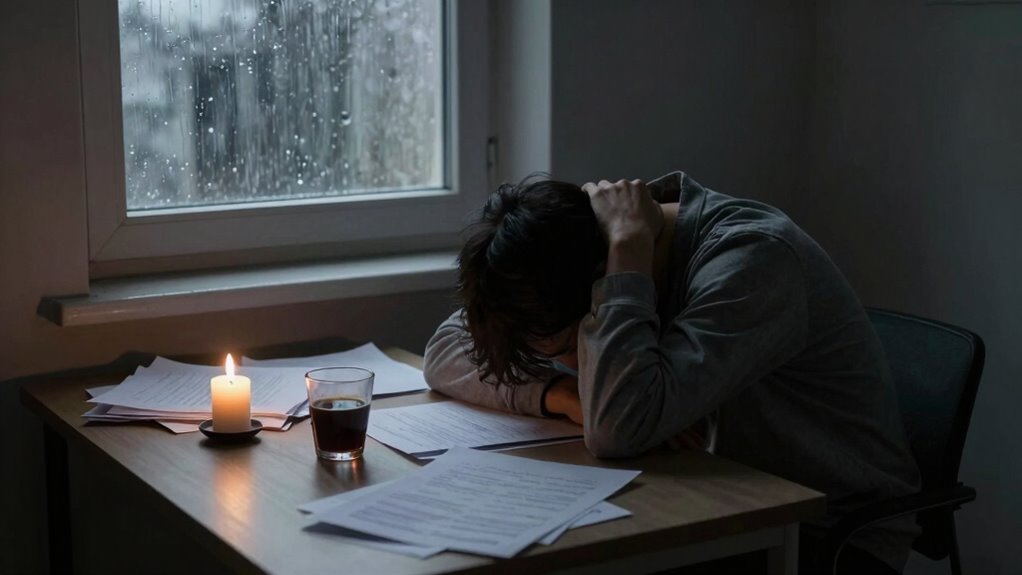
Chronic stress can drain your energy and undermine your well-being, but recovery is possible with intentional actions. When stress becomes a constant part of your life, it disrupts the delicate balance between your mind and body, making it harder to bounce back. The mind-body connection plays an essential role here — your mental state directly influences your physical health, and vice versa. When stress persists, your body remains in a heightened state of alertness, releasing hormones like cortisol and adrenaline that are designed for short-term emergencies, not ongoing tension. Over time, this constant hormonal surge wears down your resilience, leaving you feeling exhausted and less capable of recovery.
Chronic stress depletes energy, disrupts mind-body balance, and hampers recovery through persistent hormonal overload.
This persistent stress hampers your ability to rest and rejuvenate. Sleep, which is indispensable for healing and restoring energy, becomes disrupted as your mind remains preoccupied with worries and anxieties. Without quality sleep, your body’s recovery processes slow down, and you may start to notice increased fatigue, irritability, and difficulty concentrating. It’s in these moments that stress management techniques become essential. Learning how to consciously regulate your stress responses can help you regain control and ease the burden on your mind and body. Techniques such as deep breathing, progressive muscle relaxation, or mindfulness meditation help activate your parasympathetic nervous system—the part responsible for rest and digest—counteracting the effects of stress hormones.
Incorporating these stress management techniques into your daily routine can gradually shift your body from a state of chronic tension to one of calm. You might find that engaging in regular physical activity, practicing gratitude, or even setting aside time for hobbies can markedly reduce your overall stress levels. The goal isn’t just to manage stress temporarily but to foster resilience so your body can better handle ongoing challenges. As you become more mindful of your stress responses, you’ll notice your mind and body working more harmoniously, making recovery less arduous. Supporting your recovery also involves understanding how biodiversity and conservation practices can promote a healthier environment that reduces stressors in your daily life. Additionally, understanding the stress response and how it impacts your physical health can empower you to develop more effective coping strategies. Recognizing how external environmental factors influence your stress levels can motivate you to incorporate nature-based interventions into your routine for enhanced well-being.
Ultimately, understanding how the power of the mind-body connection helps you see that recovery isn’t just about resting — it’s about actively nurturing your mental and physical health through intentional practices. By consistently applying stress management techniques, you create a supportive environment for your body to heal and regain strength, even in the face of chronic stress. The journey toward recovery might feel slow at times, but with persistence and awareness, you can rebuild your resilience and restore your well-being.
stress relief meditation cushion
As an affiliate, we earn on qualifying purchases.
As an affiliate, we earn on qualifying purchases.
Frequently Asked Questions
How Does Chronic Stress Affect Sleep Quality During Recovery?
Chronic stress elevates stress hormones like cortisol, which disrupt your sleep patterns. These hormones interfere with your ability to fall asleep and stay asleep, leading to frequent awakenings or lighter sleep. As a result, your sleep quality declines, making recovery harder. When your sleep is disrupted, your body struggles to repair itself and restore energy. Managing stress through relaxation techniques can help normalize hormone levels and improve your sleep during recovery.
Can Chronic Stress Lead to Long-Term Physical Health Issues?
Chronic stress can quietly impact your long-term health by weakening your immune function and making your body more vulnerable. Without effective stress management, you risk more than just feeling overwhelmed; you may develop issues like heart problems or weakened defenses. Staying attentive to stress levels helps protect your physical health, ensuring your body stays resilient and better equipped to handle daily challenges. Prioritize calming practices to safeguard your future well-being.
What Role Does Nutrition Play in Recovery Under Stress?
Nutrition plays a vital role in your recovery under stress. Your dietary choices directly impact nutrient absorption, which is essential for repairing tissues and supporting your immune system. When you choose nutrient-dense foods, you give your body the building blocks it needs to bounce back faster. Conversely, poor dietary choices can hinder recovery, making it harder to manage stress and maintain overall health. Prioritize balanced meals to enhance your resilience.
Are There Specific Recovery Techniques Effective for Stressed Individuals?
You can improve recovery by practicing mindfulness meditation and progressive relaxation. These techniques help calm your mind and reduce stress hormones, making it easier to recover physically and mentally. Set aside a few minutes daily to focus on your breath or muscle relaxation. Consistent practice boosts your resilience against chronic stress, enabling better sleep, improved mood, and faster recovery from daily exertion.
How Does Chronic Stress Impact Mental Resilience During Recovery?
Chronic stress diminishes your mental resilience by weakening your emotional endurance and impairing stress adaptation. When you’re under constant pressure, your mind struggles to recover quickly from setbacks, making it harder to bounce back. This ongoing strain exhausts your coping resources, reducing your ability to stay emotionally stable. As a result, recovery feels slower and more difficult, and building resilience requires intentional strategies to strengthen your stress adaptation and emotional endurance over time.
Conclusion
So, as you push forward, remember that recovery under chronic stress isn’t just about time—it’s about understanding what’s truly happening inside you. Will your body finally find its balance, or will the relentless pressure keep you on the edge? The path to healing is full of twists and turns, and only by recognizing these hidden hurdles can you hope to break free. The question is, are you ready to take that essential step?
Halloween Picks
halloween
As an affiliate, we earn on qualifying purchases.