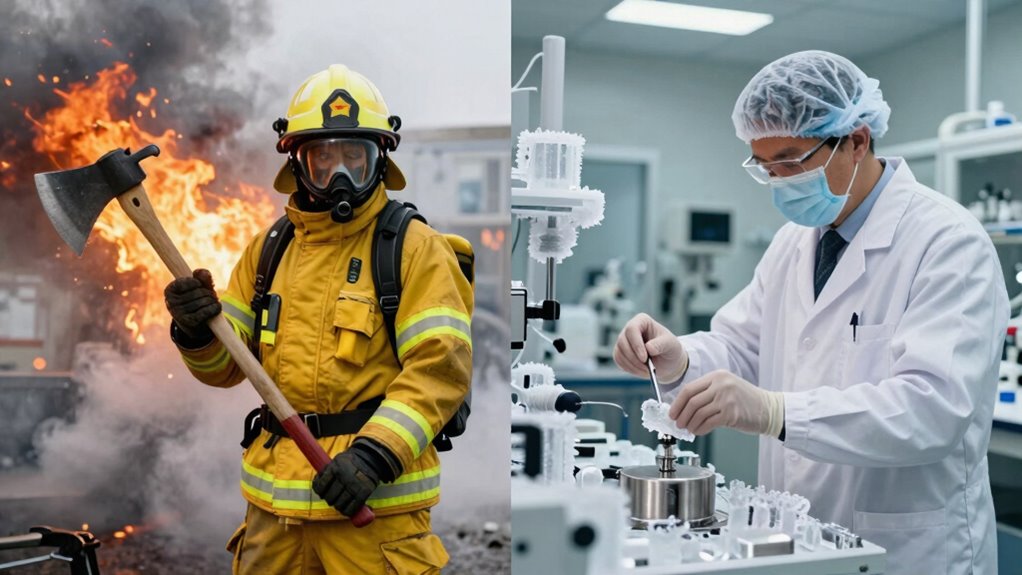

When dealing with heat exposure, you should use tools like shade, fans, hydration, and lightweight clothing to keep your body cool and prevent heat-related illnesses. For cold exposure, layered clothing, gloves, and heating devices help conserve heat and avoid frostbite or hypothermia. Each environment demands different precautions and tools to protect your health effectively. Staying aware of your body’s responses and using the right strategies can make all the difference—stay with us to learn more.

Get the latest gadgets delivered free — and shop member deals
- Fast, free delivery on millions of items
- Access to Prime Big Deal Days deals on October 6–7
- Prime Video, Amazon Music and more included
Key Takeaways
- Different environmental stresses require specialized clothing, such as lightweight fabrics for heat and insulating layers for cold.
- Heat exposure tools include fans, cooling vests, and shade, while cold exposure tools focus on heaters, thermal gloves, and insulated gear.
- Managing heat involves ventilation and hydration, whereas cold management emphasizes layering and extremity protection.
- Recognizing body responses like sweating or shivering guides the selection of appropriate tools for each condition.
- Proper prevention strategies differ: shade and hydration for heat, insulation and movement for cold.

When environmental stress increases—whether from high temperatures or cold—your body has to work harder to keep everything in balance. Failure to do so can lead to serious health issues, so recognizing how each exposure impacts you is key to staying safe. Proper thermal regulation is vital for maintaining health in extreme conditions.
In hot environments, your body tries to cool down through sweating and increased blood flow to the skin. If you’re exposed to excessive heat for too long, your thermal regulation system can be overwhelmed, leading to heat-related illnesses like heat exhaustion or heat stroke. These conditions can develop quickly if you don’t take steps to stay cool, hydrate, and avoid direct sunlight. The body’s inability to effectively dissipate heat causes internal temperatures to rise, which can impair organ function and, in extreme cases, become life-threatening. Recognizing signs of heat illness early can help prevent escalation to more severe conditions.
On the other hand, cold exposure challenges your body’s ability to generate and conserve heat. When you’re in low temperatures, your body responds by constricting blood vessels near the skin to reduce heat loss and shivering to produce warmth. However, prolonged cold exposure can lead to hypothermia, where your core temperature drops dangerously low. Frostbite is another risk, damaging skin and tissues exposed to the cold for extended periods. Unlike heat stress, cold exposure often develops gradually, giving you some warning signs like shivering, numbness, or confusion. Recognizing these signs early allows you to take immediate action before more severe health consequences occur. Proper clothing plays a crucial role in maintaining thermal balance and preventing such issues. A greater understanding of body responses to cold can improve your ability to respond appropriately in extreme environments.
Both heat and cold stress put your body’s thermal regulation to the test, but the strategies to counteract these stresses differ. In hot conditions, staying hydrated, wearing lightweight clothing, and seeking shade help your body manage environmental stress. In cold environments, layering clothing, keeping active to generate heat, and protecting extremities are crucial. Understanding these differences enables you to choose the right tools and behaviors for each situation. Additionally, using proper ventilation and air circulation can help mitigate heat buildup indoors, making environments safer during extreme temperatures. Ultimately, whether dealing with the heat or cold, the goal is to support your body’s natural thermal regulation process and prevent environmental stress from escalating into a health emergency. Recognizing the signs early and taking appropriate precautions can make all the difference in maintaining your well-being amid extreme temperatures.
As an affiliate, we earn on qualifying purchases.
Frequently Asked Questions
How Do Temperature Extremes Affect Mental Health?
Extreme temperatures can profoundly impact your mental health, affecting your mental resilience and emotional stability. Heat can cause irritability, anxiety, and fatigue, while cold exposure might lead to feelings of loneliness or depression. These conditions challenge your emotional resilience, making it harder to cope with daily stressors. Recognizing these effects helps you take proactive steps to protect your mental well-being during temperature extremes.
What Are the Long-Term Effects of Repeated Heat or Cold Exposure?
Repeated heat or cold exposure can sculpt your body like a master artist molds clay, impacting your long-term health. You develop thermal adaptation and boost your physiological resilience, making your body more efficient at handling temperature swings. However, over time, extreme exposure may lead to chronic issues like skin damage or circulatory problems. Embrace these challenges carefully, knowing they can strengthen your body’s defenses or, if unchecked, wear them down.
Are There Specific Industries More Prone to Temperature-Related Health Risks?
You’ll find that industries like construction, manufacturing, agriculture, and transportation are more prone to temperature-related health risks. Occupational hazards in these fields involve extreme heat or cold, which can lead to illnesses like heat stroke or hypothermia. To protect yourself, always follow safety protocols, such as wearing appropriate gear and taking regular breaks. Awareness and proper precautions are key to minimizing risks in these high-temperature environments.
How Does Climate Change Influence Heat and Cold Exposure Risks?
Climate change considerably increases your risks of heat and cold exposure. As temperatures rise, you need effective climate adaptation strategies to stay safe, like adjusting work schedules and improving cooling systems. Heat mitigation becomes essential in preventing heat-related illnesses, especially for outdoor workers. Conversely, colder temperatures may demand better insulation and heating solutions. Being proactive with these measures helps you reduce health risks, maintain productivity, and adapt effectively to a changing climate.
What Are Emerging Technologies for Managing Extreme Temperature Exposures?
You can manage extreme temperature exposures with emerging technologies like smart wearables and thermal imaging. Smart wearables monitor your body’s essential signs and alert you to dangerous heat or cold levels, helping you take immediate action. Thermal imaging devices allow you to visualize temperature differences in your environment, enabling better planning and safety measures. These tools empower you to respond proactively, reducing risks associated with extreme temperatures and enhancing your safety.
Conclusion
Just as the sun and the moon guide our days and nights, heat and cold shape your resilience and adaptability. Embrace each challenge as a chapter in your journey, where discomfort is a forge and endurance the spark. Whether you’re basking in warmth or braving icy winds, remember that these elements symbolize life’s dualities—growth through contrast. By mastering both, you discover your true strength, becoming a vessel of balance amid nature’s ever-changing dance.
Fall Picks
fall essentials
As an affiliate, we earn on qualifying purchases.