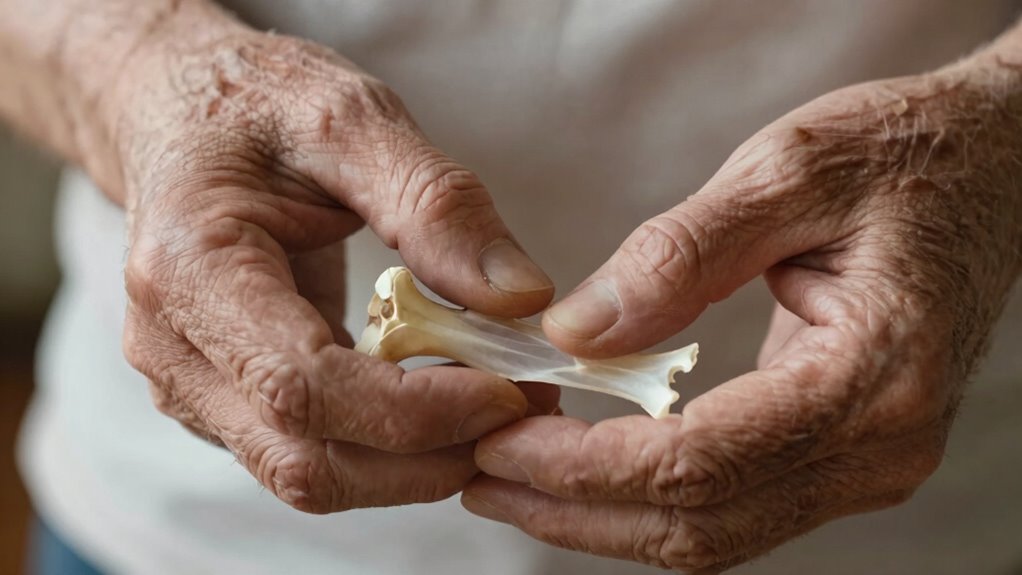

To support healthy aging, focus on strengthening your bones, muscles, and maintaining good balance. Eat calcium-rich foods, get enough vitamin D, and guarantee adequate protein intake to keep your bones and muscles strong. Incorporate weight-bearing and balance exercises like tai chi or standing on one foot. Make your home safer by removing hazards and installing support fixtures. Keep these practices in mind, and you’ll discover simple ways to stay active, safe, and independent as you age.
Key Takeaways
- Maintaining adequate nutrition, including calcium, vitamin D, and protein, supports bone density and muscle strength.
- Regular weight-bearing and strength training exercises enhance bone health and muscle mass.
- Balance exercises, like tai chi or standing on one foot, improve stability and reduce fall risk.
- Creating a safe home environment with supportive fixtures prevents falls and injuries.
- Integrating nutrition, physical activity, and safety measures promotes healthy aging and functional independence.
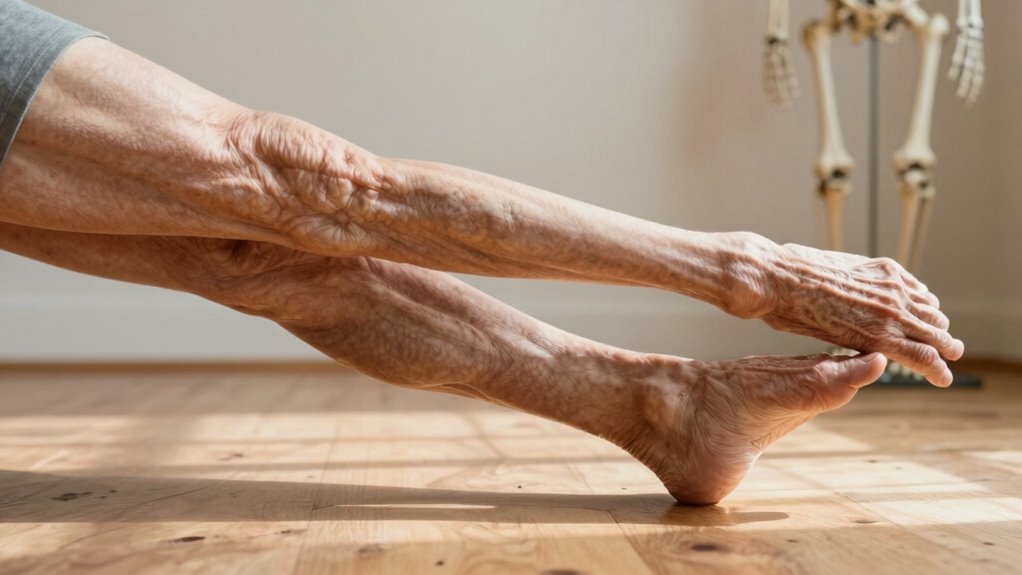
Maintaining strong bones, muscles, and good balance is necessary for staying active and preventing falls as you age. When you focus on these three elements, you can enjoy a more independent and healthier life. One of the most effective ways to support this is through nutritional strategies that promote bone density and muscle strength. Incorporate foods rich in calcium, like dairy products, leafy greens, and fortified foods, to help keep your bones strong. Vitamin D is equally important because it aids calcium absorption; spending time outdoors in sunlight or taking supplements can boost your levels. Protein intake is essential for muscle maintenance, so include lean meats, beans, nuts, and dairy in your diet. These nutritional choices not only support your bones and muscles but also enhance your overall energy and mobility. Proper nutrition, combined with bone health practices, is vital for sustaining strength and resilience with age. Additionally, understanding nutritional strategies can further optimize your bone and muscle health as you age. Incorporating strength training exercises can also play a significant role in maintaining muscle mass and overall functional capacity.
Engaging in regular weight-bearing exercises can also help strengthen bones and improve overall stability, complementing your nutritional efforts. Alongside proper nutrition, fall prevention techniques are indispensable. Keep your living space free of clutter, loose rugs, and cords that can cause trips. Install grab bars in the bathroom and handrails along staircases to provide stability. Regularly assess your footwear to guarantee it offers good support and grip. Additionally, practicing balance exercises, such as standing on one foot or tai chi, can improve your stability and coordination. These simple techniques, when consistently applied, significantly reduce your risk of falling and injury. Remember, staying alert to hazards around your home and making necessary adjustments creates a safer environment.
As an affiliate, we earn on qualifying purchases.
Frequently Asked Questions
How Does Hydration Affect Bone and Muscle Health?
Hydration importance is essential for maintaining healthy bones and muscles. When you stay well-hydrated, your fluid intake benefits your body’s ability to absorb nutrients necessary for bone strength and muscle function. Proper hydration keeps your joints lubricated, prevents cramps, and supports tissue repair. By drinking enough water daily, you enhance overall mobility and reduce injury risk, promoting healthier aging and keeping your bones and muscles functioning at their best.
Can Certain Medications Improve Balance in Older Adults?
Yes, certain medications can improve balance in older adults, but you should be aware of potential medication side effects like dizziness or drowsiness, which might increase fall risk. Combining medication with regular balance training can enhance your stability and confidence. Always consult your healthcare provider before starting or changing medications, and make certain balance exercises are tailored to your needs to reduce risks and promote safer aging.
What Role Do Genetics Play in Aging-Related Bone Loss?
Your genetics play a significant role in aging-related bone loss. A genetic predisposition can influence your bone density, making some people more prone to osteoporosis and fractures as they age. If your family has a history of weak bones, you might naturally have lower bone density. Understanding this risk helps you take proactive steps, like proper nutrition and weight-bearing exercise, to maintain your bone health longer.
How Do Mental Health and Stress Impact Physical Stability?
Ever wonder how your mental state affects your physical stability? Stress and poor mental health can weaken your balance because of the mind-body connection, making falls more likely. Maintaining emotional resilience helps you stay steady, even during tough times. When you nurture your mental health, you support your body’s ability to keep balanced, reducing injury risk and promoting healthier aging overall. Isn’t it empowering to know your mind influences your body’s stability?
Are There Specific Dietary Supplements for Joint Health?
Yes, you can consider joint supplements that promote cartilage support to maintain joint health. Look for options containing glucosamine, chondroitin, or MSM, which are known to help reduce joint pain and support cartilage repair. These supplements work by nourishing your joints and maintaining their flexibility. Incorporate them into your routine alongside a balanced diet, exercise, and proper hydration to optimize joint function and stay active longer.
Conclusion
You might think aging is just about slowing down, but strengthening your bones, muscles, and balance proves otherwise. It’s not just theory—research shows these elements are interconnected, and nurturing them can truly delay age-related decline. Think of it as investing in your future self; the effort you put in today helps you stay active, confident, and independent tomorrow. Embrace this trio, and you’re not just aging—you’re aging well, with strength and resilience.