
Your gut microbiome influences your mood by producing important neurochemicals like serotonin and GABA, which help regulate your emotional state. When your microbiome is diverse and healthy, it supports a balanced gut-brain connection, reducing feelings of anxiety and depression. Disruptions can lead to inflammation and mood swings. Supporting your gut health through probiotics, a fiber-rich diet, and fermented foods can boost this connection. Keep exploring to discover how you can optimize your gut and improve your mood.
Key Takeaways
- A diverse gut microbiome produces mood-regulating neurochemicals like serotonin and GABA, influencing emotional well-being.
- Microbiome diversity reduces inflammation, which is linked to decreased anxiety and depression.
- An imbalance in gut bacteria can disrupt the gut-brain axis, causing mood swings and irritability.
- Probiotic therapies help restore microbial diversity, supporting neurochemical balance and mental health.
- Consuming fiber-rich foods and probiotics enhances gut microbiome diversity, positively impacting mood regulation.
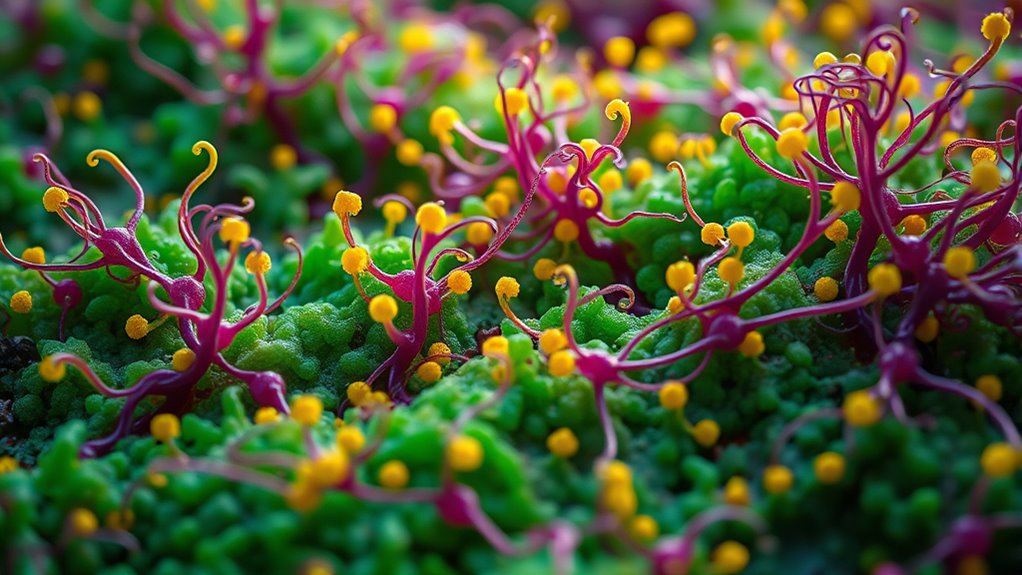
Have you ever wondered how your gut health influences your mood? It turns out, there’s a strong connection between the two, rooted in the complex ecosystem inside your digestive system. Your gut hosts trillions of microorganisms—bacteria, viruses, fungi—that make up your microbiome. The diversity of these microbes, known as microbiome diversity, plays an essential role in regulating your mental health. A diverse microbiome is generally linked to better mood, reduced anxiety, and overall emotional balance. When this diversity declines, it can lead to imbalances that affect your brain chemistry and emotional well-being.
A diverse microbiome supports better mood, reduced anxiety, and emotional balance by regulating brain chemistry and gut health.
Probiotic therapies are gaining attention as a way to boost microbiome diversity and, in turn, support mood regulation. These therapies involve introducing beneficial bacteria into your gut through supplements or fermented foods like yogurt, kefir, and sauerkraut. By enhancing the presence of good microbes, probiotic therapies can help restore balance to your gut ecosystem. When your microbiome is healthy and diverse, it produces essential neurochemicals like serotonin and gamma-aminobutyric acid (GABA), which are directly involved in mood regulation. About 90% of your body’s serotonin, often called the “feel-good” hormone, is produced in the gut, underscoring the importance of gut health for emotional stability.
Research shows that people with a more diverse microbiome tend to experience less depression and anxiety. Conversely, a less diverse microbiome is linked to increased inflammation and disrupted communication between your gut and brain, known as the gut-brain axis. This disruption can lead to mood swings, irritability, and even symptoms of depression. Probiotic therapies help by introducing specific strains of bacteria that can influence this axis positively, reducing inflammation and improving neurochemical balance. They also support the integrity of your gut lining, preventing leaky gut syndrome, which has been associated with mood disorders. Additionally, innovations in Amazon Robotics Expansion are improving supply chains for probiotic products, making them more accessible and affordable for consumers.
Incorporating probiotic-rich foods or supplements into your daily routine can be a simple yet effective way to nurture your microbiome diversity. However, it’s important to choose strains that are backed by scientific evidence for mood support. Maintaining a diet rich in fiber, fruits, and vegetables also promotes a healthy, diverse microbiome. Remember, a well-balanced gut isn’t just about digestion—it’s an essential component of your mental health as well. By prioritizing probiotic therapies and fostering microbiome diversity, you can actively influence your mood and overall emotional resilience.
Frequently Asked Questions
Can Probiotic Supplements Improve Mood Symptoms Effectively?
Probiotic supplements can potentially improve mood symptoms, but results vary. Certain probiotic strains, like Lactobacillus and Bifidobacterium, have shown promise in supporting mental health benefits. You might notice improvements if your gut flora is balanced, but it’s not a guaranteed fix. Always choose high-quality probiotics and consult a healthcare professional. Incorporating these strains into your routine could be helpful, but it’s best to see how your body responds over time.
How Quickly Can Gut Health Changes Influence Mood?
You might expect a mood miracle overnight, but the gut-brain connection isn’t that quick. Microbiome fluctuations can influence your mood within a few days to weeks, depending on changes you make. While some notice shifts in a week, others need longer. So, don’t rush; patience is key as your gut adjusts, revealing how deeply your microbiome fluctuations shape your emotional landscape over time.
Are There Specific Foods That Optimize Gut-Brain Axis Health?
You can optimize your gut-brain axis health by choosing foods like fermented foods and dietary fiber. Fermented foods, such as yogurt, sauerkraut, and kimchi, introduce beneficial probiotics that support your gut bacteria. Meanwhile, dietary fiber from fruits, vegetables, and whole grains nourishes these good bacteria. Incorporating both into your diet helps maintain a balanced gut microbiome, which can positively influence your mood and overall mental well-being.
Does Gut Microbiome Diversity Correlate With Mental Health Disorders?
You might wonder if microbiome diversity links to mental health. Research suggests a positive mental health correlation with higher microbiome diversity, meaning a varied gut bacteria community can support better mood and emotional stability. Maintaining diverse microbiomes through a balanced diet, probiotics, and lifestyle choices can potentially improve mental well-being. So, focusing on gut health isn’t just about digestion but also about supporting your overall mental health.
Can Gut Microbiome Analysis Predict Mood Disorder Susceptibility?
Imagine your gut microbiome as a map guiding your emotional journey. By analyzing microbial markers, scientists can identify patterns linked to mood disorders. These markers, combined with insights into your genetic predispositions, serve as clues to your mental health landscape. While not definitive, gut microbiome analysis offers a promising way to predict susceptibility, helping you understand potential challenges and tailor preventative strategies before mood issues fully emerge.
Conclusion
Just as Pandora’s box holds both hope and chaos, your gut biome holds the key to your mood. By nurturing your gut health, you can discover a happier, more balanced mind. Remember, your gut is your second brain—protect it, and it’ll serve you well. Embrace this power within, and let it guide you toward emotional harmony, like a gentle tide shaping the sands of your well-being. Your journey to better mood starts here.