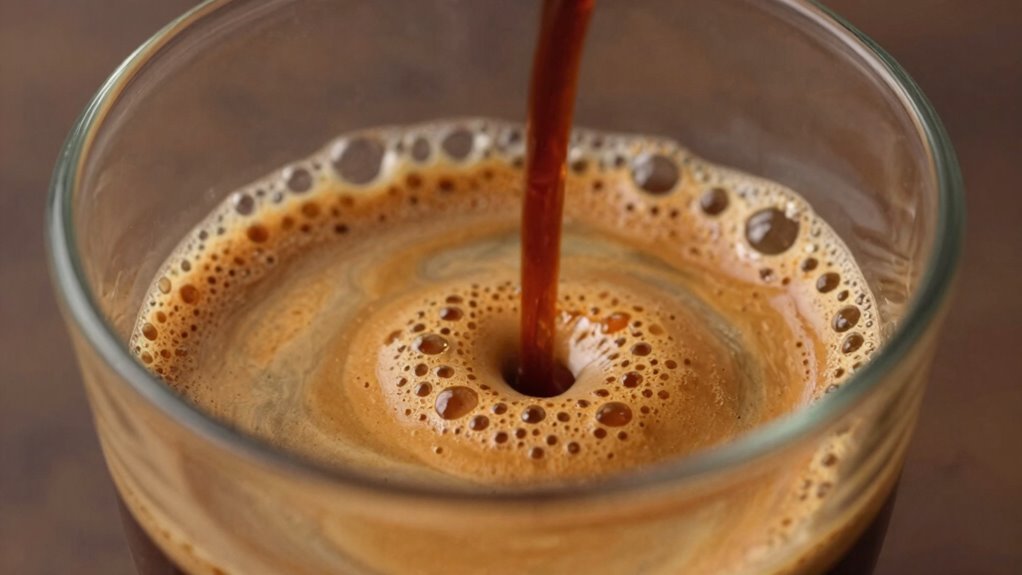

You might be surprised how even tiny tweaks in water chemistry can drastically change your espresso’s flavor. Small adjustments in minerals like calcium and magnesium or pH levels influence extraction, balancing or distorting tastes. Slight variations can make your shot flat, bitter, or overly sour. Because water interacts directly with coffee compounds, it’s more sensitive than it seems. If you want to understand the full impact and perfect your brew, you’ll find some intriguing details ahead.

Get the latest gadgets delivered free — and shop member deals
- Fast, free delivery on millions of items
- Access to Prime Big Deal Days deals on October 6–7
- Prime Video, Amazon Music and more included
Key Takeaways
- Small variations in mineral content or pH can drastically alter extraction and flavor due to their influence on solubility and compound interactions.
- Imbalanced minerals cause over- or under-extraction, leading to unexpected bitterness or flatness in flavor.
- Minor adjustments in water chemistry can significantly enhance or diminish nuanced coffee flavors.
- Inconsistent tap water quality introduces unpredictable changes in flavor profiles.
- Properly controlled water chemistry creates a stable environment, revealing the true complexity of coffee flavors.
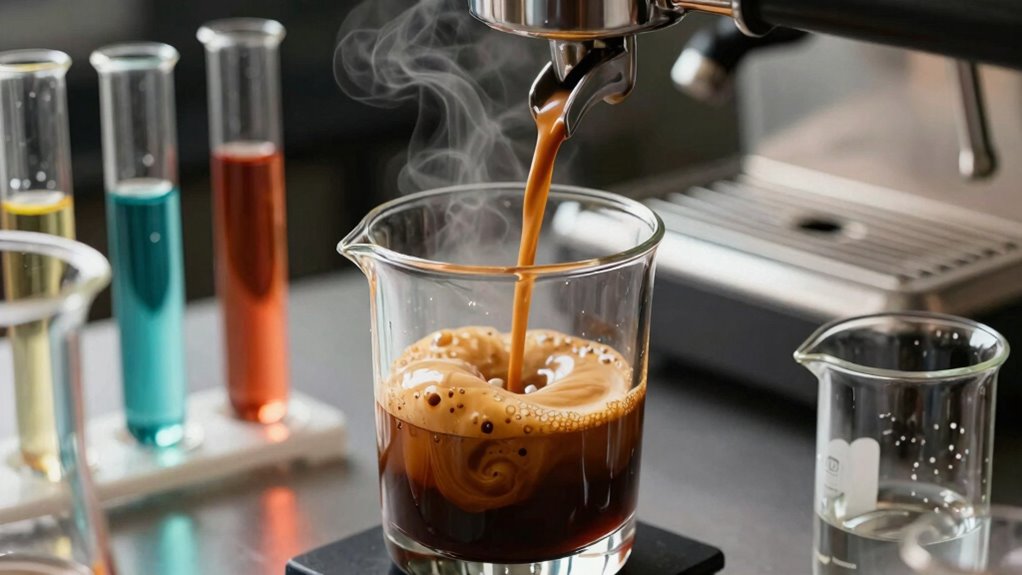
Understanding the chemistry of water used in espresso brewing is essential because it directly impacts the flavor, extraction, and overall quality of your shot. The mineral balance in your water plays a crucial role here. Too many minerals like calcium and magnesium can lead to over-extraction, resulting in bitter, astringent flavors. Conversely, insufficient minerals might cause under-extraction, leading to flat, sour tastes. Striking the right water mineral balance isn’t just about avoiding extremes; it’s about creating an environment where the coffee’s nuanced flavors can shine. When your water has the proper mineral content, it enhances extraction, allowing the espresso to develop its full flavor profile without unwanted bitterness or sourness. Water chemistry is a complex interplay of factors that influence brewing outcomes, making it vital for serious espresso enthusiasts to understand and control.
Proper water mineral balance is key to unlocking rich, balanced espresso flavors.
The pH level impact is another critical factor that often surprises people. Water that’s too acidic or too alkaline can significantly alter the taste of your espresso. Slightly acidic water, with a pH around 6.0 to 6.5, often produces the most balanced and vibrant flavors, highlighting sweetness and complexity. On the other hand, water with a high pH (above 7.5) can produce flat, dull shots, while water that’s too low in pH (below 6.0) may cause over-extraction, resulting in harsh, bitter notes. Your water’s pH influences how easily soluble compounds are extracted from the coffee grounds, directly affecting flavor clarity and balance. It’s not just about taste—pH can also impact the brewing process itself, including how well the water interacts with coffee oils and solids. Adjusting water pH carefully can help prevent extraction issues and improve consistency in your espresso shots. Small adjustments to pH levels can also help mitigate water impurities that might otherwise interfere with flavor. Being aware of water pH levels and adjusting them accordingly can help you achieve more consistent results.
You might not realize that even small changes in mineral content or pH can have a significant effect. For example, adding a pinch of mineral salts or adjusting pH with safe, food-grade solutions can fine-tune your water chemistry for optimal extraction. This meticulous adjustment helps you achieve consistent shots with the desired flavor profile. It’s worth noting that tap water often varies in mineral content and pH, making it unpredictable for espresso brewing. Many baristas and enthusiasts turn to filtered or specially formulated water to maintain the right balance. This careful control over water chemistry isn’t just about technical precision; it’s about unlocking the full potential of your coffee beans, revealing flavors that might otherwise be masked or distorted by poor water quality.
In the end, understanding how water mineral balance and pH level impact your espresso allows you to craft better shots consistently. When you pay attention to these factors, you’ll notice a marked improvement in flavor clarity, sweetness, and overall harmony. Your espresso becomes more than just a caffeine fix — it becomes a true expression of the coffee’s character, made possible by the chemistry of your water.
water mineral test kit for espresso
As an affiliate, we earn on qualifying purchases.
As an affiliate, we earn on qualifying purchases.
Frequently Asked Questions
How Does Water Temperature Affect Espresso Flavor?
You’ll notice that water temperature greatly impacts espresso flavor. Higher temperatures extract more solubles, enhancing richness, but can also bring out bitterness if too hot. Water hardness influences extraction, with harder water possibly dulling flavors. Temperature fluctuations can cause inconsistent extraction, making flavors unpredictable. To achieve balanced espresso, maintain a steady temperature and use water with appropriate hardness, ensuring your brew’s flavor remains vibrant and consistent.
What Minerals in Water Influence Espresso Taste?
Like a painter chooses colors, you influence espresso taste with minerals in water. Calcium and magnesium add body and balance, while bicarbonates can soften acidity. Too many minerals, and the water becomes a storm, overpowering delicate flavors; too few, and it’s flat as a muted canvas. Prioritize water purity and mineral balance, and you’ll reveal the true essence of your espresso, just as a master artist reveals hidden depths.
Can Water pH Levels Alter Espresso Extraction?
Yes, water pH levels can alter espresso extraction. If your water isn’t properly balanced regarding pH, it can affect how flavors develop during brewing. Water hardness and pH balance influence how minerals interact with coffee grounds, impacting extraction quality. Too acidic or too alkaline water may lead to over- or under-extraction, affecting flavor clarity, body, and aroma. Adjusting pH and managing water hardness ensures ideal espresso extraction and flavor.
How Does Water Mineral Content Impact Espresso Crema?
Imagine brewing espresso with excessively hard water, rich in minerals. Water mineral content markedly influences espresso crema by affecting extraction process and bubble formation. High water hardness can create a thicker, more stable crema, while imbalanced mineral levels may produce a thin or uneven layer. Ideal mineral balance ensures consistent crema quality, enhancing flavor and visual appeal. Adjusting mineral content in your water can make a noticeable difference in your espresso’s crema.
What Is the Ideal Water Composition for Consistent Espresso?
You should aim for water with a balanced mineral content, ideally around 150 mg/L of total dissolved solids. Use water filtration to remove unwanted impurities, ensuring consistency. Maintain a mineral balance that includes calcium and magnesium for ideal extraction and crema development, while avoiding excessive sodium or sulfates that can alter flavor. Regularly test your water to keep these levels steady, ensuring your espresso tastes consistently great every time.
Conclusion
So, savor the subtle shifts in your espresso’s flavor by studying its water. When you master the mysterious chemistry of minerals and pH, you’ll reveal an entirely new taste territory. Don’t dismiss the delicate dance of dissolved elements—deliberate decisions can dramatically deepen your drink’s dimension. By paying close attention to water’s whimsical whims, you’ll wield the power to perfect your pour, producing bold, beautiful brews that delight the discerning drinker in you.
Fall Picks
fall essentials
As an affiliate, we earn on qualifying purchases.