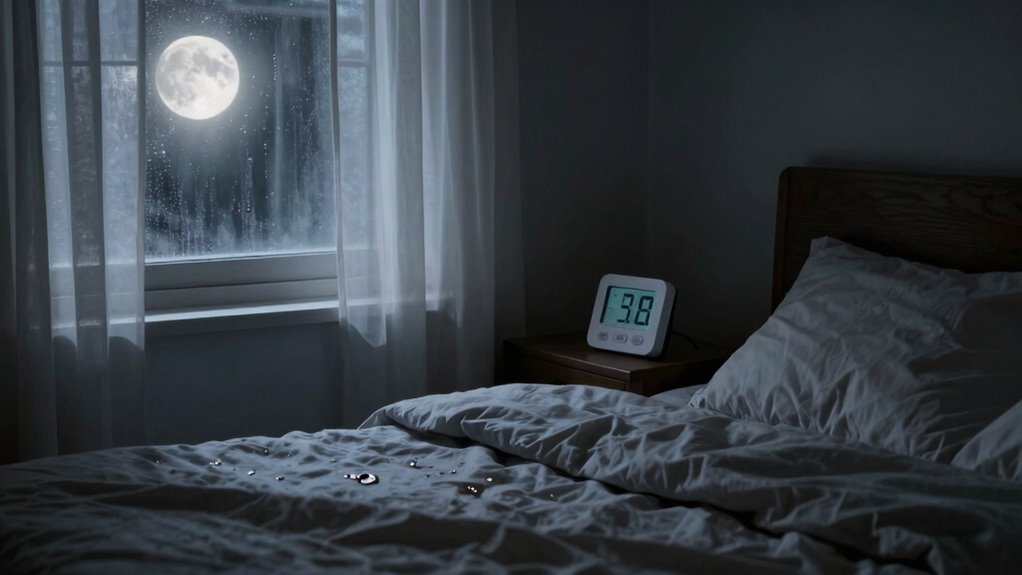

Poor humidity levels in your master bedroom can ruin great sleep by causing discomfort, respiratory issues, and mold growth. Too dry air can irritate your nose and throat, making it harder to breathe comfortably, while excess moisture promotes dust mites and mold, which can trigger allergies and worsen health problems. Maintaining the right humidity creates a more comfortable, healthier sleep environment. Keep going to discover how proper humidity control can transform your nights and protect your well-being.

Get the latest gadgets delivered free — and shop member deals
- Fast, free delivery on millions of items
- Access to Prime Big Deal Days deals on October 6–7
- Prime Video, Amazon Music and more included
Key Takeaways
- Excess humidity promotes mold growth and dust mites, irritating respiratory systems and disrupting sleep quality.
- Overly humid air makes the room feel warmer, leading to sweating and discomfort during sleep.
- Low humidity causes dry air, nasal congestion, and skin cracking, affecting sleep comfort and breathing.
- Imbalanced humidity increases static electricity and skin irritation, disturbing restful sleep.
- Poor humidity control fosters mold and bacteria, negatively impacting health and sleep environment.
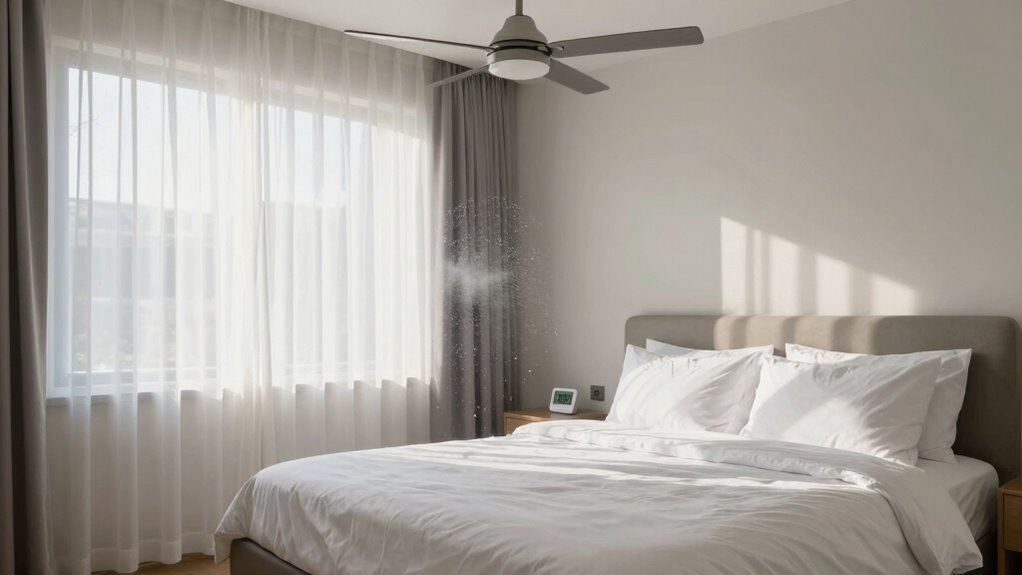
Maintaining the right humidity level in your master bedroom is essential for a good night’s sleep. When humidity is too high or too low, it can directly impact your sleep quality by affecting air quality and temperature control. If the air feels damp, it often means excess moisture in the room, which can lead to mold growth and dust mites. These allergens can irritate your respiratory system, making it harder to breathe comfortably and disrupting your sleep cycle. Conversely, if the air is too dry, your nasal passages and throat can become dry and irritated, which can cause discomfort and frequent awakenings during the night. Proper humidity balances these factors, improving overall air quality and creating a more comfortable sleeping environment. Maintaining optimal humidity also helps prevent static electricity and cracked skin, which can otherwise disturb your rest.
Proper humidity levels enhance sleep quality by balancing air and temperature for a more comfortable, restful night.
Temperature control is closely linked to humidity levels. When the air is overly humid, it retains heat more effectively, making the room feel warmer than it actually is. This can cause you to sweat and toss and turn, preventing restful sleep. On the other hand, low humidity often makes the room feel cooler, which might seem beneficial but can lead to a chill that makes it difficult to stay cozy. Maintaining ideal humidity helps stabilize the temperature, making it easier for your body to regulate its internal temperature. This balance ensures you don’t wake up feeling too hot or too cold, and it promotes deeper, more restorative sleep. Additionally, humidity regulation plays a critical role in preventing the growth of mold and bacteria that thrive in imbalanced environments. Proper humidity levels also support your immune system by reducing the likelihood of allergen buildup in your sleeping space.
Your body’s ability to breathe comfortably while sleeping depends considerably on air quality. Poor humidity levels contribute to stale, stuffy air or overly dry conditions, both of which can lead to congestion, snoring, or even respiratory issues. When your bedroom has the right humidity, the air feels fresher and cleaner, reducing the likelihood of waking up congested or with a sore throat. This enhances your overall sleep quality because you’re less likely to be disturbed by breathing difficulties or discomfort caused by dry air. It’s also important to note that air quality directly impacts your respiratory health, especially during sleep.
Inadequate humidity control can also cause other issues, such as static electricity or cracked skin, which further disturb your rest. Investing in a good humidifier or dehumidifier helps you maintain the ideal humidity level, maximizing air quality and temperature control. When these elements are properly managed, your sleep environment becomes more inviting, allowing you to fall asleep faster and stay asleep longer. So, don’t overlook the importance of humidity—getting it right can make all the difference in achieving truly restful, rejuvenating sleep in your master bedroom. Proper humidity management is vital for creating an optimal sleep environment.
As an affiliate, we earn on qualifying purchases.
Frequently Asked Questions
Can Humidity Levels Affect Sleep Quality Differently for Different Ages?
Yes, humidity levels can affect your sleep differently at various ages. Age-related respiratory sensitivities mean older adults might struggle with dry or overly humid air, disrupting breathing and sleep. For younger people, humidity influences sleep cycles by impacting comfort and temperature regulation. Maintaining ideal humidity helps support healthy sleep for all ages, but individual sensitivities mean adjusting levels is especially important for seniors or those with respiratory issues.
What Is the Ideal Humidity Range for a Master Bedroom?
The ideal humidity range for your master bedroom is between 40-60%. Maintaining this range supports *best* air quality and helps regulate temperature control, preventing stuffiness or dryness that can disrupt sleep. When humidity is too high, mold and dust mites thrive, affecting air quality. Too low, and your skin and respiratory system suffer. Use a humidifier or dehumidifier to keep levels balanced for better sleep and overall comfort.
How Quickly Can Humidity Changes Impact Sleep Patterns?
Humidity changes can impact your sleep within minutes, as your body struggles to adapt to sudden climate shifts. Rapid climate adaptation becomes harder when humidity levels fluctuate, leading to sleep disruptions like tossing and turning or difficulty falling asleep. Even slight changes outside the ideal range can disturb your sleep cycle, making it essential to maintain consistent humidity to promote restful, uninterrupted sleep and avoid the negative effects of climate-induced sleep disruption.
Are There Specific Signs Indicating Humidity Issues in the Bedroom?
Think of your bedroom like a vintage film projector—if humidity’s too high, airborne mold can develop, making the air feel damp and musty. Signs include musty odors, persistent allergies, or mold spots on walls. You might notice your bedding feels clammy or uncomfortable, disrupting sleep. If these signs show up, it’s a clear cue to check humidity levels and improve airflow to restore bedding comfort and prevent mold growth.
Can Using a Humidifier or Dehumidifier Improve Sleep?
Yes, using a humidifier or dehumidifier can improve your sleep environment by optimizing air quality. If your bedroom feels too dry, a humidifier adds moisture, helping you breathe easier and reducing throat irritation. Conversely, a dehumidifier removes excess moisture, preventing mold and allergies. Both devices create a balanced sleep environment, promoting better rest and overall comfort during the night.
Conclusion
In the end, maintaining the right humidity in your master bedroom is key to a restful night’s sleep. Too much moisture can lead to discomfort and health issues, while too little can cause dryness and irritation. Remember, a dry bed is a happy bed, but too dry can be just as problematic. Keep your environment balanced, and you’ll find that good sleep becomes much easier. After all, a stitch in time saves nine—address humidity issues before they disrupt your sleep.
Fall Picks
fall essentials
As an affiliate, we earn on qualifying purchases.