Zone 2 cardio involves exercising at about 60-70% of your max heart rate, which helps you build a solid endurance foundation. During this moderate effort, you can maintain a conversation easily and focus on improving your aerobic capacity. It boosts your stamina, strengthens your heart and lungs, and enhances fat-burning for long-term health. Keep going, and you’ll discover how to optimize your workouts for even better endurance and performance.
Key Takeaways
- Zone 2 cardio enhances aerobic capacity by training at 60-70% max heart rate, promoting sustainable endurance development.
- It improves fat-burning efficiency and cardiovascular health, laying a solid foundation for longer, more intense workouts.
- Incorporating interval training with Zone 2 boosts aerobic capacity faster and keeps workouts engaging.
- Regular Zone 2 sessions strengthen the heart and lungs, increasing stamina and reducing fatigue over time.
- Tracking progress with data helps optimize training, ensuring consistent endurance improvements and safe progression.

Zone 2 cardio refers to exercise performed at a moderate intensity where your heart rate is about 60-70% of its maximum. This level of effort feels sustainable, allowing you to hold a conversation without gasping for air. It’s the foundation of building endurance and improving your overall aerobic capacity. When you focus on Zone 2 training, you’re engaging your body in a way that enhances your ability to sustain activity over longer periods, which is essential for endurance athletes and anyone looking to boost their cardiovascular health.
One of the most effective ways to maximize your Zone 2 workouts is through interval training. Instead of maintaining a steady pace for hours, you can alternate between periods of moderate effort and short bursts of higher intensity. For example, you might cycle or run at Zone 2 for a few minutes, then push into a slightly higher zone for 30 seconds to a minute, before dropping back to Zone 2. This approach keeps your workout engaging and challenges your cardiovascular system in different ways, ultimately helping to increase your aerobic capacity faster than steady-state exercise alone.
Focusing on aerobic capacity during Zone 2 training means you’re training your body’s ability to efficiently use oxygen. As you consistently perform moderate intensity workouts, your heart becomes stronger, your lungs improve their efficiency, and your muscles adapt to better utilize oxygen. Over time, this leads to increased stamina, allowing you to perform longer sessions with less fatigue. It also improves fat-burning efficiency, which is fundamental for endurance sports and weight management. Additionally, AI security technologies can support your training data analysis, ensuring your progress is accurately tracked and optimized.
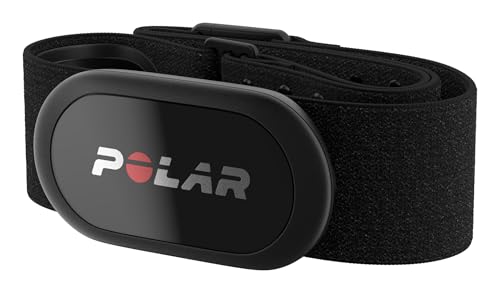
Polar H10 Heart Rate Monitor Chest Strap – ANT + Bluetooth, Waterproof HR Sensor for Men and Women, Black, M-XXL
- Compatibility: Works with all HRM-compatible devices
- Accuracy: Highly accurate heart rate measurement
- Connectivity: Bluetooth, ANT+, and 5 kHz options
As an affiliate, we earn on qualifying purchases.
As an affiliate, we earn on qualifying purchases.
Frequently Asked Questions
How Long Should I Stay in Zone 2 During Each Session?
You should aim to stay in Zone 2 for about 30 to 60 minutes per session, depending on your fitness level and goals. For ideal results, follow consistent session frequency, ideally 3 to 5 times a week. Gradually increase your duration as your endurance improves, ensuring you maintain a steady, sustainable effort. Listening to your body is key to avoiding overtraining and maximizing the benefits of Zone 2 cardio.
Can Beginners Safely Perform Zone 2 Cardio?
Jumping into Zone 2 cardio is as safe as a gentle breeze for beginners, provided you follow a gradual progression. You should start with shorter sessions and slowly increase duration as your fitness improves. Prioritize beginner safety by listening to your body and avoiding overexertion. With patience and consistency, you’ll build a solid endurance base without risking injury or burnout.
How Does Zone 2 Training Differ From Other Cardio Zones?
Zone 2 training focuses on moderate effort, helping you burn fat efficiently and improve aerobic efficiency. Unlike higher zones that push you to near maximum, Zone 2 keeps you comfortable, allowing sustained activity. This makes it ideal for building an endurance base. You’ll notice better fat burning and increased stamina over time, making it a smart choice for steady, effective cardio that enhances your overall fitness without overexertion.
What Are Common Signs I’m in Zone 2 Accurately?
You can tell you’re in zone 2 accurately if your heart rate monitoring shows you’re around 60-70% of your maximum heart rate, near your aerobic threshold. You should feel like you’re working, but still capable of holding a conversation comfortably. If your breathing is steady and your fatigue stays manageable, you’re likely in the right zone. Consistent monitoring helps confirm you’re building endurance effectively without overexerting.
How Often Should I Incorporate Zone 2 Into My Routine?
You should incorporate zone 2 cardio 3 to 5 times a week for ideal endurance gains. Studies show consistent training boosts mitochondrial density and fat metabolism. Keep your training frequency balanced with proper recovery strategies, like rest days and active recovery, to prevent overtraining. This approach helps you build stamina steadily without risking burnout, ensuring long-term progress and better overall fitness.
Conclusion
Think of Zone 2 cardio as planting seeds in your endurance garden; with consistent effort, those tiny sprouts grow into mighty trees of stamina. Every workout layers strength beneath your skin, turning your body into a well-oiled machine ready to conquer hills and sprints alike. Embrace this steady rhythm, and soon you’ll find your energy flowing like a river, unstoppable and enduring. Keep watering your progress, and watch your fitness bloom into something truly remarkable.