
🔍 Read the full analysis: Why Fans Question AI’s Role In Music After The Digital Ozzy Row on ThorstenMeyerAI.com

Get the latest gadgets delivered free with Prime
- Fast, free delivery on millions of items
- Prime Video, Amazon Music and more included
- Member-only deals all year
TL;DR
A planned interactive Ozzy Osbourne avatar drew backlash despite the family’s involvement, and Jack Osbourne later said the reaction was his own fault. In the same week, a VFX artist alleged that an A$AP Rocky video reused his footage through AI, while an openly labeled AI-made Odyssey drew criticism for its execution. The cases point to unresolved questions about consent, credit and creative quality.
Backlash over a planned interactive Ozzy Osbourne avatar and an unanswered allegation that AI was used to alter a VFX artist’s footage in an A$AP Rocky music video have put consent and credit at the center of a wider entertainment debate. The incidents, alongside criticism of an openly labeled AI-made Odyssey project and a warning from Jay-Z, show that public reactions vary by case; they do not establish a single consensus about AI in music.
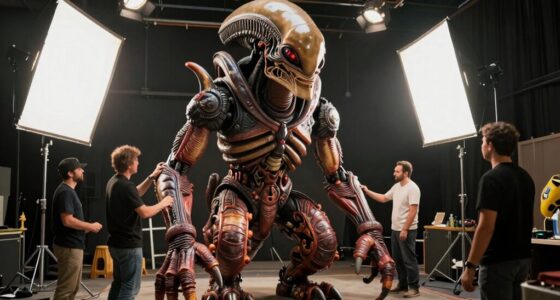
On October 21, Jack Osbourne said on the Great Company podcast that the backlash to the planned “Digital Ozzy” project was “my own fault.” The project was announced in May by Sharon and Jack Osbourne with Hyperreal and Proto Hologram. Jack had described building the late singer’s “digital DNA” and suggested the avatar could be placed into commercial templates. He later said he had not been properly prepared to explain the plan and that people believed it meant Ozzy would be used to sell products.
Separately, VFX artist Cache Bunny alleges that a shot in Rocky’s “Shroom Clouds” video, released October 19, uses his 2019 footage altered with AI and Rocky’s image. AI artists are listed in the video credits, but that does not resolve the specific allegation. The source report said no response from Rocky’s representatives had been published by October 26. The claim remains unverified in the material provided.
On October 23, xAI’s Grok Imagine account posted a roughly seven-minute video titled “Episode 1” of an Odyssey series, following Elon Musk’s July promise of a full-length AI-made version. TechCrunch reviewer Anthony Ha said some moments looked like real actors at sea but described the clip overall as “completely airless.” On October 24, Jay-Z told a SoFi Stadium audience to “question everything in this world of AI.”
Consent, Credit and Creative Trust
The incidents raise different questions that can be blurred together when audiences debate AI. The Ozzy project involved the family’s approval, according to the announcement, yet Jack’s later account indicates that consent alone did not settle public concerns about how the avatar might be commercialized. The Rocky dispute, by contrast, concerns an allegation of using another creator’s footage; it is not a confirmed finding of infringement.
The Odyssey response adds another dimension: disclosure does not guarantee approval. The clip was presented as an AI project, but the cited review criticized its creative effect. These distinctions matter to artists, audiences and rights holders deciding how to use AI, credit source material and communicate commercial plans. The available examples are not a formal survey of fan opinion, so they cannot show how widespread any particular view is.
For music and entertainment businesses, the practical stakes include public trust, control over an artist’s likeness and disputes over attribution. A project can be authorized by an estate and still prompt questions about presentation; an AI-assisted work can also raise separate concerns about whether the underlying material was licensed or credited. Those questions need evidence and case-specific answers.
Products Worth Considering

Apple iPad Air 11-inch (M2), 512GB, Wi-Fi, Space Gray

Samsung 27-inch Odyssey OLED G6 QD-OLED QHD Gaming Monitor

Jackery Explorer 2000 v2 Portable Power Station with Two 200W Solar Panels
As an affiliate, we earn on qualifying purchases.
A Week of AI Entertainment Disputes
The Digital Ozzy plan was announced on May 20, 2026, at Licensing Expo in Las Vegas. Sharon and Jack Osbourne said Hyperreal and Proto Hologram were developing an interactive avatar using Ozzy’s voice, image and movement. Hyperreal’s CEO said the elements were curated and controlled by the family. The planned late-summer appearance in Proto Luma units in the UK and US had not taken place by the report’s publication, according to the source material.
Other examples show why not all uses are being received alike. The source report cites the Beatles’ “Now and Then,” which used machine learning to clean up a John Lennon demo and won a Grammy, and Randy Travis’s AI-assisted comeback song, developed with his and his family’s involvement. Those examples do not settle the disputes over Ozzy’s avatar or Rocky’s video, but they underline the importance of artist involvement and clear permissions.
The source also says the EU AI Act’s requirement for deployers to disclose deepfakes took effect on August 2, 2026, with a lighter, non-intrusive duty for evidently artistic work. Separately, it reports that Elvis Presley rightsholders sued Anthropic over 274 songs; that is an allegation in a complaint, not a court finding. The legal and regulatory developments form part of the backdrop, but they do not decide the facts in the entertainment cases described here.
““The backlash, it was my own fault.””
— Jack Osbourne, speaking on the Great Company podcast
Unanswered Rights and Release Questions
The source material does not establish whether the “Shroom Clouds” shot used Cache Bunny’s 2019 footage, whether the artist or rights holder authorized it, or how Rocky’s team would respond. The allegation should not be treated as a confirmed finding. It also remains unclear when, or whether, the Digital Ozzy avatar will be released, and what specific limits would govern its use in commercial templates.
The Grok Imagine post was described as “Episode 1,” but the source does not confirm a release schedule for a full-length version or whether the July promise of a historically accurate film will be fulfilled. Nor do the cited examples quantify public opinion: reviews, statements and online backlash are evidence of reactions in particular cases, not proof that fans broadly accept or reject AI in entertainment.
Responses and Avatar Plans
Further clarification from Rocky’s representatives or the video’s creators could help establish whether the footage allegation is disputed and what permissions or credits were involved. The Ozzy project’s next concrete milestone would be a confirmed release plan, including how the family and partners intend to control the avatar’s uses. The source report says the expected late-summer debut had not occurred by October 26.
For Grok Imagine, a later episode or a fuller film could show whether the project develops beyond the seven-minute installment. In the meantime, the key questions remain practical: who authorized the work, what source material it used, how creators are credited, and how clearly audiences are told what they are seeing.
Key Questions
What is the Digital Ozzy project?
It is a planned interactive avatar using Ozzy Osbourne’s voice, image and movement, announced by Sharon and Jack Osbourne with Hyperreal and Proto Hologram. The source report said its expected late-summer debut had not taken place by October 26, 2026.
Did the Osbourne family approve the avatar?
The project was announced by Ozzy’s family, and Hyperreal’s CEO said the material was curated and controlled by them. The family’s involvement did not prevent backlash over how the avatar might be used commercially.
What is alleged about A$AP Rocky’s “Shroom Clouds” video?
VFX artist Cache Bunny alleges that a shot in the video uses his 2019 footage altered with AI and Rocky’s image. The allegation was unanswered in the source report and is not established as fact.
Was the AI-made Odyssey presented as a real film?
No. Grok Imagine’s account posted it as an episode of an Odyssey series and identified it as a creative collaboration. A cited TechCrunch review criticized its execution; the clip’s disclosure did not mean reviewers approved of its quality.
What remains to be confirmed?
The footage allegation’s factual and rights basis, any response from Rocky’s representatives, and the release and usage terms for the Ozzy avatar remain unclear in the supplied reporting. The source also does not confirm whether a full-length Grok Imagine Odyssey will be released.
Source: ThorstenMeyerAI.com