
When choosing soundtracks for major films and series, you’ll want to take into account how the music enhances the story, evokes emotion, and fits the tone. This involves selecting either licensed tracks or original compositions that support key scenes and character development. You’ll also need to work with composers or music supervisors to guarantee the style aligns with your vision, manage legal clearances, and balance practical constraints like budget and schedule. Keep exploring to discover how all these elements come together seamlessly.
Key Takeaways
- Directors and producers select a soundtrack style that aligns with the film’s tone and emotional goals.
- Composers or music supervisors review portfolios and demos to find a suitable musical team.
- Legal clearance and licensing are secured for existing tracks or original compositions.
- The composer collaborates closely with the creative team to create themes and scene-specific cues.
- Practical constraints like budget, schedule, and licensing are balanced with artistic vision.
Soundtracks play a critical role in shaping the emotional impact of films and series, often becoming as memorable as the story itself. When it comes to selecting the right music, the process involves careful consideration of how each piece complements the narrative, intensifies emotions, and enhances the viewer’s experience. One of the first steps is understanding the importance of music licensing. You need to guarantee that any music used is legally cleared, which involves negotiating licensing agreements that grant rights for specific uses. This step is essential because it protects the production from legal issues and guarantees that the chosen tracks can be integrated seamlessly into the film or series without future complications. Additionally, understanding the legal landscape of music licensing helps ensure that all rights are properly secured from the outset. Proper licensing also involves knowledge of rights management, which is crucial for avoiding disputes over music usage. Being aware of these legal considerations can also influence decisions about whether to commission original compositions or license existing tracks. Recognizing the legal requirements early in the process can prevent costly delays or rework later in production.
Ensuring music licensing is essential to legally and seamlessly enhance your film or series’s emotional impact.
Once licensing is sorted, the focus shifts to choosing a composer or musical team that aligns with the project’s vision. The selection process for a composer is deliberate and strategic. You look for individuals whose style and previous work resonate with the tone of your story. For a dark, suspenseful thriller, you might seek a composer known for atmospheric, tension-building scores. Conversely, for a lighthearted comedy, a composer with a knack for lively, upbeat melodies might be ideal. You often review portfolios, listen to demos, and meet with potential composers to gauge how well they understand your project’s emotional and narrative needs. This careful selection ensures that the music will authentically reflect the intended mood and atmosphere of the production.
The composer’s role is pivotal because they craft original music tailored specifically for your film or series. This involves working closely with directors, producers, and editors to develop themes and motifs that reinforce character arcs or key moments. During this process, you may collaborate on deciding where music should swell, fade, or subtly underscore a scene, ensuring that the soundtrack enhances the storytelling without overwhelming it. The composer also considers the overall mood and cultural context, selecting instruments or styles that evoke the right emotional response. Their expertise in music composition is fundamental to creating a cohesive and impactful soundtrack.
Throughout this process, balancing creative vision with practical constraints is essential. You’ll need to guarantee the composer’s schedule aligns with production timelines and that the budget supports both licensing existing tracks and commissioning original compositions. Ultimately, the combination of thorough music licensing and careful composer selection guarantees that the soundtrack not only elevates your film or series but also leaves a lasting impression on the audience. By paying attention to these details, you guarantee the soundtrack becomes an integral part of your storytelling, resonating long after the credits roll.
![MixPad Free Multitrack Recording Studio and Music Mixing Software [Download]](https://m.media-amazon.com/images/I/71ltIxIuz1L._SL500_.jpg)
MixPad Free Multitrack Recording Studio and Music Mixing Software [Download]
Create a mix using audio, music and voice tracks and recordings.
As an affiliate, we earn on qualifying purchases.
As an affiliate, we earn on qualifying purchases.
Frequently Asked Questions
How Do Composers Collaborate With Directors During Soundtrack Selection?
You collaborate closely with directors by discussing the film’s tone and story to develop musical motifs that enhance emotional impact. You share ideas, drafts, and revisions to maintain thematic consistency throughout the project. By actively communicating and adapting, you guarantee the soundtrack complements key scenes and character arcs, creating a cohesive emotional experience. This partnership helps craft a soundtrack that resonates with viewers and elevates the overall storytelling.
What Role Does Budget Play in Choosing a Soundtrack?
Imagine you’re in the director’s chair, and your budget’s tight—like a vintage vinyl collection only. Budget constraints heavily influence soundtrack choices, especially licensing costs. You might opt for lesser-known tracks or original compositions, avoiding pricey rights. You balance artistic vision with financial limits, ensuring the soundtrack enhances the story without breaking the bank. Ultimately, your budget shapes the musical landscape, making smart choices essential for a successful film or series.
How Are Licensing Rights Negotiated for Popular Songs?
You negotiate licensing rights by working with music licensing agencies or directly contacting rights holders for popular songs. You discuss terms like fee amounts, usage scope, and duration, ensuring clear agreements. Song clearance is essential to confirm you have legal rights to use the music. This process involves detailed contracts that specify licensing rights, helping you avoid legal issues and ensuring the song is properly licensed for your film or series.
How Do Soundtracks Influence Audience Emotional Response?
Imagine a scene from the 19th century—soundtracks still influence your emotional response today. You feel heightened emotional resonance when music aligns perfectly with visuals, deepening your connection. This enhances audience engagement by evoking feelings like joy, fear, or nostalgia. Well-chosen soundtracks serve as emotional cues, guiding your reactions and making scenes more memorable, ensuring you stay emotionally invested throughout the film or series.
What Are the Trends Shaping Soundtrack Choices Today?
Today, you see trendsetters blending genres and drawing from diverse cultural influences to craft soundtracks. Genre fusion creates fresh, unexpected musical landscapes that resonate with modern audiences, while cultural influences add authenticity and depth. You notice filmmakers increasingly selecting music that reflects global sounds or hybrid styles, making the soundtrack more immersive and relatable. These trends help evoke specific emotions and enhance storytelling, connecting viewers more deeply to the narrative.
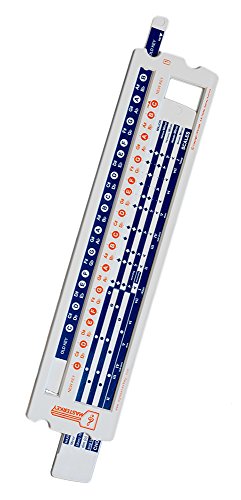
MasterKey – The Finest Music Transposing Tool. Easily Transpose Notes and Chords to Any Key with No Mistakes!
Join the Fun! MasterKey takes the mystery out of music theory!
As an affiliate, we earn on qualifying purchases.
As an affiliate, we earn on qualifying purchases.
Conclusion
Think of selecting a soundtrack like planting a garden. Each song is a seed, carefully chosen to grow into a vibrant part of the story’s landscape. When done right, the music blooms and weaves seamlessly into the narrative, enriching every scene. Your favorite film or series becomes a lush, immersive world—alive with sound. So, next time you watch, remember the musical gardener behind the scenes, nurturing the perfect harmony to bring the story to life.

Complete Guide to Film Scoring – The Art and Business of Writing Music for Movies and TV | Berklee Guide for Composers and Songwriters | Learn Film Composition, Royalties and Contracts
Pages: 424
As an affiliate, we earn on qualifying purchases.
As an affiliate, we earn on qualifying purchases.
![WavePad Audio Editing Software - Professional Audio and Music Editor for Anyone [Download]](https://m.media-amazon.com/images/I/B1fcLEGCs6S._SL500_.png)
WavePad Audio Editing Software – Professional Audio and Music Editor for Anyone [Download]
Full-featured professional audio and music editor that lets you record and edit music, voice and other audio recordings
As an affiliate, we earn on qualifying purchases.
As an affiliate, we earn on qualifying purchases.