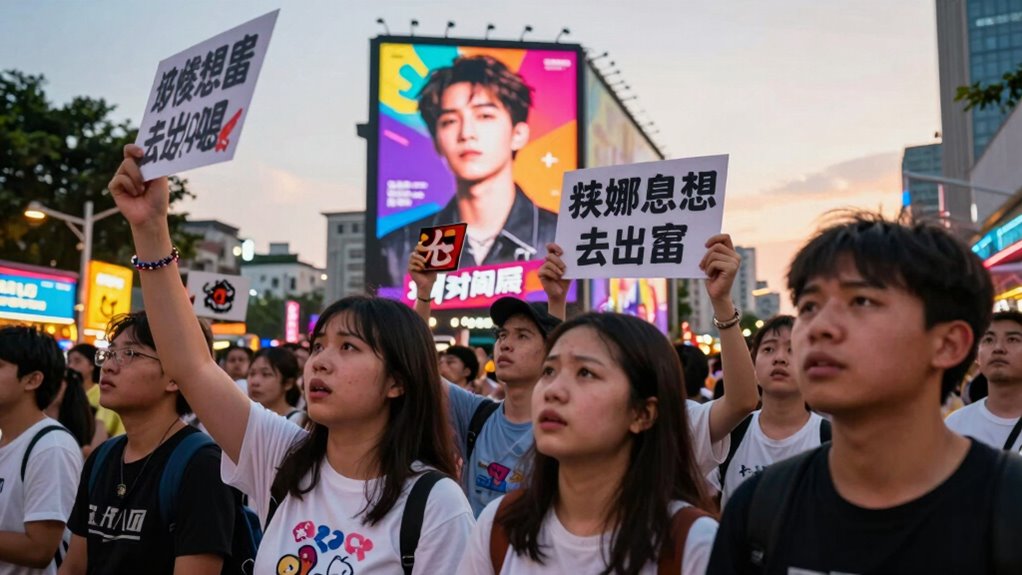

Fandom backlash can reshape your marketing campaign because fans feel a deep emotional connection and expect authenticity. When they perceive disrespect or misrepresentation, they become vocal critics, and this negative response can quickly damage your brand’s reputation. Ignoring fan input often leads to long-term alienation and mistrust, forcing brands to rethink their strategies entirely. If you want to understand how to navigate and even turn around backlash, there’s more to take into account.

Get the latest gadgets delivered free with Prime
- Fast, free delivery on millions of items
- Prime Video, Amazon Music and more included
- Member-only deals all year
Key Takeaways
- Fan backlash arises when campaigns disrespect or misrepresent the franchise, threatening emotional bonds and trust.
- Ignoring fan input or authentic fan culture can trigger negative buzz and long-term reputation damage.
- Disrespecting fans’ emotional investment shifts perception from support to criticism, affecting campaign success.
- Authenticity is crucial; inauthentic changes or exploitation can lead to widespread alienation and backlash.
- Managing fan loyalty with respect and engagement helps prevent backlash and can turn criticism into support.
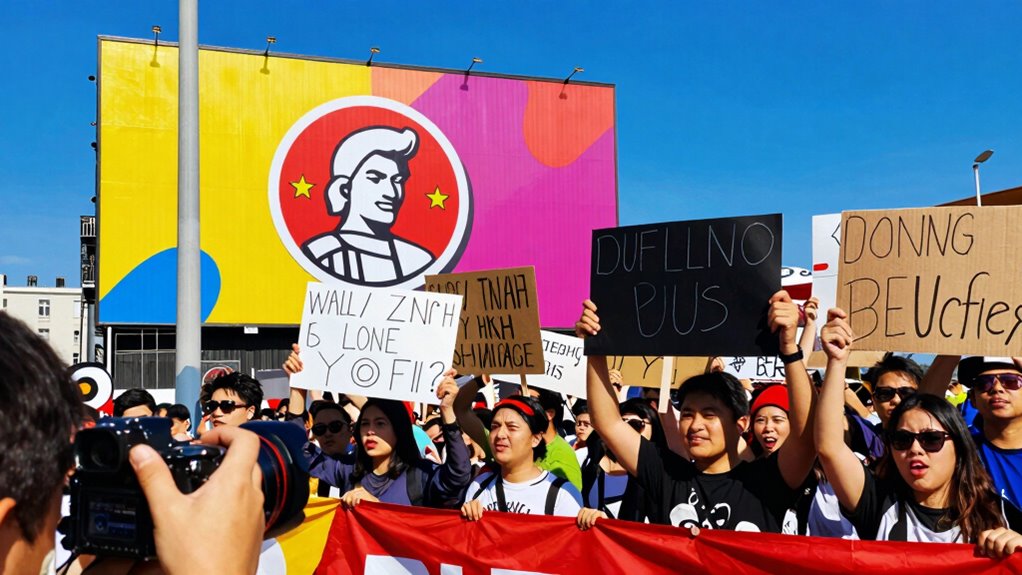
Have you ever wondered why some marketing campaigns spark intense backlash from fandom communities? It all comes down to the deep-rooted fan loyalty that runs strong within these groups. Fans don’t just enjoy a product or a franchise; they feel a personal connection to it. When a company launches a campaign that seems to disrespect or misrepresent their beloved franchise, it threatens that connection. Suddenly, what was once a source of joy turns into a battleground. The backlash isn’t just about one campaign—it’s about the perceived betrayal of something fans hold dear. This loyalty makes fans incredibly protective, and any perceived misstep can quickly escalate into vocal criticism.
Fan loyalty runs deep; disrespecting a beloved franchise can turn joy into fierce criticism and backlash.
When fans see a brand mishandling their favorite franchise or altering it in ways that feel inauthentic, their perception of the brand shifts. Instead of viewing the company positively, they start questioning its intentions and respect for the franchise. This shift can be swift and severe, turning once supportive fans into vocal critics. The brand perception takes a hit because fans feel their loyalty has been exploited or disregarded. They might accuse the company of prioritizing profits over authenticity or of not understanding the core of what makes the franchise special. Once this perception is damaged, it’s hard to repair, and the campaign’s original goals—like boosting sales or awareness—often backfire.
Backlash can serve as a wake-up call for brands, highlighting how delicate their relationship with fandom really is. If a campaign dismisses or trivializes fan input, it can reinforce the idea that the brand doesn’t respect or value its most passionate supporters. This can lead to widespread negative buzz, calls for boycotts, and even long-term damage to the franchise’s reputation. Conversely, brands that listen and engage with fans’ concerns can sometimes turn the tide, showing they value the community’s loyalty. But ignoring the emotional investment fans have in a franchise almost always risks alienating them, which can undo any short-term gains from a marketing push. Recognizing the importance of fan loyalty and nurturing it can help brands build trust and resilience against backlash.
Understanding the emotional investment fans have in a franchise is crucial for avoiding alienation. In addition, respecting fans’ perception of authenticity is vital to maintaining their trust and support. In the end, understanding the power of fan loyalty is crucial for any brand working with a fandom. A misstep might not just harm a single campaign but can reshape how fans perceive the entire brand. That perception influences future interactions, loyalty, and even the longevity of the franchise itself. So, if you’re involved in marketing for a beloved franchise, tread carefully. Respect the fans’ attachment and be authentic—because their loyalty can be a powerful ally or a formidable obstacle.
As an affiliate, we earn on qualifying purchases.
Frequently Asked Questions
How Do Companies Measure the Impact of Fandom Backlash?
You measure the impact of fandom backlash through sentiment analysis and social listening tools. Sentiment analysis helps you gauge whether reactions are positive, negative, or neutral by analyzing comments and reviews. Social listening enables you to monitor conversations across social media platforms in real-time, identifying shifts in fan sentiment and engagement. Combining these methods provides a clear picture of how backlash influences your brand perception and guides your response strategies.
What Are Common Mistakes Brands Make During Fan Backlash?
You think ignoring fan engagement or pretending to be authentic is harmless? Think again. Brands often mistake silence for strength or push poor apologies, damaging their reputation. Not listening to fans or dismissing their concerns can spark backlash faster than you can say “brand authenticity.” Remember, fans value transparency and genuine engagement—so avoid these mistakes, or you’ll find your campaign’s credibility crumbling under the weight of angry fandom.
Can Fandom Backlash Ever Be Beneficial for a Brand?
Fandom backlash can sometimes be beneficial for your brand if handled correctly. When you respond authentically, you can strengthen fan loyalty and demonstrate that you value their opinions. This openness can positively reshape brand perception, turning criticism into an opportunity for growth. Embracing feedback shows you’re committed to improvement, which ultimately fosters trust and deepens the connection between your brand and its passionate community.
How Quickly Should a Brand Respond to a Backlash?
Think of social media as a wildfire—spread quickly but manageable with swift action. You should respond to backlash within hours, not days, to contain the flames. In crisis management, promptness is your shield, diffusing anger before it engulfs your brand. The faster you act, the more control you have over the narrative. Delaying allows negative sentiments to grow, making recovery more difficult. So, stay alert and respond in real-time.
What Strategies Help Rebuild Trust After Backlash?
To rebuild trust after backlash, prioritize fan engagement and transparent crisis communication. You should listen actively to concerns, apologize sincerely, and show genuine commitment to change. Engaging fans through honest dialogues and updates demonstrates you’re valuing their feedback. Implementing these strategies helps mend relationships, rebuild loyalty, and restore your brand’s reputation. Consistent, open communication reassures fans that their voices matter and your brand is dedicated to improving.
Conclusion
You see, ignoring fandoms can backfire—over 70% of fans say they’re more likely to boycott a brand if they feel disrespected. When backlash hits, it’s a wake-up call for marketers to listen, adapt, and genuinely engage. Embracing fans’ voices not only repairs trust but can turn skeptics into loyal supporters. So, next time you plan a campaign, remember: respecting the fandom might just be your best marketing move.
Fall Picks
fall essentials
As an affiliate, we earn on qualifying purchases.