
Fan theories shape how you experience stories, blurring the lines between official canon and fan-created ideas. These theories influence story directions and foster discussions within fandoms. Creators sometimes embrace fan input, keeping franchises lively, but legal challenges arise when fan content infringes on copyright. As fans become active participants, the boundaries of storytelling and ownership evolve, impacting the business and culture around lore. Keep exploring to see how this dynamic continues to shift.
Key Takeaways
- Fan theories influence story development and can blur the lines between official canon and fan-created lore.
- The fluidity of canon allows for evolving interpretations but complicates legal rights and intellectual property boundaries.
- Creators sometimes embrace fan theories to boost engagement, though conflicts may arise over ownership and originality.
- Fan-generated content enhances a franchise’s cultural impact but raises legal challenges related to copyright and IP rights.
- Balancing creative freedom with legal protections is essential for sustaining fan engagement and the franchise’s long-term business health.

Fan theories have become a powerful force in shaping how audiences engage with stories, often blurring the lines between official canon and fan-created lore. When you immerse yourself in an active fandom, you’re part of an interactive community that doesn’t just passively consume content—you contribute to the ongoing conversation. These interactive fandoms thrive on speculation, debates, and shared interpretations, which can considerably influence how stories evolve over time. Creators sometimes embrace this dynamic, recognizing that fan theories can keep a franchise alive long after its initial run, but they also face challenges when fan ideas conflict with the original vision. This tug-of-war underscores the complex relationship between fan creativity and the control of intellectual property.
Fan theories shape stories, blurring canon and fan-created lore, fueling debates and evolving narratives over time.
In this ecosystem, the concept of canon becomes fluid. What is considered “official” can shift depending on popular fan theories or the direction a creator chooses to take in future installments. You might find yourself questioning whether a certain plot twist is truly part of the story or just a fan’s imaginative interpretation. Such fluidity can enrich the experience, allowing fans to feel more personally connected to the narrative, but it also complicates the legal landscape surrounding intellectual property. When fan theories gain enough traction, they can sometimes obscure the boundaries of copyright, raising questions about the ownership of story elements and the rights of creators versus the rights of fans. Additionally, the influence of fan theories can impact biodiversity when stories incorporate elements inspired by real-world ecosystems or conservation efforts. Recognizing the importance of intellectual property rights is crucial in navigating these complex interactions. Understanding how copyright law impacts fan-generated content can help fans and creators alike better understand their rights and responsibilities.
The business of lore hinges on this delicate balance. Intellectual property rights are a key concern for studios, publishers, and creators, as they seek to protect their original content while fostering fan engagement. When fans produce derivative works—like theories, fan fiction, or art—they contribute to the franchise’s cultural footprint but also open potential legal issues if those works infringe on copyrights. Conversely, some creators leverage fan theories and community engagement as a strategic tool, encouraging fans to speculate and share, which can boost popularity and longevity. This symbiotic relationship can be mutually beneficial but requires careful navigation to guarantee that fan contributions don’t undermine the creator’s control over their intellectual property. Furthermore, fan engagement strategies can influence how intellectual property is managed and protected, shaping future business models. Understanding the legal boundaries helps ensure that fan enthusiasm remains a positive force rather than a source of legal conflict.
Ultimately, your role as a fan in this landscape is evolving. You’re not just a passive observer but an active participant shaping the lore through your theories and interpretations. This engagement enriches the universe and keeps it vibrant, but it also highlights the importance of respecting intellectual property rights and understanding the boundaries between fan creativity and official storytelling. As the boundaries continue to blur, the future of storytelling depends on finding new ways to balance creative freedom with legal protections, ensuring that both creators and fans can thrive in this dynamic environment.
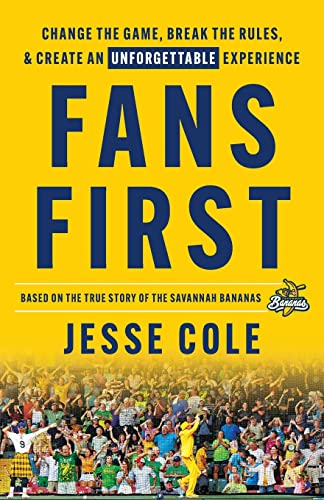
Fans First: Change The Game, Break the Rules & Create an Unforgettable Experience
As an affiliate, we earn on qualifying purchases.
As an affiliate, we earn on qualifying purchases.
Frequently Asked Questions
How Do Fan Theories Influence Official Storylines Over Time?
Fan theories can considerably influence official storylines over time by shaping fan consensus and inspiring creators. When fans passionately support a particular theory, creators might incorporate elements of it into future narratives, leading to narrative evolution. Your enthusiasm and ideas can push storylines in new directions, blurring the lines between fan speculation and official canon. This dynamic interaction keeps stories fresh, engaging, and continually evolving through audience influence.
Can Canon Changes Be Driven by Fan Reactions?
Yes, canon changes can be driven by fan reactions. Fan engagement often influences creators to contemplate creative reinterpretations that resonate with audiences. When fans passionately support or critique certain elements, it can lead to shifts in the storyline or character development. This dynamic interaction encourages creators to adapt canon, ensuring the story stays relevant and maintains a strong connection with its fanbase over time.
What Legal Issues Arise From Fan-Created Lore?
Fan-created lore can stir up a legal storm, as it touches the delicate dance of Intellectual Property rights. When you craft your stories, you risk infringing on the original creator’s rights, especially under Fan Copyright laws. Using characters, settings, or plots without permission may lead to lawsuits or takedown notices. Always respect the original work’s boundaries, or your passion could turn into a legal quagmire.
How Do Creators Balance Fan Theories With Their Original Vision?
You balance fan theories with your original vision by embracing fan engagement and maintaining narrative flexibility. You listen to your community’s ideas, which can inspire new directions, but stay true to your core story. By setting boundaries and being clear about what’s part of your canon, you foster a creative environment where fans feel valued without compromising your artistic intent. This balance keeps your world lively and authentic.
What Role Does Merchandise Play in Shaping Lore Legitimacy?
Merchandise influence profoundly shapes lore legitimacy by reinforcing key story elements and character identities. When fans buy and wear themed products, it fuels lore commercialization, making certain ideas feel more official or accepted. You might notice that popular merchandise helps cement specific lore details in fans’ minds, blurring the lines between official canon and fan interpretation. This dynamic keeps the story alive and constantly evolving through consumer engagement.

Secret Wars
As an affiliate, we earn on qualifying purchases.
As an affiliate, we earn on qualifying purchases.
Conclusion
So, as you navigate the tangled web of fan theories and official canon, remember that lore is like a river—ever flowing and shifting shape. Your interpretations are the stones you toss into its surface, creating ripples that redefine the current. In this dance between creator and fan, you hold the brush to paint your own piece of the story. Embrace the chaos; it’s where the most vibrant worlds are born.

Paint Brush Set Artist Fan Painting Brushes Wood Long Hands for Oil Acrylic Watercolor Ink Gouache Oil Painting, Canvas, Ceramics, Face Body Art and Crafts, Adults Painting Supplies
As an affiliate, we earn on qualifying purchases.
As an affiliate, we earn on qualifying purchases.

Dr. Seuss's Beginner Book Boxed Set Collection: The Cat in the Hat; One Fish Two Fish Red Fish Blue Fish; Green Eggs and Ham; Hop on Pop; Fox in Socks
5 beloved beginner books by Dr. Seuss will be cherished by young & old alike.
As an affiliate, we earn on qualifying purchases.
As an affiliate, we earn on qualifying purchases.