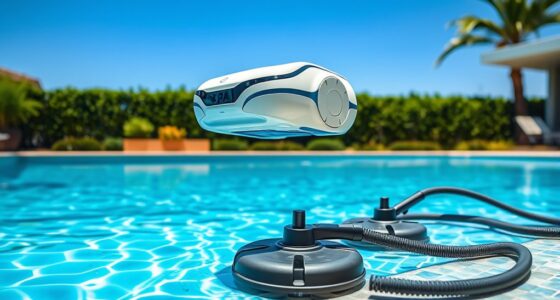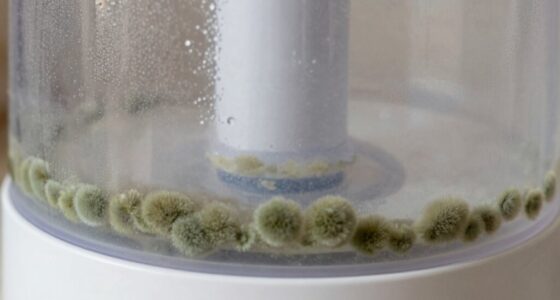
To clean and store your automatic pool cleaner properly, always disconnect it safely by turning off the power and unplugging it first. Remove debris, rinse filters and components thoroughly, then dry everything completely before storing in a cool, dry spot away from direct sunlight. Check for damage and keep cords untangled. Regular maintenance and the right storage extend its lifespan. Keep your cleaner in top shape with these helpful tips that you’ll find useful as you continue caring for it.

Get the latest gadgets delivered free — and shop member deals
- Fast, free delivery on millions of items
- Access to Prime Big Deal Days deals on October 6–7
- Prime Video, Amazon Music and more included
Key Takeaways
- Turn off power, unplug, and detach accessories carefully before cleaning or storing the cleaner.
- Regularly inspect and rinse filters, brushes, and hoses to prevent clogs and wear.
- Dry all parts thoroughly and store in a dry, shaded area away from direct sunlight.
- Drain and dry hoses and brushes, and disconnect batteries for extended storage.
- Keep cords untangled and store in a cool, dry place to extend the cleaner’s lifespan.
automatic pool cleaner filter replacement
As an affiliate, we earn on qualifying purchases.
As an affiliate, we earn on qualifying purchases.
Disconnecting Your Pool Cleaner Safely
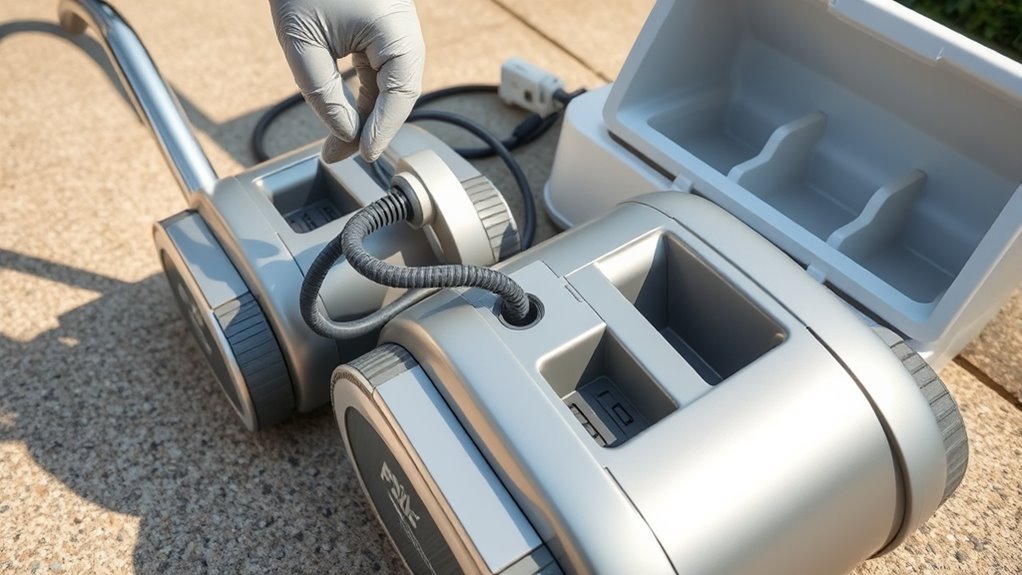
Before disconnecting your pool cleaner, always turn off the power supply to prevent any accidents. This step is vital, especially when dealing with various automatic pool cleaner brands. Make sure to unplug the power cord from the outlet, and avoid pulling on the cord itself to prevent damage. Check that the cleaner isn’t actively cleaning or in motion before disconnecting. If your cleaner uses pool cleaner accessories like brushes or hoses, detach them carefully to avoid breakage. Handling your equipment properly ensures longevity and safe storage later. Remember, each brand might have specific instructions, so consult the user manual if necessary. Proper maintenance and storage can also extend the lifespan of your automatic pool cleaner. Additionally, inspecting the components for wear and tear before storage can help identify any repairs needed for optimal performance later. Regular cleaning of filter components and understanding adjustments can improve efficiency and prolong the device’s life. Performing routine inspections can also help catch issues early and prevent costly repairs, especially regarding component durability.
Removing Debris and Cleaning the Filters
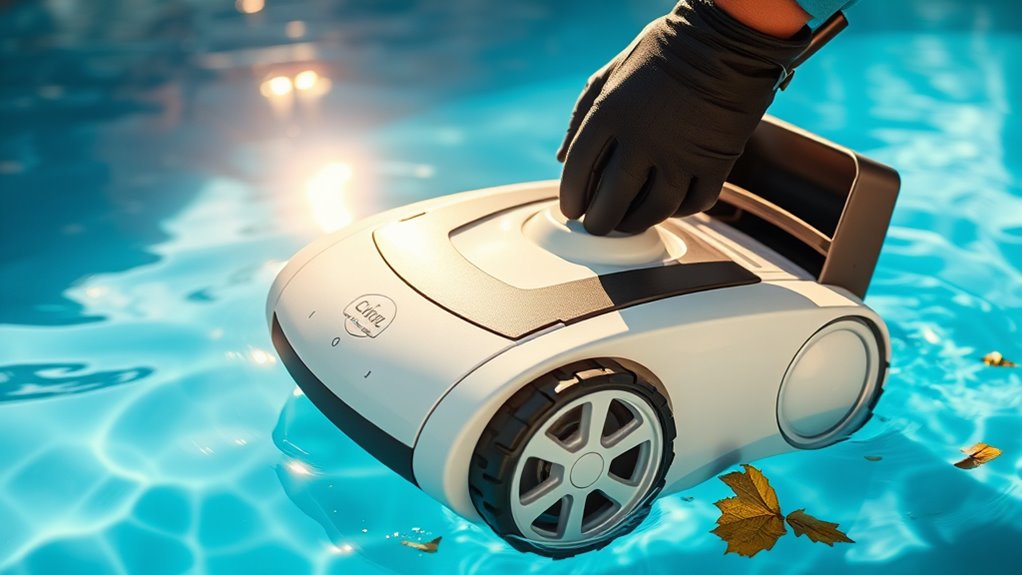
To keep your automatic pool cleaner functioning efficiently, you should regularly remove debris and clean its filters. Leaf accumulation is common, especially during peak seasons, so inspecting the filter basket or cartridge frequently is essential. Remove any debris, such as leaves, twigs, or dirt, to prevent clogging and guarantee ideal performance. During filter maintenance, rinse the filter thoroughly with a hose to remove dirt and debris, and use a brush if necessary to clean stubborn spots. Regular cleaning helps maintain proper water flow and prolongs your cleaner’s lifespan. Keep an eye on the filter’s condition, replacing it when worn out. Consistent filter maintenance ensures your pool cleaner works effectively, saving you time and preventing costly repairs.
Inspecting for Wear and Damage
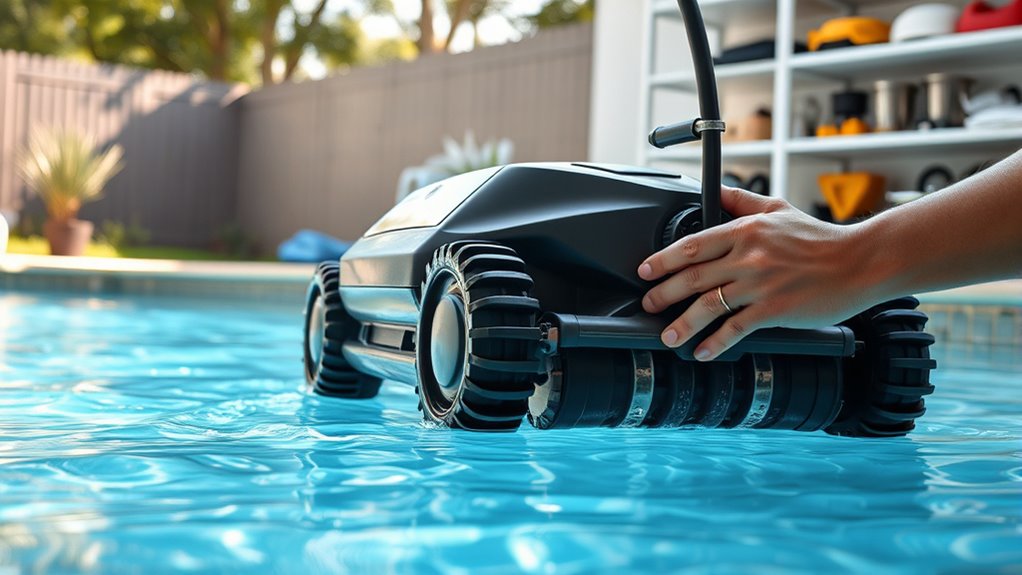
Regularly inspecting your automatic pool cleaner for wear and damage is crucial to guarantee peak performance. During wear inspection, check for cracks, tears, or thinning in the hoses, brushes, and belts. Look closely at the wheels and tracks for signs of excessive wear or missing parts. Conduct a damage assessment by examining the power cord for fraying or exposed wires, and ensure the brushes are securely attached and not bent or broken. Pay attention to the suction inlet and outlet for blockages or cracks. Addressing minor issues early prevents further damage and extends your cleaner’s lifespan. Additionally, inspecting the performance metrics regularly helps you identify problems before they escalate, ensuring your cleaner operates efficiently and reliably during every pool cleaning session. Monitoring the overall condition of your cleaner also helps maintain optimal cleaning results and prolongs its operational life, especially when considering the importance of safe and reliable operation in maintaining pool hygiene and safety. Conducting routine maintenance as recommended by the manufacturer can further help prevent unexpected failures and ensure your cleaner continues to perform optimally. Staying attentive to AI discoveries in related fields may inspire innovative solutions for future pool cleaning technology.
Rinsing and Drying All Components
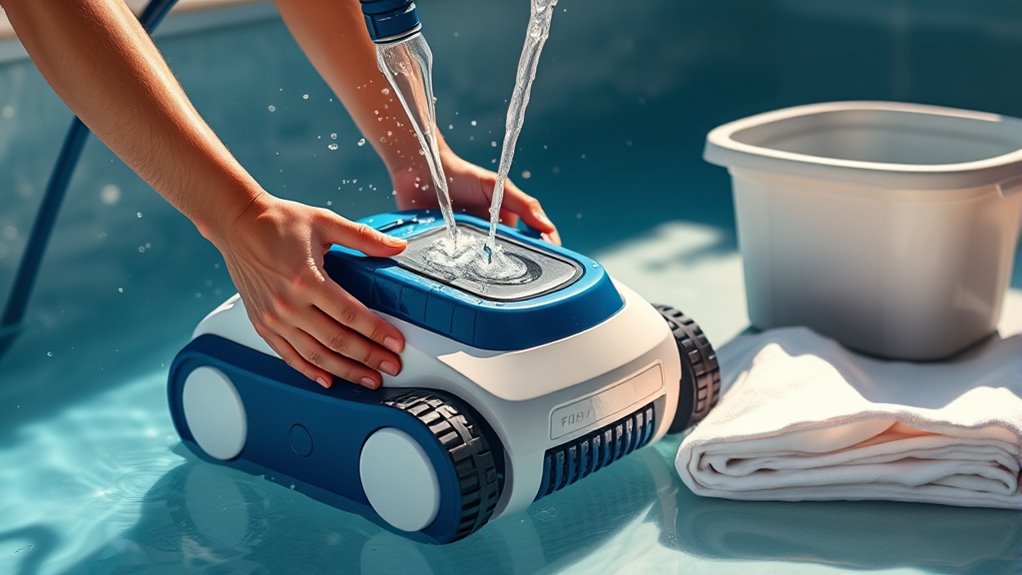
To keep your pool cleaner working smoothly, you need to rinse all components thoroughly to remove dirt and debris. Use gentle streams of water and pay attention to hard-to-reach areas to make certain everything is spotless. After rinsing, dry each part completely using a clean cloth or air drying to prevent rust and mold buildup. Regularly monitor for wear and tear on parts like brushes and hoses to ensure optimal performance. Additionally, understanding industry trends can help you stay updated on the best maintenance practices for your pool cleaner. Keeping an eye on filtration system improvements can also enhance cleaning efficiency and prolong the lifespan of your equipment. Staying informed about regional resources and local service options can also make repairs and replacements more accessible.
Thorough Rinsing Techniques
After removing your automatic pool cleaner from the pool, it’s essential to rinse all components thoroughly with clean water. This step guarantees you remove debris, residual chemicals, and dirt, promoting deep cleaning and extending your cleaner’s lifespan. Use a gentle stream of water to wash away any stubborn grime or algae. For best results, consider chemical rinsing if you notice buildup or odor. Pay attention to the brushes, tracks, and hoses, ensuring no debris remains. To make the process easier, follow these tips:
- Rinse all parts individually with a hose
- Use a soft brush for stubborn dirt
- Check for any chemical residue
- Ensure all components are free of debris before storage
- Remember that routine maintenance often emphasizes the importance of routine maintenance to ensure long-lasting performance.
- Incorporating proper cleaning techniques can further enhance the effectiveness of your maintenance routine.
- Regular rinsing and proper drying help prevent corrosion and buildup of mold or bacteria.
This thorough rinsing helps keep your cleaner in top shape, ready for the next use.
Proper Drying Methods
Once you’ve rinsed all parts of your pool cleaner, it’s crucial to dry each component thoroughly to prevent mold, corrosion, and mineral buildup. To guarantee proper moisture removal, wipe down parts with a clean, dry cloth or towel. Allow air circulation by leaving components in a well-ventilated area or using a fan to speed up drying. Pay special attention to small crevices and joints where moisture can hide. Avoid stacking parts or sealing them in containers before they’re completely dry, as trapped moisture can promote mold growth. Proper drying not only prolongs your cleaner’s lifespan but also keeps it in peak working condition. Additionally, inspecting components for signs of corrosion or damage can help identify potential issues before they worsen. Incorporating sound healing principles such as gentle vibrations during drying can enhance the removal of residual moisture from intricate parts. Ensuring all parts are completely dry before storage helps maintain the cleaner’s performance and longevity.
Storing in a Suitable Location
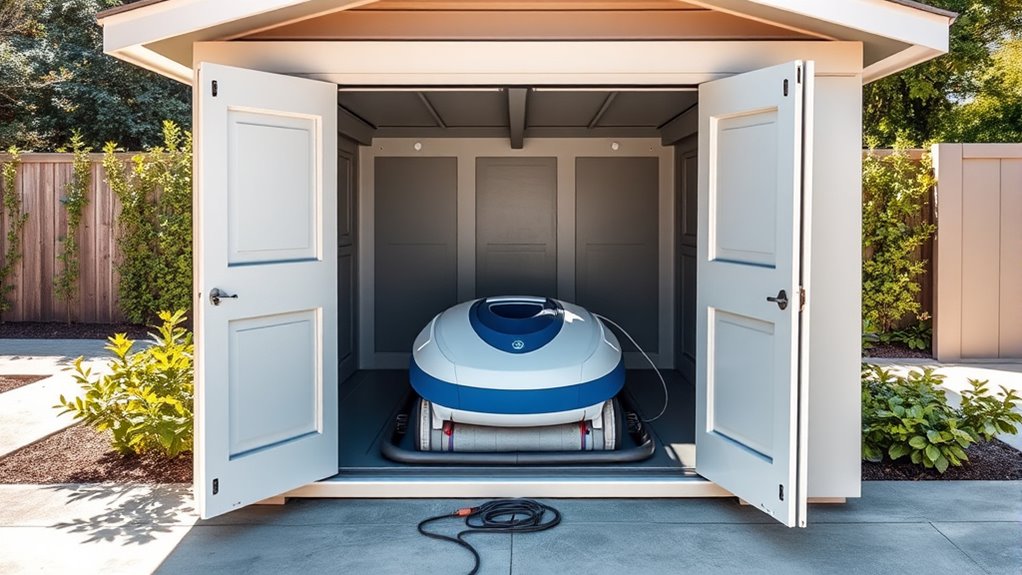
You need to store your pool cleaner in a dry place to prevent damage. Keep it out of direct sunlight to avoid deterioration of the components. Choosing the right spot guarantees your cleaner remains in good shape for next season.
Find a Dry Area
Finding a dry, sheltered spot is essential for storing your automatic pool cleaner properly. A good storage environment prevents moisture damage and prolongs its lifespan. Consider climate considerations; avoid areas prone to humidity or temperature fluctuations. Look for a space that stays consistently dry and well-ventilated.
Here are some tips:
- Choose a closet or shed with good airflow
- Keep it off the ground to prevent dampness
- Avoid areas near heaters or moisture sources
- Ensure the spot is free from dust and debris
Keep Away From Sunlight
Sunlight can cause damage to your automatic pool cleaner’s components and degrade its materials over time. UV damage from prolonged sun exposure weakens plastic parts and diminishes the cleaner’s lifespan. Heat exposure can also accelerate wear and cause internal components to malfunction. To keep your cleaner in top condition, store it in a shaded area away from direct sunlight. A cool, dry spot prevents unnecessary UV damage and reduces the risk of heat-related issues. Avoid leaving it outside or in exposed locations, especially during hot days. Instead, choose a storage space indoors or under a shaded cover. Proper storage not only extends the life of your cleaner but also ensures it operates effectively when you need it.
Properly Maintaining the Power Supply and Cords
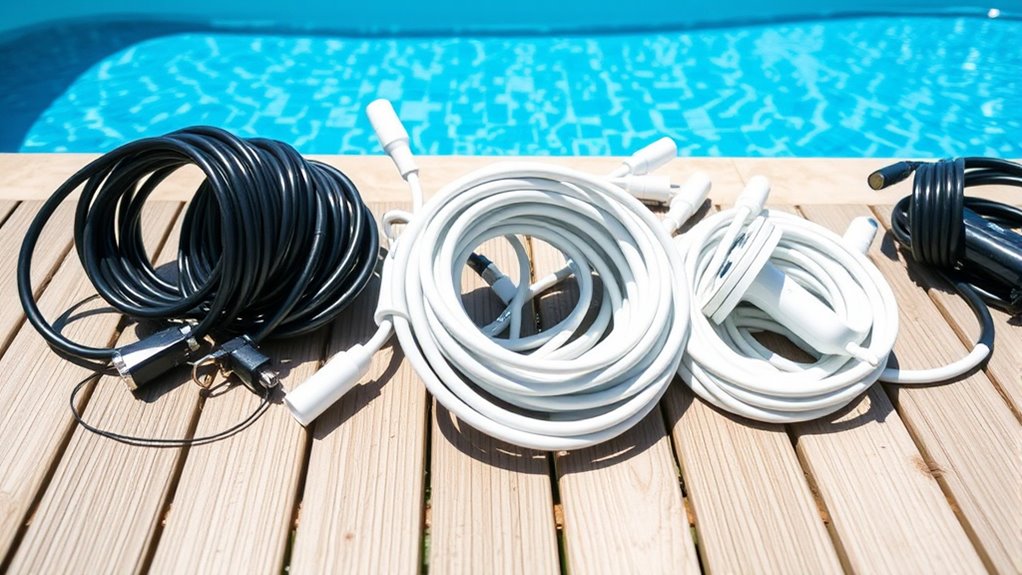
Properly maintaining the power supply and cords is essential to guarantee your automatic pool cleaner operates safely and efficiently. Regular power supply maintenance ensures the unit won’t overheat or short circuit, while good cord management prevents tangles and damage. To keep everything in top shape:
- Check the power supply for any signs of wear or corrosion
- Keep cords untangled and avoid sharp bends
- Store cords in a cool, dry place when not in use
- Use cord clips or ties to prevent tripping hazards around the pool area
Performing Regular Functionality Checks
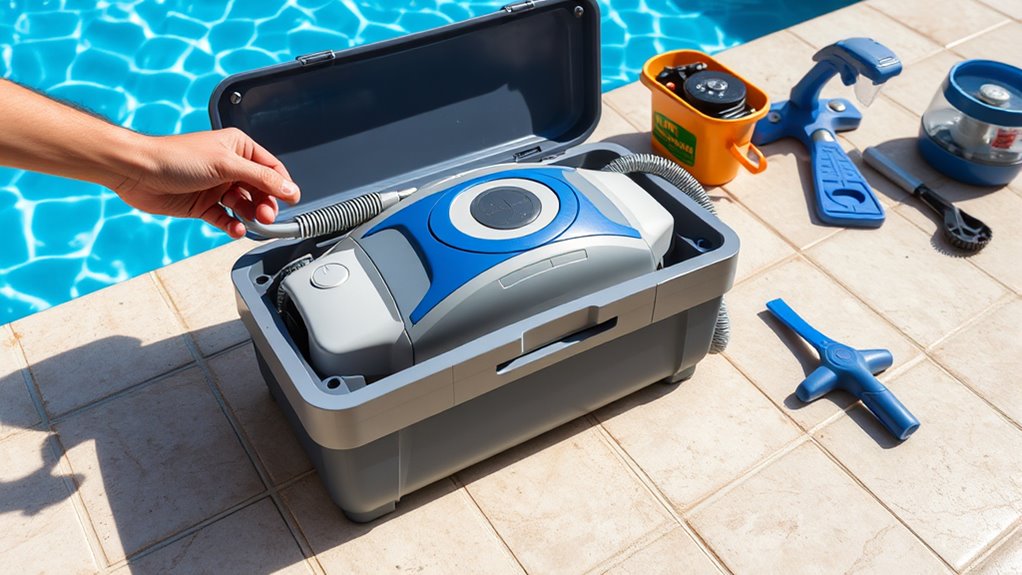
Performing regular functionality checks is essential to guarantee your automatic pool cleaner operates at peak performance. Start by inspecting the battery maintenance; ensure the batteries are charged and look for corrosion or damage. Proper battery care prevents unexpected shutdowns and extends the cleaner’s lifespan. Next, check for any debris or obstructions in the brushes, filters, and sensors, and clean them thoroughly. Keep software updates in mind—regularly update the cleaner’s firmware to improve efficiency and fix bugs. Test the cleaner’s movement and suction to confirm it’s functioning correctly. Monitoring these components regularly helps you catch issues early, reducing downtime and costly repairs. By maintaining batteries and keeping software current, you ensure your pool cleaner stays reliable and efficient season after season.
Preparing Your Cleaner for Off-Season Storage
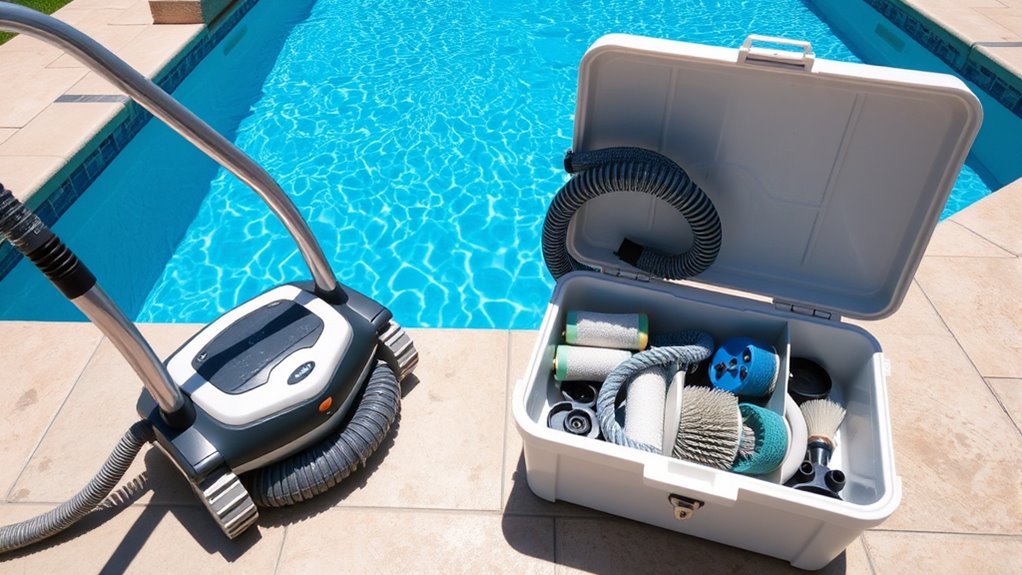
As the pool season winds down, preparing your automatic pool cleaner for off-season storage guarantees it stays in great condition for next year. Proper automatic cleaner storage involves completing seasonal maintenance tasks that prevent damage and ensure smooth operation later. Start by thoroughly cleaning the cleaner to remove dirt and debris. Check the brushes and hoses for wear, replacing any damaged parts. Store the cleaner in a cool, dry place away from direct sunlight to prevent deterioration. To simplify seasonal maintenance, consider disconnecting and draining hoses, and removing batteries if applicable.
Prepare your pool cleaner for off-season storage with thorough cleaning, part inspection, and proper drying to ensure longevity.
- Clean all components thoroughly
- Inspect and replace worn parts
- Drain and dry hoses and brushes
- Store in a cool, dry location
Tips for Extended Storage and Longevity
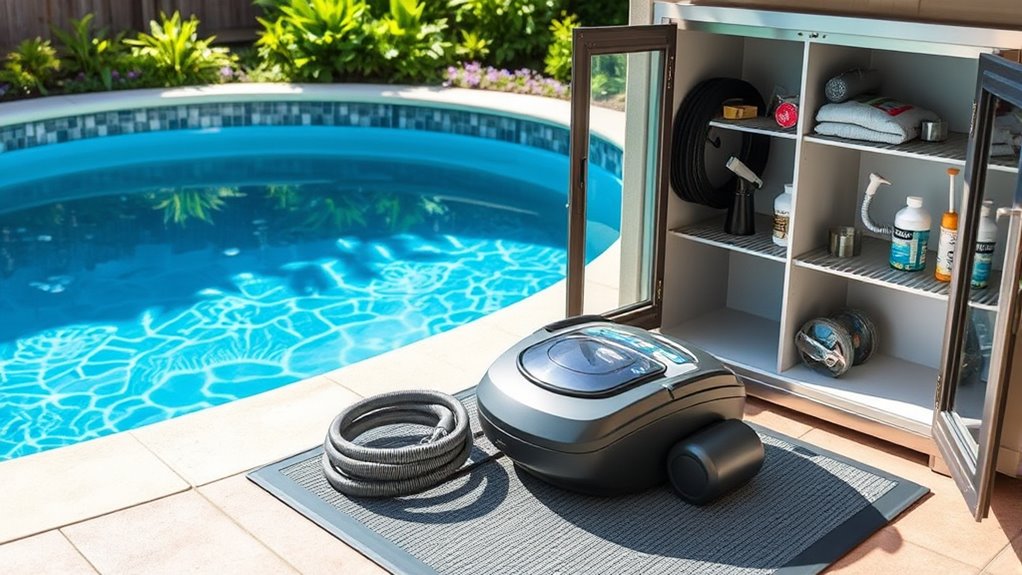
To guarantee your automatic pool cleaner lasts through multiple seasons, it’s essential to take steps that promote long-term storage and durability. Regular chemical maintenance ensures the water stays balanced, preventing corrosion or buildup that can damage your cleaner. Before storing, inspect for any troubleshooting tips, like loose connections or debris, and address issues promptly. During extended storage, keep the cleaner in a cool, dry place away from direct sunlight to prevent material degradation. Rinse off the unit thoroughly to remove any residual chemicals or dirt. Store it in a secure position, avoiding sharp bends or compression that might damage internal components. Following these tips helps preserve your cleaner’s performance and extends its lifespan, saving you time and money in future pool seasons.
Frequently Asked Questions
How Often Should I Replace Parts of My Automatic Pool Cleaner?
You should follow a regular replacement schedule for parts of your automatic pool cleaner to guarantee optimal performance. Part maintenance is essential, so inspect components like brushes, belts, and filters monthly. Replace worn or damaged parts promptly, typically every 6 to 12 months, depending on usage. Staying on top of this helps prevent breakdowns and extends your cleaner’s lifespan, keeping your pool sparkling and hassle-free.
Can I Use Chemical Cleaners to Disinfect the Pool Cleaner?
You can use chemical cleaners to disinfect your pool cleaner, but be careful. Avoid harsh chemicals that might leave chemical residue or cause corrosive damage to the parts. Instead, opt for gentle, non-abrasive disinfectants recommended by the manufacturer. Rinse thoroughly after cleaning to remove any residue, and always follow the instructions to prevent damage. Proper cleaning helps extend your pool cleaner’s lifespan and keeps it running smoothly.
What Are Signs My Cleaner Needs Professional Repair?
If your pool cleaner isn’t working properly, you should watch for DIY troubleshooting signs like strange noises, poor movement, or inconsistent cleaning. These common repair signs indicate it might need professional help. Don’t ignore issues like the cleaner not turning on or losing suction. Addressing these early helps prevent further damage and ensures your cleaner works efficiently. If you’re unsure, consult a professional to diagnose and fix the problem safely.
How Do Temperature Changes Affect Stored Pool Cleaners?
Coincidentally, temperature fluctuations in your storage environment can impact your pool cleaner. When stored in areas with extreme or inconsistent temperatures, parts may expand or contract, causing damage over time. Cold temperatures can make plastics brittle, while heat may weaken internal components. To protect your cleaner, store it in a cool, dry place, avoiding temperature swings. Maintaining a stable environment guarantees your cleaner stays in top shape when you need it.
Are There Eco-Friendly Storage Options for Pool Cleaners?
You’re wondering if eco-friendly storage options exist for your pool cleaner. Yes, you can use biodegradable bags for storing parts, which break down naturally and reduce plastic waste. Additionally, consider solar-powered storage solutions that harness renewable energy, making your storage more sustainable. These options help you care for your pool equipment while minimizing environmental impact, giving you peace of mind knowing you’re making eco-conscious choices.
Conclusion
By following these steps, you’ll keep your pool cleaner in top shape, ready to dive back in whenever you need it. Think of proper storage as giving your cleaner a cozy bed after a busy day—protecting it from damage and ensuring it lasts longer. With regular care, your automatic pool cleaner will be like a trusty friend, always prepared to keep your pool sparkling and inviting all season long.
Fall Picks
fall essentials
As an affiliate, we earn on qualifying purchases.