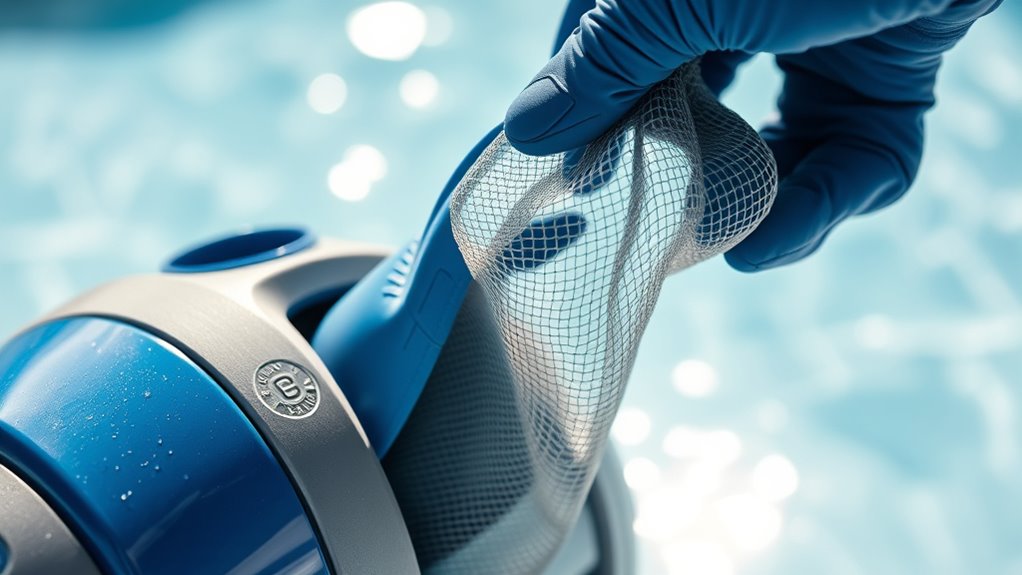

To replace debris bags on pressure pool cleaners, start by turning off the cleaner and disconnecting it from the water and power source. Open the access panel, carefully remove the old bag, and seal it for disposal. Then, insert a new, properly fitting bag, ensuring it’s securely attached. Turn the cleaner back on and check for smooth operation, leaks, or blockages. For detailed step-by-step guidance, continue with the full process.
Key Takeaways
- Turn off the pool cleaner and disconnect it from power or water sources before replacing the debris bag.
- Remove the old debris bag carefully, ensuring compatibility and sealing it securely for disposal.
- Verify the new debris bag matches your cleaner model and properly align it during installation.
- Securely snap or clip the new bag into place, ensuring proper attachment before reassembling.
- Test the cleaner for smooth operation, checking hose connections, water flow, and for leaks or blockages.
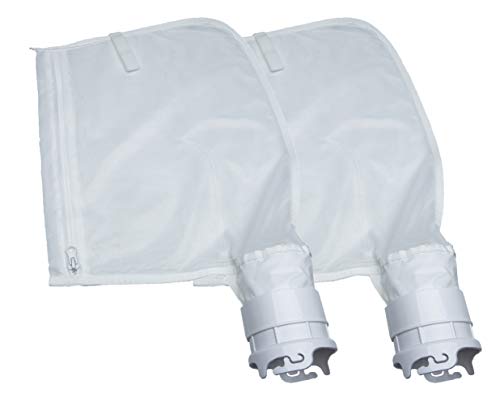
ATIE Pool Cleaner Fine Mesh Bag with Zipper Enclosure, Compatible with Pentair Kreepy Krauly Legend, Platinum, Letro Pool Cleaners Debris Bag 360002 and EU16 Bag (2 Pack)
- Secure Zipper Closure: More reliable than snap locks
- Larger Capacity: 50% bigger than OEM bags
- Universal Compatibility: Fits Pentair Legend and Platinum
As an affiliate, we earn on qualifying purchases.
As an affiliate, we earn on qualifying purchases.
Gathering Necessary Tools and Supplies
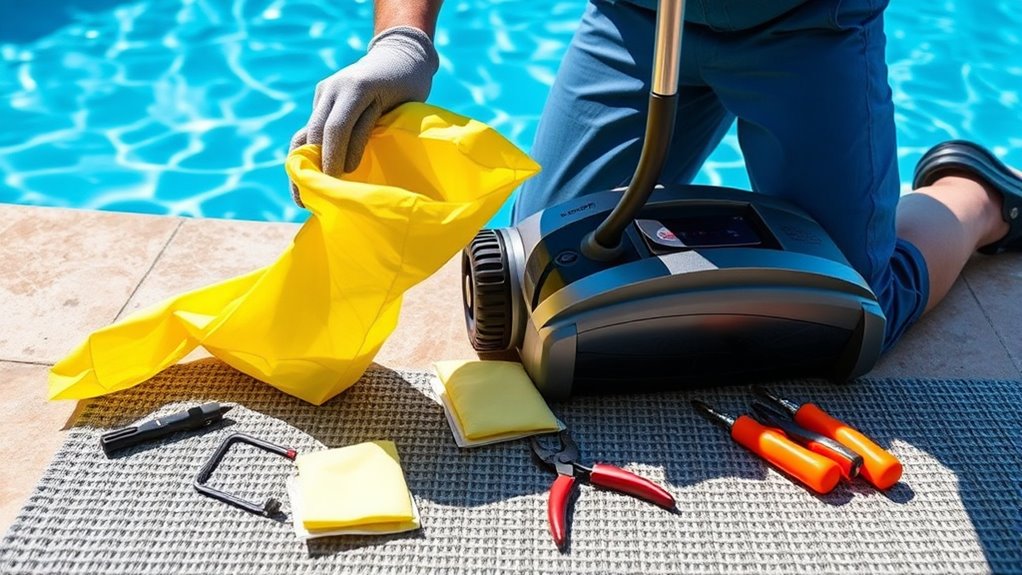
Before you begin replacing the debris bag on your pressure pool cleaner, it’s important to gather all the necessary tools and supplies. Start with a tools checklist to guarantee you have everything on hand, including gloves, a screwdriver if needed, and a replacement debris bag. Safety precautions are vital, so wear gloves to protect your hands from dirt and sharp edges. Make sure the area around the pool is clear to avoid accidents. Check that your new debris bag fits your cleaner model. Having everything ready prevents delays and helps you work efficiently. Taking a few moments to prepare with the right tools and safety measures ensures a smooth, safe process when replacing the debris bag. Regular maintenance can also help improve the performance of your pool cleaner, and understanding the pressure system can further optimize cleaning efficiency. Additionally, familiarizing yourself with juice cleansing benefits can inspire healthier habits that support overall wellness. Being aware of familiarity with common pool cleaner issues can help you troubleshoot and maintain your equipment more effectively.
Turning Off and Preparing the Pool Cleaner
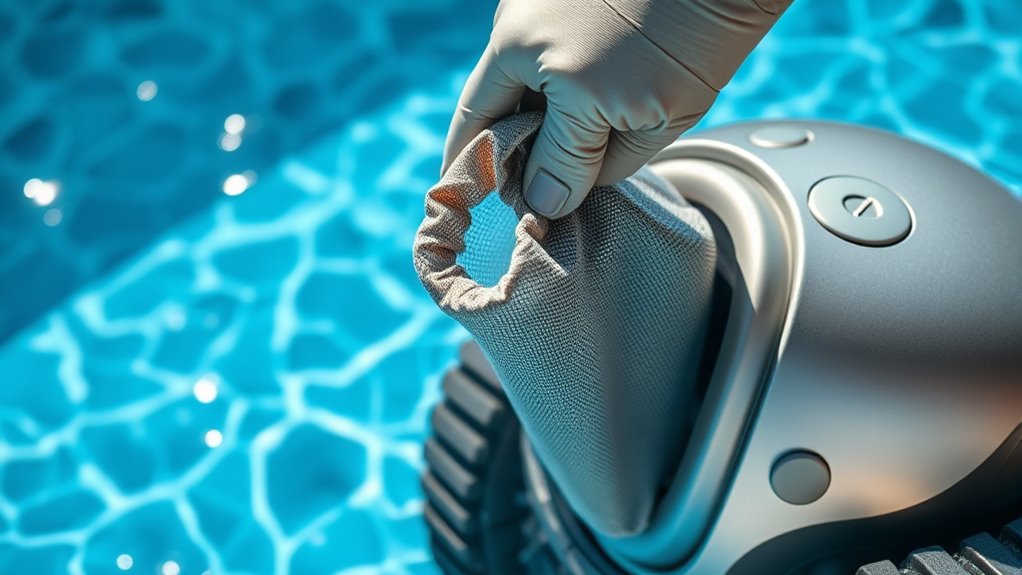
Once you’ve gathered your tools and supplies, the next step is to turn off the pool cleaner and prepare it for debris bag replacement. For pool safety, ensure the cleaner is completely powered down to avoid accidental activation. Turn off the cleaner at the power source or control panel, following the manufacturer’s instructions. Disconnect it from the pool’s skimmer or suction line if necessary. This prevents water flow and keeps debris disposal safe. Before handling the debris bag, wear gloves to protect your hands and prevent spreading bacteria. Clear the area around the cleaner to avoid tripping hazards. Properly turning off and preparing your pool cleaner guarantees safe debris disposal and makes the bag replacement process smoother. Additionally, understanding the air purifier maintenance dos and don’ts can help you keep your equipment in optimal condition, ensuring efficient debris collection and prolonging the lifespan of your pool cleaner. Being familiar with safety precautions and the device’s power management features can further enhance your maintenance routine. For added safety, always consult the manufacturer’s guidelines to ensure proper shutdown procedures. Recognizing the importance of regular maintenance can also prevent potential malfunctions during operation.
Removing the Old Debris Bag
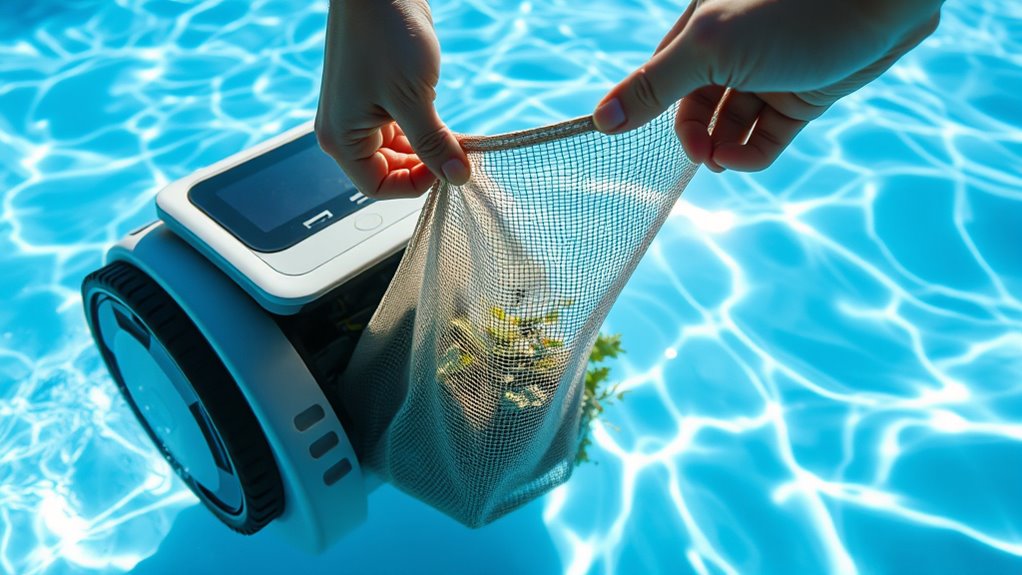
To remove the old debris bag, start by carefully opening the cleaner’s access panel or compartment, as specified in your manufacturer’s instructions. Once open, gently grasp the debris bag, making sure it’s compatible with your cleaner’s model. Avoid forcing or tearing the bag, which could cause messes or damage. Carefully lift the bag out, paying attention to how it fits inside the compartment for future reference. Proper debris bag disposal is important—seal the bag securely before discarding it in your trash bin to prevent leaks and messes. Check for any remaining debris inside the compartment and clean it if needed before installing a new bag. Removing the old debris bag properly ensures your pressure pool cleaner operates efficiently and reduces the risk of clogging. Also, inspecting the bag for tears or damage can help prevent shedding excess debris, ensuring optimal cleaning performance and prolonging the life of your pool cleaner. Additionally, understanding the pressure system of your cleaner can help you troubleshoot issues related to debris collection and improve overall performance. Being familiar with your cleaner’s filtering components can further enhance its efficiency and maintenance routines. Regularly checking the debris bag for proper fit and wear can also help prevent clogging and malfunctions, maintaining your pool cleaner’s efficiency.
Installing the New Debris Bag
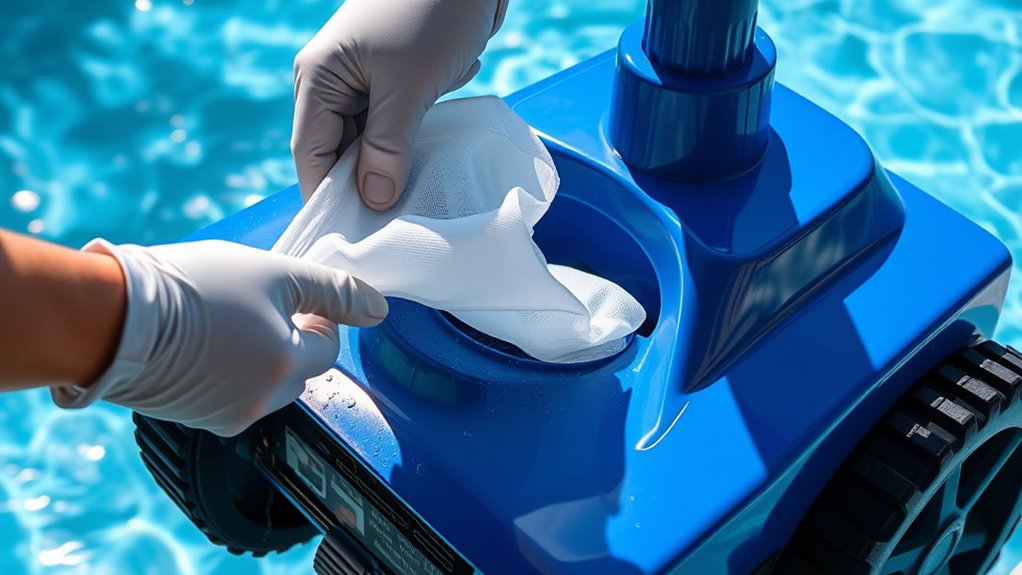
Installing the new debris bag is straightforward if you follow a few simple steps. First, verify the bag is properly aligned with the opening to prevent any gaps. During bag installation, make sure the opening faces downward to maximize debris containment. Carefully place the bag into the cleaner’s housing, ensuring it fits snugly without forcing it. Secure the bag according to your cleaner’s design, usually by snapping or clipping it into place. Proper bag installation is essential for effective debris containment and ideal cleaner performance. Double-check that the bag is securely attached before removing your pressure pool cleaner from the water. Correctly installing the debris bag helps prevent leaks and ensures your cleaner continues to operate efficiently, keeping your pool clean and debris-free. Additionally, understanding your Mazda Tuning options can help you optimize your vehicle’s performance if you decide to upgrade your equipment or accessories.
Testing the Cleaner and Final Checks
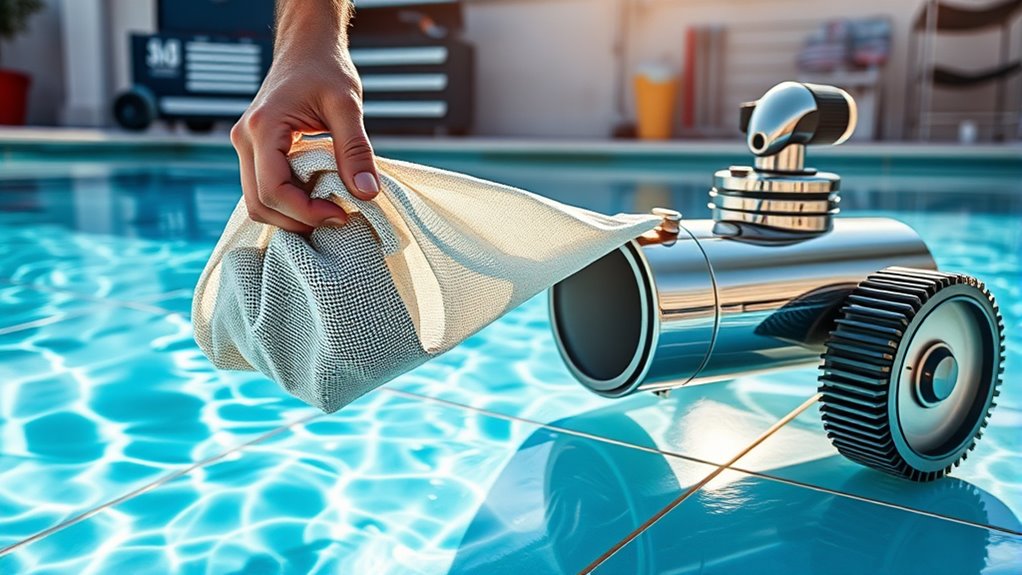
After installing the debris bag, it’s important to test your pressure pool cleaner to guarantee it operates correctly. Check that the cleaner moves smoothly without unusual noises or vibrations, indicating proper assembly. Different debris bag types, such as mesh or fabric, can impact cleaning maintenance; ensure you’ve selected the right one for your needs. Confirm the hose connections are secure, and water flows freely. Turn on the pump and observe the cleaner’s performance, making sure it covers the pool evenly. Inspect for leaks or blockages, and verify debris is being collected efficiently. Proper pressure regulation is essential to prevent damage and optimize cleaning performance. Additionally, verifying water flow helps ensure your cleaner functions as intended. Regularly inspecting and cleaning filter components can maintain optimal operation. Maintaining system pressure is critical for consistent cleaning results and avoiding unnecessary wear on your equipment. Conducting routine maintenance checks can identify potential issues early and prolong the lifespan of your equipment. Final checks like these help maintain ideal cleaning performance and extend the lifespan of your equipment, ensuring your pool stays clean and well-maintained.
Frequently Asked Questions
How Often Should I Replace My Pressure Pool Cleaner’s Debris Bag?
You should replace your pressure pool cleaner’s debris bag based on its bag material and how often you use the cleaner. Generally, check the bag weekly, and if it’s full or shows signs of wear, replace it. The replacement frequency depends on debris buildup and bag durability. For peak performance, inspect the bag regularly and swap it out when it’s full or damaged, ensuring your cleaner works efficiently.
Can I Wash and Reuse the Debris Bag?
Wondering whether you can wash and reuse your pressure pool cleaner’s debris bag? Yes, you can, depending on the bag material. Cloth or mesh bags typically handle cleaning and rinsing well, but plastic ones aren’t designed for reuse. Regular cleaning frequency keeps your cleaner efficient. Always check your bag’s material and manufacturer’s instructions—proper cleanup keeps your pool pristine without wasting money on replacements.
What Are Signs That the Debris Bag Needs Replacing Sooner?
When you notice your pressure pool cleaner’s debris bag filling up quickly or the bag material becoming torn or worn, it’s time to replace it sooner. A damaged bag can’t hold debris effectively, reducing cleaning efficiency. Also, if you see a significant decrease in debris capacity over time, it indicates the bag’s integrity is compromised. Regular checks ensure your cleaner functions at its best and prevents clogs or damage.
Are There Different Debris Bag Sizes for Various Pressure Pool Cleaners?
You might feel like it’s impossible, but yes, different pressure pool cleaners require specific debris bag sizes for perfect debris bag compatibility. These bags come in various sizes, tailored to each cleaner’s capacity, ensuring ideal performance. The debris bag material also varies—some are more durable for heavy debris, while others are lightweight for lighter tasks. Always check your cleaner’s manual to select the right size and material for your needs.
Is It Necessary to Wear Gloves When Handling the Debris Bag?
When handling a debris bag, it’s wise to wear gloves as protective gear. Handling precautions are important because debris bags can contain bacteria, dirt, and other contaminants. Wearing gloves helps prevent skin contact with potentially harmful substances and keeps your hands clean. Always use protective gear to guarantee safe handling, especially if the debris bag is dirty or has been in the pool for a while. Your safety should come first.
Conclusion
Changing your pressure pool cleaner’s debris bag is like giving it a fresh breath of life. With the right tools and a little patience, you’ll have it running smoothly in no time. Think of it as giving your pool cleaner a new set of shoes—ready to tackle dirt and debris on its next adventure. Keep up with regular maintenance, and your cleaner will be your pool’s best friend, sparkling clean and happy to work.