
TL;DR
Researchers and companies are exploring brain monitoring as a new frontier in consumer health. This technology aims to detect health signals early, offering potential advantages for safety and compliance. The development is still in early stages, with practical applications yet to be confirmed.
Recent technological advances suggest that monitoring the brain for health signals may soon become a practical tool for consumer health and safety applications. Industry experts see potential for early detection of health issues, which could help brands improve safety compliance and respond faster to emerging risks. This development is currently in the early research and pilot stages, with active interest from tech and consumer health sectors.

Get the latest gadgets delivered free with Prime
- Fast, free delivery on millions of items
- Prime Video, Amazon Music and more included
- Member-only deals all year
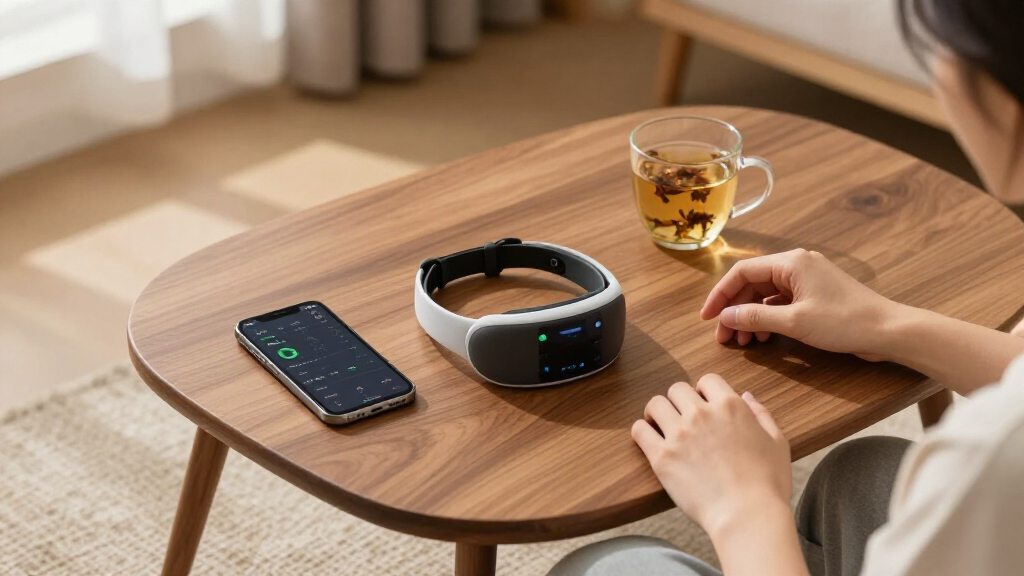
Multiple research initiatives and startups are exploring brain monitoring technologies, including non-invasive sensors and neural data analysis, aimed at detecting early signs of health changes. These efforts are driven by the increasing availability of portable brain sensors and advances in data processing algorithms. The goal is to create role-specific alerts for safety and compliance leads, enabling quicker decision-making and risk mitigation.
According to industry sources, this emerging technology is comparable to how the drug Ozempic gained rapid industry attention for its impact on weight management. Experts believe that if proven effective, brain monitoring could become a ‘first-win’ workflow for consumer health brands, especially in areas like mental health, neurodegenerative disease risk, and cognitive performance. However, practical deployment faces hurdles including regulatory approval, data privacy concerns, and validation of accuracy.
Several pilot programs are underway, testing the feasibility of integrating brain data into existing health monitoring systems. These pilots aim to demonstrate how early signals can be reliably detected and acted upon, reducing the time lag between health changes and intervention. Industry insiders emphasize that the technology’s success depends on developing role-specific filters that distinguish relevant signals from general neural activity.
Potential Industry Impact of Brain Monitoring
This emerging technology could significantly alter how consumer health and safety are managed. By enabling early detection of health signals directly from neural data, brands could improve risk management, reduce safety incidents, and enhance consumer trust. For safety and compliance leads, this represents a shift toward more proactive, data-driven decision-making, potentially reducing reliance on traditional symptom-based or post-incident reporting methods.
Furthermore, early brain signal detection could open new markets for neurohealth products and personalized wellness solutions, aligning with broader trends toward precision health. However, widespread adoption depends on overcoming technical, regulatory, and ethical challenges, including ensuring data privacy and establishing standardized protocols for neural data interpretation.
Products Worth Considering

Samsung 49-Inch Odyssey G93SC QD-OLED Curved Gaming Monitor

LG UltraGear 32-inch 4K UHD OLED Gaming Monitor, 165Hz

LG UltraGear 32-inch QHD Curved Gaming Monitor, 180Hz, 1ms, FreeSync
As an affiliate, we earn on qualifying purchases.
Advances in Brain Monitoring Technologies and Industry Interest
Over the past decade, progress in neuroscience, sensor technology, and machine learning has made non-invasive brain monitoring increasingly feasible. Companies and research institutions have developed portable EEG devices and neural data analysis tools capable of capturing meaningful signals outside clinical settings. Early applications have focused on medical diagnostics, cognitive workload assessment, and mental health tracking.
Recently, industry insiders have noted a surge of interest in applying these tools for consumer health safety. The idea is to leverage neural signals to identify health risks before symptoms appear, similar to how wearable devices monitor heart rate or activity. The analogy to Ozempic’s rapid industry impact underscores the potential for a disruptive shift if brain monitoring proves effective in early detection and risk mitigation.
Despite promising developments, the field remains in experimental phases, with regulatory pathways and standards still evolving. Industry experts caution that widespread implementation will require rigorous validation and ethical frameworks to address privacy concerns and ensure consumer trust.
Unresolved Challenges and Regulatory Hurdles
It is not yet clear how soon brain monitoring will be ready for widespread commercial use. Challenges include validating the accuracy of neural signals for health risk detection, addressing privacy and ethical concerns, and navigating regulatory approval processes. The extent to which neural data can reliably predict health issues outside controlled environments remains under investigation.
Industry insiders acknowledge that these hurdles could delay or limit adoption, and that further research and standardization are necessary before integration into consumer safety workflows.
Next Steps in Development and Industry Adoption
Researchers and startups are expected to continue pilot programs over the next 12-18 months, focusing on validating neural signal accuracy and developing role-specific alert systems. Regulatory agencies are also beginning to draft guidelines for neural data use, which will influence deployment timelines. Industry adoption will depend on the outcomes of these pilots, validation studies, and regulatory clarity.
In parallel, companies may begin testing pilot integrations within their safety monitoring systems, aiming to demonstrate tangible benefits in early risk detection and response. The next 1-2 years will be critical in determining whether brain monitoring moves from experimental research to practical application in consumer health safety.
Key Questions
How soon could brain monitoring be used in consumer health safety?
While promising, widespread use is likely 3-5 years away, depending on validation, regulatory approval, and technological refinement.
What types of health signals can brain monitoring detect?
Potential signals include early signs of mental health issues, cognitive decline, stress levels, and neurological risks, but these are still under research.
Are there privacy concerns with neural data collection?
Yes, neural data is highly sensitive, and ensuring privacy, consent, and ethical use will be critical for industry acceptance.
Will brain monitoring replace existing health sensors?
It is more likely to complement existing sensors, providing additional insight into neural health and early risk signals.
What companies or institutions are leading this research?
Several startups and academic institutions are exploring neural monitoring, but specific industry leaders have not yet been publicly identified.
Source: IdeaNavigator AI