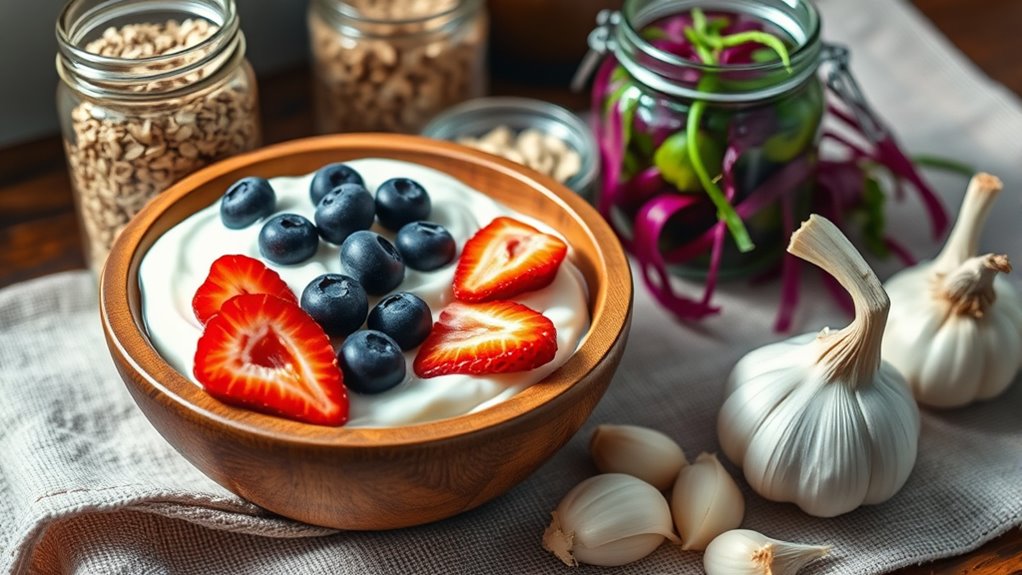

Probiotic foods contain live beneficial bacteria, like yogurt and sauerkraut, that add good microbes to your gut. Prebiotic foods, such as bananas and garlic, are non-digestible fibers that feed and support these helpful bacteria. Both work together to improve digestion, boost immunity, and maintain a healthy gut environment. Understanding their differences helps you choose the right foods to support your health, and exploring more can show you how to incorporate both into your diet effectively.

Get the latest gadgets delivered free with Prime
- Fast, free delivery on millions of items
- Prime Video, Amazon Music and more included
- Member-only deals all year
Key Takeaways
- Probiotic foods contain live beneficial bacteria, such as Lactobacillus and Saccharomyces, that directly add to gut microbiota.
- Prebiotic foods provide non-digestible fibers like inulin and resistant starches that feed and support existing beneficial bacteria.
- Probiotics actively introduce new microorganisms into the gut, while prebiotics promote the growth of already present microbes.
- Common probiotic foods include yogurt, kefir, sauerkraut, and kimchi; prebiotic foods include bananas, onions, garlic, and whole wheat.
- Combining both enhances gut health synergistically by replenishing bacteria and nourishing beneficial microbes simultaneously.
As an affiliate, we earn on qualifying purchases.
Understanding the Roles of Probiotics and Prebiotics
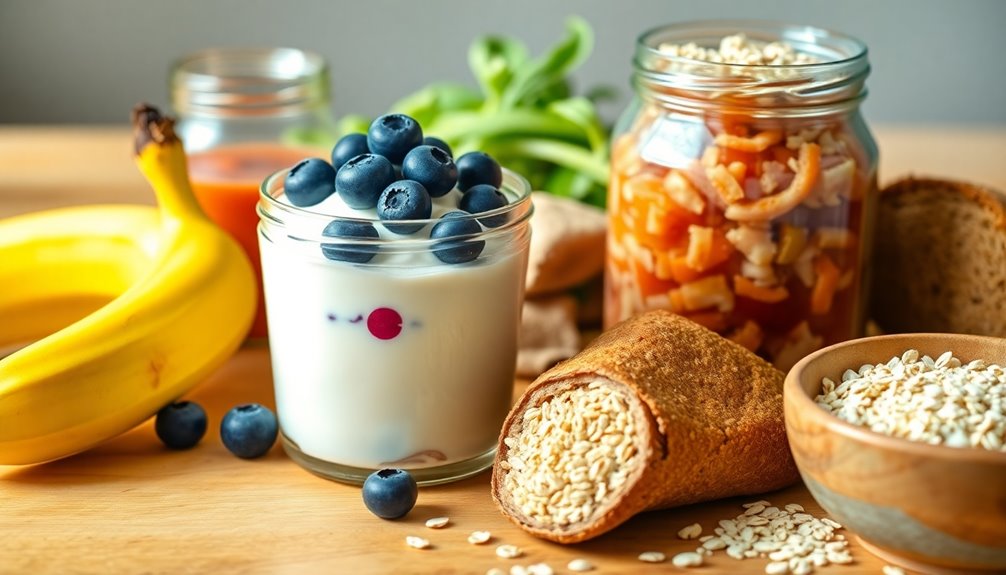
Understanding the roles of probiotics and prebiotics is key to appreciating how they support your gut health. Probiotics are live microorganisms that add beneficial bacteria to your gut microbiome, helping balance your microbial environment. They can improve digestion, strengthen the gut barrier, and reduce inflammation. Research shows that certain probiotic strains can also influence mental health and mood through the gut-brain axis. Prebiotics, on the other hand, are non-digestible fibers that serve as food for these beneficial bacteria. They promote the growth and activity of existing probiotics, enhancing their positive effects. When combined, probiotics and prebiotics work synergistically, creating a stronger, healthier microbiome—this is known as a symbiotic relationship. Both play essential roles in maintaining gut integrity, reducing inflammation, and supporting overall health, including immunity and mood regulation. Additionally, high-quality probiotic strains are crucial for ensuring effectiveness and safety. Understanding their distinct functions helps you make better dietary choices for gut wellness.
Common Food Sources for Each
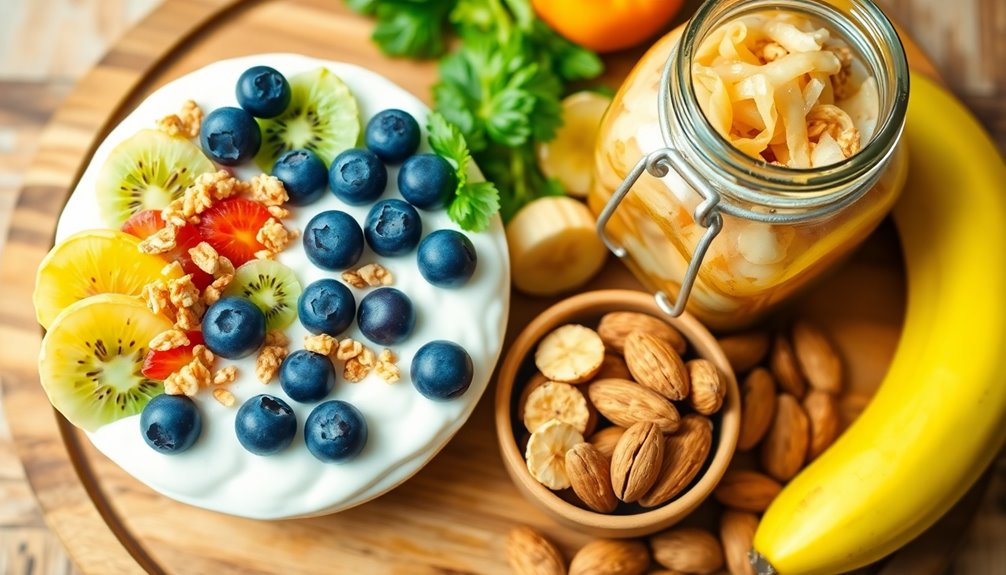
Probiotic and prebiotic foods are readily available in your daily diet, each offering unique benefits for gut health. Probiotic foods include yogurt, kefir, sauerkraut, kombucha, and tempeh. These foods contain live beneficial bacteria like *Lactobacillus*, *Streptococcus*, and yeasts such as *Saccharomyces*. Prebiotic foods, on the other hand, include asparagus, bananas, onions, garlic, and whole wheat. They contain fibers like inulin and resistant starches that feed your existing gut bacteria. You can easily incorporate these foods into meals—add yogurt or kefir to smoothies, enjoy sauerkraut with sandwiches, or snack on bananas and raw vegetables. Both types of foods support your gut health, but they do so through different mechanisms—one by adding bacteria, the other by nourishing them.
Benefits for Digestive and Immune Health
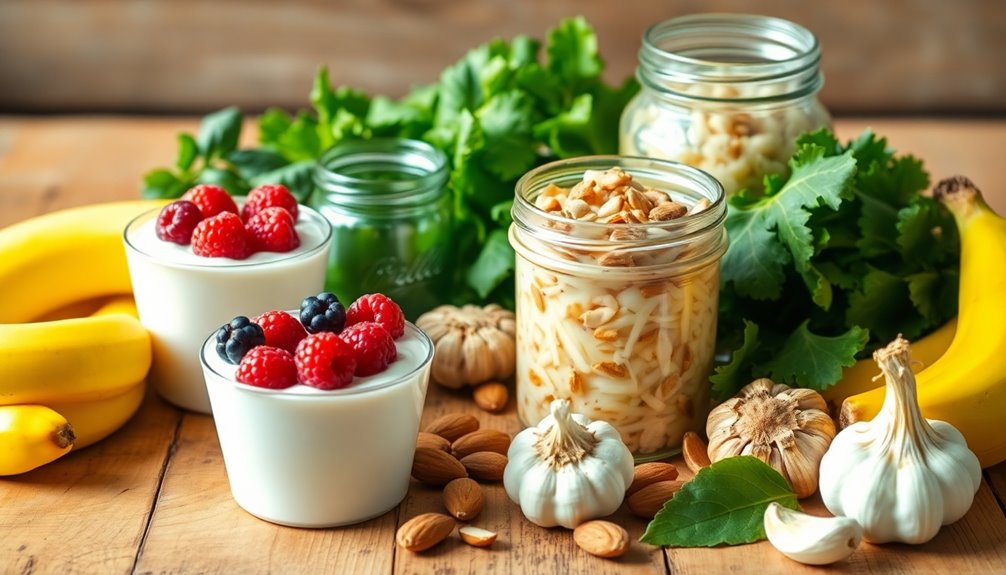
Consuming probiotic and prebiotic foods offers significant benefits for both your digestive and immune health. They improve bowel regularity by increasing stool frequency and reducing constipation through fiber fermentation. These foods help reduce gut inflammation by promoting growth of anti-inflammatory bacterial strains and maintain the integrity of your intestinal barrier with short-chain fatty acids that nourish gut lining cells. They also enhance nutrient absorption, especially calcium and magnesium, and balance gut microbiota by inhibiting harmful bacteria. For your immune system, they modulate responses by stimulating regulatory T-cells and reducing excessive inflammation. They strengthen barrier defenses with increased mucin production and improve pathogen resistance via beneficial bacteria’s bacteriocins. A well-maintained toilet flushing mechanism can also support overall health by preventing plumbing issues that could lead to unsanitary conditions. Together, probiotic and prebiotic foods support long-term health by reducing inflammation, aiding digestion, and boosting your immune resilience.
How They Work in Your Gut
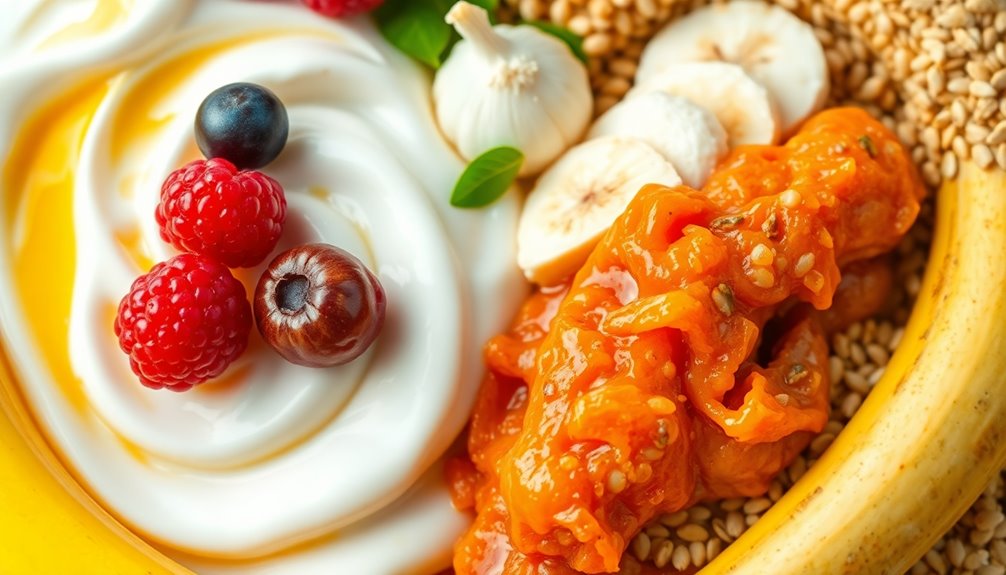
Your gut health hinges on the intricate interactions between probiotic and prebiotic foods and your existing microbiota. Probiotics introduce live bacteria and yeasts that help replenish and diversify your gut bacteria, supporting microbial balance. Prebiotics, on the other hand, are non-digestible fibers that serve as food for beneficial microbes, stimulating their growth and maintaining diversity. Together, they help produce short-chain fatty acids, which nourish gut cells and maintain a healthy pH level. Probiotics can inhibit harmful bacteria and restore stability after disruptions, while prebiotics support the existing beneficial bacteria, ensuring a stable and resilient gut ecosystem. Additionally, the fiber content in prebiotics enhances overall gut health by aiding in regular bowel movements and preventing constipation. Gut microbiota composition plays a crucial role in how these foods impact your overall digestive health. This synergy promotes better digestion, nutrient absorption, and overall gut function, reinforcing your digestive health and immune response. Incorporating mindfulness practices can also support gut health by reducing stress, which positively impacts the microbiome. Additionally, understanding how gut microbiota interacts with different foods can help tailor a diet that optimizes your digestive well-being and aligns with retirement planning strategies for maintaining long-term health.
Tips for Incorporating Both Into Your Diet
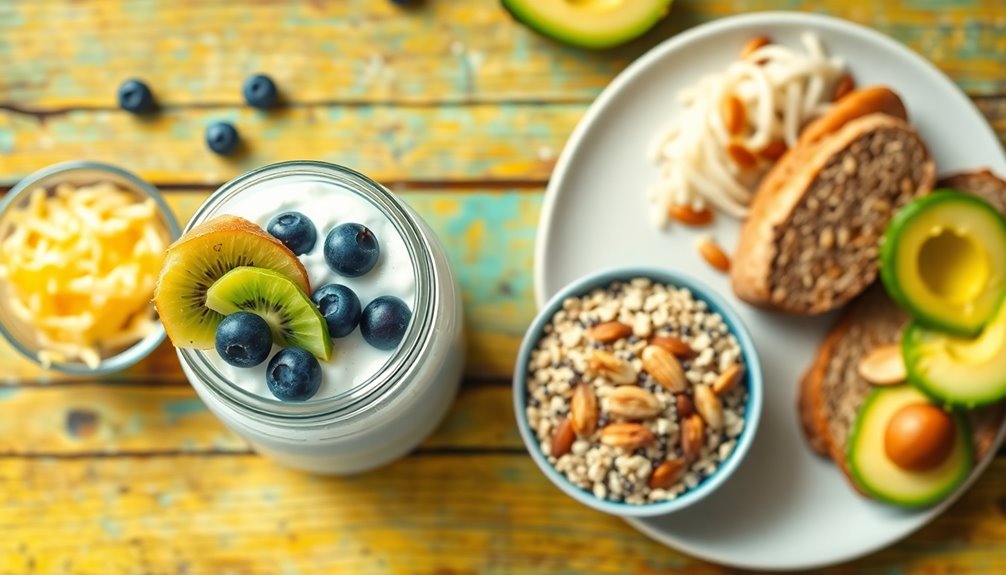
To effectively boost gut health, it’s important to include both prebiotic and probiotic foods in your daily meals. Start your day with a smoothie blending green bananas and yogurt to combine prebiotics and probiotics. Add prebiotic-rich vegetables like asparagus or leeks to salads or stir-fries for extra fiber. Incorporate fermented foods such as sauerkraut, kimchi, or tempeh into lunch or dinner to introduce beneficial bacteria. Use chicory root powder in drinks or baked goods for a flavor boost and prebiotic punch. Snack on berries, nuts, or a handful of nuts alongside kefir or yogurt to support digestion. Rotating different probiotic and prebiotic sources helps diversify your microbiome and enhances gut resilience. Using advanced filtration systems in your kitchen can serve as a helpful analogy for balancing and optimizing your gut health. These simple swaps help you create balanced, gut-friendly meals effortlessly.
Frequently Asked Questions
Can Probiotics and Prebiotics Be Taken Simultaneously for Better Health?
Yes, you can take probiotics and prebiotics together for better health. When combined, they work synergistically, enhancing each other’s effects. Prebiotics feed the beneficial bacteria introduced by probiotics, helping them thrive in your gut. Including both in your diet can improve digestion, boost immunity, and support mental health. Just make certain you’re maintaining the right balance and consult a healthcare professional if you’re considering supplements or have specific health concerns.
Are Probiotic Foods Safe for People With Immune System Disorders?
You might think probiotic foods are completely safe, but for people with immune system disorders, they’re a double-edged sword. While many studies show probiotics are generally safe and can even help reduce inflammation, there’s a tiny risk of harmful microbes causing infections in vulnerable individuals. You should always consult your healthcare provider before adding probiotic foods to your diet, especially if your immune system is compromised, to weigh benefits against potential risks.
How Long Does It Take to See Benefits From Probiotic and Prebiotic Intake?
It depends on your goals, but generally, you might notice some benefits from probiotics within a few days to weeks, like improved digestion and reduced bloating. Prebiotics work faster, often within hours, by feeding beneficial bacteria. Combining both can speed up results and boost gut health more effectively. Keep in mind, long-term improvements, especially for chronic issues, may take several months of consistent intake.
Do All Fermented Foods Contain Beneficial Probiotics?
You might think all fermented foods pack a punch of probiotics, but don’t count your chickens before they hatch. Not every fermented food contains beneficial probiotics, as many lose those microbes during processing or lack the right strains. Yogurt and kefir are reliable sources, but others like sauerkraut and kombucha vary. So, if you’re after specific probiotics, check labels carefully—assumptions can lead you astray.
Are There Any Risks Associated With Over-Consuming Prebiotic Fibers?
You might wonder if over-consuming prebiotic fibers poses risks. If you eat too much too fast, you could experience bloating, gas, and abdominal discomfort from fermentation. Excessive fiber can also cause constipation or diarrhea if not balanced with water. In some cases, high intake may reduce mineral absorption or lead to intestinal blockages, especially if you have underlying digestive issues. To stay safe, increase fiber gradually and hydrate well.
Conclusion
Think of probiotics and prebiotics as dance partners in your gut’s symphony—each plays an essential role in harmony. By feeding and fueling your digestive system, they keep your health in tune, like a well-orchestrated performance. Incorporate both into your diet, and you’ll create a balanced rhythm that supports your immune system and overall well-being. Embrace this dance, and let your gut flourish as naturally as a garden in spring.
Halloween Picks
halloween
As an affiliate, we earn on qualifying purchases.