
TL;DR
Leading memory manufacturers have confirmed that DDR5 RAM will support Error-Correcting Code (ECC) functionality. This development aims to improve stability and data integrity in enterprise and high-performance systems. Details about specific implementations and availability are still emerging.
Major memory manufacturers have confirmed that DDR5 RAM will support Error-Correcting Code (ECC), a feature previously associated mainly with DDR4 and server-grade modules. This confirmation signals a shift toward broader adoption of ECC in mainstream DDR5 modules, which is expected to improve system stability and data integrity in enterprise and high-performance computing environments.
Several leading companies, including Samsung, SK Hynix, and Micron, have officially announced that their upcoming DDR5 memory modules will support ECC functionality. This marks a significant change from initial DDR5 specifications, which did not explicitly mandate ECC support for consumer-grade modules.
Industry sources indicate that ECC support in DDR5 is intended primarily for server, workstation, and high-end desktop markets, where data accuracy and system reliability are critical. The implementation involves integrating additional error correction circuitry into the memory modules, allowing detection and correction of single-bit errors during operation.
While specific product details and release timelines are still being finalized, experts expect ECC-enabled DDR5 modules to become available in the second half of 2024, initially targeting enterprise and professional markets before trickling down to consumer devices.
Implications for Enterprise and High-Performance Computing
The confirmation that DDR5 will support ECC has important implications for system stability, data integrity, and reliability. ECC is a critical feature for servers, data centers, and high-performance computing environments where data corruption can lead to significant financial and operational consequences.
This development could accelerate the adoption of DDR5 in enterprise systems, replacing DDR4 modules that have traditionally supported ECC. For consumers, it signals a future where high-reliability memory may become more accessible outside of specialized markets, although initial availability will likely be limited to professional-grade products.

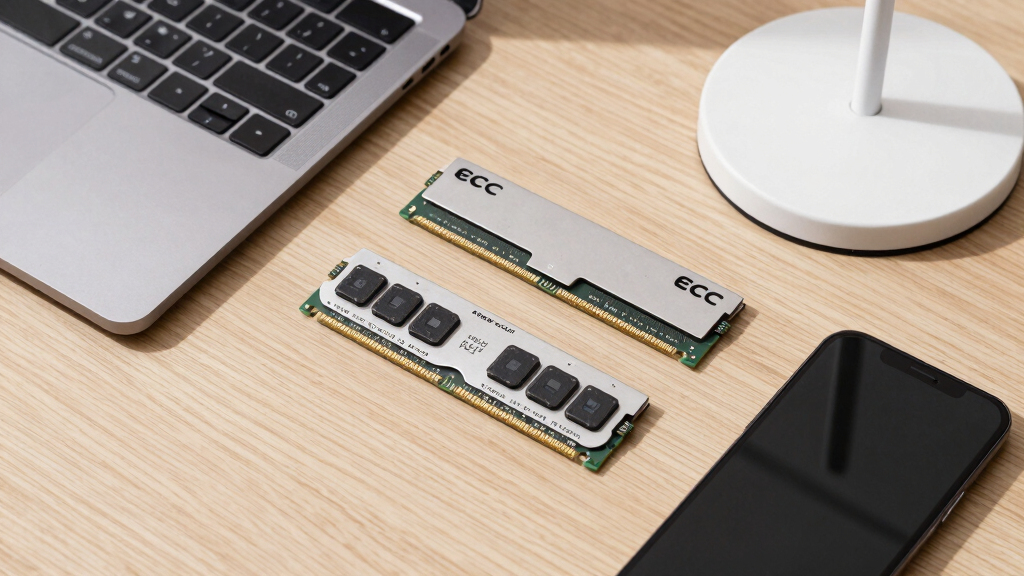
A-Tech 64GB Kit (2x32GB) DDR5 5600MHz PC5-44800 ECC UDIMM 2Rx8 (EC4 9×4) Dual Rank 1.1V ECC Unbuffered DIMM 288-Pin Server, Workstation RAM Memory Upgrade Modules
- Compatibility: For select DDR5 servers and workstations only
- Capacity: 64GB kit (2 x 32GB modules)
- Speed: Up to 5600MHz DDR5
As an affiliate, we earn on qualifying purchases.
As an affiliate, we earn on qualifying purchases.
Evolution of ECC Support in Memory Technologies
ECC has long been a standard feature in server-grade DDR4 modules, offering error detection and correction to prevent data corruption. However, early DDR5 specifications did not explicitly include ECC support for consumer modules, leading to uncertainty among buyers and manufacturers.
In recent months, industry rumors and preliminary disclosures suggested that ECC support might be integrated into DDR5, but official confirmation was lacking until now. This shift follows broader industry trends emphasizing data integrity, especially as systems handle larger data volumes and more complex computations.
Manufacturers like Samsung and SK Hynix have now confirmed ECC support for DDR5, aligning with the increasing demand from enterprise customers for more reliable memory solutions.
Remaining Questions About ECC Implementation and Availability
Details about the specific technical implementations of ECC in DDR5 modules remain limited. It is unclear whether all DDR5 modules will support ECC or if it will be limited to certain SKUs targeting enterprise markets. Additionally, the exact timelines for widespread availability are still uncertain, with initial products expected in late 2024.
Furthermore, questions remain about compatibility with existing motherboards and systems, as well as the potential impact on memory speeds and latency.
Upcoming DDR5 ECC Modules and Market Rollout Plans
Manufacturers are expected to release ECC-enabled DDR5 modules in the second half of 2024, initially targeting enterprise and data center markets. Consumer-grade modules with ECC support may follow later, depending on market demand and technical development.
System builders and enterprise clients are advised to monitor official product announcements and compatibility updates from major memory vendors. Benchmarks and testing reports are anticipated as these modules become available, providing further insight into performance and reliability impacts.
Key Questions
Will all DDR5 memory modules support ECC?
No, ECC support in DDR5 modules is expected to be limited initially to enterprise and high-end workstation products. Consumer modules may or may not include ECC support in the near term.
When will ECC-enabled DDR5 modules be available?
Manufacturers have indicated that ECC DDR5 modules are likely to be released in the second half of 2024, with initial products aimed at enterprise and data center markets.
Does ECC support affect memory performance?
Implementing ECC can introduce slight latency increases, but modern modules aim to minimize performance impacts. Actual effects depend on specific product design and system configuration.
Will ECC support be compatible with existing motherboards?
Compatibility depends on motherboard support for ECC features. Users should verify motherboard specifications and BIOS support before upgrading to ECC DDR5 modules.
Source: hn