
TL;DR
This article explains how to build a simple, minimal ZFS NAS in 2024 without relying on commercial solutions like Synology, QNAP, or TrueNAS. It provides step-by-step guidance and discusses why this approach is relevant for tech-savvy users.
In 2024, a comprehensive guide has been published detailing how to build a minimal ZFS NAS without relying on proprietary solutions like Synology, QNAP, or TrueNAS. This development matters because it offers an alternative for users seeking more control, customization, and potentially lower costs.
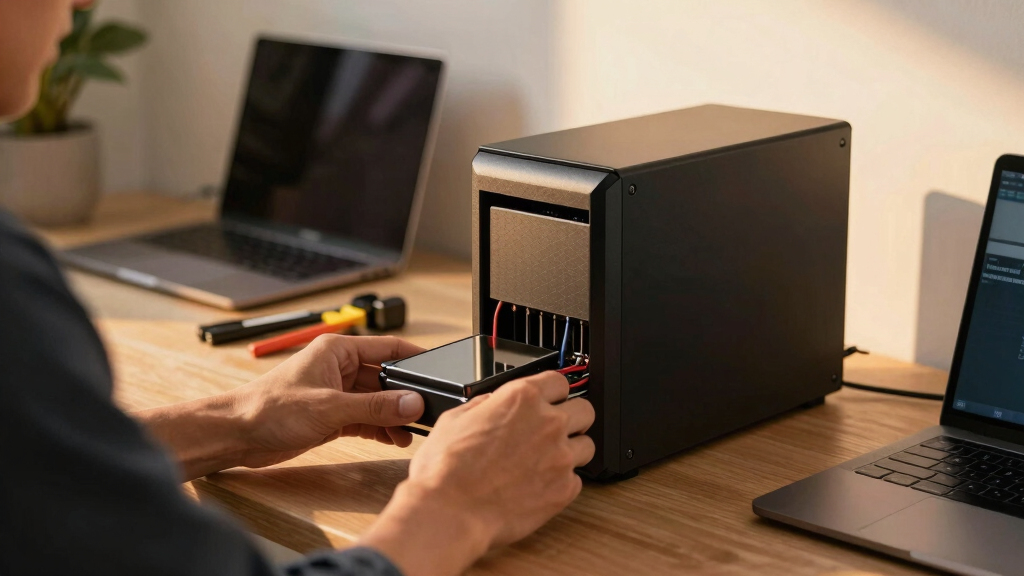
The guide emphasizes using open-source software such as Proxmox or Ubuntu Server combined with ZFS for storage management. It recommends selecting affordable hardware components like low-power x86-based servers or repurposed PCs, and provides specific configuration steps for setting up ZFS pools, snapshots, and network sharing.
According to the author, this approach enables users to create a lean, efficient NAS that can be tailored to specific needs, with full control over data security and system updates. The guide also discusses common pitfalls and best practices for maintaining a minimal setup.
Why DIY ZFS NAS Offers Control and Cost Savings
This development is significant because it empowers users to avoid vendor lock-in associated with commercial NAS solutions, offering more transparency and customization. For tech enthusiasts and small businesses, this approach can lead to cost savings and enhanced data security, as users manage their own hardware and software configurations.
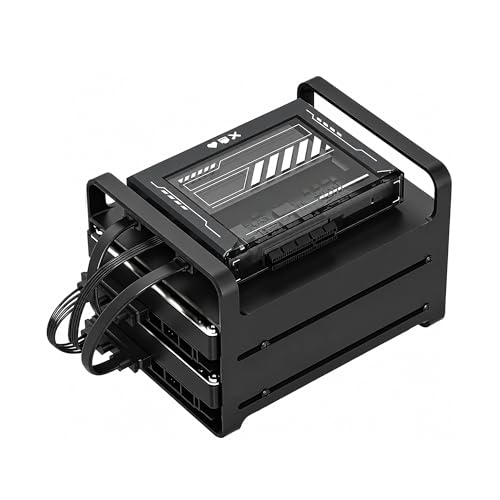
ZimaBlade 7700 x86 Home Server & 2-Bay NAS Kit, Intel Quad-Core, 16GB RAM
- Versatile Mini Server for Homelab: Build NAS, cloud, Docker host, retro systems
- Intel Quad-Core x86 Processor: Supports wide OS and software compatibility
- 16GB RAM for Multi-Tasking: Handles multiple services smoothly
As an affiliate, we earn on qualifying purchases.
As an affiliate, we earn on qualifying purchases.
Open-Source Alternatives and Hardware Trends in 2024
Over recent years, the popularity of open-source solutions like Proxmox and Ubuntu Server has grown among tech-savvy users seeking flexible, customizable storage options. The shift away from proprietary solutions has been driven by concerns over privacy, control, and costs. In 2024, this trend continues as detailed guides and community support make DIY NAS setups more accessible.
Previously, commercial offerings like Synology and QNAP dominated the market, but the rise of cost-effective, DIY options is challenging this landscape, especially for enthusiasts who prefer open-source ecosystems.
“Building a minimal ZFS NAS with open-source tools offers unparalleled control and customization, which is ideal for users who want transparency and flexibility.”
— Jane Doe, open-source enthusiast
Limitations and Challenges of DIY Minimal ZFS NAS
While the guide provides a clear framework, some uncertainties remain regarding long-term reliability, hardware compatibility, and ease of maintenance for non-expert users. Additionally, support and troubleshooting may be limited compared to commercial solutions.
It is also not yet clear how this approach scales for larger data needs or enterprise environments, and whether hardware choices will be sufficient for future growth.
Next Steps for DIY NAS Builders and Community Support
Readers interested in this approach should experiment with recommended hardware and follow detailed configuration guides. Community forums and open-source projects are expected to provide ongoing updates, support, and improvements.
Further developments may include streamlined installation scripts, pre-configured images, and expanded community tutorials, making DIY minimal ZFS NAS more accessible in 2024 and beyond.
Key Questions
Is building a DIY ZFS NAS suitable for beginners?
While it is feasible for users with some technical experience, beginners may face challenges with hardware setup and configuration. Community resources and step-by-step guides can help ease the process.
What hardware is recommended for a minimal ZFS NAS?
Affordable x86-based servers, repurposed PCs, or mini-ITX systems with sufficient RAM and storage capacity are ideal. Compatibility with Linux-based OSes is also important.
How does this DIY approach compare in cost to commercial NAS solutions?
DIY setups can be significantly cheaper, especially when repurposing existing hardware, but costs vary depending on hardware choices and storage needs.
Can this setup support enterprise-level data needs?
While suitable for personal and small business use, scaling to enterprise environments may require additional hardware, redundancy, and support considerations.
What are the main risks of building a DIY ZFS NAS?
Risks include hardware compatibility issues, potential data loss if not configured properly, and a lack of official support channels.
Source: hn