
📊 Full opportunity report: Build vs Buy a Prebuilt AI Workstation on ThorstenMeyerAI.com — validation score, market gap, and execution plan.

Get the latest gadgets delivered free — and shop member deals
- Fast, free delivery on millions of items
- Access to Prime Big Deal Days deals on October 6–7
- Prime Video, Amazon Music and more included
TL;DR
In 2026, the landscape for AI workstations has shifted, with prebuilt systems often matching or surpassing DIY prices. The choice depends on speed, control, and long-term needs, with hybrid options emerging as a balanced solution.
In 2026, prebuilt AI workstations are often priced similarly to or lower than custom-built systems, driven by global chip shortages and component price spikes, making them a viable choice for many users seeking speed and reliability.
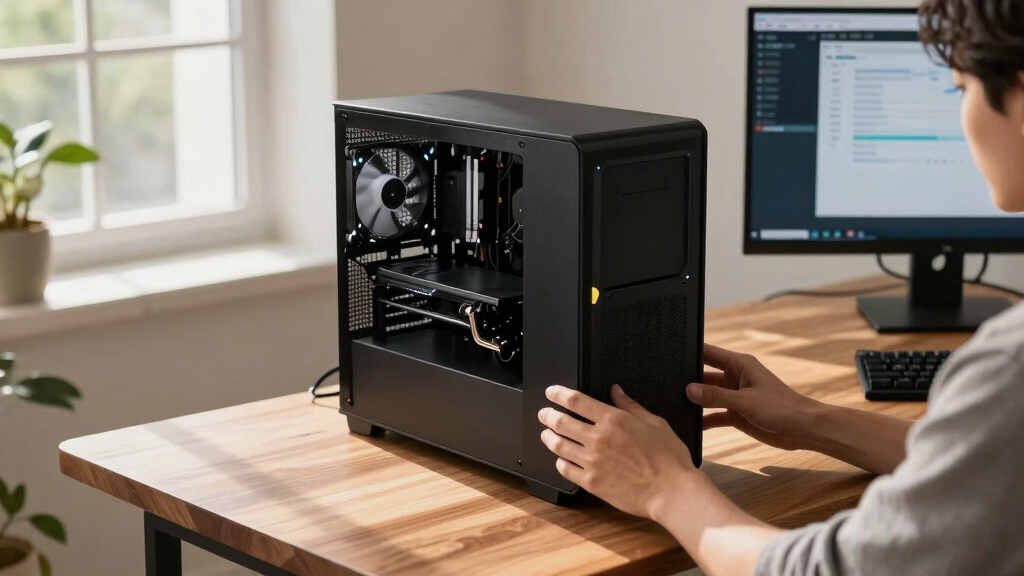
The current market favors prebuilt AI workstations, which come fully assembled, tested, and validated for thermals and performance. For a detailed comparison, see the original analysis. Vendors like Lambda and Puget offer systems with integrated cooling, pre-installed software, and warranties, reducing setup time and operational risks. Building your own system, once cheaper, now involves higher component costs—often exceeding $1,250—and significant time investment in sourcing, assembly, and troubleshooting. Learn more about the build vs buy decision. Deployment speed is a key factor: prebuilt units can be operational within 1–2 weeks, while DIY setups may take over a month. The decision hinges on priorities: if rapid deployment and minimal hassle are essential, prebuilt is advantageous. Conversely, if control over hardware, security, and future upgrades is paramount, building remains attractive but more resource-intensive. Hidden costs for DIY—including labor, ongoing maintenance, and troubleshooting—can outweigh initial savings, especially for teams lacking technical expertise. Support contracts and warranties offered with prebuilt systems further mitigate operational risks, making them appealing for mission-critical applications.Build vs buy
an AI workstation.
The real question behind this whole series: do you pull the five heat-and-noise levers yourself, or buy a prebuilt where the vendor pulled them for you? And in 2026, the old “building is cheaper” rule has broken. Match your situation in Part 3.
Why the 2026 Shift Changes AI Workstation Choices
The evolving market conditions in 2026 make prebuilt AI workstations more competitive, often offering better value and faster deployment than DIY builds. This impacts organizations and individuals by reducing operational risk, minimizing setup time, and lowering long-term ownership costs. For businesses relying on AI for competitive advantage, choosing the right approach now involves weighing not just initial costs but also support, maintenance, and speed to market. The trend toward hybrid solutions—combining prebuilt reliability with custom upgrades—further expands options, emphasizing the importance of strategic planning in hardware procurement.
As an affiliate, we earn on qualifying purchases.
Market Conditions and Trends in 2026
Global chip shortages and price spikes in 2025 and early 2026 increased the cost of individual components, reversing previous cost advantages of DIY systems. Bulk purchasing by vendors and validated prebuilt configurations have allowed companies like Lambda and Puget to offer systems that are cost-competitive or cheaper than assembled parts. Historically, building your own system was seen as cheaper, but current market dynamics have shifted this balance. Additionally, the rise of preconfigured, validated systems with warranties and support has made them more attractive for organizations seeking quick deployment and reduced operational risk.
"In 2026, prebuilt AI workstations often match or beat DIY prices due to bulk buying and component shortages, making them a practical choice for many users."
— Thorsten Meyer, AI hardware expert
Unresolved Factors in the Build vs Buy Decision
While current trends favor prebuilt systems, long-term cost comparisons remain complex due to potential future hardware price fluctuations, evolving software requirements, and the availability of new components. The impact of supply chain disruptions and technological advancements could also alter the balance between build and buy options. Additionally, some organizations may face internal constraints—such as lack of technical expertise or specific security requirements—that influence their choice, but these factors are still being assessed.
Next Steps for AI Hardware Procurement in 2026
As the market continues to evolve, vendors are expected to release updated prebuilt systems with new hardware and improved configurations. Organizations should compare total cost of ownership, including hidden expenses like maintenance and support, before making a decision. Monitoring hardware prices and supply chain developments will be crucial for planning future upgrades or builds. Additionally, hybrid approaches combining prebuilt systems with custom upgrades are likely to grow in popularity, offering flexible solutions tailored to specific needs.
Key Questions
Are prebuilt AI workstations more reliable than DIY systems?
Prebuilt systems are generally tested and validated for thermals and performance, which can enhance reliability and reduce troubleshooting time. Support and warranties also add to their dependability. For a comprehensive overview, see the original analysis.
Is building my own AI workstation still cost-effective in 2026?
Due to global component shortages and price increases, building your own system is often more expensive and time-consuming than before. It may only be cost-effective if you require highly customized hardware or specific security controls.
How quickly can I deploy a prebuilt AI workstation?
Most prebuilt systems can be operational within 1–2 weeks, whereas DIY builds may take over a month due to sourcing, assembly, and testing processes.
What are the hidden costs of building my own AI workstation?
Hidden costs include labor for sourcing and assembly, ongoing maintenance, troubleshooting, software updates, and potential downtime, which can outweigh initial hardware savings.
Will the market conditions in 2026 affect future prices?
Yes, supply chain disruptions and technological advances could influence hardware prices and availability, impacting the long-term cost-effectiveness of build vs buy decisions.
Source: ThorstenMeyerAI.com
Halloween Picks
halloween
As an affiliate, we earn on qualifying purchases.