

Walking after meals is a simple habit that offers big health benefits. It helps your digestion stay smooth and reduces bloating by encouraging muscle movement. A quick 10-15 minute walk can also lower blood sugar spikes, supporting better metabolic health. Plus, it boosts circulation and energy levels without any extra effort. Making this a daily routine is easy and effective—if you’re curious about how small changes can transform your wellness, keep exploring.

Get the latest gadgets delivered free — and shop member deals
- Fast, free delivery on millions of items
- Access to Prime Big Deal Days deals on October 6–7
- Prime Video, Amazon Music and more included
Key Takeaways
- A short walk after meals enhances digestion, reduces bloating, and promotes smoother food transit.
- Post-meal walking helps lower blood sugar spikes by encouraging muscles to absorb excess glucose.
- Regular light activity supports metabolic health, weight management, and overall wellness.
- Gentle walking stimulates circulation and improves digestive health without strenuous effort.
- Incorporating brief walks into daily routines is a simple, effective habit with significant health benefits.
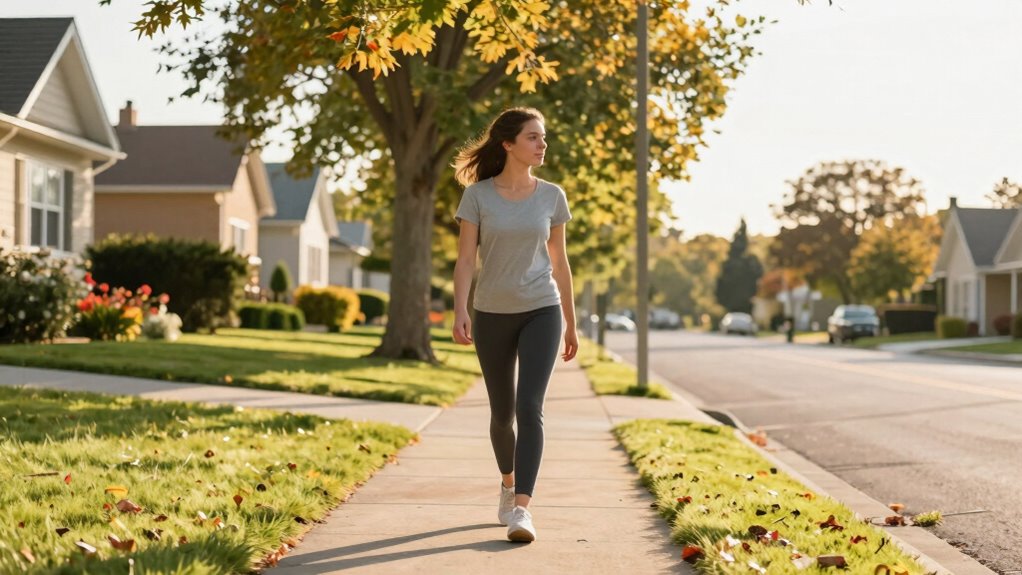
Have you ever wondered how a simple walk after eating can benefit your health? It’s a small habit that packs surprisingly powerful benefits, especially when it comes to meal digestion and blood sugar control. After a meal, your body is busy digesting food, and taking a gentle walk helps this process along. Moving your body encourages the muscles to contract, which can enhance the movement of food through your digestive system, reducing the chances of bloating or discomfort. Instead of sitting still after eating, a quick stroll can make digestion smoother and more efficient, so you feel less sluggish and more energized. Incorporating healthy habits like post-meal walking can contribute significantly to overall wellness.
When it comes to blood sugar control, walking after your meal is especially effective. After you eat, your blood sugar levels tend to rise as your body processes the carbs and sugars from your food. Staying inactive can cause these levels to spike higher and stay elevated longer, which isn’t ideal, especially if you’re managing diabetes or trying to prevent it. A brief walk—just 10 to 15 minutes—can help your muscles use that excess sugar more effectively, lowering your blood sugar levels faster. This activity prompts your muscles to absorb more glucose from your bloodstream, easing the strain on your pancreas and insulin response. Research shows that post-meal activity can help regulate blood sugar levels and improve metabolic health over time. Engaging in post-meal activity can also aid in metabolic health, supporting your body’s overall energy balance and function.
Additionally, the gentle movement of walking can stimulate circulation and improve overall digestive health, making it a beneficial practice beyond just blood sugar management. You don’t need to push yourself hard; a light, steady pace is enough to see benefits. Think of it as a gentle way to boost your health without adding extra stress to your day. It’s easy to fit into your routine—step outside, walk around your block, or stroll through your office or home. This small effort can make a big difference, especially if you’re trying to control your weight or improve your metabolic health. Plus, the act of walking after meals can become a relaxing, mindful moment, helping you unwind and connect with your surroundings.
walking shoes for post-meal walks
As an affiliate, we earn on qualifying purchases.
As an affiliate, we earn on qualifying purchases.
Frequently Asked Questions
How Long Should I Walk After Each Meal?
You should aim for a 10 to 30-minute walk after each meal, depending on your meal size and schedule. Ideally, start walking within 30 minutes of finishing, as this helps regulate blood sugar levels and aids digestion. The key is consistency, so find a walking duration that feels manageable for your meal timing and lifestyle. Even a short, brisk walk can provide significant health benefits.
Is Walking After Meals Safe for Everyone?
Walking after meals is generally safe for most people, but you should be cautious if you have health issues like heart problems or diabetes. Post-meal stretching and gentle evening strolls can be beneficial, but avoid vigorous activity right after eating if you experience discomfort. Always listen to your body, and consult your doctor if you’re unsure. Moderate walking promotes digestion and overall well-being without risking your health.
Can Walking After Meals Help With Weight Loss?
Yes, walking after meals can aid weight loss by boosting your metabolism and helping your body burn calories more efficiently. It complements your diet plans and exercise routines, making your efforts more effective. By incorporating a short walk into your post-meal routine, you enhance digestion and calorie expenditure, which over time supports your weight management goals. It’s a simple habit that can lead to significant health benefits.
What Is the Best Time of Day to Walk After Eating?
You should walk about 15 to 30 minutes after your meal, ideally during the early evening or shortly after dinner. This timing aligns well with your meal timing and helps optimize digestion. Keep your exercise intensity moderate; brisk walking is ideal to boost blood sugar regulation without overexerting yourself. Staying consistent with this routine can enhance your overall health and support weight management.
Does Walking After Meals Improve Digestion Significantly?
Walking after meals can considerably improve digestion, with studies showing a 20-30% reduction in bloating and discomfort. When you include post-meal stretching and stay hydrated during walks, you enhance this effect. These habits help move food through your digestive system more efficiently, reducing indigestion and acid reflux. So, taking a short walk after eating, combined with hydration, actively supports your digestive health and eases discomfort.
Conclusion
So, next time you finish eating, lace up your shoes and take that walk. It’s like giving your health a gentle nudge in the right direction—small steps with big ripples. Walking after meals isn’t just a habit; it’s a secret weapon, turning everyday moments into powerful health boosts. Think of it as planting seeds for a healthier future, one stride at a time. Your body will thank you for this simple, yet mighty, daily ritual.
Fall Picks
fall essentials
As an affiliate, we earn on qualifying purchases.