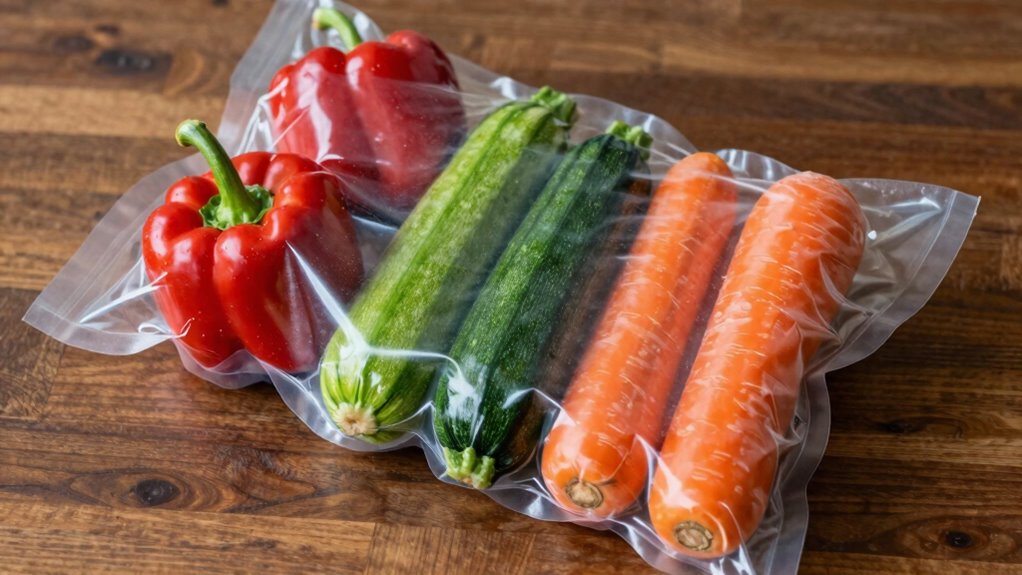
Vacuum sealing saves more than just freezer space; it considerably extends your food’s freshness, preventing spoilage and freezer burn. By removing air, you reduce bacteria growth and preserve nutrients, keeping your food safe and nutritious longer. It also helps you cut down waste and save money by allowing bulk purchases and proper portioning. Plus, it keeps your storage organized and efficient. Keep exploring to discover how vacuum sealing can transform your food management.
Key Takeaways
- Vacuum sealing extends food shelf life, reducing the need for frequent grocery trips and minimizing overall food waste.
- It preserves food quality and nutrients, decreasing spoilage and the likelihood of discarding spoiled items.
- By creating compact, organized packages, vacuum sealing optimizes storage space and improves pantry and freezer organization.
- It prevents freezer burn and spoilage, maintaining food freshness and reducing waste due to spoiled products.
- Vacuum-sealed portions facilitate efficient meal prep, saving time and reducing mess during cooking and storage.
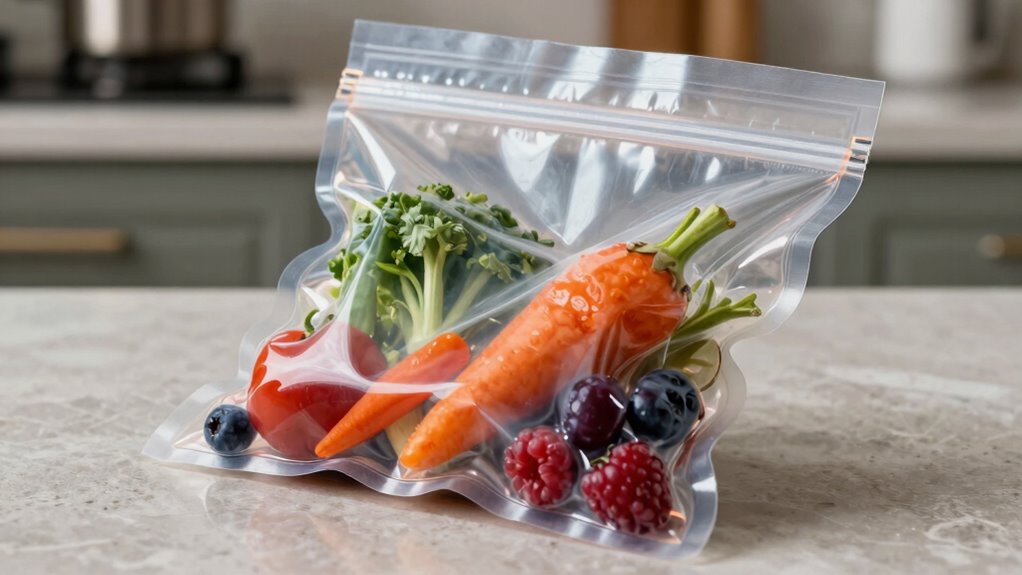
Vacuum sealing is an effective way to extend the freshness and shelf life of your food by removing air from storage bags or containers. When you vacuum seal your groceries, you’re doing more than just saving space; you’re actively improving food preservation. Air exposure accelerates spoilage, so by eliminating it, you prevent bacteria, mold, and freezer burn from ruining your food. This process helps you keep produce, meats, and leftovers fresh longer, reducing waste and saving you money in the long run. Instead of tossing spoiled items, you can enjoy your food for weeks or even months after purchasing or cooking.
Vacuum sealing extends food freshness, reduces waste, and saves money by preventing spoilage and freezer burn.
One of the biggest benefits of vacuum sealing is how it minimizes food waste. When food stays fresh longer, you’re less likely to throw away leftovers or produce that’s gone bad before you get a chance to eat it. You can buy in bulk, knowing that you’ll be able to portion and store food in a way that maintains quality. This is especially helpful when shopping for seasonal fruits and vegetables or bulk meats, as you can portion out what you need and seal the rest for future use. By reducing waste, you not only save money but also lessen the environmental impact of discarded food. Additionally, vacuum sealing can help you maximize storage space by making your pantry or freezer more organized and efficient. Proper sealing also helps retain the nutritional value of your food, ensuring you get the most health benefits from your stored items. Incorporating vacuum sealing into your routine can also support meal prep efficiency by allowing you to prepare and portion ingredients ahead of time.
Vacuum sealing also streamlines your meal prep and storage habits. Instead of cluttering your fridge or freezer with loosely packed items that can get lost or damaged, you create neat, compact packages. These sealed bags take up less space and are easier to organize. You’ll find that stacking or lining them up is more efficient, freeing up valuable freezer or pantry room. Plus, sealed packages are less prone to leaks and spills, which means less mess and easier cleanup. This level of organization can make meal planning smoother and cooking more efficient. Additionally, vacuum sealing helps protect food from freezer burn, maintaining quality even after long storage periods. Proper sealing can also help you preserve nutrients, ensuring your food remains nutritious over time.
As an affiliate, we earn on qualifying purchases.
Frequently Asked Questions
Can Vacuum Sealing Extend Food Shelf Life Significantly?
Yes, vacuum sealing can greatly extend your food’s shelf life. It enhances food preservation by removing air, which slows bacterial growth and prevents freezer burn. Plus, the packaging durability ensures your food stays fresh longer, reducing waste. You’ll notice better quality and fresher taste over time. With vacuum sealing, you’re effectively protecting your food, saving money, and making meal prep easier and more efficient.
Is Vacuum Sealing Suitable for Liquids and Soups?
Yes, vacuum sealing is suitable for liquids and soups, but you need to follow proper liquid sealing techniques. To prevent spills, freeze the soup first until it’s firm, then vacuum seal it with a specialized liquid bag or use a straw to draw out excess air. This method guarantees effective soup preservation and prevents leaks, making vacuum sealing a practical option for storing liquids without sacrificing freezer space or risking messes.
How Often Should Vacuum Sealers Be Cleaned?
You should clean your vacuum sealer after every few uses, especially if you notice any food residue or leaks. Regular cleaning frequency helps prevent mold and bacteria buildup, ensuring sealer maintenance stays effective. Inspect seals, gaskets, and the sealing strip often, and wipe down surfaces with a damp cloth. Keeping your vacuum sealer clean guarantees peak performance, prolongs its lifespan, and maintains food safety.
Are There Foods That Shouldn’T Be Vacuum Sealed?
You shouldn’t vacuum seal foods with high moisture content, like fresh produce or soft cheeses, because it can compromise food safety and packaging compatibility. Also, avoid sealing raw meats with bones or liquids that might cause leaks. Always guarantee your vacuum sealer is compatible with the food type to prevent spoilage or contamination. Properly sealing foods helps maintain freshness and safety, but being mindful of these limitations is essential.
What Are the Environmental Impacts of Vacuum Sealing Bags?
Vacuum sealing bags can pose environmental concerns due to recycling challenges and material sustainability issues. Many bags are made from plastics that aren’t widely recyclable, contributing to waste accumulation. You can minimize impact by choosing bags made from biodegradable or recyclable materials and reusing them when possible. Being mindful of these factors helps reduce your environmental footprint and supports more sustainable packaging practices.
Conclusion
By vacuum sealing your food, you not only save freezer space but also extend its freshness and quality. It’s a simple step that can prevent waste and save money in the long run. Remember, a stitch in time saves nine—taking small precautions now can prevent bigger problems later. So, start sealing today and enjoy fresher food, less clutter, and smarter storage. The little efforts you make now will pay off in the future.