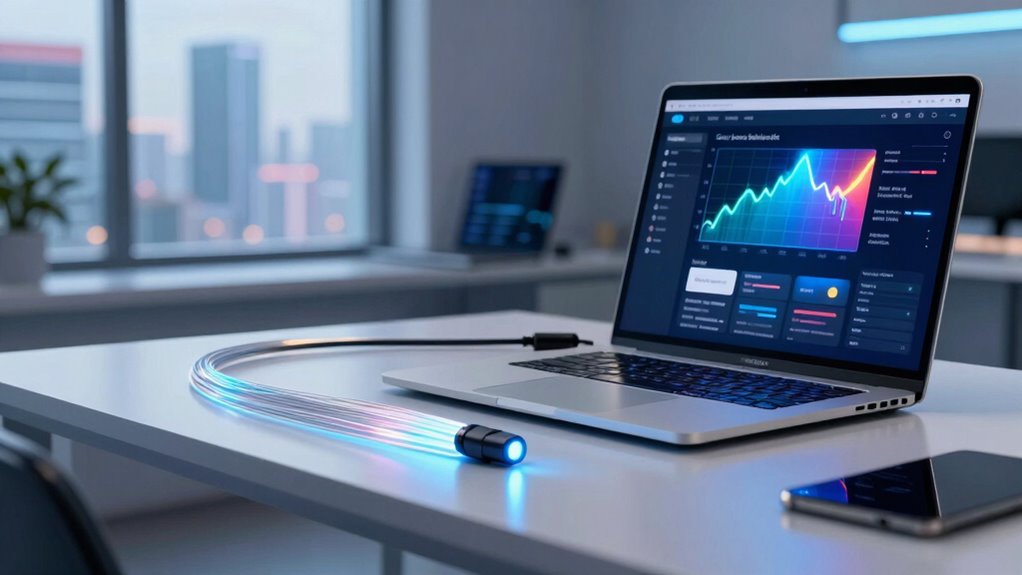

Multi-gig internet feels faster even before hitting peak speeds because of reduced latency and smarter traffic management that improve your responsiveness. Modern hardware handles data more efficiently, minimizing bottlenecks and buffering. This creates a smoother experience during online activities, making everything seem quicker. You’ll notice better performance during gaming, streaming, or multiple device use, even without maxing out your speeds. Keep exploring to discover how these factors work together for a faster, more seamless connection.

Get the latest gadgets delivered free — and shop member deals
- Fast, free delivery on millions of items
- Access to Prime Big Deal Days deals on October 6–7
- Prime Video, Amazon Music and more included
Key Takeaways
- Reduced network congestion ensures smoother data flow even at lower speeds.
- Lower latency provides quicker responses, making activities feel more immediate.
- Modern hardware and traffic management optimize data handling for better responsiveness.
- Increased bandwidth minimizes delays during multiple simultaneous tasks.
- Overall network efficiency creates a perception of faster internet before reaching maximum speeds.
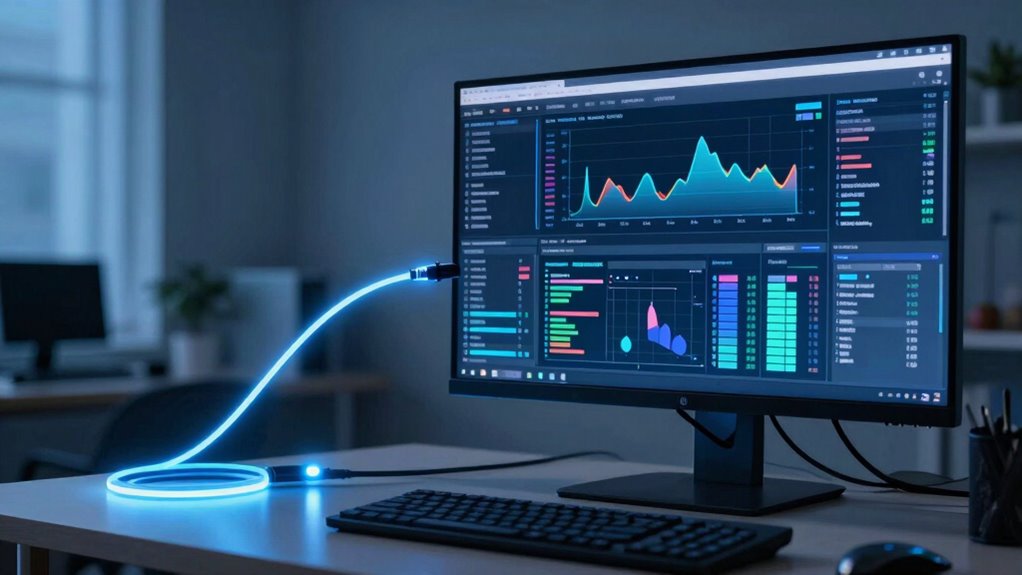
As more devices connect to the internet and streaming, gaming, and remote work demand higher bandwidth, multi-gig internet speeds have become essential. You might assume that the real difference shows only when you hit those lightning-fast peak speeds, but that’s not entirely true. Even before reaching maximum speeds, a multi-gig connection feels noticeably faster because of how it handles network congestion and reduces latency. When multiple devices stream videos, download files, or engage in online gaming simultaneously, traditional internet speeds often slow down due to network congestion. Your connection becomes sluggish because the network struggles to allocate enough bandwidth, leading to buffering, lag, and delays. But with multi-gig internet, you’re better equipped to handle these demands. The increased bandwidth reduces the likelihood of congestion, meaning your data flows more smoothly even during peak usage times. This results in an immediate perception of speed, as your devices rarely get bogged down by competing traffic. Additionally, the modern network infrastructure is designed to optimize data flow and reduce delays across the entire system, further enhancing the experience. A robust network architecture ensures these improvements are sustainable over time, even as your demands grow.
Latency reduction is another major factor why multi-gig speeds feel faster. Latency refers to the delay between sending a request and receiving a response. Lower latency means quicker responsiveness, which you notice most during real-time activities like gaming, video conferencing, or live streaming. With multi-gig internet, the infrastructure is designed to minimize this delay, providing a more responsive experience. Even if you’re not hitting full gigabit speeds, the reduced latency ensures your commands are executed instantly, making your online activities feel snappier. This is especially noticeable when you’re switching between applications or loading new pages, where the difference in responsiveness is immediately apparent.
Another reason you feel faster with multi-gig is that modern equipment, such as routers and network adapters, are optimized for these speeds. They handle data more efficiently, reducing bottlenecks that were common with older hardware. This optimization contributes to a more seamless experience, even before peak speeds are reached. Plus, the advanced technology behind multi-gig setups often includes better traffic management protocols, which prioritize critical data and further reduce delays. As a result, your network is more resilient, handling multiple tasks without sacrificing speed or responsiveness. The adaptive traffic management ensures your network remains stable and efficient, even during heavy usage periods. This comprehensive approach to network design means that users experience consistent, high-quality connectivity regardless of fluctuating demands.
In essence, multi-gig internet speeds offer a perceptible improvement even at lower throughput levels because they mitigate network congestion and cut down latency. You’ll notice your online activities become smoother, more responsive, and less frustrating, giving you the feeling of a faster connection without necessarily hitting those maximum speeds. It’s this combination of increased bandwidth, smarter traffic handling, and lower latency that makes multi-gig internet feel faster right from the start.
As an affiliate, we earn on qualifying purchases.
Frequently Asked Questions
How Does Latency Impact Perceived Internet Speed?
Latency directly impacts your perceived internet speed because high latency causes delays in data transmission, making everything feel slower. Bandwidth limitations can worsen this by restricting data flow, while signal interference from other devices or networks adds to the delay. When latency is low, your connection feels quicker because data moves smoothly and promptly. Reducing interference and increasing bandwidth can substantially improve your online experience, making everything seem faster even before reaching peak speeds.
Can Older Devices Handle Multi-Gig Speeds Effectively?
Older devices might struggle with multi-gig speeds, but don’t worry—it’s more about device compatibility than obsolescence. As technology evolves, newer hardware is designed to handle these rapid connections efficiently. While some older gadgets may not fully utilize multi-gig capabilities, upgrading your equipment guarantees you get the most out of your internet plan. Embracing tech evolution helps you stay connected smoothly, even if your current device isn’t at the cutting edge.
What Role Does Network Congestion Play in Speed Perception?
Network congestion impacts your speed perception by causing delays and buffering, even if your bandwidth is high. When many devices use the network simultaneously, bandwidth management becomes vital to prioritize your activities. Signal interference from other electronics or Wi-Fi networks can also reduce effective speeds, making it feel slower. Even with multi-gig speeds, managing congestion and minimizing interference help guarantee your connection feels faster and more reliable.
Is Wi-Fi 6 Necessary for Optimal Multi-Gig Performance?
Wi-Fi 6 isn’t strictly necessary for multi-gig performance, but it considerably improves your experience. With over 60% of new devices now supporting Wi-Fi 6, your device compatibility and signal strength matter more than ever. Wi-Fi 6 offers faster data transfer rates and better handling of multiple devices, ensuring you get the most out of your multi-gig internet. Without it, you might not fully realize the speed potential, especially in busy households.
How Does the Speed Tier Affect Online Gaming Experiences?
Your online gaming experience depends heavily on the speed tier, as higher tiers provide more bandwidth allocation, reducing lag and improving responsiveness. Make certain your router is compatible with your internet plan to maximize performance. A compatible router can handle the increased speeds, minimizing bottlenecks. Even if your connection is fast, inadequate hardware or limited bandwidth allocation can cause latency issues, affecting your gameplay quality.
Conclusion
Think of multi-gig internet like a rocket ready for launch. Even before it hits full throttle, you can feel the excitement and anticipation building. The rapid initial speeds make everything feel instant and seamless, like the rocket just needs a little push to lift off. So, even if you’re not hitting peak speeds yet, the journey feels faster and smoother, giving you that exhilarating sense of progress every step of the way.
Fall Picks
fall essentials
As an affiliate, we earn on qualifying purchases.