

A great cold open grabs your attention right away by establishing a strong tone and mood. It uses quick visuals, impactful music, and concise storytelling to immediately immerse you. Focused character moments reveal fears, motives, or secrets, sparking curiosity. Every shot or line counts, creating emotional and narrative tension efficiently. If you keep exploring, you’ll see how these elements combine to hook viewers and set up the episode’s core themes seamlessly.
Key Takeaways
- It immediately captures attention with a compelling, intriguing moment.
- It efficiently introduces mood, tone, and narrative direction.
- It reveals character motivations or secrets to spark curiosity.
- It uses visual and auditory techniques to heighten emotional impact.
- It establishes themes and stakes, leaving a lasting impression.
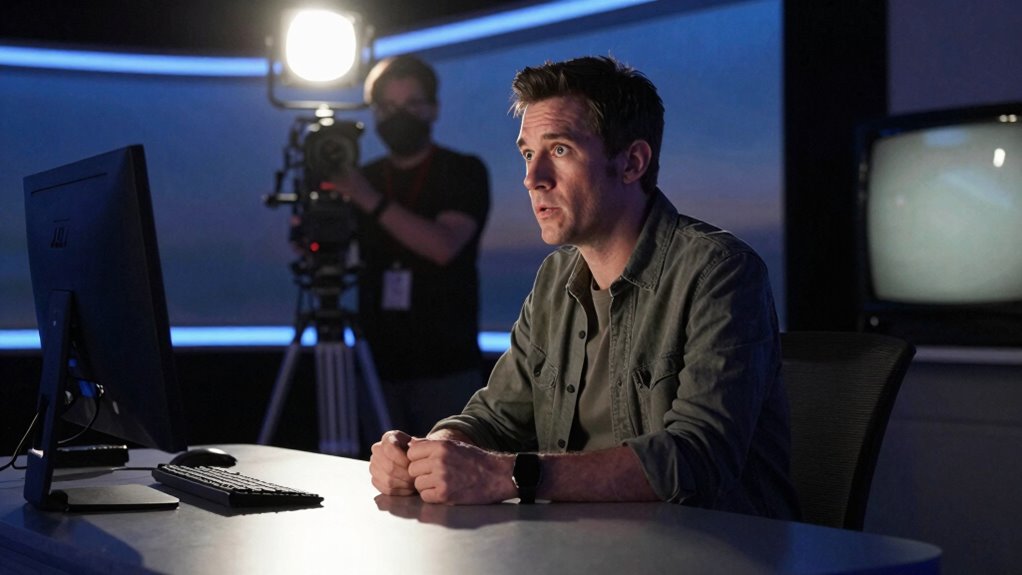
Have you ever wondered what makes a TV show’s opening unforgettable? The key often lies in a well-crafted cold open that grabs your attention immediately. A great cold open sets the tone for the episode, pulling you into the story right from the start. It’s not just about flashy visuals or dramatic music; it’s about creating a compelling moment that hooks you emotionally and intellectually. One essential element is character development. When a cold open reveals just enough about a character’s motivations, fears, or secrets, it sparks curiosity and makes you want to learn more. You might see a character in a tense situation or making a *pivotal* decision, which provides subtle insights into their personality. This quick glimpse into their world invites you to invest emotionally and makes the unfolding story more engaging. Additionally, effective cold opens often utilize visual storytelling techniques that amplify character development and narrative tension. Quick cuts, evocative imagery, or atmospheric music can heighten the emotional impact and set the mood instantly. It’s about establishing a tone that resonates throughout the episode. And because it’s brief, it must be efficient—every shot or line counts. This precision *assures* that you’re immediately immersed in the story, *eager* to find out more about the characters’ fates and the conflicts they face. Incorporating narrative structure skills can help craft a more impactful opening that seamlessly introduces key themes. A well-crafted opening sequence can leave a lasting impression and create anticipation for what’s to come. In essence, a great cold open combines sharp character insights with compelling narrative tension. It’s a masterful way of capturing your attention, making you care about what’s to come, all while setting up the episode’s core themes. When these elements work together seamlessly, the opening becomes an unforgettable moment that lingers with you long after the credits roll.

As an affiliate, we earn on qualifying purchases.
Frequently Asked Questions
How Long Should a Cold Open Typically Last?
A cold open should typically last around 30 seconds to two minutes. This duration allows you to grab viewers’ attention without disrupting pacing dynamics or hindering character development. Keep it concise yet impactful, setting the tone and intrigue early on. By balancing suspense and clarity, you guarantee your audience stays hooked and enthusiastic to learn more, making the cold open an effective, engaging start to your episode.
Can a Cold Open Reveal Major Plot Points?
Yes, a cold open can reveal major plot points, but you should do it carefully. It’s a powerful tool for character development and creating suspense, hooking viewers right away. When you introduce key plot elements early, it builds intrigue and sets the tone. Just make certain you don’t give away too much too soon—balance is key to keeping your audience enthusiastic to see what happens next.
Are Cold Opens Used More in Comedy or Drama?
You’ll find cold opens more often in comedy, where they act like a punchy teaser to grab your attention instantly. In genre analysis, they create a quick, engaging snapshot that pulls you into the story’s mood. They’re designed to boost audience engagement, making you curious and enthusiastic to watch more. While dramas also use them, comedies rely heavily on cold opens to set the tone and spark immediate laughter.
What Are Common Pitfalls to Avoid in Cold Opens?
You should avoid confusing or overly complex cold opens that hinder character development or disrupt pacing techniques. Don’t reveal too much too soon, as it can lessen suspense. Steer clear of clichés or unrelated scenes that don’t set the tone. Instead, craft a concise, engaging hook that introduces key characters and maintains a steady pace, encouraging viewers to stay tuned without feeling overwhelmed or disconnected.
Do Viewers Prefer Serial or Standalone Cold Opens?
You find that viewers prefer standalone cold opens, like opening a book to a compelling scene that sparks curiosity instantly. Think of it as a quick snapshot that grabs attention—visual storytelling at its best—without demanding prior knowledge. As you craft your cold open, focus on character development within that moment, ensuring it’s engaging enough to stand alone while setting the tone for the episode.
Conclusion
A great cold open instantly grabs your attention, pulls you into the story, and sets the tone for everything that follows. It’s like a spark that ignites a blazing fire of curiosity, making viewers feel like they’re about to experience something unforgettable. When done right, it leaves you breathless, craving more, and enthusiastic to see what’s next. Master this skill, and you’ll create TV moments so powerful, they’ll be etched into viewers’ memories forever.