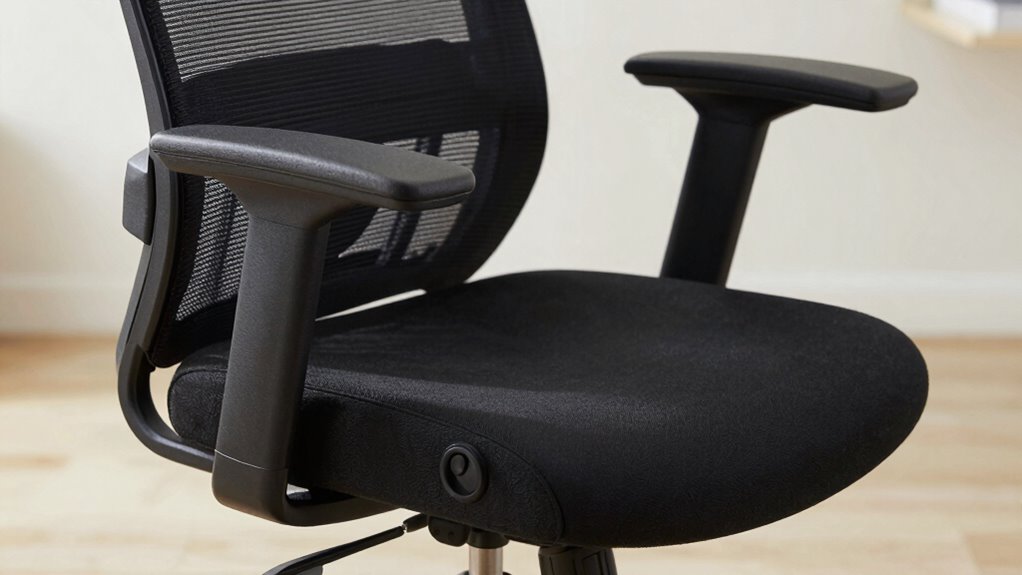

Properly adjusting your chair’s tilt tension is key to all-day comfort. If it’s too tight, you’ll struggle to lean back naturally, causing stiffness and discomfort. Too loose, and your chair will feel unstable, leading to poor posture and fatigue. Finding the right balance supports your spine, encourages movement, and reduces muscle strain. When you understand how to fine-tune your tilt tension, you’ll enjoy better posture and less fatigue throughout the day—keep exploring to learn how!

Get the latest gadgets delivered free — and shop member deals
- Fast, free delivery on millions of items
- Access to Prime Big Deal Days deals on October 6–7
- Prime Video, Amazon Music and more included
Key Takeaways
- Proper tilt tension supports natural movement, reducing muscle fatigue and enhancing comfort during extended sitting.
- Correct adjustment balances stability and flexibility, preventing discomfort from too tight or too loose settings.
- Fine-tuning tilt tension improves posture and reduces strain on back and neck throughout the workday.
- Ergonomic adjustments promote better focus and well-being by maintaining optimal support and comfort.
- Aesthetic and functional design of tension controls contributes to a stylish, cohesive workspace environment.
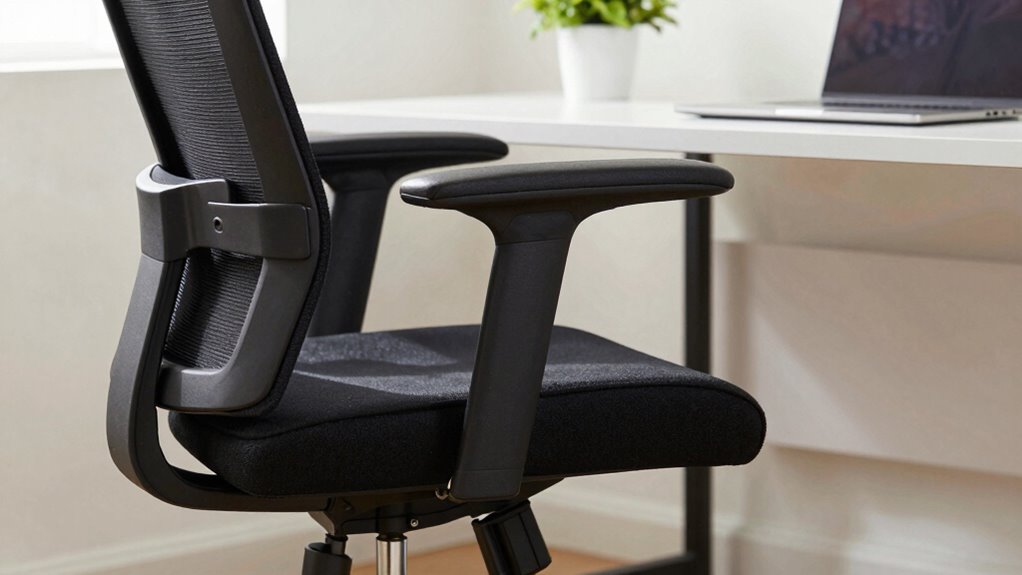
Ever wondered why some chairs keep you comfortable all day while others leave you sore and restless? The secret often lies in how well your chair’s tilt tension is adjusted. When set correctly, tilt tension offers significant ergonomic benefits, supporting your body’s natural movements and reducing strain on your back and neck. This feature allows you to lean back comfortably without feeling like you’re fighting against the chair’s resistance. Proper tilt tension encourages better posture, minimizes fatigue, and helps you stay focused longer during work or leisure. It’s not just about comfort; it’s about maintaining your health over hours of sitting.
Properly adjusted tilt tension supports your posture, reduces fatigue, and keeps you comfortable all day long.
Adjusting tilt tension might seem simple, but it’s crucial for optimizing your chair’s ergonomic benefits. When set too tight, you’ll find it difficult to lean back or change positions, which can cause discomfort and stiffness. Conversely, if it’s too loose, you may feel unstable and unsupported, leading to poor posture and potential aches. Striking the right balance allows you to move naturally, supporting your spine’s curve and reducing pressure on your lower back. With the right tilt tension, you can shift positions effortlessly, preventing muscle fatigue and enhancing overall comfort during your entire workday. Additionally, understanding the adjustment mechanisms of your chair can help you fine-tune the tension more precisely for optimal comfort. A proper understanding of ergonomic design can further improve how you set up your workspace for comfort and health. Recognizing how ergonomic principles influence your chair’s features ensures you make adjustments that truly benefit your posture and well-being. Being aware of adjustment techniques can also help you troubleshoot and customize your chair’s settings more effectively.
Aesthetic considerations also come into play when choosing and adjusting your chair. A well-designed chair with sleek, modern lines can elevate your workspace’s look, making it more inviting and professional. When the tilt tension is properly set, your chair’s smooth movement and balanced support add to its visual appeal. It looks more refined and functional, giving you confidence in your workspace setup. Additionally, many chairs feature discreet adjustment controls that blend seamlessly into the design, so you don’t have to sacrifice style for comfort. By fine-tuning the tilt tension, you not only improve your comfort but also ensure your chair complements your workspace’s aesthetic, creating a cohesive and pleasing environment.
Ultimately, understanding and adjusting chair tilt tension isn’t just about comfort—it’s about investing in your well-being and workspace aesthetics. When you get it right, you experience a blend of ergonomic benefits that support your health and aesthetic considerations that enhance your environment. It’s a small adjustment with big impacts, helping you stay comfortable, focused, and stylish throughout your day.
ergonomic office chair with adjustable tilt tension
As an affiliate, we earn on qualifying purchases.
As an affiliate, we earn on qualifying purchases.
Frequently Asked Questions
How Often Should I Adjust My Chair’s Tilt Tension?
You should adjust your chair’s tilt tension whenever you notice discomfort or when your posture changes, typically every few months. Regularly reviewing your office ergonomics and using ergonomic accessories can help maintain proper support. Keep in mind, a well-adjusted tilt tension promotes all-day comfort, preventing strain. Adjust it more often if you switch between different tasks or seating positions, ensuring your chair supports your body properly throughout your workday.
Can Improper Tilt Tension Cause Back Pain?
Yes, improper tilt tension can cause back pain because it affects your posture and support. If your chair’s tilt tension is too loose or tight, it can lead to poor alignment, putting strain on your lumbar support and seat padding. Adjusting the tension correctly helps maintain proper back support, reduces pressure on your lumbar area, and guarantees your seat padding provides comfortable, consistent support all day long.
Is Tilt Tension Adjustment Suitable for All Chair Types?
In a blink of an eye, tilt tension adjustment isn’t suitable for all chair types. You need to check your chair’s design and whether it supports such adjustments. Ergonomic accessories can enhance comfort, but not every chair’s office aesthetics are compatible with this feature. If your chair has a tilt mechanism, adjusting tension can improve support; otherwise, it might be best to stick with your current setup for all-day comfort.
What Tools Are Needed to Modify Tilt Tension?
To modify tilt tension, you’ll typically need a screwdriver, often a flat-head or Phillips, depending on your chair model. Some chairs have a tension adjustment knob beneath the seat or near the chair armrests, making it easy to access. When working on leather upholstery, be gentle to avoid damage. Confirm your tools match the screws, and if your chair has complex features or specialized parts, consult the manufacturer’s instructions.
Does Chair Tilt Tension Affect Overall Ergonomic Support?
Imagine you’re back in the 1980s, but today, chair tilt tension definitely impacts your ergonomic posture. When adjusted properly, it helps maintain lumbar support and prevents strain. If the tension’s too loose or tight, it compromises your support, leading to discomfort and poor posture. So, yes, chair tilt tension plays an essential role in overall ergonomic support, ensuring your back stays supported throughout long work hours.
Conclusion
Think of chair tilt tension as the steady heartbeat of your day—pulsing with support and balance. When it’s just right, every shift feels natural, like a gentle wave carrying you smoothly through your tasks. Adjust it to match your rhythm, and your comfort becomes a dance—fluid and effortless. In this harmony, your chair becomes more than just a seat; it’s a trusted partner guiding you through hours with grace and ease.
Fall Picks
fall essentials
As an affiliate, we earn on qualifying purchases.