
If you want the best GPUs for ultra settings VR in 2026, I’d recommend models like the GIGABYTE GeForce RTX 3060, ASUS RTX 3060 V2 OC, and ZOTAC RTX 3060 Twin Edge OC for powerful performance and smooth visuals. The XFX Radeon RX 580 GTS offers a solid AMD alternative, while the ASUS RTX 2060 provides great value. Stick around, and I’ll show you how to choose the perfect card for your immersive experience.
Key Takeaways
- Top GPUs like NVIDIA RTX 3060 and AMD RX 580 offer high VRAM, ray tracing, and real-time rendering capabilities for ultra VR settings.
- Essential features include VR-ready certification, high-bandwidth outputs (HDMI 2.1, DisplayPort 1.4), and advanced cooling systems.
- Minimum of 8GB GDDR6 VRAM and fast memory speeds (e.g., 15,000 MHz) are crucial for detailed textures and smooth performance.
- Cooling solutions such as dual/triple fans, vapor chambers, and quiet operation ensure thermal management during extended VR sessions.
- Connectivity options supporting 8K, high-refresh-rate headsets, multiple displays, and PCIe 4.0 future-proof the VR experience.
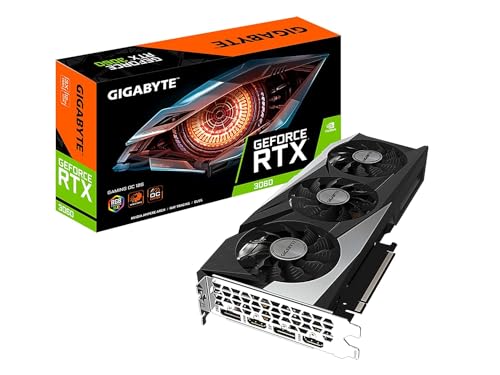
| GIGABYTE GeForce RTX 3060 Gaming OC 12G | 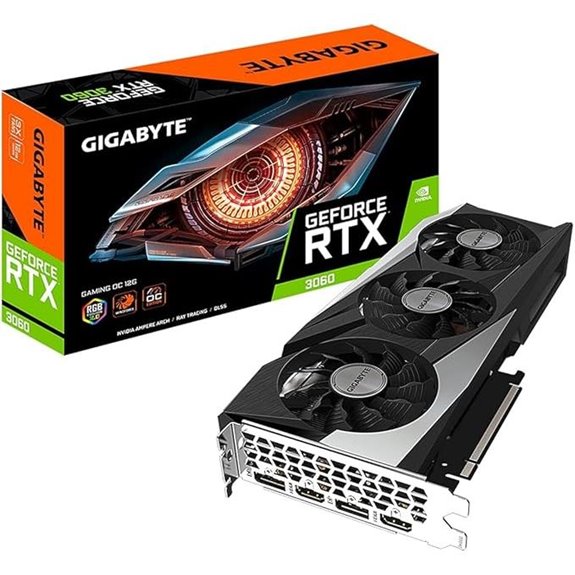 | High-Performance Gaming | Memory Size: 12GB GDDR6 | Ray Tracing Support: Yes | Connectivity Ports: 2x HDMI 2.1, 2x DisplayPort 1.4 | VIEW LATEST PRICE | See Our Full Breakdown |
| XFX Radeon RX 580 GTS XXX Edition 8GB Graphics Card | 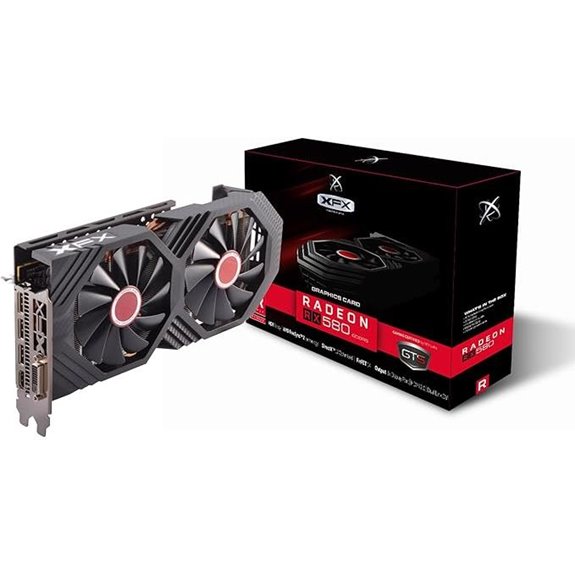 | Budget VR Ready | Memory Size: 8GB GDDR5 | Ray Tracing Support: No | Connectivity Ports: 1x HDMI, 3x DisplayPort | VIEW LATEST PRICE | See Our Full Breakdown |
| ASUS RTX 3060 V2 OC Gaming Graphics Card | 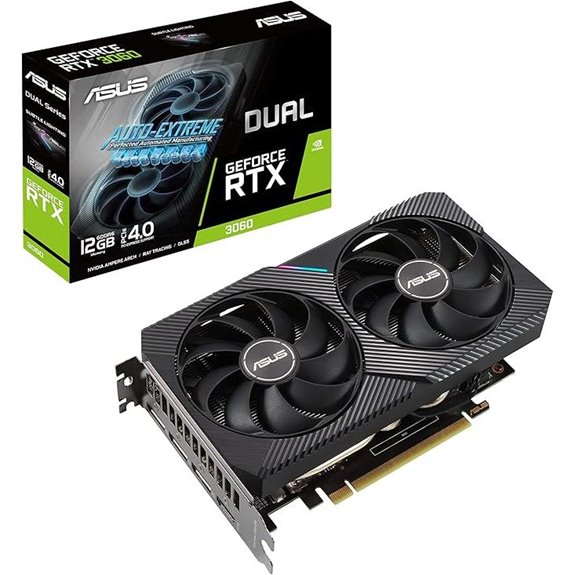 | Best Ray Tracing | Memory Size: 12GB GDDR6 | Ray Tracing Support: Yes | Connectivity Ports: HDMI 2.1, DisplayPort 1.4a | VIEW LATEST PRICE | See Our Full Breakdown |
| ZOTAC GeForce RTX 3060 Twin Edge OC Graphics Card | 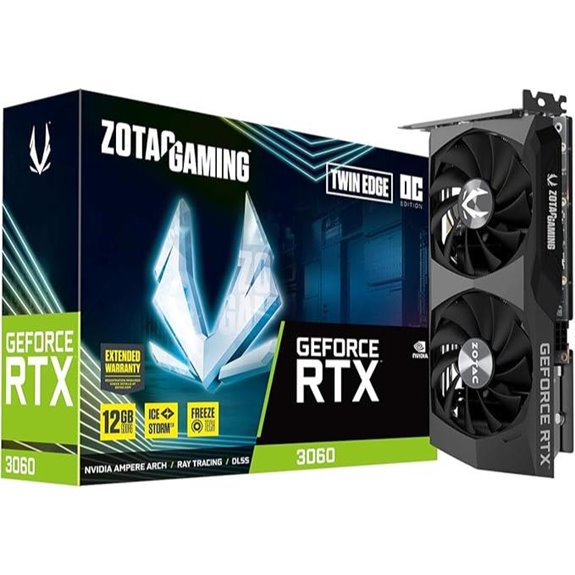 | Versatile Connectivity | Memory Size: 12GB GDDR6 | Ray Tracing Support: Yes | Connectivity Ports: 1x HDMI 2.1, 3x DisplayPort 1.4a | VIEW LATEST PRICE | See Our Full Breakdown |
| ASUS GeForce RTX 2060 Overclocked 6G Graphics Card |  | Reliable Mid-Range | Memory Size: 6GB GDDR6 | Ray Tracing Support: Yes | Connectivity Ports: HDMI 2.0, DisplayPort 1.4, DVI | VIEW LATEST PRICE | See Our Full Breakdown |
More Details on Our Top Picks
GIGABYTE GeForce RTX 3060 Gaming OC 12G
If you’re looking for a budget-friendly GPU that still packs a punch for ultra settings VR in 2026, the GIGABYTE GeForce RTX 3060 Gaming OC 12G is an excellent choice. It features NVIDIA’s Ampere architecture, with second-generation Streaming Multiprocessors, RT Cores, and Tensor Cores, delivering impressive performance. With 12GB of GDDR6 memory and a core clock of 1837 MHz, it handles demanding games and creative tasks smoothly. Its WINDFORCE 3X cooling system keeps temperatures in check, even during intense sessions. Connectivity options include HDMI 2.1 and DisplayPort 1.4, making it versatile for various setups. Overall, it’s a solid, efficient card for VR in 2026.
- Memory Size:12GB GDDR6
- Ray Tracing Support:Yes
- Connectivity Ports:2x HDMI 2.1, 2x DisplayPort 1.4
- VR Ready:Yes
- Cooling System:WINDFORCE 3X
- Architecture:NVIDIA Ampere
- Additional Feature:RGB Fusion 2.0 lighting
- Additional Feature:Metal backplate protection
- Additional Feature:WINDFORCE 3X cooling system
XFX Radeon RX 580 GTS XXX Edition 8GB Graphics Card
The XFX Radeon RX 580 GTS XXX Edition 8GB is an excellent choice for gamers seeking reliable VR performance at a more accessible price point. Its factory overclocked speeds—up to 1386 MHz boost—deliver solid performance for virtual reality gaming. Built on Polaris architecture with 4th gen GCN cores, it offers efficient power consumption and enhanced visuals. The dual dissipation cooling keeps temperatures in check during intense sessions, while multiple outputs—DisplayPort, HDMI, DVI—ensure versatile connectivity. With AMD VR Ready and LiquidVR technology, it provides smooth, low-latency VR experiences. Overall, this card balances affordability and performance, making it a strong option for VR enthusiasts in 2026.
- Memory Size:8GB GDDR5
- Ray Tracing Support:No
- Connectivity Ports:1x HDMI, 3x DisplayPort
- VR Ready:Yes
- Cooling System:XFX double dissipation
- Architecture:Polaris (GCN)
- Additional Feature:Factory overclocked settings
- Additional Feature:Built on 14nm FinFET process
- Additional Feature:Multiple display outputs
ASUS RTX 3060 V2 OC Gaming Graphics Card
For gamers seeking a reliable mid-range GPU capable of handling ultra settings in VR by 2026, the ASUS RTX 3060 V2 OC Gaming Graphics Card stands out. It features 12GB of GDDR6 memory, PCIe 4.0 support, and advanced cooling with Axial-tech fans for quieter operation. Powered by NVIDIA’s Ampere architecture, it offers double the FP32 throughput and supports ray tracing, DLSS, and up to 8K resolution. The OC mode boosts clocks to 1867 MHz, ensuring smooth gameplay. Its 2-slot design makes it versatile for most builds. Overall, this card delivers impressive performance and efficiency for VR enthusiasts looking to future-proof their setup.
- Memory Size:12GB GDDR6
- Ray Tracing Support:Yes
- Connectivity Ports:HDMI 2.1, DisplayPort 1.4a
- VR Ready:Yes
- Cooling System:Axial-tech fans
- Architecture:NVIDIA Ampere
- Additional Feature:Axial-tech fan design
- Additional Feature:OC boost clock 1867 MHz
- Additional Feature:Supports up to 8K resolution
ZOTAC GeForce RTX 3060 Twin Edge OC Graphics Card
The ZOTAC GeForce RTX 3060 Twin Edge OC is a standout choice for gamers seeking an accessible yet capable GPU for ultra-settings VR in 2026, thanks to its robust 12GB GDDR6 memory and advanced cooling system. Its IceStorm 2.0 cooling with active fan control and Freeze Fan Stop feature guarantees quiet operation during intense sessions. Built on NVIDIA’s Ampere architecture, it boasts 2nd Gen Ray Tracing and 3rd Gen Tensor Cores, with a boost clock of 1807 MHz. With PCIe 4.0, multiple display outputs, and 8K support, it’s ready for high-res, immersive VR experiences now and into the future.
- Memory Size:12GB GDDR6
- Ray Tracing Support:Yes
- Connectivity Ports:1x HDMI 2.1, 3x DisplayPort 1.4a
- VR Ready:Yes
- Cooling System:IceStorm 2.0
- Architecture:NVIDIA Ampere
- Additional Feature:IceStorm 2.0 cooling
- Additional Feature:Freeze Fan Stop feature
- Additional Feature:Metal backplate included
ASUS GeForce RTX 2060 Overclocked 6G Graphics Card
If you’re seeking a budget-friendly yet capable GPU for immersive VR experiences in 2026, the ASUS GeForce RTX 2060 Overclocked 6G stands out with its impressive support for digital resolutions up to 7680 x 4320. Powered by NVIDIA’s Turing architecture, it boasts a 1785 MHz boost clock, 1920 CUDA cores, and overclocked 6GB GDDR6 memory. Its dual-fan design with Wing-Blade fans ensures efficient cooling and IP5X dust resistance. Plus, it can support up to four monitors via DisplayPort, HDMI, and DVI. Whether gaming or creating, this card offers solid performance, quiet operation below 55°C, and features like GPU Tweak II for real-time monitoring.
- Memory Size:6GB GDDR6
- Ray Tracing Support:Yes
- Connectivity Ports:HDMI 2.0, DisplayPort 1.4, DVI
- VR Ready:Yes
- Cooling System:Dual Fan EVO
- Architecture:NVIDIA Turing
- Additional Feature:Dust-resistant Wing-Blade Fans
- Additional Feature:Supports up to 4 monitors
- Additional Feature:Includes GPU Tweak II software
Factors to Consider When Choosing a GPU for Ultra Settings VR
When choosing a GPU for ultra settings VR, I focus on several key factors to make certain the best experience. These include graphics processing power, VR-specific features, memory capacity, cooling, and connectivity options. Considering these points helps me pick a card that delivers smooth performance and compatibility.
Graphics Processing Power
Choosing a GPU for ultra settings VR demands careful attention to its core processing power. The number of cores, like CUDA, RT, or Tensor cores, directly influences rendering performance, helping deliver smooth visuals at high frame rates. Clock speed, measured in MHz or GHz, impacts how quickly the GPU processes data, which is essential for maintaining fluid gameplay in demanding VR environments. A substantial VRAM, ideally 8GB or more of GDDR6, ensures the GPU can handle detailed textures and complex scenes without bottlenecks. Advanced architectures with real-time ray tracing and AI acceleration enhance realism and visual fidelity. Ultimately, the overall GPU performance—bandwidth, memory interface width, and core count—determines how well your system can sustain high frame rates during intense VR sessions.
VR Compatibility Features
Selecting the right GPU for ultra settings VR requires guaranteeing it supports essential compatibility features that deliver smooth, immersive experiences. First, check for VR Ready certification and VR-specific technologies like AMD LiquidVR or NVIDIA VRWorks, which help reduce latency and guarantee stable performance. Multiple high-bandwidth outputs, such as HDMI 2.1 and DisplayPort 1.4a, are vital for connecting high-resolution, high-refresh-rate headsets without issues. Sufficient VRAM, ideally 8GB or more, is necessary for handling detailed textures and complex environments seamlessly. Additionally, look for support for advanced ray tracing and AI-driven features to boost realism and fluidity. Finally, verify that the GPU can deliver consistent frame rates above 90Hz, guaranteeing flicker-free, comfortable VR immersion.
Memory Capacity & Speed
To guarantee smooth and immersive VR experiences at ultra settings, it’s vital to pay close attention to a GPU’s memory capacity and speed. A minimum of 8GB of VRAM is essential to handle high-resolution textures and complex scenes without stuttering. Higher memory bandwidth, like 15,000 MHz GDDR6, enables faster data transfer, reducing latency during demanding VR applications. Increased memory capacity helps prevent bottlenecks when rendering large environments with detailed models and effects. Faster memory speeds improve overall performance by allowing quicker loading of assets and textures, enhancing visual quality. However, balancing memory size and speed is key—getting excessive VRAM or overly fast memory may not deliver proportional gains. Striking the right balance guarantees ideal VR performance without unnecessary costs.
Cooling Efficiency & Noise
A GPU’s cooling efficiency and noise levels can greatly impact your VR experience, especially during long sessions at ultra settings. Efficient cooling systems, like dual or triple fan designs, keep temperatures in check, preventing thermal throttling and maintaining peak performance. Advanced cooling technologies, such as vapor chambers or liquid cooling, further reduce heat and noise, ensuring smoother gameplay. High-quality fans with optimized blade designs, like axial-tech or double dissipation systems, minimize turbulence and sound, making your experience quieter. Proper airflow management within your PC case—through good ventilation and strategic fan placement—enhances cooling and cuts down noise. Additionally, features like fan stop mode or zero dB technology keep fans off during lighter loads, providing quieter operation without sacrificing cooling when it’s most needed.
Connectivity Options
When choosing a GPU for ultra settings VR, it’s crucial to pay attention to its connectivity options, as these determine how well your headset and additional displays will integrate with your system. Make sure the GPU has multiple HDMI 2.1 and DisplayPort 1.4a outputs to support high-resolution VR headsets and enable multiple displays at once. Check that it supports VR-specific features like low latency and high bandwidth to prevent lag and ensure smooth experiences. Also, verify the number and type of display outputs align with your VR headset and any extra monitors or accessories you plan to use. Finally, confirm compatibility with the latest connection standards, such as PCIe 4.0, for fast data transfer, ensuring your setup remains future-proof and responsive.
Power Supply Needs
Choosing the right power supply is vital for guaranteeing your high-end GPU performs reliably during ultra settings VR sessions. A powerful GPU typically needs at least 650 to 750 watts to operate smoothly, based on its TDP rating. This wattage guarantees the system remains stable under heavy loads and prevents crashes or boot failures. Many high-end GPUs have multiple power connectors, like 8-pin or 6-pin PCIe cables, so compatibility with your power supply is essential. It’s wise to select a power supply with about 20-30% extra wattage above your GPU’s maximum power draw to allow for future upgrades and consistent performance. Skimping on power can lead to instability, so investing in a quality, adequately rated power supply is a must for an ideal VR experience.
Budget Considerations
Budget considerations play a crucial role in selecting the right GPU for ultra settings VR, as high-end models often come with steep price tags. Setting a clear budget helps narrow down options and prevents overspending on features you might not need. While investing in a powerful GPU is important for smooth, immersive VR experiences, sticking to your budget ensures better value and avoids financial strain. Keep in mind that lower-cost GPUs may struggle to deliver the high frame rates and detailed graphics required for ultra settings VR, which can lead to frustrating performance issues. Balancing your budget with the GPU’s performance specs is essential; it allows you to get the best possible VR experience without overspending, ensuring your investment aligns with your gaming needs and financial situation.
Future-Proofing Potential
To guarantee your GPU remains relevant for future ultra settings VR experiences, it’s essential to consider several key factors that contribute to its longevity. First, ample VRAM—8GB or more—is crucial for handling higher resolution content and software updates. Support for advanced ray tracing and AI features ensures compatibility with evolving graphics technologies. Compatibility with the latest PCIe standards, like PCIe 4.0 or higher, maximizes data transfer speeds for future hardware. A robust cooling system and high power efficiency help maintain peak performance over time, even as VR software demands increase. Additionally, supporting upcoming standards such as HDMI 2.1 or DisplayPort 1.4a ensures seamless connectivity with future VR headsets and peripherals. These factors collectively future-proof your investment and keep your VR experience cutting-edge.
Frequently Asked Questions
How Will Future GPU Advancements Impact VR Graphics Quality?
Future GPU advancements will drastically enhance VR graphics, making visuals more realistic and immersive. I believe we’ll see higher resolutions, faster rendering, and improved frame rates, reducing latency and motion sickness. As GPUs become more powerful and efficient, VR experiences will feel more seamless and lifelike. I’m excited because these innovations will push the boundaries of what’s possible, transforming how we game, learn, and explore virtual worlds.
What Is the Expected Lifespan of a High-End VR GPU?
A high-end VR GPU typically lasts around 3 to 5 years, depending on how demanding VR technology becomes and how often I upgrade my system. I stay ahead by keeping an eye on new releases and tech advancements. As VR graphics improve rapidly, I expect my GPU to stay relevant for a few years but plan to upgrade when performance drops or new features emerge that I can’t enjoy with my current setup.
How Do Cooling Solutions Affect GPU Performance in VR?
Cooling solutions are like the revitalizing gust a GPU needs to stay cool and perform at its peak. When I use advanced cooling, my VR experience stays smooth and immersive, preventing thermal throttling that drags down performance. Good cooling keeps temperatures in check, allowing the GPU to release its full potential without overheating. So, investing in top-tier cooling is essential for those ultra-settings VR adventures I crave.
Are There Specific GPU Features Optimized for VR Experiences?
Absolutely, there are specific GPU features optimized for VR. I look for low latency and high frame rates, ensuring smooth experiences. VR-specific technologies like variable refresh rates and asynchronous reprojection help reduce motion sickness and lag. Additionally, high VRAM and enhanced rasterization capabilities improve detail and performance. These features work together to deliver immersive, responsive virtual reality, making the experience seamless and enjoyable every time I put on my headset.
How Significant Is GPU Ray Tracing for Immersive VR Gameplay?
GPU ray tracing is pretty significant for immersive VR gameplay because it enhances realism by creating more accurate lighting, shadows, and reflections. I find that it makes virtual environments feel more lifelike, pulling me deeper into the experience. Without it, VR can look flat and less convincing. So, if you want truly immersive and visually stunning VR, prioritizing ray tracing support on your GPU is definitely worth it.
Conclusion
Just like Icarus soared toward the sun, chasing ultimate VR experiences demands the right GPU. These five options are my pick for 2026’s mind-blowing ultra settings VR. With power, speed, and future-proof features, they’ll elevate your gaming to legendary heights. So, don’t just dream of flying—gear up with one of these and make it your reality. The sky’s the limit, and your next adventure starts now.