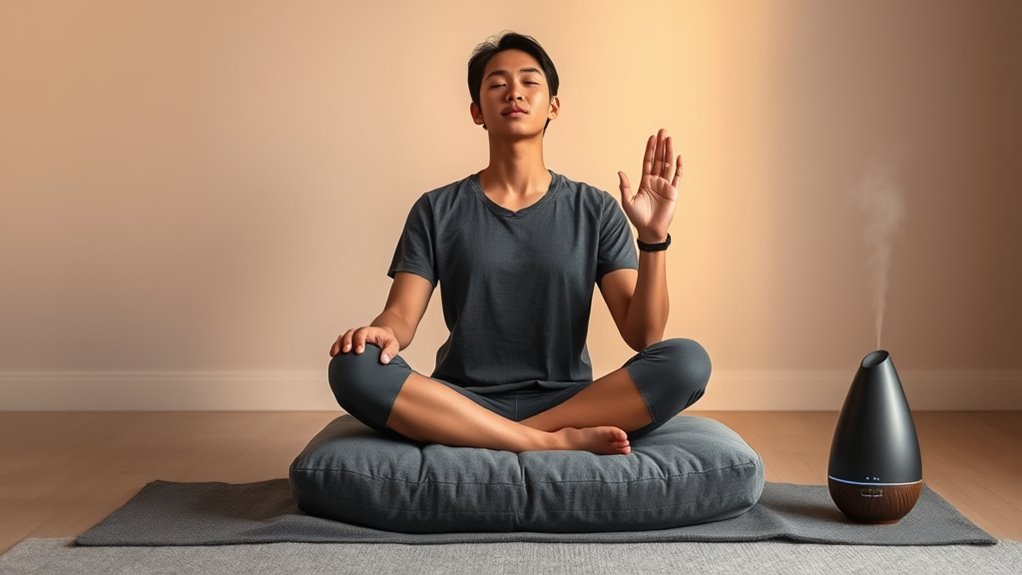

Breathwork basics include simple techniques like box breathing and the 4-7-8 method, which you can easily incorporate into your daily routine. Box breathing involves inhaling, holding, exhaling, and holding again for equal counts, helping calm your mind and body. The 4-7-8 technique emphasizes longer exhalations to reduce tension and improve sleep. By practicing these methods regularly, you’ll better manage stress and enhance your overall well-being—more helpful tips await if you continue exploring.

Get the latest gadgets delivered free with Prime
- Fast, free delivery on millions of items
- Prime Video, Amazon Music and more included
- Member-only deals all year
Key Takeaways
- Breathwork involves intentional breathing techniques like box breathing and 4-7-8 to promote relaxation and mental clarity.
- Box breathing consists of inhaling, holding, exhaling, and holding each for four counts, calming the nervous system.
- The 4-7-8 technique emphasizes longer exhalations—inhale for four, hold for seven, exhale for eight—to reduce stress.
- Regular practice of these techniques enhances emotional resilience, focus, and overall well-being.
- Breathwork can be easily integrated into daily routines to manage stress and improve health.
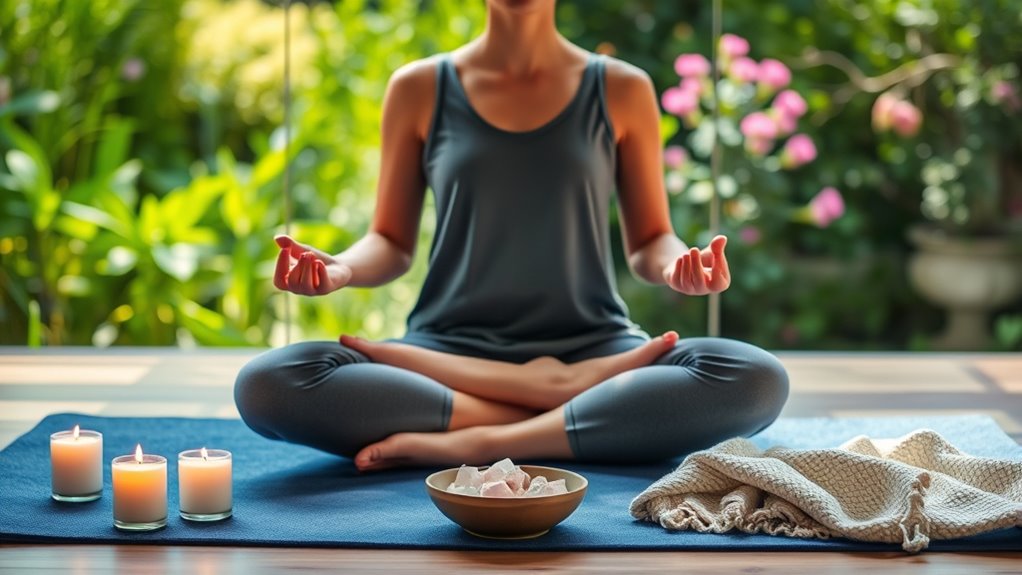
Have you ever wondered how simply controlling your breath can impact your mental and physical well-being? It’s a simple yet powerful concept. By practicing mindful breathing and engaging in specific breathing exercises, you can influence your stress levels, improve focus, and even enhance your overall health. Breathwork isn’t just about inhaling and exhaling; it’s about intentionally using your breath to promote relaxation and clarity. When you focus on your breathing, you’re grounding yourself in the present moment, which is a core principle of mindful breathing. This awareness can help you break free from anxiety and overwhelm, allowing you to regain control over your mental state.
Controlling your breath fosters relaxation, focus, and mental clarity through simple mindful breathing techniques.
Breathing exercises come in many forms, but some are especially effective and easy to learn. For example, the box breathing technique involves inhaling for a count of four, holding your breath for four, exhaling for four, and then holding again for four. This pattern creates a calming rhythm that can slow your heart rate and quiet your mind. It’s often used by athletes and military personnel to maintain composure under pressure. When you practice box breathing regularly, you train your nervous system to respond more calmly to stress, which can improve your resilience over time. It’s a straightforward method you can do anywhere—at your desk, before bed, or during a stressful moment.
Another popular breathing exercise is the 4-7-8 technique, which emphasizes longer exhalations to promote relaxation. To do this, you breathe in quietly through your nose for a count of four, hold your breath for a count of seven, and then exhale slowly through your mouth for a count of eight. This pattern encourages deep, diaphragmatic breathing, helping to release tension and calm your nervous system. The 4-7-8 method can be especially useful when you’re trying to fall asleep or manage anxiety. Over time, it can help reset your stress response, making you more resilient to daily pressures.
Incorporating these breathing exercises into your daily routine doesn’t require much time or equipment, but the benefits are significant. By focusing on mindful breathing, you become more aware of how your body reacts to different situations. This awareness enables you to choose calming techniques when needed. Whether you’re using box breathing during a work break or the 4-7-8 technique before bedtime, these practices empower you to take control of your mental state. With consistent practice, you’ll notice improvements in your mood, focus, and overall well-being, all through the simple act of conscious breathing. Additionally, practicing breathwork can enhance overall well-being by supporting relaxation and stress management.
As an affiliate, we earn on qualifying purchases.
Frequently Asked Questions
Can Breathwork Help With Anxiety or Depression?
Yes, breathwork can definitely help with anxiety and depression. It promotes mindfulness meditation, which encourages you to stay present and reduce stress. By practicing controlled breathing, you enhance your emotional regulation skills, making it easier to manage overwhelming feelings. Regular breathwork sessions can calm your mind, lower anxiety levels, and improve your mood, giving you a practical tool to support mental health and emotional resilience.
How Long Should I Practice Each Breathwork Session?
You should aim for a session duration of 10 to 20 minutes, as this is generally considered ideal timing for experiencing benefits. Start with shorter sessions, around 5 minutes, then gradually increase as you become more comfortable. Consistency is key, so try to practice daily or several times a week to help reduce anxiety or depression symptoms effectively. Adjust the length based on how you feel and your schedule.
Are There Any Risks or Contraindications for Breathwork?
You might think breathwork is as safe as breathing itself, but beware of medical warnings and contraindicated conditions. If you have asthma, hypertension, or heart issues, some techniques could trigger discomfort or complications. Always consult your healthcare provider before starting, especially if you’re pregnant or have recent surgery. Ironically, even something as natural as breathing can need caution—so listen to your body and prioritize safety.
Is Breathwork Suitable for Children or Pregnant Women?
Breathwork can be suitable for children and pregnant women, but you should prioritize safety and consult a healthcare provider first. For children, guarantee activities are gentle and age-appropriate, focusing on relaxation. Pregnant women need pregnancy precautions, avoiding intense or breath-holding exercises that could cause discomfort or harm. Always listen to your body, and seek professional guidance to tailor practices safely for your specific needs.
How Quickly Can I Expect to See Benefits From Regular Practice?
You might think you’ll see instant miracles, but breathwork’s timing expectations vary. Usually, within a few weeks of regular practice, you’ll notice progress indicators like reduced stress, better sleep, or improved focus. Patience is key—your body needs time to adapt. Keep practicing consistently, and you’ll start feeling the benefits gradually. Remember, slow and steady wins the race, even in breathwork.
Conclusion
Now that you’ve explored different breathwork techniques like box breathing and 4-7-8, you’re armed with simple tools to soothe your mind and body. Remember, just like a trusty quill in a bard’s hand, your breath can craft calm amidst chaos. Practice regularly, and you’ll find serenity flowing through your days—no need for a magic wand, just your own steady inhale and exhale. Embrace these techniques, and let peace be your constant companion.
Halloween Picks
halloween
As an affiliate, we earn on qualifying purchases.