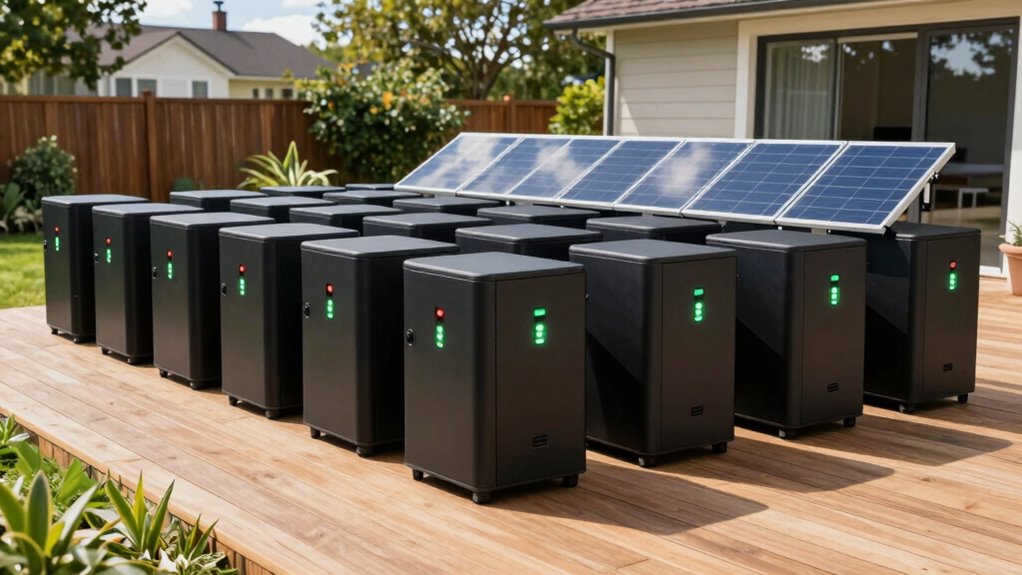

When the power goes out unexpectedly, having a reliable solar generator can make all the difference. The Browey 1600W Portable Power Station stands out as the best overall choice, thanks to its robust capacity and built-in solar panel. For those seeking quick recharging and high power output, the Jackery HomePower 3600 Plus offers extensive backup capabilities, while the Anker SOLIX F3000 provides expandable capacity for long-term resilience. The main tradeoffs in this category revolve around balancing capacity, recharge speed, portability, and price. Keep reading for a detailed breakdown of these options to find the best fit for your emergency preparedness needs.
Complete the kit


Key Takeaways
- The best overall solar generator in this roundup balances high capacity, fast recharge, and portability, with the Jackery HomePower 3600 Plus as a standout.
- Expandable capacity models like the Anker SOLIX F3000 offer long-term flexibility but often come at a higher price point.
- Size and weight vary significantly, with compact options suited for quick, light backup, while larger units serve whole-home needs better.
- Solar panel compatibility and charging speed are vital factors, especially for prolonged outages, but many models still require sunny conditions for optimal recharging.
- Price ranges widely, so understanding your emergency power needs helps determine whether investing in premium features is worthwhile.


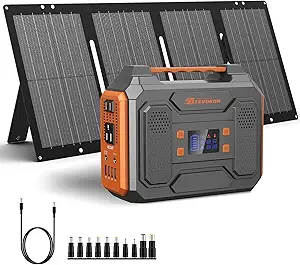
| solar generators for home emergencie | Capacity | Weight |
|---|---|---|
| BROWEY 1600W Portable Power St | 1024Wh | 26 Pounds |
| Solar Generator 1800W with 200 | — | — |
| Jackery HomePower 3600 Plus Po | 3584Wh, expandable to 21kWh | Approximately 29.3% lighter than similar models |
| Anker SOLIX F3000 Portable Pow | 3,072Wh | Heavy (exact weight not specified) |
| OUPES 2000W Solar Generator wi | 1024Wh | — |
| 1000W Portable Power Station 1 | 1024Wh | 27.73 lbs |
| PECRON Portable Power Station | — | — |
| Anker SOLIX C1000 Gen 2 Portab | — | — |
| Anker SOLIX F3800 Portable Pow | 3.84kWh (expandable to 26.9kWh) | — |
| EBL 500W Portable Power Statio | 519.48Wh | 14.1 lbs |
| Portable Solar Generator with | — | 5 lbs |
| Jackery Explorer 2000 v2 Porta | 2042Wh | 39.5 lbs |
| Portable Solar Generator 300W | — | — |
More Details on Our Top Picks
BROWEY 1600W Portable Power Station with 1024Wh LiFePO4 Battery and Built-in Solar Panel
The BROWEY 1600W Power Station stands out for its impressive combination of high power output and safety features, making it suitable for running essential appliances during outages. Compared to the OUPES 2000W Solar Generator, it offers a slightly lower capacity but benefits from a built-in solar panel, eliminating the need for extra equipment. Its 1024Wh LiFePO4 battery ensures over 3000 cycles, translating into long-term reliability. However, at 26 pounds, it’s less portable than lighter options like the Jackery HomePower 3600 Plus. Its 40W solar input may slow recharging when sunlight is limited, requiring additional panels for faster recovery. Overall, this model is best suited for users who need dependable, multi-device power with integrated solar for off-grid use, but not for those prioritizing ultra-lightweight mobility.
Pros:- High continuous power output suitable for appliances and tools
- Long-lasting LiFePO4 battery with over 3000 cycles
- Built-in solar panel for renewable energy charging
- Multiple charging options including AC, USB-C, and car outlet
Cons:- Relatively heavy at 26 pounds, less ideal for frequent portability
- Limited to 40W solar input, which may slow recharge times
Best for: Homeowners seeking reliable, integrated solar backup that can power multiple appliances during blackouts.
Not ideal for: Those needing a lightweight, highly portable generator for frequent outdoor use due to its weight and limited solar input.
- Power Output:1600W (3200W peak)
- Capacity:1024Wh
- Battery Type:LiFePO4
- Weight:26 Pounds
- Dimensions:17.2 x 13.3 x 5.7 inches
- Charging Time:3 hours to 80% via AC and USB-C
Our verdict“A solid all-around choice for users who want a dependable, solar-ready power station with integrated solar panels for home emergencies.”
Solar Generator 1800W with 200W Solar Panel and LiFePO4 Battery
The 1800W Solar Generator with a 200W foldable solar panel excels at quick recharging, making it highly practical for emergency scenarios where time matters. Its 1024Wh LiFePO4 battery supports over 3,500 cycles, promising durability; compared to the OUPES 2000W, it offers a slightly lower surge capacity but benefits from faster AC recharging—just 1.5 hours to full. Its multiple ports, including USB-C PD and four AC outlets, maximize device compatibility. Nonetheless, its weight and size can hinder portability, and the 1024Wh capacity may fall short for extended outages or larger appliances. This model is best for users who prioritize rapid recharge times and versatile connectivity over maximum capacity or ultra-lightweight design.
Pros:- Fast 1.5-hour AC recharge for quick turnaround
- High surge capacity of 3600W, suitable for appliances with startup loads
- Long-lasting LiFePO4 battery with over 3,500 cycles
- Multiple ports including USB-C PD
Cons:- Heavy and bulkier compared to smaller units
- Limited to 1024Wh capacity, restricting extended use
Best for: Campers or homeowners needing fast recharging with multiple device options for moderate power needs.
Not ideal for: Users requiring prolonged, high-capacity backup for entire house circuits or those prioritizing ultra-light portability.
- Wattage:1800W
- Surge Wattage:3600W
- Battery Capacity:1024Wh
- Solar Panel Power:200W
- Charge Time:1.5 hours (AC fast charge)
- Battery Type:LiFePO4
Our verdict“Ideal for those who need fast recharging and reliable power for multiple devices during outages or outdoor activities.”
Jackery HomePower 3600 Plus Portable Power Station, 3600W AC Output, 3584Wh LFP Solar Generator, Expandable up to 21kWh
The Jackery HomePower 3600 Plus offers a remarkable combination of high capacity and expandability, making it a leading choice for those seeking whole-house backup during prolonged outages. Its 3584Wh base capacity, extendable to an extraordinary 21kWh, surpasses most smaller units like the Anker SOLIX F3000. Its 3600W continuous output is sufficient for running large appliances or multiple devices simultaneously. The wheeled, luggage-style design adds mobility, but the higher price tag could deter budget-conscious buyers. While detailed info on solar panel compatibility is limited, its fast hybrid charging makes it a versatile option for emergency preparedness. This unit is best for homeowners aiming for maximum capacity and expandability, with less concern for portability.
Pros:- High capacity, expandable to 21kWh for whole-house backup
- Fast hybrid charging including solar and AC
- Lightweight relative to capacity with wheeled design
- Reliable, long lifespan of 6,000 cycles
Cons:- Higher price point may limit accessibility
- Requires multiple units for full home expansion
Best for: Homeowners needing scalable, whole-house backup with quick recharge options during extended outages.
Not ideal for: Those seeking lightweight, portable solutions for camping or frequent outdoor use due to its size and cost.
- Power Output:3600W
- Capacity:3584Wh, expandable to 21kWh
- Charging Time:AC in 2.5 hours, Solar in 4 hours
- Weight:Approximately 29.3% lighter than similar models
- Design:Luggage-style with wheels and telescopic handle
Our verdict“A top choice for homeowners wanting maximum scalability and reliable power for extended emergencies, accepting less portability.”
Anker SOLIX F3000 Portable Power Station with 400W Solar Panel, 3,072Wh, 6,000W Recharging, Expandable to 24kWh
The Anker SOLIX F3000 is designed for high-demand emergency power, offering over 3000Wh capacity and 6000W recharging power. Its ability to expand to 24kWh makes it suitable for long-term outages or large appliances. Its fast solar recharging (up to 400W) and impressive 6,000W recharging power mean it can recover quickly in emergencies, outperforming many competitors like the OUPES 2000W. However, at a weight exceeding 50 pounds, portability is limited, and setup complexity increases with expansion accessories. The higher price point reflects its advanced features, making it more appropriate for serious backup needs rather than casual outdoor use. This model is best for users prioritizing rapid recharge and high capacity over portability.
Pros:- Fast solar and AC recharging with 6,000W power input
- High capacity expandable to 24kWh for extended use
- Large number of output ports for diverse devices
- Reliable LiFePO4 battery with long cycle life
Cons:- Heavy and bulky, less portable for outdoor activities
- Higher initial cost may be prohibitive for some users
Best for: Homeowners or small business owners needing quick recharge and large capacity for extended outages or critical equipment.
Not ideal for: Those who require a lightweight, portable unit for frequent outdoor or camping use due to its weight and complexity.
- Capacity:3,072Wh
- Solar Panel Power:400W
- Recharging Power:6,000W
- Expandable Capacity:Up to 24kWh
- Weight:Heavy (exact weight not specified)
Our verdict“Best suited for users needing rapid, high-capacity backup with quick recharge times, accepting reduced portability and higher cost.”
OUPES 2000W Solar Generator with Panels Included, Fast Charge, 1024Wh LiFePO4 Power Station for Camping and Emergency
The OUPES 2000W Solar Generator offers a balanced mix of capacity, portability, and rapid charging, making it suitable for both camping and emergency home backup. Its 1024Wh capacity is comparable to smaller units like the Jackery HomePower 3600 Plus, but it adds the convenience of included solar panels and fast 36-minute charging from 0-80%. Its 200W foldable solar panel is practical for off-grid use, though the overall weight and size may limit portability for frequent outdoor adventures. The unit’s surge capacity of 4500W allows for handling appliances with high startup demands. It’s an excellent choice for users who want a compact, quick-charging power station that can be stored easily but may fall short for prolonged, full-home backup.
Pros:- Fast charge from 0-80% in just 36 minutes
- Includes solar panel for off-grid charging
- Good surge capacity for high-startup appliances
- Compact and portable design
Cons:- Limited to 1024Wh capacity, restricting long-term use
- Heavier than smaller portable options at 27.8 lbs
Best for: Campers and homeowners needing a portable, fast-charging backup for essential appliances during outages or trips.
Not ideal for: Those requiring extended power for large appliances or full-home backup due to limited capacity.
- Power Output:2000W (4500W surge)
- Capacity:1024Wh
- Charge Time:36 minutes (0-80%)
- Solar Input:up to 800W
- Battery Type:LiFePO4
Our verdict“Perfect for users seeking a portable, fast-charging, reliable emergency power solution with included solar panels.”
1000W Portable Power Station 1024Wh LiFePO4 Solar Generator for Home Emergency Camping
This portable power station offers a solid 1024Wh capacity with a 1000W continuous output, making it a reliable choice for emergency home use and outdoor activities. Compared with larger units like the PECRON F3000LFP, it’s less overwhelming in size and weight, though it sacrifices some runtime for high-power appliances. The LiFePO4 battery ensures long cycle life and safety, but its runtime for demanding devices is limited, especially during prolonged outages. Its portability—thanks to a lightweight 27.73 lbs and a handle—makes it easier to move around, yet it’s still heavier than smaller options like the EBL 500W. This pick is ideal for those who want dependable backup without the bulk, but it’s less suited for powering high-wattage appliances over extended periods.
Pros:- Long-lasting 1024Wh LiFePO4 battery supports multiple device charging
- Supports solar input up to 300W for renewable recharging
- Lightweight and portable for its capacity with a non-slip handle
- Safe for sensitive medical devices
Cons:- Limited runtime for high-power devices during extended outages
- Requires sunlight for optimal solar charging, which isn’t always available
- Relatively heavy compared to smaller portable options
Best for: Individuals seeking a portable yet reliable backup for essential home devices and outdoor emergencies
Not ideal for: Users needing to power high-wattage appliances continuously or requiring ultra-lightweight gear for frequent mobility
- Wattage:1000 watts
- Capacity:1024Wh
- Peak Power:2000W
- Battery Type:LiFePO4
- Weight:27.73 lbs
- Dimensions:18″L x 12″W x 16″H
- Voltage:110 Volts (AC)
- Runtime:2 minutes
- Solar Input:up to 300W
Our verdict“This unit fits those who prioritize a balanced combination of capacity, portability, and safety for home and outdoor emergencies.”
PECRON Portable Power Station F3000LFP, 3072Wh Solar Generator, 3600W LiFePO4 Battery, Home Backup & Camping Power Station
The PECRON F3000LFP stands out for its massive 3072Wh capacity and 3600W pure sine wave inverter, making it suitable for running multiple heavy-duty appliances during long-term outages. When compared to the Anker SOLIX C1000, it offers far greater capacity but at the expense of size and weight, which could impact portability. Its fast 2-hour charging time and support for solar, AC, and vehicle charging make it versatile for home backup or RV use. However, the need for a special cable to connect additional batteries and its significant bulk—alongside an unspecified price—may limit its appeal for casual users or those with confined storage space. It’s an investment for those who need serious backup power and can handle its size.
Pros:- Extremely high capacity supporting long-term power needs
- Fast 2-hour charging with multiple input options
- Supports powering numerous devices simultaneously with 13 outlets
- Suitable for home, camping, and RV applications
Cons:- Large size and weight reduce portability
- Requires special cables to expand capacity further
- Price may be prohibitive for casual users
Best for: Homeowners wanting a high-capacity, reliable backup for multiple appliances during extended outages
Not ideal for: People seeking a lightweight, portable solution for occasional or outdoor use without heavy-duty needs
- Wattage:3600 watts
- Battery Capacity:3072Wh
- Voltage:220 Volts (AC)
- Total Power Outlets:13
- Runtime:24 hours
- Additional Features:Fast Charging, UPS, Smart Control
Our verdict“This generator makes the most sense for users who need extensive, long-lasting backup power and are less concerned about portability.”
Anker SOLIX C1000 Gen 2 Portable Power Station, 2000W (Peak 3000W), 1024Wh Lithium Iron Phosphate Battery, Solar Generator
The Anker SOLIX C1000 Gen 2 offers a compelling blend of high power and rapid recharging, with 2000W continuous output and a 1024Wh battery. It outshines many competitors by recharging in just 49 minutes, unlike the EBL 500W, which takes hours to recharge via solar or grid. Its compact design and 11% lighter frame make it easier to handle, though the limited port count—10 ports—can be restrictive when multiple devices need simultaneous charging. The battery’s 4000-cycle lifespan ensures longevity, but the relatively high price might deter budget-conscious buyers. This unit is best suited for those who want quick, reliable backup with minimal fuss, but it’s less ideal if you need extensive port options or maximum capacity.
Pros:- Recharges in just 49 minutes, saving time during emergencies
- High continuous power suitable for most devices
- Long-lasting LiFePO4 battery with 4000 cycles
- Compact and lightweight for portability
Cons:- High price compared to similar models with lower features
- Limited to 10 device ports, restricting simultaneous use
- Requires solar panels for off-grid recharging, which are sold separately
Best for: Preppers and outdoor enthusiasts who need fast recharging and portable power for multiple devices during emergencies
Not ideal for: Users requiring large capacity or numerous outlets for long-term or high-wattage appliances
- Battery Capacity:1024Wh
- Peak Power:3000W
- Continuous Power:2000W
- Recharge Time:49 minutes
- Solar Recharging Time:1.8 hours
- Portability:Compact and lightweight
Our verdict“Ideal for those prioritizing rapid recharge times and portability for emergency or outdoor power needs.”
Anker SOLIX F3800 Portable Power Station with 400W Solar Panel
The Anker SOLIX F3800 offers impressive capacity at 3.84kWh, expandable up to 26.9kWh, making it a standout for long-term backup needs. Unlike smaller units like the EBL 500W, it supports dual-voltage AC output (120V/240V) and outdoor durability with an IP67 waterproof rating. This makes it suitable for extended outages or off-grid living where larger power reserves are necessary. However, to reach its full potential, it requires multiple units or additional batteries, which increases cost and complexity. Its bulkier size and high price point mean it’s best suited for serious backup scenarios rather than casual use. If you need scalable capacity for sustained power, this model offers flexibility, but at a premium.
Pros:- High, expandable capacity supports extended outages
- Supports dual-voltage AC output for versatile appliance use
- Waterproof design suitable for outdoor environments
- Fast solar charging with 400W panels
Cons:- Requires multiple units or additional batteries for maximum capacity
- Bulkier setup limits portability and ease of storage
- High initial cost for extensive capacity
Best for: Homeowners planning for long-term outages or off-grid living who need expandable power capacity
Not ideal for: Casual users or those with limited storage space who only need basic backup power
- Capacity:3.84kWh (expandable to 26.9kWh)
- AC Output:6000W (up to 12,000W with additional units)
- Solar Power Input:400W
- Waterproof Rating:IP67
- Recharging Efficiency:Up to 23%
Our verdict“This system is a top choice for those who need scalable, long-term backup power for home or outdoor use and are prepared for a larger setup.”
EBL 500W Portable Power Station with 100W Solar Panel – Solar Generator 519.48Wh for RV, Camping, Home Emergency
The EBL 500W portable power station provides 519.48Wh of capacity, making it suitable for powering essential devices during short-term outages or outdoor trips. Compared to larger models like the PECRON F3000LFP, it’s significantly lighter (just 14.1 lbs) and easier to handle, though it offers less runtime and lower wattage support. The included 100W foldable solar panel enables quick recharging, but its effectiveness diminishes in low sunlight, limiting off-grid utility. Its simple design and affordability make it attractive for casual users or those with minimal backup needs, but it’s not designed for powering high-wattage appliances or for long-term outages where capacity matters most.
Pros:- Lightweight and portable for outdoor use
- Includes a foldable solar panel for quick recharging
- Multiple output options including USB-C PD and wireless charging
- Affordable option for basic backup needs
Cons:- Limited to devices under 500W, restricting heavy-duty use
- Longer recharge times (6-9 hours) via solar or grid
- Less effective in low sunlight conditions
Best for: Campers, RV owners, and homeowners needing a lightweight backup for basic devices
Not ideal for: Those with high power demands or seeking long-term or emergency-grade backup power
- Capacity:519.48Wh
- Weight:14.1 lbs
- AC Outlets:2 (120V, 500W)
- USB Ports:3 USB-A QC3.0, 1 USB-C PD
- DC Ports:2 DC, 1 12V car
- Solar Panel Power:100W
Our verdict“This generator suits casual users seeking portable, affordable backup power for essential devices and outdoor adventures.”
Portable Solar Generator with 300W Power Station and 40W Foldable Solar Panel
This compact and lightweight option stands out for its portability, weighing only 5 lbs, making it ideal for quick deployment during home emergencies or outdoor use. Unlike larger units such as the Jackery Explorer 2000 v2, it offers a more manageable size but sacrifices capacity and runtime, limiting its ability to power larger appliances or sustained use. Its multiple output ports ensure flexibility for charging phones, laptops, and small devices simultaneously, while the included 40W foldable solar panel enables renewable charging on the go. However, with only 220Wh and a 300W continuous power limit, it provides about 2 hours of runtime at full load, which may not suffice for extended outages. This makes it most suitable for short-term power needs or supplementing larger backup systems.
Pros:- Extremely lightweight and portable at just 5 lbs
- Multiple output options including AC, USB-C PD, and DC carport
- Includes a high-efficiency foldable solar panel for renewable energy
Cons:- Limited runtime of approximately 2 hours at full load
- Maximum continuous power of 300W may be insufficient for larger appliances
Best for: Individuals needing a highly portable, quick-charging solution for small devices during short outages or outdoor activities
Not ideal for: Homeowners seeking to backup multiple appliances or sustain prolonged power outages due to its limited runtime and capacity
- Wattage:300W
- Battery Capacity:220Wh
- Battery Type:Li-ion
- Weight:5 lbs
- Output Ports:2×110V AC, 2×USB-C PD, 3×USB-A, 1×DC carport
- Solar Panel Power:40W
Our verdict“Best suited for those who need a lightweight, portable power source for small devices during brief emergencies or outdoor activities.”
Jackery Explorer 2000 v2 Portable Power Station with 2x200W Solar Panels
The Jackery Explorer 2000 v2 excels in providing substantial power capacity, with 2042Wh and a 2200W maximum output, making it well-suited for whole-home backup during outages and demanding outdoor activities. Compared to the smaller, more portable options like the first product, it emphasizes high capacity and reliable, silent operation, thanks to its LiFePo4 battery and advanced safety certifications. While it requires a separate purchase for solar panels and is heavier at nearly 40 lbs, it offers rapid charging times—66 minutes to 80% from AC—and seamless UPS functionality. This makes it a better choice for users seeking longer-term backup solutions but less ideal for those needing ultra-light portability or quick, partial device charging.
Pros:- Large capacity of 2042Wh with 2200W output for versatile backup needs
- Fast charging from AC and solar minimizes downtime
- Silent operation and advanced safety features enhance usability
Cons:- Heavy at nearly 40 lbs, making it less portable
- Requires purchase of solar panels separately for solar charging
- Setup instructions may be technical for some users
Best for: Homeowners wanting a reliable, high-capacity power station capable of powering multiple appliances during extended outages
Not ideal for: Individuals prioritizing portability or quick setup for brief outdoor excursions due to its weight and need for additional solar panels
- Capacity:2042Wh
- Battery Type:LiFePo4
- AC Ports:3
- Max Output:2200W
- Weight:39.5 lbs
- Charging Time (AC):66 minutes to 80%
Our verdict“Best suited for homeowners seeking a high-capacity, reliable backup system for prolonged outages or demanding outdoor use.”
Portable Solar Generator 300W with 60W Foldable Solar Panel and 280Wh Battery
This model offers a balanced combination of portability and functionality, featuring a 280Wh battery and a 60W foldable solar panel, making it a practical choice for outdoor enthusiasts and emergency preparedness. Its multiple charging options—including AC, USB, and DC—allow flexible device powering, with built-in safety protections and a flashlight for outdoor use. Compared with the first product’s smaller capacity, this generator provides slightly more power and the added convenience of a larger solar panel. However, its performance can decline if not used regularly, and it isn’t suitable for appliances over 300W, limiting its use to small to medium devices. Its lack of waterproofing on the junction box also means it’s better suited for dry environments.
Pros:- Multiple charging options including AC, USB, and solar
- Built-in safety protections and cooling system
- High solar conversion efficiency of 20.5%
Cons:- Performance may decline if not used regularly
- Not suitable for appliances over 300W
- Junction box is not waterproof, limiting outdoor durability
Best for: Campers, outdoor enthusiasts, or preppers needing a portable power solution for small appliances and device charging in dry conditions
Not ideal for: Homeowners with frequent or prolonged power outages requiring backup for larger appliances, or those expecting wet conditions outdoors
- Power Output:300W
- Battery Capacity:280Wh
- Solar Panel:60W foldable monocrystalline
- AC Outlets:2 x 300W Max
- Protection Features:Short circuit, over-current, over-voltage, overload, overheating
- Conversion Efficiency:20.5%
Our verdict“Ideal for outdoor use and small device charging, but less suited for long-term home backup or wet conditions.”

How We Picked
To evaluate these solar generators, I focused on performance metrics such as capacity (Wh), power output (W), and recharging speed, which directly impact their effectiveness during home emergencies. Usability factors like weight, portability, and ease of setup also played a key role, since a generator for home use should be straightforward to deploy in an outage. Build quality and battery chemistry—particularly LiFePO4—were prioritized for safety and longevity. Finally, I considered value for money, ensuring each model offers features that justify its price, especially when used as a backup during extended power outages. The ranking reflects a balance of these criteria, favoring models that deliver reliable, versatile, and safe emergency power solutions.Factors to Consider When Choosing Solar Generators For Home Emergencies
Choosing the right solar generator for home emergencies involves several key considerations beyond just capacity and price. Understanding how to evaluate these factors helps ensure you select a model that meets your specific needs, offers good longevity, and provides peace of mind during outages. Careful selection can prevent costly mistakes, such as overpaying for unnecessary features or choosing a unit too small to power critical appliances.Capacity and Power Output
Capacity, measured in watt-hours (Wh), determines how long your generator can run devices during an outage. Power output, expressed in watts (W), affects the number and type of devices you can operate simultaneously. For home emergencies, prioritize models with enough capacity to power essential appliances like refrigerators, lights, and communication devices. Be cautious of overestimating your needs; a generator with excessive capacity may be unnecessarily expensive and bulky, while too small a unit won’t sustain critical loads during extended outages.
Recharging Speed and Solar Compatibility
Fast recharging is crucial when outages last several days, especially if sunlight is limited. Look for models that support rapid charging via AC outlets and solar panels, ideally with multiple input options. Solar panel compatibility varies, so check if the generator supports standard panel connectors and whether panels are included or sold separately. Remember, solar recharge depends heavily on weather conditions; having a generator with flexible recharging options can reduce downtime during long outages.
Portability and Size
For home use, portability might seem less critical, but a lightweight, compact unit can be easier to deploy quickly or move around the house. Larger, higher-capacity models tend to be heavier and bulkier, often suited for permanent backup setups or stationary installation. Consider your space and how often you’ll need to relocate the generator—if you plan to store it in a convenient spot, size becomes a key factor in your decision.
Battery Chemistry and Safety
Battery chemistry impacts the lifespan, safety, and maintenance of your solar generator. LiFePO4 (Lithium Iron Phosphate) batteries are increasingly popular due to their stability, longer cycle life, and thermal safety, making them a smart choice for home emergency systems. Cheaper lithium-ion batteries may degrade faster and pose safety risks over time. Investing in models with proven, safe chemistries can save money and energy in the long run.
Cost and Long-Term Value
Price varies significantly across models, often reflecting capacity, features, and brand reputation. While it might be tempting to choose the cheapest option, consider whether it provides sufficient capacity and durability for your needs. Higher upfront costs often translate into longer-lasting, more reliable units, especially if you anticipate frequent or prolonged outages. Balancing budget against features ensures you get a dependable backup without overspending on unnecessary extras.
Frequently Asked Questions
Can a solar generator power my entire home during an outage?
Most portable solar generators are designed to power essential appliances rather than an entire household, especially during extended outages. To run an entire home, you’d need a high-capacity model with a large battery bank and AC inverter capable of handling the total load, or a dedicated home backup system connected to your electrical panel. For typical emergencies, selecting a generator with enough capacity to run critical devices is usually sufficient, but full-home backup requires specialized, often more expensive, systems.
How long can a solar generator run my devices during an outage?
The runtime depends on the generator’s capacity and the power demand of your appliances. For example, a 2000Wh unit powering a 100W device could run for about 20 hours under ideal conditions. Keep in mind that real-world factors like solar input, device startup surges, and battery health can influence runtime. Planning for longer outages means choosing a generator with higher capacity and ensuring you have enough solar input or alternative recharging options.
Are solar generators safe to leave plugged in unattended?
Yes, most modern solar generators with built-in battery management systems are designed for safe, unattended operation. They include protections against overcharging, overheating, and short circuits. However, it’s still advisable to follow manufacturer instructions regarding placement, ventilation, and charging procedures. Regularly inspecting the unit and ensuring it’s stored in a cool, dry location adds an extra layer of safety, especially if you plan to leave it connected for extended periods.
How do weather conditions affect solar recharging during an emergency?
Cloudy days, rain, or shading can significantly reduce solar panel efficiency, leading to slower recharging times. In prolonged outages, relying solely on solar input might not be sufficient, especially in low-sunlight seasons. Incorporating multiple recharging options such as wall AC power or generator power can mitigate this limitation. Planning for these contingencies ensures your system remains ready when sunlight is scarce.
Is it worth paying extra for a larger capacity or expandable solar generator?
Investing in a larger or expandable system makes sense if you anticipate frequent or long-lasting outages. These models can power more devices simultaneously and often provide longer runtimes, reducing the need for frequent recharges. However, they tend to be bulkier and more expensive, so balancing your emergency power needs with storage space and budget is key. For occasional use, a smaller, more affordable unit might be sufficient and easier to manage.
Conclusion
For most homeowners, the Jackery HomePower 3600 Plus offers the best balance of capacity, ease of use, and reliability, making it an excellent overall choice. Budget-conscious buyers should consider smaller, portable units like the EBL 500W for limited needs. Those seeking maximum power and expandability will appreciate the Anker SOLIX F3000, suited for long-term backup. Beginners will find simple, lightweight models easier to operate, while those with specific needs—like powering a small RV or critical appliances—should prioritize units with higher capacity and faster recharge times. Tailoring your choice to your emergency preparedness plans ensures peace of mind when power fails.