
If you’re looking to elevate your VR experience in 2026, I recommend checking out options like the ASUS RTX 3050 OC, GIGABYTE RTX 5060, and GTX 1060 6GB Dual Fans for budget-friendly performance. For high-end needs, the GTX 1080 or Radeon RX 580 GTS XXX offer excellent power. Compact options like the Maxsun RTX 3050 also fit smaller cases. To find out which suit your setup best, continue exploring the details.
Key Takeaways
- The list includes a range of budget-friendly to high-end GPUs optimized for VR performance in 2026.
- Features like high VRAM (8GB+), advanced cooling, and multiple connectivity options enhance VR experiences.
- Compatibility with latest VR headsets and technologies such as HDMI 2.1, DisplayPort 1.4a, and VR-specific features are prioritized.
- The selection covers compact, versatile, and professional-grade graphics cards suitable for various setups.
- Emphasis is placed on high frame rates, low latency, and ray tracing capabilities for immersive VR gaming and content creation.
| ASUS NVIDIA GeForce RTX 3050 OC Graphics Card | 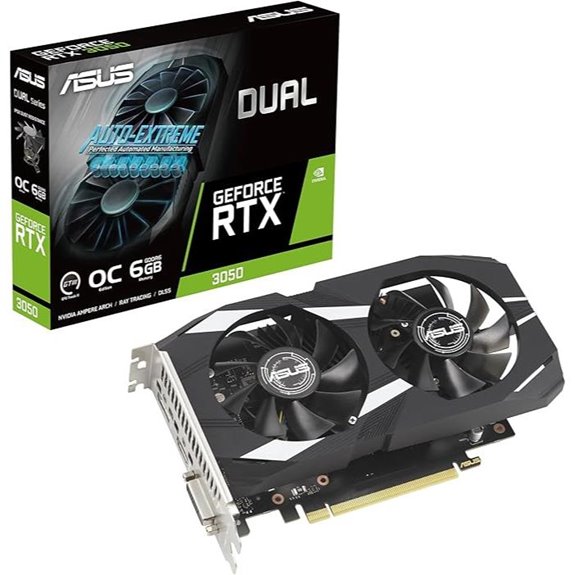 | Compact Powerhouse | Memory Size: 6GB GDDR6 | VR-Ready: Yes | Display Outputs: HDMI 2.1, DisplayPort 1.4a | VIEW LATEST PRICE | See Our Full Breakdown |
| GIGABYTE RTX 5060 WINDFORCE OC 8G Graphics Card | 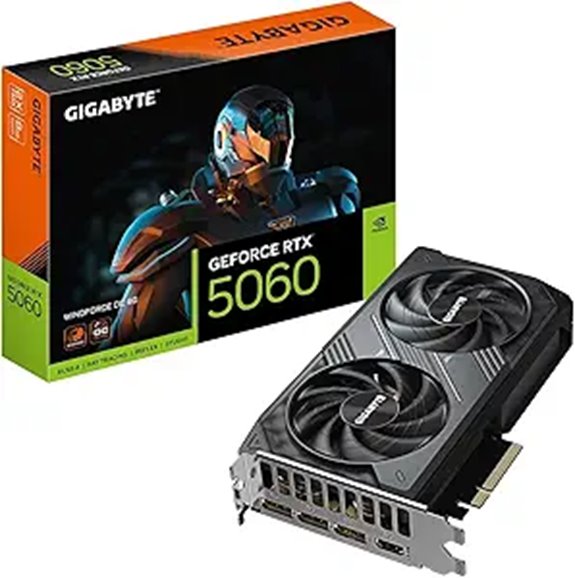 | High-Performance Creative | Memory Size: 8GB GDDR7 | VR-Ready: Yes | Display Outputs: DisplayPort 1.4a, HDMI 2.1 | VIEW LATEST PRICE | See Our Full Breakdown |
| GTX 1060 6GB Gaming Graphics Card with Dual Fans | 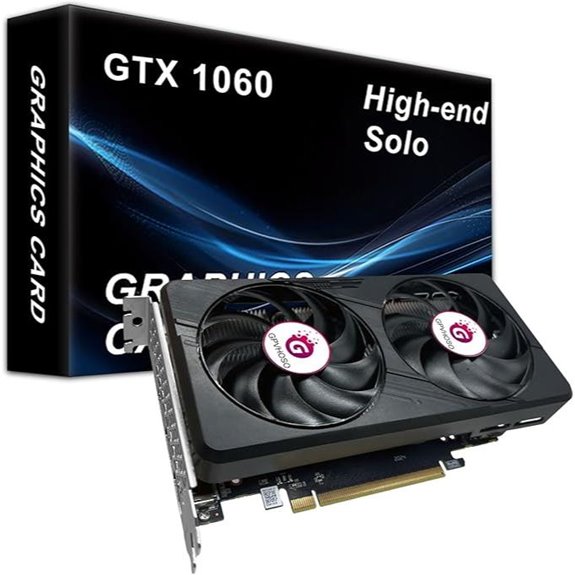 | Budget Gaming | Memory Size: 6GB GDDR5 | VR-Ready: Yes | Display Outputs: HDMI, DisplayPort, DVI | VIEW LATEST PRICE | See Our Full Breakdown |
| XFX Radeon RX 580 GTS XXX Edition Graphics Card |  | VR Ready | Memory Size: 8GB GDDR5 | VR-Ready: Yes | Display Outputs: DisplayPort, HDMI | VIEW LATEST PRICE | See Our Full Breakdown |
| XFX Radeon RX 570 RS 8GB GDDR5 Graphics Card | 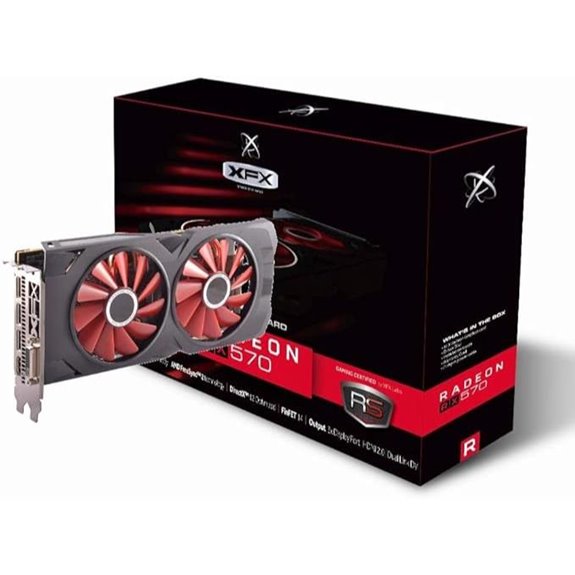 | Value Performer | Memory Size: 8GB GDDR5 | VR-Ready: Yes | Display Outputs: DisplayPort, HDMI, DVI | VIEW LATEST PRICE | See Our Full Breakdown |
| GTX 1060 6GB Graphics Card with Dual Fans |  | Reliable Entry-Level | Memory Size: 6GB GDDR5 | VR-Ready: Yes | Display Outputs: HDMI, DisplayPort | VIEW LATEST PRICE | See Our Full Breakdown |
| Maxsun GeForce RTX 3050 6GB Graphics Card | 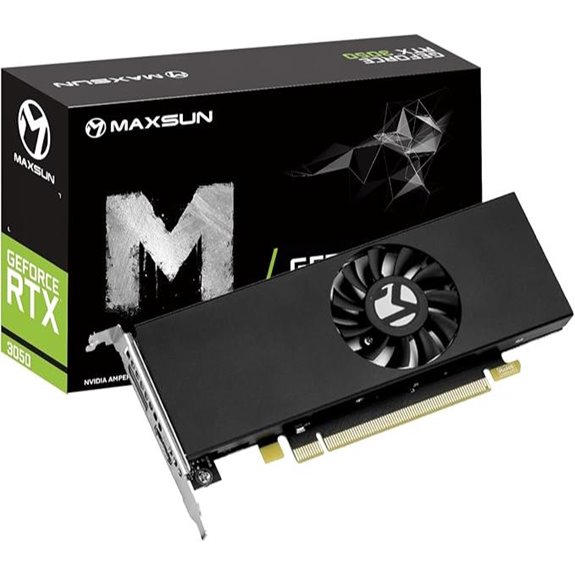 | Small Form Factor | Memory Size: 6GB GDDR6 | VR-Ready: Yes | Display Outputs: HDMI 2.1, DisplayPort | VIEW LATEST PRICE | See Our Full Breakdown |
| MSI RTX 3060 Gaming Graphics Card | 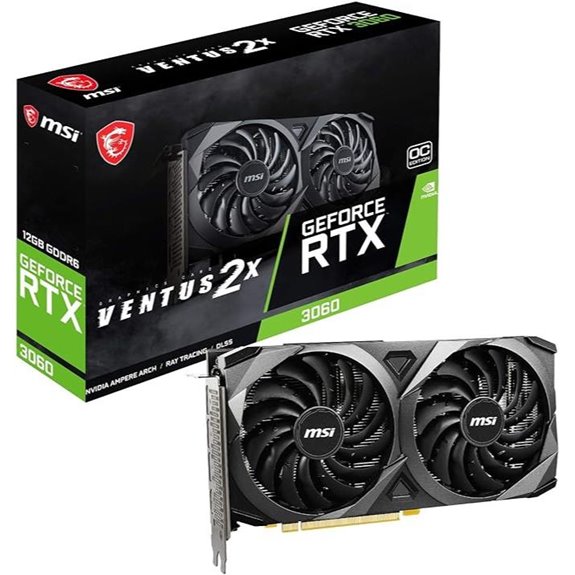 | Mid-Range Marvel | Memory Size: 12GB GDDR6 | VR-Ready: Yes | Display Outputs: HDMI 2.1, DisplayPort x3 | VIEW LATEST PRICE | See Our Full Breakdown |
| GTX 1080 8GB GDDR5X Gaming Graphics Card |  | High-End Classic | Memory Size: 8GB GDDR5X | VR-Ready: Yes | Display Outputs: HDMI, DisplayPort | VIEW LATEST PRICE | See Our Full Breakdown |
| XFX Radeon RX 580 GTS XXX Edition Graphics Card | | Versatile Gaming | Memory Size: 8GB GDDR5 | VR-Ready: Yes | Display Outputs: HDMI, DisplayPort, DVI | VIEW LATEST PRICE | See Our Full Breakdown |
| ASUS GeForce GTX 1060 6GB Dual-Fan Graphics Card | 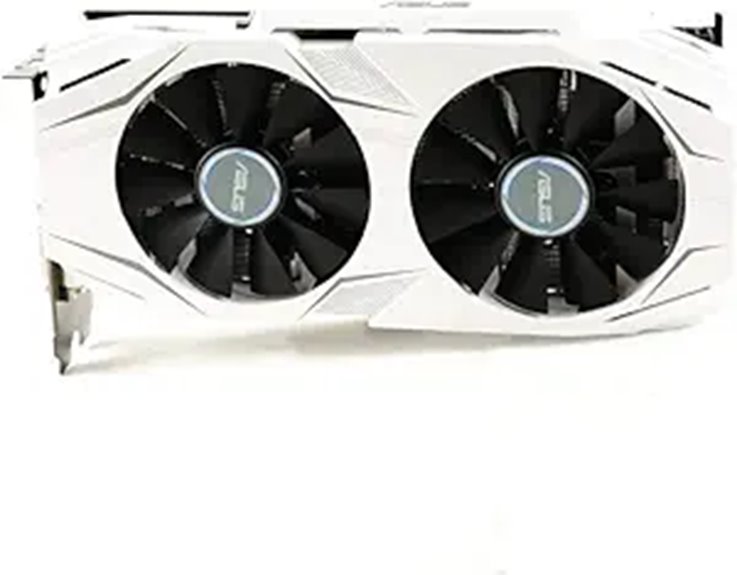 | Long-Lasting Performance | Memory Size: 6GB GDDR5 | VR-Ready: Yes | Display Outputs: HDMI, DisplayPort, DVI | VIEW LATEST PRICE | See Our Full Breakdown |

More Details on Our Top Picks
ASUS NVIDIA GeForce RTX 3050 OC Graphics Card
If you’re looking for an affordable yet capable option for VR in 2026, the ASUS NVIDIA GeForce RTX 3050 OC is a great choice. This graphics card offers solid performance with NVIDIA’s Ampere architecture, doubling ray-tracing throughput and boosting AI features with 3rd Gen Tensor Cores. Its cooling system uses Axial-tech fans for efficient airflow, making it suitable for small cases. Connectivity includes HDMI 2.1 and DisplayPort 1.4a, supporting high-resolution displays. The steel bracket guarantees durability, and 0dB technology keeps noise minimal during light loads. Overall, it’s a reliable, compact card that’s perfect for immersive VR experiences on a budget.
- Memory Size:6GB GDDR6
- VR-Ready:Yes
- Display Outputs:HDMI 2.1, DisplayPort 1.4a
- Cooling System Type:Axial-tech fans
- Interface Type:PCIe 4.0
- Ray Tracing / AI Features:Yes (RT cores, DLSS)
- Additional Feature:Axial-tech fan design
- Additional Feature:0dB noise technology
- Additional Feature:Steel mounting bracket
GIGABYTE RTX 5060 WINDFORCE OC 8G Graphics Card
The GIGABYTE RTX 5060 WINDFORCE OC 8G is an excellent choice for gamers and content creators seeking high-quality VR experiences in 2026, thanks to its NVIDIA Blackwell architecture and advanced RT and Tensor Cores. It features 8GB of GDDR7 memory, supporting high resolutions up to 7680×4320 pixels. Its PCIe 5.0 compatibility guarantees fast data transfer, while the WINDFORCE cooling system keeps temperatures in check. With a compact design and impressive performance, this card delivers stunning visuals and smooth frame rates. Rated highly by users, it’s a versatile option for both gaming and professional applications, elevating your VR setup to new heights.
- Memory Size:8GB GDDR7
- VR-Ready:Yes
- Display Outputs:DisplayPort 1.4a, HDMI 2.1
- Cooling System Type:WINDFORCE cooling
- Interface Type:PCIe 5.0
- Ray Tracing / AI Features:Yes (RTX, DLSS 4)
- Additional Feature:PCIe 5.0 support
- Additional Feature:Dual-slot cooling
- Additional Feature:Compact dimensions
GTX 1060 6GB Gaming Graphics Card with Dual Fans
The GTX 1060 6GB with dual fans stands out as an excellent choice for gamers seeking immersive VR experiences in 2026. It offers high clock speeds, numerous CUDA cores, and 6GB of GDDR5 memory, ensuring smooth gameplay and vibrant visuals. Supporting DirectX 12, HDR, and 8K resolution, it handles demanding titles with ease. Its dual-fan cooling system keeps temperatures low during intense sessions, boosting longevity and performance. Compatible with multi-monitor setups and VR devices, it also requires a 400W power supply and a 6-pin cable. Overall, the GTX 1060 6GB delivers reliable, immersive VR performance without breaking the bank.
- Memory Size:6GB GDDR5
- VR-Ready:Yes
- Display Outputs:HDMI, DisplayPort, DVI
- Cooling System Type:Dual fans
- Interface Type:PCIe 3.0
- Ray Tracing / AI Features:No
- Additional Feature:Supports HDR and VR
- Additional Feature:Dual fan cooling
- Additional Feature:8K resolution support
XFX Radeon RX 580 GTS XXX Edition Graphics Card
Designed for VR enthusiasts seeking reliable performance, the XFX Radeon RX 580 GTS XXX Edition stands out with its factory overclocked speeds, boosting the core clock to 1386 MHz. It features 8GB of GDDR5 memory, supporting next-gen VR content with AMD VR Ready technology and LiquidVR for smooth, low-latency experiences. Built on Polaris architecture with 4th gen GCN cores, it offers efficient performance on a 14nm FinFET process. The card’s double dissipation cooling keeps temperatures in check, while multiple outputs—DisplayPort, HDMI, DVI—ensure versatile connectivity. Minimum 500W power supply required, making it a solid choice for immersive VR setups.
- Memory Size:8GB GDDR5
- VR-Ready:Yes
- Display Outputs:DisplayPort, HDMI
- Cooling System Type:Double dissipation cooling
- Interface Type:PCIe 3.0
- Ray Tracing / AI Features:Yes (VR capable, AMD LiquidVR)
- Additional Feature:4th Gen GCN cores
- Additional Feature:Double dissipation cooling
- Additional Feature:Multiple display outputs
XFX Radeon RX 570 RS 8GB GDDR5 Graphics Card
If you’re looking for a reliable graphics card that handles VR in 2026, the XFX Radeon RX 570 RS 8GB GDDR5 stands out with its robust performance and multiple output options. Equipped with the AMD RX 570 chipset and 8GB GDDR5 memory, it delivers smooth visuals at high resolutions up to 4096×2160. Its double dissipation cooling guarantees thermal stability during extended gaming or VR sessions. With three DisplayPort outputs, HDMI, and DVI, it offers versatile connectivity. Designed for gaming, VR, and professional use, this card combines solid performance with dual BIOS modes, making it a dependable choice for immersive experiences in 2026.
- Memory Size:8GB GDDR5
- VR-Ready:Yes
- Display Outputs:DisplayPort, HDMI, DVI
- Cooling System Type:Double dissipation cooling
- Interface Type:PCIe 3.0
- Ray Tracing / AI Features:No
- Additional Feature:Dual BIOS modes
- Additional Feature:8GB GDDR5 memory
- Additional Feature:Mining-ready features
GTX 1060 6GB Graphics Card with Dual Fans
The GTX 1060 6GB Graphics Card with Dual Fans stands out as an excellent choice for VR enthusiasts seeking reliable performance without breaking the bank. It offers high clock speeds, CUDA cores, and 6GB of GDDR5 memory, supporting DirectX 12 and PCIe 3.0 x16 for smooth, immersive visuals. Its VR-Ready technology ensures low latency and compatibility with most VR headsets. The dual fans and optimized thermal design keep temperatures low during intense sessions, enhancing stability and longevity. Just remember, a power supply over 400W and a 6-pin cable are essential. Overall, it’s a solid, budget-friendly option for elevating your VR experience in 2026.
- Memory Size:6GB GDDR5
- VR-Ready:Yes
- Display Outputs:HDMI, DisplayPort
- Cooling System Type:Dual fans
- Interface Type:PCIe 3.0
- Ray Tracing / AI Features:No
- Additional Feature:VRWorks technology
- Additional Feature:Optimized thermal design
- Additional Feature:Supports multi-monitor setups
Maxsun GeForce RTX 3050 6GB Graphics Card
For gamers and VR enthusiasts seeking a compact yet powerful graphics card in 2026, the Maxsun GeForce RTX 3050 6GB stands out thanks to its efficient performance and versatile connectivity options. Built on NV Ampere architecture, it offers strong gaming and VR performance, enhanced by AI-accelerated Tensor Cores and support for DLSS. With 6GB GDDR6 memory at 14,000MHz and a boost clock up to 1,470MHz, it handles demanding applications smoothly. Its slim design fits into small form factor cases, with HDMI 2.1 and DisplayPort 1.4a outputs supporting 8K resolution. This card is perfect for compact, high-performance VR setups without sacrificing power or quality.
- Memory Size:6GB GDDR6
- VR-Ready:Yes
- Display Outputs:HDMI 2.1, DisplayPort
- Cooling System Type:Low-profile design (implies active cooling)
- Interface Type:PCIe 4.0
- Ray Tracing / AI Features:Yes (AI-accelerated Tensor Cores, DLSS)
- Additional Feature:Low-profile design
- Additional Feature:PCIe 4.0 x8 interface
- Additional Feature:AI-accelerated Tensor Cores
MSI RTX 3060 Gaming Graphics Card
Powered by the NVIDIA GeForce RTX 3060 with 12GB of GDDR6 memory, the MSI RTX 3060 Gaming Graphics Card delivers impressive VR performance for gamers and enthusiasts alike. Its Ampere architecture guarantees smooth, immersive experiences with a GPU clock speed of 1710 MHz and 1807 MHz for memory. The card features a 192-bit memory interface and 15 Gbps bandwidth, supporting high-resolution VR content up to 7680 x 4320. The Torx Twin Fan cooling keeps temperatures in check, while PCIe 4.0 enhances data transfer speeds. With multiple DisplayPort and HDMI outputs, it’s ready to elevate your VR setup effortlessly.
- Memory Size:12GB GDDR6
- VR-Ready:Yes
- Display Outputs:HDMI 2.1, DisplayPort x3
- Cooling System Type:Twin Fan cooling
- Interface Type:PCIe 4.0
- Ray Tracing / AI Features:Yes (RTX architecture)
- Additional Feature:Torx Twin Fan cooling
- Additional Feature:PCIe 4.0 interface
- Additional Feature:Overclocked capabilities
GTX 1080 8GB GDDR5X Gaming Graphics Card
If you’re seeking a reliable graphics card capable of handling demanding VR experiences, the GTX 1080 8GB GDDR5X stands out with its Pascal architecture, delivering exceptional performance and efficiency. Its 8GB of GDDR5X VRAM supports high-resolution gaming and intensive applications, while ray tracing technology adds realistic lighting, shadows, and reflections for a more immersive experience. Features like G-SYNC eliminate screen tearing, and DLSS upscales images for sharper visuals. The card’s triple-fan cooling system keeps temperatures in check during intense gaming, ensuring consistent performance and longevity. Overall, the GTX 1080 offers a solid balance of power, visual quality, and durability for VR enthusiasts.
- Memory Size:8GB GDDR5X
- VR-Ready:Yes
- Display Outputs:HDMI, DisplayPort
- Cooling System Type:Triple-fan cooling
- Interface Type:PCIe 3.0
- Ray Tracing / AI Features:Yes (Ray tracing, DLSS)
- Additional Feature:Ray tracing technology
- Additional Feature:Triple-fan cooling
- Additional Feature:G-SYNC compatibility
XFX Radeon RX 580 GTS XXX Edition Graphics Card
The XFX Radeon RX 580 GTS XXX Edition stands out as an excellent choice for gamers and VR enthusiasts seeking reliable performance in 2026. Its Polaris architecture, featuring 4th Gen GCN cores and Next FinFET 14 technology, guarantees efficient power use and solid graphics. With a factory overclock to 1386MHz, it delivers smooth visuals, while the 8GB GDDR5 memory handles demanding textures effortlessly. The card’s VR Ready Premium certification, combined with Radeon VR technology, guarantees low latency and stutter-free experiences. Multiple display outputs, including DisplayPort, HDMI, and DVI, make it versatile for various setups, making it a strong choice for immersive gaming.
- Memory Size:8GB GDDR5
- VR-Ready:Yes
- Display Outputs:HDMI, DisplayPort, DVI
- Cooling System Type:Double Dissipation cooling
- Interface Type:PCIe 3.0
- Ray Tracing / AI Features:Yes (VR Ready, AMD LiquidVR)
- Additional Feature:AMD LiquidVR tech
- Additional Feature:Multiple display outputs
- Additional Feature:Factory overclocked
ASUS GeForce GTX 1060 6GB Dual-Fan Graphics Card
The ASUS GeForce GTX 1060 6GB Dual-Fan Graphics Card stands out as an excellent choice for gamers and VR enthusiasts seeking reliable performance at an affordable price. Its VR-ready design features dual HDMI 2.0 ports, allowing you to connect headsets and monitors simultaneously. The 6GB GDDR5 memory and 1809 MHz boost clock deliver smooth, immersive gameplay. The dual-fan cooling system keeps temperatures low and noise minimal, enhancing the experience. Built with Auto-Extreme technology and aerospace-grade components, it offers 15% faster performance and greater durability. Perfect for demanding VR applications, this card combines power, reliability, and affordability for an elevated VR experience.
- Memory Size:6GB GDDR5
- VR-Ready:Yes
- Display Outputs:HDMI, DisplayPort, DVI
- Cooling System Type:Dual fans
- Interface Type:PCIe 3.0
- Ray Tracing / AI Features:Yes (Ray tracing, G-SYNC)
- Additional Feature:Auto-Extreme technology
- Additional Feature:Aerospace-grade components
- Additional Feature:NVIDIA ANSEL support
Factors to Consider When Choosing a Graphics Card for VR
When selecting a graphics card for VR, I focus on its performance capabilities to guarantee smooth, immersive experiences. Compatibility with your VR headset and sufficient graphics memory are also critical to avoid bottlenecks. Additionally, I consider power supply needs and cooling solutions to keep everything running reliably during long sessions.
VR Performance Capabilities
Choosing the right graphics card for VR hinges on several key performance factors that directly impact your experience. First, a minimum of 8GB VRAM is essential to handle high-resolution textures smoothly without stuttering. Support for VR-specific technologies like AMD LiquidVR or NVIDIA VRWorks reduces latency, making interactions more responsive. Achieving high frame rates of 90Hz or above is vital for comfort and immersion, so a powerful GPU with excellent gaming performance is necessary. The card should also support multiple high-resolution outputs like HDMI 2.1 or DisplayPort 1.4a to guarantee compatibility with your headset. Additionally, advanced features such as ray tracing and AI-enhanced rendering improve visual realism but demand dedicated RT and Tensor cores for peak performance. These factors collectively define VR performance capabilities.
Compatibility With VR Headsets
Selecting a graphics card that seamlessly supports your VR headset’s connectivity standards is vital for a smooth experience. Make certain the card offers HDMI 2.1 or DisplayPort 1.4a, so you won’t face compatibility issues. Check that it has at least 8GB of VRAM to handle high-resolution content without lag. Confirm the GPU meets your VR headset’s recommended system requirements to prevent performance bottlenecks. It’s also important that the card supports advanced VR technologies like AMD LiquidVR or NVIDIA VR Ready for low-latency, immersive gameplay. Finally, verify the outputs and dual-channel capabilities so you can connect your headset and peripherals simultaneously. These steps help guarantee a seamless, high-quality VR experience—no surprises or performance hiccups.
Graphics Memory Size
A larger graphics memory size is essential for delivering high-quality VR experiences, as it enables the rendering of higher resolution textures and more detailed virtual environments. With at least 8GB of VRAM recommended for most VR applications, you can guarantee smooth performance without bottlenecks. More memory helps prevent stuttering and frame drops during complex scenes that demand high graphical fidelity. VR setups often require higher VRAM to support multiple displays and immersive visuals simultaneously, enhancing realism and immersion. Looking ahead, future-proofing your VR system involves choosing a graphics card with ample memory to handle upcoming games and content that will push graphical limits further. In short, sufficient VRAM is critical for maintaining smooth, high-quality VR experiences now and into the future.
Power Supply Requirements
Ensuring your power supply can handle the demands of a high-performance VR graphics card is vital for stability and safety. The GPU’s power requirements specify the minimum wattage needed to operate smoothly without risking crashes or damage. Most modern high-end GPUs recommend a power supply between 450W and 600W, depending on the model. It’s also essential to connect the correct cables, such as 6-pin or 8-pin PCIe connectors, to meet the GPU’s power needs. Having a power supply with enough headroom guarantees your system can handle peak power consumption during intense VR gaming sessions. Failing to match these requirements can lead to system instability, crashes, or hardware failure. Always verify your power supply’s wattage and connector compatibility before choosing a GPU to ensure a safe, reliable setup.
Cooling and Thermal Management
Effective cooling and thermal management are essential when choosing a VR-ready graphics card because high-performance GPUs generate significant heat, especially during intense gaming sessions. Robust cooling systems like dual or triple fans, along with axial-tech designs, help keep temperatures in check. Advanced features such as heat pipes, barrier rings, and optimized airflow pathways prevent overheating and thermal throttling, ensuring smooth performance. Proper heat dissipation not only maintains consistent GPU performance but also extends the card’s lifespan during lengthy VR sessions. Overclocked GPUs amplify heat output, making strong cooling solutions even more critical. Additionally, good case ventilation and airflow management work hand-in-hand with the GPU’s cooling tech, lowering overall system temperatures and boosting VR experience stability. Prioritizing thermal management is key to a reliable, high-quality VR setup.
Future-Proofing Features
When choosing a VR graphics card, considering future-proofing features is essential because technology evolves rapidly, and you want your system to stay relevant for years to come. Support for the latest PCIe standards, like PCIe 4.0 or 5.0, ensures compatibility with upcoming motherboards and peripherals. Advanced ray tracing cores and AI-driven technologies, such as DLSS, help maintain high visual fidelity as VR content becomes more demanding. Higher VRAM, ideally 8GB or more, prepares your system for future high-resolution headsets and complex virtual worlds. Connectivity options like HDMI 2.1 and DisplayPort 1.4a guarantee seamless compatibility with new VR headsets. Robust power delivery and cooling solutions also prepare your system for increased performance needs, ensuring longevity and peak performance over time.
Frequently Asked Questions
How Do Future VR Software Updates Affect Graphics Card Requirements?
Future VR software updates will likely increase graphics card requirements, pushing the need for more powerful hardware. I stay ahead by choosing cards that support higher resolutions and frame rates, ensuring smooth experiences. As updates introduce advanced features like improved rendering and AI-driven visuals, I know I’ll need to upgrade my GPU eventually. Staying informed about software developments helps me select the best graphics card to keep my VR experience seamless and immersive.
Are There Specific VR Headsets Better Suited for Certain Graphics Cards?
Ever wondered if some VR headsets work better with certain graphics cards? Yes, they do. For example, high-end headsets like Valve Index or HTC Vive Pro 2 perform best with top-tier cards like the RTX 4090, ensuring smooth visuals. Meanwhile, more affordable options like Oculus Quest 3, when connected via Link, can run well with mid-range cards. Compatibility really depends on resolution, refresh rate, and your desired experience.
How Does Power Supply Compatibility Impact VR Performance?
Power supply compatibility is vital for VR performance because a reliable, sufficient power source ensures your graphics card and other components run smoothly. If your power supply is underpowered or incompatible, it can cause crashes, lag, or even hardware damage. I always double-check my PSU’s wattage and connectors before upgrading my VR setup, because stable power delivery keeps everything running seamlessly and maximizes my immersive experience.
What Is the Average Lifespan of a Vr-Optimized Graphics Card?
The average lifespan of a VR-optimized graphics card is about 3 to 5 years. I’ve found that regular updates and proper cooling can extend its usefulness. As technology advances rapidly, staying current with newer models becomes necessary for peak VR performance. I recommend monitoring performance and considering upgrades when you notice a decline in VR quality or frame rates. Proper maintenance helps maximize your investment’s longevity.
Do Custom Cooling Solutions Improve VR Experience Stability?
Custom cooling solutions absolutely boost VR experience stability—they’re like a superhero suit for your GPU, preventing overheating and throttling. When your graphics card stays cool, it performs flawlessly, delivering smoother visuals and reducing lag. I’ve seen firsthand how aftermarket cooling can turn a jittery VR session into an immersive journey. Investing in good cooling not only prolongs your card’s life but also guarantees your VR adventures are consistently epic.
Conclusion
Choosing the right graphics card can truly transform your VR experience. Did you know that a high-quality GPU can reduce latency by up to 50%, making your virtual worlds feel more real? With options like the ASUS RTX 3050 OC and GIGABYTE RTX 5060 WINDFORCE OC, you’re set to enjoy smoother, more immersive gameplay. So, pick the one that fits your needs—you’ll be amazed at how much it elevates your virtual adventures.