Finding an astronomy laptop with high battery life is essential for stargazing sessions far from power sources. The best overall pick, Samsung Galaxy Book4, offers a balance of impressive battery longevity and strong performance. The GEEKOM GeekBook X14 Pro stands out for its ultra-light design, making it ideal for portable astronomy setups. Meanwhile, the HP 17 inch Touchscreen Laptop provides a larger display for detailed star maps, though it sacrifices some portability. These options highlight the key tradeoffs: battery life versus portability, display size versus weight, and performance versus cost. Continue reading for a full breakdown to help you choose the perfect match for your astronomy needs.

Get the latest gadgets delivered free — and shop member deals
- Fast, free delivery on millions of items
- Access to Prime Big Deal Days deals on October 6–7
- Prime Video, Amazon Music and more included
Complete the kit



Key Takeaways
- Long battery life is often paired with larger screens, but this can impact portability.
- Ultralight models excel for field use but may have slightly shorter battery spans than larger, more power-optimized laptops.
- High RAM and SSD storage are common in top picks, supporting detailed star mapping and data analysis.
- Premium models tend to balance battery longevity with enhanced display quality and build robustness.
- Budget-friendly options still offer decent battery life but often compromise on screen size or processing power.
| GEEKOM GeekBook X14 Pro Laptop, 14-inch 2.8K OLED, Ultra Thin & Light |  | Best for Ultra-Portability and Bright OLED Viewing | Weight: 2.2 lbs | Display: 14-inch 2.8K OLED, 120Hz, 100% DCI-P3, up to 450 nits | Processor: Intel Core Ultra 5 125U, 12 cores, up to 4.3 GHz | VIEW ON AMAZON | See Our Full Breakdown |
| Acer Aspire 14 AI Laptop, Touchscreen, Intel Core Ultra 7 258V, 32GB RAM, 2TB SSD | 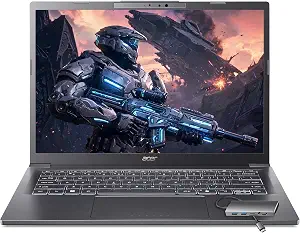 | Best for Power Users Who Need Mobility and Storage | Processor: Intel Core Ultra 7 258V, up to 4.8GHz | Display: 14.0″ IPS WUXGA (1920×1200), Touchscreen | RAM: 32GB LPDDR5X | VIEW ON AMAZON | See Our Full Breakdown |
| Acer Aspire 14 AI Touchscreen Laptop, Intel Core Ultra 7, 32GB RAM, 1TB SSD, 14″ WUXGA, Windows 11 Home |  | Best for High-Performance Multitasking and Touchscreen Convenience | Processor: Intel Core Ultra 7 258V, 2.20 GHz | Display: 14-inch WUXGA IPS touchscreen, 1920×1200 | RAM: 32 GB LPDDR5X | VIEW ON AMAZON | See Our Full Breakdown |
| Samsung Galaxy Book4 Laptop, 15.6″ FHD, Intel Core i7-150U, 16GB RAM, 512GB SSD, Windows 11 Pro, Fingerprint, Backlit Keyboard, Long Battery Life |  | Best for All-Day Productivity and Security | Processor: Intel Core i7-150U, up to 5.4 GHz | Display: 15.6 inches, 1600 x 900, LED | RAM: 16 GB LPDDR4X | VIEW ON AMAZON | See Our Full Breakdown |
| HP 17 inch Touchscreen Laptop with 32GB RAM, 1TB SSD, Intel Core i7, Windows 11 Pro |  | Best for Large Screen and Business-Grade Performance | Processor: Intel 10 Core i7 1355U | Display: 17.3-inch HD+ (1600 x 900) touchscreen | RAM: 32GB DDR4 | VIEW ON AMAZON | See Our Full Breakdown |
| GEEKOM GeekBook X16 Pro Laptop, 16″ 2.5K IPS, 2.8 lb Ultra-Light Notebook |  | Best Overall for Portable Power and Versatility | Display: 16-inch 2.5K IPS, 120Hz, 100% sRGB | Processor: Intel Core Ultra 9 185H, 16 cores, up to 5.1 GHz | Graphics: Intel Arc with XeSS, ray tracing, AV1 encoding | VIEW ON AMAZON | See Our Full Breakdown |
| HP OmniBook 3 14-inch Next Gen AI PC, 2K Display, Snapdragon X1, 16GB RAM, 512GB SSD, Windows 11 Home, Glacier Silver |  | Best for Long-Lasting Field Use and AI Integration | Display: 14-inch 2K IPS | Processor: Snapdragon X1-26-100 | RAM: 16 GB LPDDR5x | VIEW ON AMAZON | See Our Full Breakdown |
| GEEKOM GeekBook M16 Laptop |  | Best for High-Performance Power Users with Extended Battery Life | Display: 16-inch IPS | Processor: Intel Core Ultra 9 185H | Graphics: Intel Arc | VIEW ON AMAZON | See Our Full Breakdown |
| HP 17 inch Business Laptop Computer, 2026 Edition, AMD Ryzen 5, 16GB RAM, 512GB SSD, FHD Display, Windows 11 with Office 365 |  | Best for Large-Screen Productivity and Extended Use | Display: 17.3-inch FHD IPS | Processor: AMD Ryzen 5 | RAM: 16 GB | VIEW ON AMAZON | See Our Full Breakdown |
| HP OmniBook 3 17.3 inch Laptop PC, FHD Display, AMD Ryzen 3 30, 8 GB RAM, 512 GB SSD, Windows 11 Home |  | Best for Budget-Friendly Large-Screen Use with Decent Battery Life | Display: 17.3 inch FHD IPS | Processor: AMD Ryzen 3 30 | RAM: 8 GB | VIEW ON AMAZON | See Our Full Breakdown |
| Samsung Galaxy Book4 Business Laptop – 15.6″ FHD Display, Intel 10-Core i7, 16GB RAM, 512GB SSD, Windows 11 Pro, Backlit Keyboard, Fingerprint, Long Battery Life, Redragon Accessory |  | Best Overall for Power and Portability | Display: 15.6 inch FHD (1920 x 1080), LED, 300 nits | Processor: Intel 10-core 7-150U, up to 5.4GHz | RAM: 16GB LPDDR4X, 6000MHz | VIEW ON AMAZON | See Our Full Breakdown |
| HP Everyday Laptop with Copilot AI 2026 Edition, 14-inch HD Display, 128GB SSD + 1TB OneDrive, AMD Processor, Windows 11, Moonlight Blue |  | Best for Students and Casual Astronomers on a Budget | Processor: AMD High Performance Processor | Graphics: AMD Graphics | Operating System: Windows 11 Home 64-bit | VIEW ON AMAZON | See Our Full Breakdown |
| astronomy laptops with high battery life | Display | Processor | Storage | RAM |
|---|---|---|---|---|
| GEEKOM GeekBook X14 Pro Laptop | 14-inch 2.8K OLED, 120Hz, 100% DCI-P3, up to 450 nits | Intel Core Ultra 5 125U, 12 cores, up to 4.3 GHz | — | — |
| Acer Aspire 14 AI Laptop | 14.0" IPS WUXGA (1920×1200), Touchscreen | Intel Core Ultra 7 258V, up to 4.8GHz | 2TB PCIe NVMe SSD | 32GB LPDDR5X |
| Acer Aspire 14 AI Touchscreen | 14-inch WUXGA IPS touchscreen, 1920×1200 | Intel Core Ultra 7 258V, 2.20 GHz | 1TB PCIe NVMe SSD + 500GB HDD | 32 GB LPDDR5X |
| Samsung Galaxy Book4 Laptop | 15.6 inches, 1600 x 900, LED | Intel Core i7-150U, up to 5.4 GHz | 512 GB NVMe SSD | 16 GB LPDDR4X |
| HP 17 inch Touchscreen Laptop | 17.3-inch HD+ (1600 x 900) touchscreen | Intel 10 Core i7 1355U | 1TB SSD | 32GB DDR4 |
| GEEKOM GeekBook X16 Pro Laptop | 16-inch 2.5K IPS, 120Hz, 100% sRGB | Intel Core Ultra 9 185H, 16 cores, up to 5.1 GHz | — | — |
| HP OmniBook 3 14-inch Next Gen | 14-inch 2K IPS | Snapdragon X1-26-100 | 512 GB PCIe Gen4 NVMe M.2 SSD | 16 GB LPDDR5x |
| GEEKOM GeekBook M16 Laptop | 16-inch IPS | Intel Core Ultra 9 185H | 512GB PCIe Gen4 SSD | — |
| HP 17 inch Business Laptop Com | 17.3-inch FHD IPS | AMD Ryzen 5 | 512 GB PCIe NVMe SSD | 16 GB |
| HP OmniBook 3 17.3 inch Laptop | 17.3 inch FHD IPS | AMD Ryzen 3 30 | 512 GB SSD | 8 GB |
| Samsung Galaxy Book4 Business | 15.6 inch FHD (1920 x 1080), LED, 300 nits | Intel 10-core 7-150U, up to 5.4GHz | 512GB SSD | 16GB LPDDR4X, 6000MHz |
| HP Everyday Laptop with Copilo | 14-inch HD (1366×768), micro-edge, BrightView | AMD High Performance Processor | — | — |
More Details on Our Top Picks
GEEKOM GeekBook X14 Pro Laptop, 14-inch 2.8K OLED, Ultra Thin & Light
The GEEKOM GeekBook X14 Pro stands out for its remarkably lightweight design and vibrant 2.8K OLED display, making it ideal for travelers and creators who need long-lasting battery life in a compact form. Its 16-hour battery life far surpasses many competitors like the Samsung Galaxy Book4, which offers similar portability but slightly shorter battery runtime. However, the ultra-thin chassis raises questions about build durability, and the absence of a dedicated GPU limits its appeal for graphics-intensive tasks. Compared to the Acer Aspire 14 AI, which offers more processing power and RAM, the GEEKOM prioritizes portability over raw multitasking performance. This pick makes the most sense for users who prioritize mobility and display quality over high-end gaming or heavy-duty processing, but less so for those needing ruggedness or dedicated graphics.
Pros:- Extremely lightweight at 2.2 lbs, perfect for on-the-go use
- Vivid 2.8K OLED display with high contrast and color accuracy
- Long battery life up to 16 hours for extended mobility
- Versatile connectivity including multiple USB4 ports and HDMI
Cons:- Limited information on keyboard and overall build quality
- High price for a lightweight ultrabook without dedicated GPU
- No mention of dedicated graphics options for gaming or heavy creative work
Best for: Creators and frequent travelers who prioritize battery life and a stunning display in a lightweight package
Not ideal for: Heavy users who need rugged durability or gaming-grade graphics, as the build quality and GPU options are limited
- Weight:2.2 lbs
- Display:14-inch 2.8K OLED, 120Hz, 100% DCI-P3, up to 450 nits
- Processor:Intel Core Ultra 5 125U, 12 cores, up to 4.3 GHz
- Graphics:Intel Arc with XeSS
- Battery:72Wh, up to 16 hours
- Chassis Material:Aerospace grade magnesium alloy
Our verdict“This laptop is best suited for mobile professionals and creators who value display quality and battery longevity over ruggedness or gaming power.”
Acer Aspire 14 AI Laptop, Touchscreen, Intel Core Ultra 7 258V, 32GB RAM, 2TB SSD
The Acer Aspire 14 AI offers a compelling blend of performance and portability, with a powerful Intel Core Ultra 7 258V processor and 32GB RAM that can handle demanding multitasking and creative workflows. Its 2TB SSD provides ample fast storage, making it a strong contender for professionals on the move. While it doesn’t match the ultra-lightweight profile of the GEEKOM GeekBook X14 Pro, its 3.09-pound weight still allows for decent portability, and its AI acceleration benefits productivity. The touchscreen adds convenience but may slightly impact battery life compared to non-touch models. In comparison with the Samsung Galaxy Book4, which emphasizes battery life and security, the Acer leans more toward raw performance. This device makes sense for users who need both power and mobility, but should be avoided if ultra-light weight is a priority or if they prefer a non-touch model.
Pros:- Powerful octa-core processor with AI acceleration
- Massive 32GB RAM for seamless multitasking
- Large 2TB NVMe SSD for quick access and storage
- Relatively lightweight for high-performance laptops
Cons:- Battery life is not specified, which is critical for high mobility
- No dedicated GPU limits high-end gaming or GPU-intensive tasks
- Potential durability concerns due to lightweight design
Best for: Professional users and content creators requiring high processing power and large storage in a portable design
Not ideal for: Users who prioritize minimal weight and longest battery life over raw processing capabilities, or those who dislike touchscreens
- Processor:Intel Core Ultra 7 258V, up to 4.8GHz
- Display:14.0″ IPS WUXGA (1920×1200), Touchscreen
- RAM:32GB LPDDR5X
- Storage:2TB PCIe NVMe SSD
- Weight:3.09 lbs
- Connectivity:WiFi 6, Bluetooth 5.3
Our verdict“Ideal for professionals who need a portable powerhouse with ample storage and multitasking capability, but less suitable for those requiring all-day battery life without power outlets.”
Acer Aspire 14 AI Touchscreen Laptop, Intel Core Ultra 7, 32GB RAM, 1TB SSD, 14″ WUXGA, Windows 11 Home
The Acer Aspire 14 AI Touchscreen combines strong processing with a high-resolution touchscreen, making it suitable for multitasking, work, and study. Its octa-core Intel Core Ultra 7 processor and 32GB RAM ensure smooth performance for demanding applications. The dual storage setup—1TB SSD + 500GB HDD—provides both speed and capacity, ideal for users managing large files. However, its battery life isn’t specified, which raises questions about longevity during extended use. While its lightweight build is appealing, it may compromise durability. Compared with the HP 17 inch Touchscreen, which offers a larger display but less portability, this model strikes a balance for those who need high performance in a compact form. It’s best for multitaskers who prioritize power and touchscreen features over ruggedness or ultra-long battery life.
Pros:- Powerful octa-core processor with AI acceleration
- High 32GB RAM for smooth multitasking
- Fast 1TB SSD for storage and quick access
- High-resolution touchscreen display
Cons:- Battery life is not specified, limiting portability for long outings
- Durability might be compromised due to lightweight chassis
- No dedicated GPU for high-end gaming or creative tasks
Best for: Students and professionals who need high performance and a touchscreen in a portable form factor
Not ideal for: Users seeking all-day battery life or rugged durability, or those who prefer larger displays
- Processor:Intel Core Ultra 7 258V, 2.20 GHz
- Display:14-inch WUXGA IPS touchscreen, 1920×1200
- RAM:32 GB LPDDR5X
- Storage:1TB PCIe NVMe SSD + 500GB HDD
- Weight:3.09 lbs
- Connectivity:Wi-Fi 6, Bluetooth 5.3
Our verdict“Best suited for power users needing high performance and touchscreen flexibility in a portable package, but not for those who need all-day battery endurance.”
Samsung Galaxy Book4 Laptop, 15.6″ FHD, Intel Core i7-150U, 16GB RAM, 512GB SSD, Windows 11 Pro, Fingerprint, Backlit Keyboard, Long Battery Life
The Samsung Galaxy Book4 offers a larger 15.6-inch display with a focus on long battery life, making it suitable for professionals and students needing extended productivity. Its Intel Core i7-150U and 16GB RAM deliver solid performance for everyday tasks, but it doesn’t match the raw power of the Acer Aspire 14 AI for heavy multitasking or creative workflows. The device’s 15-hour battery life is a key advantage, especially compared to smaller models with shorter runtimes. Its weight of 3.42 lbs makes it portable, but the heavier size could be less convenient for frequent travel. While lacking touchscreen capability, its security features and full-size backlit keyboard add to its appeal. This laptop is best for users prioritizing battery longevity and security features, though it’s not ideal for gaming or intensive creative work.
Pros:- Long battery life up to 15 hours for all-day use
- Large 15.6-inch full HD display suitable for multitasking
- Strong multi-core i7 processor and 16GB RAM
- Security features including fingerprint reader
Cons:- Display resolution is HD+ (1600×900), not full HD or 4K
- Weight of 3.42 lbs reduces portability for some
- Lack of touchscreen functionality limits flexibility
Best for: Business professionals and students needing a large display with all-day battery life
Not ideal for: Creative professionals requiring high-end graphics or touchscreens, or users needing a lightweight ultrabook
- Processor:Intel Core i7-150U, up to 5.4 GHz
- Display:15.6 inches, 1600 x 900, LED
- RAM:16 GB LPDDR4X
- Storage:512 GB NVMe SSD
- Webcam:HP True Vision 720p
- Battery Life:Up to 15 hours
Our verdict“Perfect for users who need a larger screen and extended battery life for daily work, but less suited for creative tasks requiring high-res displays or touch input.”
HP 17 inch Touchscreen Laptop with 32GB RAM, 1TB SSD, Intel Core i7, Windows 11 Pro
The HP 17 inch Touchscreen Laptop caters to users who need a large display and robust performance, with an Intel Core i7 1355U processor and 32GB RAM. Its 17.3-inch HD+ touchscreen provides ample space for multitasking, but the lower resolution (1600×900) may not satisfy those seeking crisp visuals. The 1TB SSD offers quick storage, yet battery life details are not specified, leaving uncertainty for long use periods. Its weight and size make it less portable than smaller models, but it’s well-suited for stationary work or occasional mobile use. Compared with the GEEKOM GeekBook X14 Pro with OLED display, this HP emphasizes screen size over portability and display vibrancy. It is best for users who prioritize a large screen and business features, but not for those who need lightweight or all-day battery endurance.
Pros:- Large 17.3-inch display ideal for multitasking and presentations
- Powerful 10-core i7 processor with high clock speed
- Ample 32GB RAM and 1TB SSD for multitasking and storage
- Full-size backlit keyboard with numeric keypad
Cons:- Display resolution is only HD+ (1600×900), not Full HD
- Heavy and bulky for frequent travelers
- Battery life details are not specified, which may impact planning
Best for: Business users and students who want a large, touch-enabled display for productivity
Not ideal for: Travelers or mobile users who need lightweight, highly portable devices with long battery life
- Processor:Intel 10 Core i7 1355U
- Display:17.3-inch HD+ (1600 x 900) touchscreen
- RAM:32GB DDR4
- Storage:1TB SSD
- Webcam:HP True Vision 720p
- Battery Life:Not specified
Our verdict“Best suited for stationary use or occasional mobility where a large screen and business performance are priorities, but not for those needing lightweight portability or all-day battery life.”
GEEKOM GeekBook X16 Pro Laptop, 16″ 2.5K IPS, 2.8 lb Ultra-Light Notebook
This option stands out for combining a compact, lightweight design with a high-quality 16-inch 2.5K display, making it ideal for astronomers who need to work in the field. Compared with the GEEKOM GeekBook M16, the X16 Pro offers a more portable form factor without sacrificing performance, thanks to its latest Intel Core Ultra 9 processor and modern Intel Arc graphics. The long battery life of up to 17 hours enhances its appeal for extended stargazing sessions or field research, though its premium features come at a higher price and limited details on build quality remain. Its aerospace-grade magnesium alloy body and IceBlade cooling system support durability and quiet operation, reinforcing its role as a portable powerhouse. However, the lack of dedicated GPU options and limited information on keyboard comfort suggest it’s better suited for tech-savvy users prioritizing mobility over gaming or extensive typing. Overall, this model makes the most sense for mobile astronomers and creative professionals needing high performance on the go.Pros:- Extremely lightweight at only 2.8 lbs, perfect for portability
- Vivid 16-inch 2.5K display with 120Hz refresh rate for sharp visuals
- Powerful Intel Core Ultra 9 processor with modern Intel Arc graphics
Cons:- Limited information on keyboard comfort and build quality
- No dedicated GPU options for gaming or heavy graphical tasks
- Premium price may be a barrier for some buyers
Best for: Traveling astronomers, astrophotographers, and field researchers seeking a lightweight yet powerful laptop
Not ideal for: Users requiring a budget-friendly option or dedicated gaming graphics, due to premium price and limited GPU options
- Display:16-inch 2.5K IPS, 120Hz, 100% sRGB
- Processor:Intel Core Ultra 9 185H, 16 cores, up to 5.1 GHz
- Graphics:Intel Arc with XeSS, ray tracing, AV1 encoding
- Battery:77Wh, up to 17 hours
- Weight:2.8 lbs
- Material:Aerospace grade magnesium alloy
Our verdict“This laptop is best suited for mobile astronomers and creatives who prioritize high performance and portability.”
HP OmniBook 3 14-inch Next Gen AI PC, 2K Display, Snapdragon X1, 16GB RAM, 512GB SSD, Windows 11 Home, Glacier Silver
This pick excels in offering exceptionally long battery life of over 32 hours, surpassing even the GEEKOM GeekBook X16 Pro’s impressive runtime, making it ideal for extended outdoor sessions. Its 14-inch 2K display provides vibrant visuals without sacrificing portability, and the Snapdragon X1 processor delivers efficient performance suited for multitasking and multimedia. While it lacks detailed GPU options, its AI-optimized features and fast storage make it attractive for users integrating AI tools into their astronomical work. However, the limited information on weight and build quality suggests it might not be as robust as other options for rough outdoor environments. Its slim design and energy-efficient hardware mean it’s perfect for those who value endurance over raw power or gaming performance. Overall, this model makes the most sense for astronomers needing a lightweight, all-day battery companion for field observations or data analysis.Pros:- Outstanding battery life of over 32 hours for extended field use
- Vivid 2K display with good color reproduction
- AI features enhance productivity and multimedia experiences
Cons:- Limited details on weight and ruggedness for outdoor environments
- No dedicated GPU options for intensive graphics tasks
- Display resolution limited to 2K, not 4K
Best for: Outdoor astronomers, mobile researchers, and AI-inclined users needing all-day battery performance
Not ideal for: Users requiring dedicated GPU power or heavy graphical tasks, as it’s optimized more for efficiency than gaming
- Display:14-inch 2K IPS
- Processor:Snapdragon X1-26-100
- RAM:16 GB LPDDR5x
- Storage:512 GB PCIe Gen4 NVMe M.2 SSD
- Battery Life:Up to 32 hours 15 minutes
- Weight:Not specified
Our verdict“This laptop is ideal for astronomers who prioritize battery endurance and lightweight design for fieldwork.”
GEEKOM GeekBook M16 Laptop
The GEEKOM GeekBook M16 stands out for its combination of a large 16-inch IPS display and a massive 99.9Wh battery capable of lasting up to 24 hours, making it suitable for intensive tasks and long outdoor sessions. Its upgraded Intel Core Ultra 9 processor and enhanced Intel Arc graphics set it apart from lighter models like the X16 Pro, providing a balance of performance and endurance. The extensive connectivity options, including multiple USB ports and HDMI, make it versatile for professional use. Despite its impressive battery life and high-end specs, the lack of detailed info on weight and build quality leaves some questions about portability. It’s more expensive than more compact options, which may deter budget-conscious buyers. Overall, this model is designed for users who need serious multitasking power with the assurance of long battery runtime.Pros:- Large 16-inch IPS display with high screen-to-body ratio
- Up to 24 hours of battery life with fast charging
- Powerful Intel Core Ultra 9 processor and upgraded graphics
Cons:- Price not specified, likely expensive
- Weight and dimensions not provided, portability unclear
- No detailed keyboard or build quality info
Best for: Power users and professional astronomers who need a high-performance machine with all-day battery life
Not ideal for: Those prioritizing ultra-lightweight portability or budget-conscious buyers
- Display:16-inch IPS
- Processor:Intel Core Ultra 9 185H
- Graphics:Intel Arc
- Battery:99.9Wh, up to 24 hours
- Memory:16GB LPDDR5
- Storage:512GB PCIe Gen4 SSD
Our verdict“This laptop is best suited for professionals and power users who need high performance paired with long-lasting battery life.”
HP 17 inch Business Laptop Computer, 2026 Edition, AMD Ryzen 5, 16GB RAM, 512GB SSD, FHD Display, Windows 11 with Office 365
This HP 17-inch model offers a spacious FHD display ideal for multitasking and detailed viewing, paired with a reliable AMD Ryzen 5 processor and 16GB RAM that handle multitasking smoothly. Its long battery life, though not reaching the extremes of the previous models, still provides ample runtime for field or office work. Compared with the 17-inch OmniBook, it emphasizes productivity with a larger display and Office 365 integration, but it lacks specific battery runtime figures, making it less suited for extended outdoor use. Its physical size and weight may limit portability, but for those prioritizing screen real estate and steady performance, it’s a compelling choice. The absence of dedicated graphics limits gaming or intensive graphical work, but it remains a solid, high-capacity option for data analysis and documentation.Pros:- Large 17.3-inch FHD display for multitasking and detailed observation
- Reliable AMD Ryzen 5 processor with 16GB RAM
- Long battery life with fast charging capability
Cons:- Display resolution limited to 1600×900 native, not 1920×1080
- Size and weight reduce portability for field use
- Lacks dedicated GPU for high-end graphical tasks
Best for: Astronomy professionals needing a large screen for data review and extended power on-site
Not ideal for: Travelers requiring ultra-lightweight or ultra-portable laptops, due to its larger size
- Display:17.3-inch FHD IPS
- Processor:AMD Ryzen 5
- RAM:16 GB
- Storage:512 GB PCIe NVMe SSD
- Battery Life:Long-lasting with fast charge
- Weight:Estimated 4.2 lbs
Our verdict“This laptop suits astronomers who need a large screen and reliable long battery life for stationary or semi-mobile work.”
HP OmniBook 3 17.3 inch Laptop PC, FHD Display, AMD Ryzen 3 30, 8 GB RAM, 512 GB SSD, Windows 11 Home
This HP OmniBook 3 offers a large 17.3-inch display with a decent 14-hour battery life, making it suitable for those who need a sizable screen without sacrificing all-day use. Its AMD Ryzen 3 30 processor and 8GB RAM deliver everyday performance, though it’s less powerful than other options like the GeekBook M16 or the 17-inch AMD Ryzen model. The inclusion of Windows 11 Home and a 512GB SSD provides a straightforward, productivity-focused experience. The absence of dedicated graphics and detailed weight specs suggests it’s better for stationary use rather than frequent outdoor fieldwork. Its affordability combined with good battery life makes it appealing for casual astronomers or educational use, but less so for intensive data processing or multimedia editing.Pros:- Large 17.3-inch FHD display for comfortable viewing
- Long battery life of around 14 hours, suitable for extended sessions
- Affordable price point for a large-screen laptop
Cons:- Limited graphics performance with AMD Radeon 610M
- Display resolution limited to 1600×900 native, not full 1920×1080
- Weight and portability details not specified
Best for: Budget-conscious astronomers and students needing a large-screen laptop for casual observations and data viewing
Not ideal for: Power users requiring high-performance graphics or ultra-portable design for fieldwork
- Display:17.3 inch FHD IPS
- Processor:AMD Ryzen 3 30
- RAM:8 GB
- Storage:512 GB SSD
- Battery Life:Up to 14 hours 15 minutes
- Color:Mica Silver
Our verdict“This model is ideal for budget-minded astronomers seeking a large screen with reliable battery life for stationary observation and data review.”
Samsung Galaxy Book4 Business Laptop – 15.6″ FHD Display, Intel 10-Core i7, 16GB RAM, 512GB SSD, Windows 11 Pro, Backlit Keyboard, Fingerprint, Long Battery Life, Redragon Accessory
The Samsung Galaxy Book4 stands out for combining a powerful 10-core Intel processor with a lightweight design, making it ideal for those who need high performance without sacrificing portability. Its impressive battery life of up to 15 hours outperforms many competitors like the HP Everyday Laptop, which offers only 12 hours. While the absence of a touchscreen may deter users who prefer more interactive displays, this model excels in multitasking and security with a fingerprint reader. Compared to the Galaxy Book4 Laptop, which is similar but slightly bulkier, this version emphasizes mobility and security features, making it perfect for professionals on the go. The main tradeoff is limited internal storage, which could be restrictive for data-heavy users.
Pros:- Exceptional 10-core Intel processor for demanding multitasking
- Long battery life up to 15 hours, ideal for extended use outdoors or in the field
- Lightweight at 3.42 pounds, easy to carry during travel
Cons:- No touchscreen display limits interactive use
- Limited to 512GB SSD, which may require external storage for large datasets
Best for: Power users who need a portable, high-performance laptop for astronomy research and daily tasks
Not ideal for: Creative professionals who rely on touchscreen input or graphic-intensive applications
- Display:15.6 inch FHD (1920 x 1080), LED, 300 nits
- Processor:Intel 10-core 7-150U, up to 5.4GHz
- RAM:16GB LPDDR4X, 6000MHz
- Storage:512GB SSD
- Graphics:Intel Integrated Graphics
- Weight:3.42 pounds
- Battery Life:Up to 15 hours
- Features:Backlit keyboard, fingerprint reader, Windows 11 Pro
Our verdict“This laptop makes the most sense for astronomy enthusiasts who prioritize raw power and portability over a touchscreen interface.”
HP Everyday Laptop with Copilot AI 2026 Edition, 14-inch HD Display, 128GB SSD + 1TB OneDrive, AMD Processor, Windows 11, Moonlight Blue
The HP Everyday Laptop offers a compact 14-inch HD display paired with a basic AMD processor, making it suitable for casual astronomy observation and note-taking. Its long-lasting battery of up to 12 hours can outlast many lightweight competitors like the GeekBook X14 Pro, but the limited 4GB RAM constrains multitasking, especially when running multiple astronomy apps or data tools. Compared with the Samsung Galaxy Book4, which provides more power, this model emphasizes portability and affordability, but sacrifices some performance and display clarity. The inclusion of 1TB OneDrive storage offers cloud flexibility, yet the basic HD resolution may be insufficient for detailed star maps or high-resolution images. Overall, this pick is best for hobbyists or students who prioritize battery life and portability over raw power.
Pros:- Lightweight at just over 3.2 pounds, easy to carry around
- Long battery life up to 12 hours, suitable for extended outdoor use
- Includes essential ports and modern wireless connectivity
Cons:- Limited 4GB RAM hampers multitasking and heavy applications
- HD display resolution (1366×768) is basic and may not show detailed star maps clearly
- Processor performance may lag with intensive data processing
Best for: Beginners or students who want a reliable, portable laptop for casual astronomy and note management
Not ideal for: Advanced astronomers or professionals needing high processing power and high-resolution displays
- Processor:AMD High Performance Processor
- Graphics:AMD Graphics
- Operating System:Windows 11 Home 64-bit
- Memory:4GB DDR5 SDRAM
- Hard Drive:128GB SSD + 1TB OneDrive
- Display:14-inch HD (1366×768), micro-edge, BrightView
- Wireless:Wi-Fi 6, Bluetooth 5.4
- Battery Life:Up to 12 hours
Our verdict“This laptop is best suited for casual users or students who value portability and battery life above high-end specs.”

How We Picked
Our evaluation focused on laptops that prioritize high battery life suitable for extended astronomy sessions, especially in remote locations. We assessed each model’s battery capacity, real-world longevity estimates, and power efficiency. Usability factors like screen size, brightness, and display quality were considered, as they directly influence viewing comfort. Durability and weight were also examined, since portability is key for outdoor star gazing. Lastly, we balanced these aspects against price and overall build quality to rank the options that best serve astronomy enthusiasts who need long-lasting power without sacrificing essential features.| astronomy laptops with high battery life | Battery Life |
|---|---|
| GEEKOM GeekBook X14 Pro Laptop | — |
| Acer Aspire 14 AI Laptop | — |
| Acer Aspire 14 AI Touchscreen | — |
| Samsung Galaxy Book4 Laptop | Up to 15 hours |
| HP 17 inch Touchscreen Laptop | Not specified |
| GEEKOM GeekBook X16 Pro Laptop | — |
| HP OmniBook 3 14-inch Next Gen | Up to 32 hours 15 minutes |
| GEEKOM GeekBook M16 Laptop | — |
| HP 17 inch Business Laptop Com | Long-lasting with fast charge |
| HP OmniBook 3 17.3 inch Laptop | Up to 14 hours 15 minutes |
| Samsung Galaxy Book4 Business | Up to 15 hours |
| HP Everyday Laptop with Copilo | Up to 12 hours |
Factors to Consider When Choosing Astronomy Laptops With High Battery Life
Choosing the right astronomy laptop with high battery life involves balancing several key factors. Beyond raw battery capacity, you should consider display quality, portability, processing power, and durability. Understanding these factors can prevent common pitfalls, like sacrificing display clarity for battery length or opting for overly bulky models that hinder outdoor use. The ideal choice depends on your specific needs—whether you prioritize portability for fieldwork or a larger screen for detailed star maps. Let’s explore the main considerations to keep in mind before making your purchase.Battery Capacity and Real-World Longevity
While a higher battery capacity (measured in watt-hours) generally promises longer use, real-world longevity depends on power efficiency and workload. Look for laptops with estimated battery life of at least 8-12 hours for extended stargazing trips. Beware of models that advertise high capacity but have poor power management, which can result in shorter actual runtime. Also, consider how easy it is to replace or upgrade the battery, especially for outdoor use where charging options are limited.
Display Size and Quality
A larger, high-resolution display enhances your ability to view star maps and detailed celestial images comfortably. However, bigger screens often mean increased weight and decreased portability. Conversely, compact screens are easier to carry but may strain your eyes during prolonged sessions. Look for displays with good brightness and anti-glare coatings to reduce eye fatigue under different lighting conditions. Balancing size and quality is key to a satisfying outdoor astronomy experience.
Processing Power and Performance
While high performance isn’t always necessary for basic star chart viewing, advanced astronomy software, data analysis, or 3D mapping demand decent processing capabilities. Opt for models with at least an Intel Core i7 or equivalent, especially if you plan to run complex applications. Lower-end processors may save power but can lead to sluggish performance, frustrating when you’re trying to analyze celestial data. A balanced CPU ensures smooth operation without draining the battery too quickly.
Portability and Durability
Portability becomes critical when taking your laptop into the field. Ultralight models weigh less and are easier to carry in backpacks or star gazing kits, but they might compromise on battery size or build robustness. Consider laptops with sturdy chassis, good shock resistance, and long-lasting batteries designed for outdoor use. Remember, a durable, lightweight design can dramatically improve your overall experience during extended outdoor observations.
Additional Features and Accessories
Extras like backlit keyboards, good connectivity options, and sunlight-readable screens can make a difference. Additionally, selecting a model with a longer-lasting battery or extra ports for external devices ensures you’re prepared for various scenarios. Investing in a portable power bank compatible with your laptop can extend your session, especially in remote locations. These small but impactful features can elevate your astronomy experience beyond just battery life.
Frequently Asked Questions
How long should my astronomy laptop’s battery last for a typical stargazing session?
Aiming for at least 8-10 hours of battery life provides enough buffer for most night-long sessions. Many high-end models can reach 12 hours or more, especially if you optimize power settings and dim the screen. Remember, actual runtime varies based on workload, screen brightness, and background processes. Planning for some extra battery life ensures you won’t be caught short in the middle of a celestial event.
Is a larger display always better for astronomy work?
Not necessarily. While a larger, high-resolution display allows for better detail and easier star map viewing, it also adds weight and reduces portability. Smaller screens are more portable but may cause strain during extended use. The best choice balances screen size with your typical usage environment—if you often set up in a stable location, a larger display can be advantageous; for fieldwork, a more compact screen might be preferable.
Can I get good battery life without sacrificing performance?
Yes, but it requires selecting a laptop with good power management and a balanced processor. Many modern laptops optimize their hardware and software to extend battery life while maintaining acceptable performance. Prioritizing models with efficient CPUs and adjustable power modes can help you get the most out of your device without compromising on the ability to run essential astronomy software or handle data processing tasks.
Are ultralight laptops reliable enough for outdoor astronomy?
Ultralight laptops are designed for portability, but some compromise on durability. Look for models with sturdy chassis, good build quality, and adequate battery capacity. If you frequently travel into remote areas, choosing a lightweight but rugged model can prevent damage and ensure consistent performance. Combining lightweight design with a robust build is key to reliable outdoor use.
What additional accessories can extend my laptop’s usability during astronomy trips?
Adding a portable power bank compatible with your laptop can significantly extend your session duration. External solar chargers are also useful if you’re in remote locations with sunlight. A screen hood or matte screen protector can reduce glare from ambient light, improving visibility. Carrying extra batteries or swapping batteries if possible can also keep your device running longer during long nights under the stars.
Conclusion
For those seeking the best overall experience, the Samsung Galaxy Book4 offers a compelling mix of battery life, performance, and portability. Buyers on a budget who still need decent longevity can consider the HP Everyday Laptop, which balances cost and endurance. If you prioritize premium build quality and maximum screen size, the HP 17 inch Touchscreen Laptop suits more stationary setups. Beginners or casual observers will appreciate models like the HP OmniBook 3 for ease of use, while advanced users with power needs should look towards high-performance, durable options like the GEEKOM GeekBook X14 Pro. Your choice ultimately depends on your specific fieldwork, software requirements, and portability preferences.
Fall Picks
fall essentials
As an affiliate, we earn on qualifying purchases.