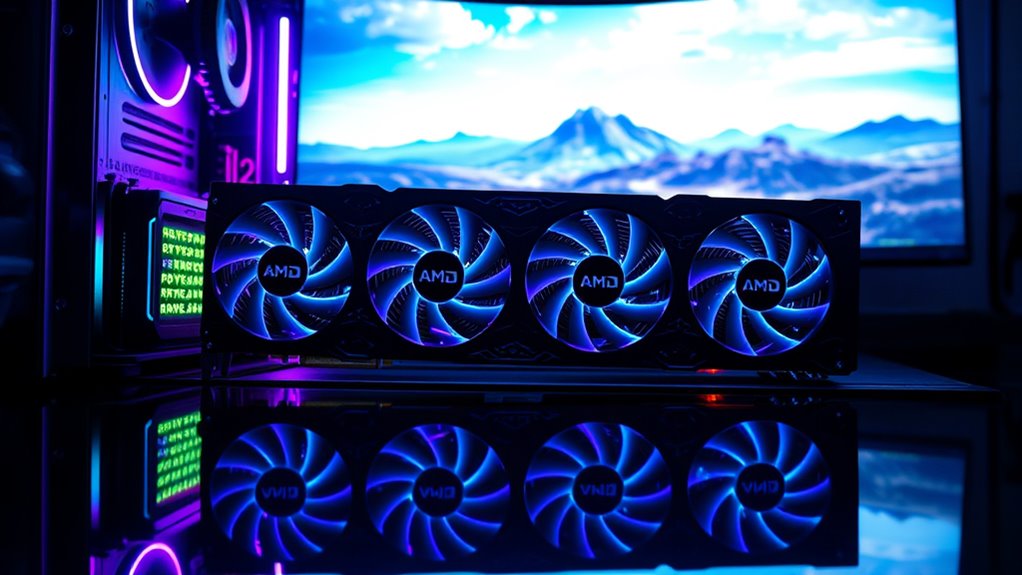

If you’re aiming for the best AMD GPUs for VR in 2026, I recommend checking out models like the XFX Radeon RX 580 GTS XXX Edition, RX 570 RS, and the RX 9060 XT OC. These cards offer high VRAM, fast clocks, and efficient architectures ideal for immersive experiences. They also come with certification and cooling features that guarantee smooth gameplay. Keep going, and you’ll discover even more ways to optimize your VR setup.
Key Takeaways
- Look for AMD GPUs with at least 8GB VRAM, such as GDDR5 or GDDR6, for high-res VR textures.
- Prioritize models built on RDNA 4 architecture for improved performance and efficiency.
- Ensure the GPU has multiple connectivity options like DisplayPort and HDMI for versatile VR headset support.
- Choose GPUs with high core clock speeds (above 1300 MHz) and ample shader units for smooth VR gameplay.
- Select models with advanced cooling solutions and future-proof features for longevity and optimal VR experiences.
| XFX Radeon RX 580 GTS XXX Edition 8GB GPU | 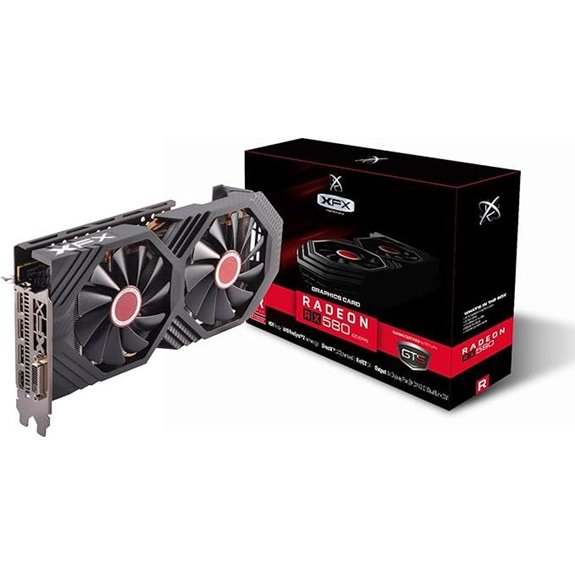 | Top VR Performance | Memory Size: 8GB GDDR5 | VR Support: AMD VR Ready | Cooling System: Double Dissipation Cooling | VIEW LATEST PRICE | See Our Full Breakdown |
| XFX Radeon RX 570 RS 8GB Graphics Card | 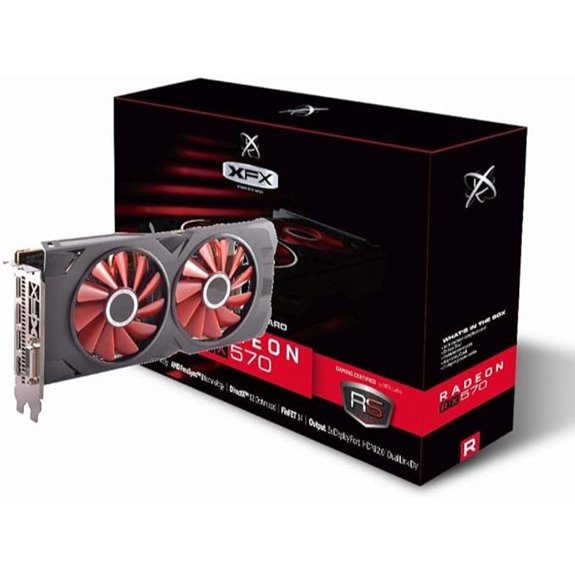 | Gaming & Mining Power | Memory Size: 8GB GDDR5 | VR Support: DX12 VR Ready | Cooling System: Double Dissipation Cooling | VIEW LATEST PRICE | See Our Full Breakdown |
| XFX Radeon RX 580 GTS XXX Edition 8GB GPU | | Reliable Overclocked Choice | Memory Size: 8GB GDDR5 | VR Support: AMD VR Ready Premium | Cooling System: Double Dissipation Cooling | VIEW LATEST PRICE | See Our Full Breakdown |
| XFX Swift AMD Radeon RX 9060 XT OC Graphics Card | 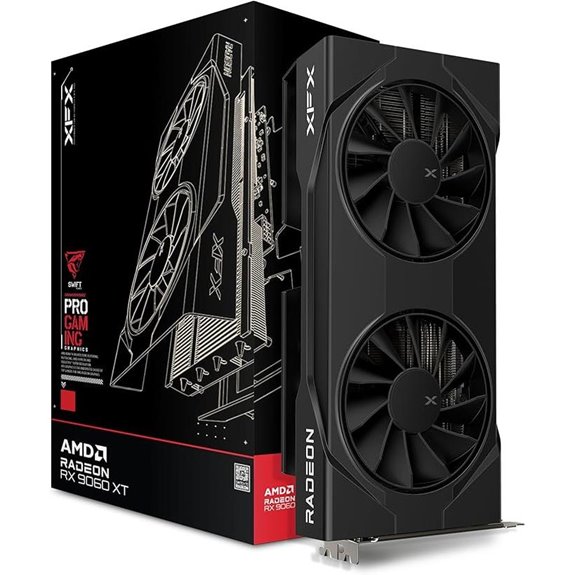 | High-End 4K Gaming | Memory Size: 8GB GDDR6 | VR Support: Supports high-resolution VR (implied high performance) | Cooling System: Dual Fan Cooling | VIEW LATEST PRICE | See Our Full Breakdown |

More Details on Our Top Picks
XFX Radeon RX 580 GTS XXX Edition 8GB GPU
If you’re looking for a reliable GPU that can handle immersive VR experiences, the XFX Radeon RX 580 GTS XXX Edition is a solid choice, especially with its factory overclocked speeds and 8GB of GDDR5 memory. It features a true clock of 1366 MHz and boosts up to 1386 MHz, ensuring smooth performance. Built on Polaris architecture with 4th gen GCN cores, it offers efficient power consumption and enhanced visuals. The dual dissipation cooling keeps temperatures in check, while multiple outputs—DisplayPort, HDMI, DVI—provide flexible connectivity. With AMD VR Ready technology and LiquidVR support, it delivers low-latency, stutter-free VR experiences.
- Memory Size:8GB GDDR5
- VR Support:AMD VR Ready
- Cooling System:Double Dissipation Cooling
- Display Outputs:3xDP, HDMI, DVI
- Overclocking Capabilities:Factory OC (1366-1386MHz)
- Architecture:Polaris (4th gen GCN)
- Additional Feature:Multiple factory overclocked settings
- Additional Feature:VR Ready with LiquidVR tech
- Additional Feature:Dual Dissipation cooling system
XFX Radeon RX 570 RS 8GB Graphics Card
The XFX Radeon RX 570 RS 8GB Graphics Card stands out as a solid choice for gamers and VR enthusiasts seeking reliable performance without breaking the bank. It features a 1286MHz core clock, 8GB GDDR5 memory at 7000 MHz, and DX12 VR readiness, making it suitable for high-resolution gaming and immersive experiences. Its double dissipation cooling design ensures thermal performance, while dual BIOS modes add flexibility. With multiple outputs—DisplayPort, HDMI, DVI—it supports various setups. Weighing just 2 pounds, it’s compact yet powerful, and customer ratings of 4.6 stars reflect its popularity. It’s an excellent option for those wanting dependable VR performance at an affordable price.
- Memory Size:8GB GDDR5
- VR Support:DX12 VR Ready
- Cooling System:Double Dissipation Cooling
- Display Outputs:3xDP, HDMI, DVI
- Overclocking Capabilities:Factory OC (1286MHz)
- Architecture:RX 470/570 architecture
- Additional Feature:Dual BIOS modes (Gaming/Mining)
- Additional Feature:Supports high-resolution 4096×2160
- Additional Feature:7000 MHz memory speed
XFX Radeon RX 580 GTS XXX Edition 8GB GPU
The XFX Radeon RX 580 GTS XXX Edition 8GB stands out as an excellent choice for gamers craving affordable VR performance, thanks to its AMD VR Ready Premium certification and Radeon RX GTS graphics technology. Built on Polaris architecture with 4th Gen GCN cores, it offers enhanced efficiency and performance. Its dual BIOS and XFX Double Dissipation Cooling ensure peak operation, even with multiple factory overclocked settings like 1366MHz true clock and 1386MHz OC+. Paired with AMD LiquidVR technology, it delivers low latency, stutter-free VR experiences, making it a reliable option for immersive gaming and multimedia.
- Memory Size:8GB GDDR5
- VR Support:AMD VR Ready Premium
- Cooling System:Double Dissipation Cooling
- Display Outputs:3xDP, HDMI, DVI
- Overclocking Capabilities:Factory OC (1386MHz OC+)
- Architecture:Polaris (4th gen GCN)
- Additional Feature:Factory overclocked 1386MHz OC+
- Additional Feature:Built on 14nm FinFET technology
- Additional Feature:Supports immersive multimedia cores
XFX Swift AMD Radeon RX 9060 XT OC Graphics Card
For gamers and VR enthusiasts seeking high-resolution performance, the XFX Swift AMD Radeon RX 9060 XT OC Graphics Card stands out with its impressive 8 GB GDDR6 memory and a boost clock reaching up to 3320 MHz. Built on AMD’s RDNA 4 architecture, it supports 4K displays and demanding graphics tasks. Its dual fan cooling system guarantees thermal stability during intense gaming sessions. With a sleek design and a strong market rating of 4.5 stars from over 9,500 reviews, this card offers a reliable, high-performance option for immersive VR experiences. Priced competitively, it’s a solid choice for those looking to elevate their gaming setup in 2026.
- Memory Size:8GB GDDR6
- VR Support:Supports high-resolution VR (implied high performance)
- Cooling System:Dual Fan Cooling
- Display Outputs:HDMI, 2xDP
- Overclocking Capabilities:Boost Clock up to 3320MHz
- Architecture:RDNA 4 Architecture
- Additional Feature:AMD RDNA 4 architecture
- Additional Feature:Boost clock up to 3320 MHz
- Additional Feature:Dual fans cooling solution
Factors to Consider When Choosing an AMD GPU for VR
When choosing an AMD GPU for VR, I focus on key factors like compatibility standards, graphics memory, and processing power to guarantee smooth performance. I also consider cooling solutions and connectivity options to prevent overheating and support my setup. Understanding these points helps me pick a GPU that delivers the best VR experience.
VR Compatibility Standards
Are you aware of the key standards that guarantee an AMD GPU delivers a seamless VR experience? Supporting the latest VR standards, like AMD VR Ready Premium, is essential to guarantee compatibility with current VR headsets. The GPU’s architecture, whether Polaris or RDNA 4, plays a significant role in delivering low latency and high frame rates critical for smooth VR interactions. Many VR-compatible AMD graphics cards feature optimized dual BIOS modes, balancing performance and stability for intensive sessions. Additionally, having at least 8GB of GDDR5 or higher memory helps handle the high data throughput VR demands. Connectivity options, such as multiple DisplayPorts and HDMI ports, are also crucial for supporting diverse VR display setups. Meeting these standards assures your GPU can deliver a reliable, immersive virtual reality experience.
Graphics Memory Size
Choosing the right amount of graphics memory is essential for a smooth VR experience; at least 8GB of GDDR5 or newer GDDR6 is recommended to handle high-resolution textures and complex scenes effectively. Larger VR environments and detailed assets benefit from GPUs with 8GB or more, reducing latency and stuttering. Insufficient VRAM can lead to texture pop-in, frame drops, and diminished visual fidelity during immersive gameplay. Higher VRAM capacity also improves compatibility with future VR titles that demand more memory for advanced graphics. When selecting an AMD GPU for VR, prioritize models with at least 8GB of GDDR5 or GDDR6. This ensures your system can handle demanding applications comfortably, delivering smoother rendering, richer textures, and a more immersive virtual experience overall.
Processing Power Needs
Processing power is a critical factor in selecting an AMD GPU for VR, as it directly impacts rendering speed and overall performance. To guarantee smooth, low-latency experiences, your GPU should have a high boost clock speed, ideally above 1300 MHz. A minimum of 2,048 stream processors or shader units is essential for handling complex VR environments. Additionally, a GPU with advanced architecture like AMD’s Polaris or RDNA 4 enhances efficiency and performance, especially when managing demanding VR tasks. Adequate processing power ensures quick rendering of high-resolution textures and assets, reducing lag and motion sickness. Supporting modern APIs like DirectX 12 guarantees compatibility with the latest VR software features. Prioritizing these factors helps deliver a seamless, immersive virtual reality experience.
Cooling and Thermal Management
Effective cooling is indispensable when selecting an AMD GPU for VR, as high-performance gaming and immersive experiences generate significant heat. Without proper thermal management, your GPU can throttle performance, reducing frame rates and causing lag. Modern GPUs with dual fan systems or double dissipation designs help keep temperatures in check, guaranteeing consistent performance. GPUs built on advanced manufacturing processes, like 14nm FinFET or RDNA 4 architecture, produce less heat and improve thermal efficiency. Proper airflow within your PC case also plays a crucial role; good ventilation helps dissipate heat effectively. Overclocked GPUs demand even better cooling solutions to handle increased thermal output, maintaining stability during intense VR sessions. Prioritizing cooling and thermal management ensures your GPU performs reliably and lasts longer.
Connectivity Options
Have you considered how the connectivity options on an AMD GPU can impact your VR experience? Ensuring the GPU has multiple display outputs like DisplayPort and HDMI is vital for compatibility with various VR headsets. You’ll want to check if it supports the latest HDMI and DisplayPort standards to handle high-bandwidth VR content smoothly. It’s also important to confirm the number of ports, especially if you plan to connect multiple monitors or peripherals at once. Make sure the GPU’s output resolution and refresh rate meet or exceed your VR headset’s requirements for a seamless experience. Some AMD GPUs even offer dual or triple BIOS modes, which can optimize connectivity and performance specifically for VR, giving you flexibility and better performance during intense sessions.
Future Upgradability
When selecting an AMD GPU for VR, considering future upgradability can save you time and money down the line. I recommend choosing a GPU with support for the latest AMD VR technologies and regular driver updates to guarantee compatibility with future software. A GPU with at least 8GB of VRAM is essential for handling upcoming VR applications and higher resolutions. Opting for a card built on current architecture, like AMD RDNA 3 or newer, ensures access to ongoing technological advancements. Also, verify that the connectivity options—such as DisplayPorts and HDMI—will support evolving VR headset standards. Finally, pick a GPU with some headroom in performance and power needs, so it can handle future updates and increased hardware demands without needing an immediate upgrade.
Frequently Asked Questions
How Do VR Headset Requirements Influence GPU Selection?
VR headset requirements heavily influence my GPU choice because they specify the minimum and recommended specs I need for smooth, immersive experiences. I look for GPUs that can handle high frame rates, low latency, and high resolutions to avoid lag or motion sickness. If the headset demands cutting-edge features, I opt for a powerful GPU like the latest AMD models, ensuring I get the best visual quality and performance every time I plunge into virtual worlds.
Are Older AMD GPUS Still Viable for Future VR Titles?
Older AMD GPUs can still handle some future VR titles, but their performance and compatibility might fall short as VR tech advances. I recommend upgrading to newer models for the best experience, especially with demanding titles. While you might still enjoy VR with older cards, you’ll likely face issues like lower frame rates or lack of support for the latest features. Investing in a recent GPU guarantees you’re ready for the evolving VR landscape.
What Is the Impact of GPU VRAM on Immersive Experiences?
Imagine VR as a vibrant, unfolding canvas—your GPU VRAM is the paint that brings it to life. The more VRAM your GPU has, the richer and more detailed the scene; it prevents lag and stuttering. With ample VRAM, I can immerse myself fully without worrying about textures popping or frame drops. It’s like having a spacious studio to create and explore without constraints, making every virtual moment more breathtaking.
How Does Driver Support Affect VR Performance on AMD Cards?
Driver support plays a vital role in VR performance on AMD cards. When drivers are optimized, they guarantee smoother frame rates, lower latency, and better compatibility with VR headsets and software. I’ve noticed that regular updates fix bugs and improve stability, which directly enhances my immersive experience. Poor driver support, on the other hand, can cause stuttering or crashes, so I always make certain my drivers are up-to-date for best VR gaming.
Can Amd’s Integrated Graphics Support VR Without Dedicated GPUS?
AMD’s integrated graphics can support basic VR experiences, but they often fall short for immersive, high-quality VR. I’ve found that dedicated GPUs deliver smoother performance, better frame rates, and less latency, which are essential for comfort and immersion. If you’re serious about VR, I recommend investing in a dedicated AMD or NVIDIA GPU. Integrated graphics work for casual use, but for key VR, dedicated hardware is the way to go.
Conclusion
Choosing the right AMD GPU for VR is like finding the perfect pair of shoes—you want comfort, support, and performance. I once tried a lesser card, and my VR experience felt like walking on rocks. But with the right GPU, every virtual step feels smooth and immersive. So, consider these top picks for 2026—they’ll elevate your VR journey from a rough ride to a seamless adventure. Trust me, your virtual world will thank you.