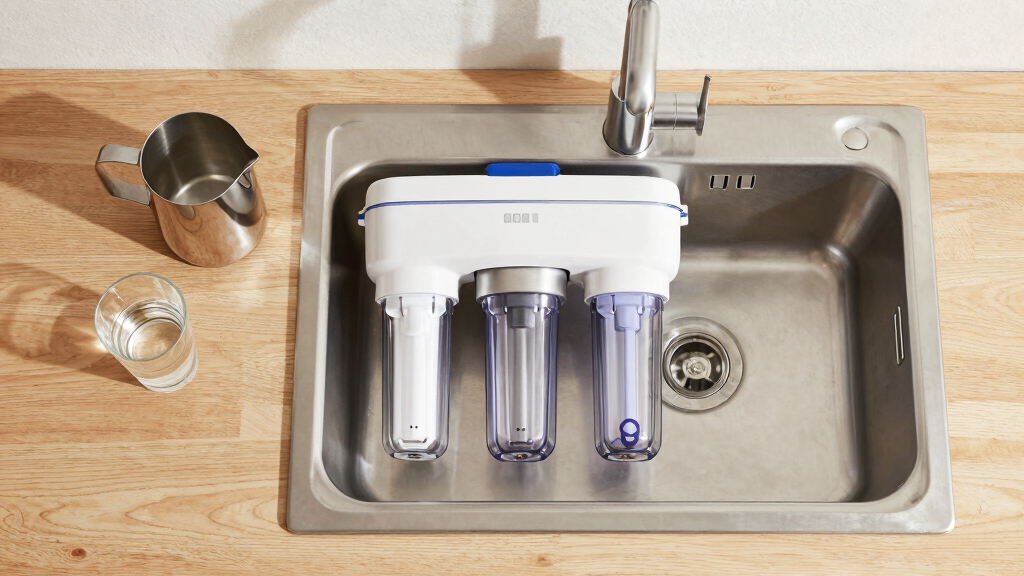

When searching for the best under sink water filter systems, you want a solution that balances filtration power, ease of installation, and long-term value. The Waterdrop TSA 8 Layer System stands out as the overall top pick for its comprehensive filtration and NSF certification. For those seeking high-volume, fast filtration, the Waterdrop G3P800 Reverse Osmosis System offers impressive flow rates, while the Waterdrop 15UA provides reliable lead reduction with straightforward installation. Buyers often face tradeoffs between filtration complexity, cost, and maintenance needs. Keep reading for detailed insights to help you choose the best system for your needs.
Key Takeaways
- Top-ranking systems combine NSF/ANSI certifications with multi-stage filtration for comprehensive water quality improvements.
- Reverse osmosis models tend to be more thorough but require more maintenance and space, making them better suited for dedicated kitchen setups.
- Ease of installation varies, with some models requiring drilling and others offering no-drill setups—important for renters or DIYers.
- Long-term filter capacity and replacement costs influence overall value, especially for large households.
- Price range varies significantly, with premium models offering advanced features like smart faucets and LED status indicators, which appeal to tech-savvy users.




More Details on Our Top Picks
Waterdrop TSA 8 Layer Under Sink Water Filter System, Under Sink Water Filtration System, Reduces PFAS, PFOA/PFOS, Fluoride, Chlorine, Bad Taste & Odor, NSF/ANSI 42 Certified Element, USA Tech
This system stands out for its comprehensive 8-stage deep filtration, effectively reducing PFAS, PFOA/PFOS, fluoride, and chlorine, making it ideal for municipal tap water. Compared with the Waterdrop G3P600, it offers more filters for better removal of contaminants, though it doesn’t lower TDS. Its design emphasizes durability and safety, passing burst pressure and crack tests, which minimizes leaks. The slow flow rate is a tradeoff for thorough filtration, but the steady output still fills a glass in about 4 seconds. Installation is quick with push-to-connect fittings, perfect for DIYers. The system’s lifespan of up to 18 months reduces replacement frequency, but it’s only suitable for cold water and municipal sources. This pick makes the most sense for homeowners seeking reliable, multi-stage filtration that preserves minerals.
Pros:- 8-stage filtration for comprehensive contaminant removal
- Passed rigorous burst and crack tests for durability
- Long filter lifespan of up to 18 months
Cons:- Flow rate is slower, about 4 seconds per glass, which may be inconvenient
- Only compatible with cold municipal tap water
Best for: Homeowners with municipal tap water who want thorough contaminant removal without TDS reduction.
Not ideal for: People using well water or hot water sources, as it’s designed for cold municipal water only.
- Filtration Stages:8
- Lifespan:up to 18 months
- Flow Rate:1 GPM
- Water Source:Cold municipal tap water
- Material Certification:NSF/ANSI 42
- Dimensions:12.4″L x 12.9″W x 4.3″H
Bottom line: Ideal for users prioritizing extensive filtration and mineral retention in municipal tap water.
Waterdrop G3P600 Reverse Osmosis System, 8 Stage Tankless Reverse Osmosis Water Filter, NSF/ANSI 42 & 53 & 58 & 372 Certified, Under Sink RO System, 2:1 Pure to Drain, Smart LED Faucet
This tankless RO system offers impressive 600 GPD capacity with a sleek, space-saving design, making it suitable for large households. Its certified multi-stage filtration reduces TDS, chromium, fluoride, and radioactive substances better than systems like the Waterdrop TSA 8 Layer, which doesn’t lower TDS. The smart LED faucet tracks water quality and filter life, providing user convenience. Its low drain ratio of 2:1 minimizes waste, a significant advantage over traditional RO units. However, it requires an electrical connection and may be more complex to install. Its modern, tankless design means no bulky tank, but it demands sufficient under-sink space and power. This system makes sense for those needing high-volume purified water with minimal waste.
Pros:- High capacity of 600 GPD for busy households
- Low waste ratio of 2:1 reduces water waste
- Smart LED faucet monitors water quality and filter lifespan
Cons:- Requires electrical outlet for operation
- Installation is more complex due to tankless design
Best for: Large families or households with high water demand seeking advanced RO filtration and space efficiency.
Not ideal for: Renters or those with limited under-sink space who prefer simple, plug-and-play systems without electrical needs.
- GPD:600
- Filtration Stages:8
- Drain Ratio:2:1
- Certifications:NSF/ANSI 42, 53, 58, 372
- Dimensions:18.12″L x 5.67″W x 17.72″H
- Flow Rate:Fast
Bottom line: Designed for users with high water demands prioritizing space-saving, efficient, and intelligent filtration.
Waterdrop 15UA Under Sink Water Filter System, 2 Years, Reduces Lead, Chlorine, Bad Taste & Odor, Under Counter Water Filter Direct Connect to Kitchen Faucet, NSF/ANSI 42 Certified, USA Tech
This model excels in cost-efficiency, offering a 2-year lifespan with replacement filters costing less than $36, making it ideal for budget-conscious users. Its multi-stage filtration effectively reduces lead, chlorine, and odors, comparable to the Waterdrop TSA 8 Layer, but with a focus on affordability and long-term use. The direct connect setup simplifies installation, especially for renters or homeowners who prefer not to drill. While it doesn’t lower TDS, it retains beneficial minerals, and its long service life reduces replacement frequency. A key tradeoff is that it’s only suitable for cold municipal water, and the filtration process is less extensive than the 8-stage systems, so it’s best for simple contamination concerns. This pick suits users who want reliable, long-lasting filtration at a low cost.
Pros:- Long service life of up to 24 months
- Affordable filter replacement cost
- Easy DIY installation with direct connect
Cons:- Limited to municipal cold water sources
- Does not lower TDS or mineral content
Best for: Budget-conscious households seeking long-term, straightforward filtration without TDS reduction.
Not ideal for: Users needing removal of wide-ranging contaminants or those with well water sources.
- Service Life:24 months
- Filtration Type:Multistage
- Certifications:NSF/ANSI 42, 372
- Water Source:Municipal cold water
- Price:Less than $36 for replacement
- Dimensions:10.4″L x 4.7″W x 4.7″H
Bottom line: Perfect for budget-minded users looking for dependable, long-lasting filtration for municipal tap water.
Waterdrop 10UA PRO Under Sink Water Filter, No Drill Required, Time Reminder, Easy Installation, Reduces Lead, Chlorine, Bad Taste & Odor, NSF/ANSI 42 Certified, 11000 Gallons, Does not Lower TDS
This no-drill, freestanding under sink filter offers a straightforward, renter-friendly setup with a built-in timer to remind you when to replace filters. It’s certified to reduce lead, chlorine, and odors, similar to the Waterdrop 15UA, but with the advantage of easy placement without wall mounting. Its large capacity of 11,000 gallons ensures long-term use with less frequent replacements. The system’s simplicity means it’s less durable than permanent fixtures, and its filtration doesn’t lower TDS, so minerals are retained. The suction cup base provides stability but may shift if not installed on a flat surface, so it’s best suited for spacious, stable under-sink environments. This model makes the most sense for renters or users who want a quick, tool-free solution.
Pros:- No drilling required, easy to install
- Large capacity of 11,000 gallons
- Built-in filter life indicator
Cons:- Less durable long-term compared to fixed systems
- Does not lower TDS or mineral content
Best for: Renters or homeowners seeking a portable, easy-to-install filtration system without drilling or permanent fixtures.
Not ideal for: Users with limited under-sink space or those wanting comprehensive contaminant removal beyond basic chlorine and lead reduction.
- Capacity:11,000 gallons
- Filtration Certification:NSF/ANSI 42
- No Drilling:Yes
- Filter Life:2 years
- Water Source:Cold water
- Dimensions:11″L x 4.5″W x 4″H
Bottom line: Ideal for renters or temporary residents needing a simple, quick-to-install filtration option.
Express Water RO5DX Reverse Osmosis Filtration NSF Certified 5 Stage RO System with Faucet and Tank – Under Sink Water Plus 4 Filters – 50 GPD, 14 x 17 x 5, White
This system provides reliable 5-stage reverse osmosis filtration, reducing up to 99.99% of contaminants like lead, fluoride, arsenic, and chlorine, comparable to the Waterdrop G3P600 but with a traditional tank setup. Its NSF certification assures safety and performance, and the included faucet and tank make it a complete package. Installation is straightforward, and the leak detection feature adds peace of mind. Its 50 GPD capacity is suitable for small to medium households, though the tank size may take up more space under the sink. The system doesn’t lower TDS, so beneficial minerals are retained. The main tradeoff is the tank and potential space constraints, but it offers proven purification at an affordable price. This pick is ideal for those wanting dependable, multi-stage RO filtration with standard components.
Pros:- Reliable 5-stage filtration reduces a wide range of contaminants
- Includes faucet and storage tank for complete setup
- NSF certified for safety and performance
Cons:- Tank occupies space under the sink
- Limited to 50 GPD, not suitable for very high demand
Best for: Small to medium households seeking proven RO filtration with a traditional tank and faucet setup.
Not ideal for: Users needing ultra-high capacity or space-saving tankless designs.
- GPD:50
- Filtration Stages:5
- Certifications:NSF/ANSI 42, 53, 58, 372
- Tank Included:Yes
- Dimensions:14″L x 17″W x 5″H
- Flow Rate:50 GPD
Bottom line: Best suited for users seeking proven, comprehensive reverse osmosis purification with familiar components.
Waterdrop G3P800 Reverse Osmosis System, 800 GPD Fast Flow, NSF/ANSI 42 & 53 & 58 & 372 Certified, 3:1 Pure to Drain, Tankless Under Sink RO Water Filter System, LED Purifier, Smart Faucet
This model stands out for its high capacity of 800 GPD and tankless design, making it ideal for large households or heavy water users. Compared to the Waterdrop 10UA, it offers significantly faster flow and better filtration efficiency, thanks to its advanced 10-stage filtration and smart LED faucet that displays water quality at a glance. The tankless setup saves under-sink space and reduces the risk of bacterial buildup, while the 3:1 pure to drain ratio minimizes wastewater. However, the installation requires drilling two holes, which might be challenging for some. The system’s high flow rate (over 3,000 liters daily) and stylish look make it a top pick for those seeking premium performance and modern design. The LED display and high capacity are especially suited for busy families wanting reliable, continuous pure water.
Pros:- 800 GPD high capacity for large demand
- Tankless design saves space and ensures safety
- Smart faucet with LED water quality display
Cons:- Requires drilling two holes for installation
- Higher cost and complexity compared to simpler models like Waterdrop 10UA
Best for: Large families or households with high water demand seeking a sleek, high-capacity system
Not ideal for: Small apartments or renters with limited under-sink space and no drilling options
- Capacity:800 gallons per day
- Filtration stages:10-stage
- Flow rate:3028 liters per day
- Certification:NSF/ANSI 42, 53, 58, 372
- Design:Tankless
- Water ratio:3:1 pure to drain
- Dimensions:18.12″L x 5.67″W x 17.72″H
- Weight:800 grams
Bottom line: This pick is best for those needing high volume, space-saving, and advanced filtration in a stylish package.
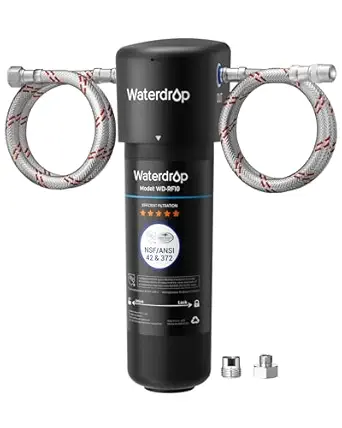
Waterdrop 10UA Under Sink Water Filter System, Reduces PFAS, PFOA/PFOS, Lead, Chlorine, Bad Taste & Odor, Under Counter Water Filter Direct Connect to Kitchen Faucet, NSF/ANSI 42 Certified, 1 Year
This system makes the most sense for budget-conscious buyers who want reliable filtration without sacrificing quality. Compared to the Waterdrop G3P800, it offers a simpler, more affordable setup with a one-year lifespan and a straightforward installation process—just a twist and click. It reduces PFAS, lead, chlorine, and bad taste, providing clean water for everyday use. While it doesn’t have the high capacity or smart display of the G3P800, it excels in ease of use and affordability, with replacement filters costing less than $25 for a year’s supply. Its compact design and direct faucet connection make it ideal for small kitchens or renters who prefer hassle-free, long-term performance without the need for drilling or complex installation. It’s best suited for those who prioritize value and simplicity in their filtration system.
Pros:- Affordable price with low-cost replacement filters
- Easy, tool-free installation in three minutes
- Reduces PFAS, lead, chlorine, taste, and odor
Cons:- Limited lifespan of around 1 year
- No smart display or high capacity like G3P800
Best for: Renters or small households seeking dependable, budget-friendly filtration
Not ideal for: High-demand homes needing large capacity or advanced features like smart displays
- Capacity:19000 gallons
- Certification:NSF/ANSI 42
- Flow rate:0.75 GPM
- Installation:Direct connect to faucet
- Filter lifespan:12 months
- Materials:BPA-free, lead-free
- Dimensions:3.9″L x 3.6″W x 16.7″H
- Weight:1.69 kg
Bottom line: This pick is perfect for budget-conscious users wanting reliable, straightforward filtration with minimal hassle.
Waterdrop TSU 0.01 Micron Ultra Filtration Under Sink Water Filter System, 3-Stage Tankless Under Sink Water Filtration System with Faucet, Smart Panel, Not Lower TDS, Drilling Required
This system is ideal for those who want a compact, effective under-sink filter with minimal maintenance. Compared to RO systems like Waterdrop G3P800, the TSU 0.01 micron model does not lower TDS but effectively reduces chlorine, PFAS, heavy metals, taste, and odor, improving water quality. Its three-stage filtration and small footprint make it perfect for space-limited kitchens. The smart panel provides filter lifespan reminders, making upkeep easy, though replacing filters can require some effort due to suction. Installation involves drilling for the faucet, but the straightforward setup and reliable filtration make it a good choice for users who want a simple, space-efficient solution. It’s best for those who value high filtration efficiency without the need for mineral retention or TDS reduction.
Pros:- Compact, space-saving design
- Effective removal of chlorine, PFAS, heavy metals
- Smart panel with lifespan reminders
Cons:- Does not lower TDS levels
- Installation requires drilling and faucet setup
Best for: Homeowners wanting space-saving, effective filtration without TDS reduction
Not ideal for: Users seeking mineral retention or TDS lowering, or large-volume demands
- Filtration:3-stage ultra-filtration
- Micron rating:0.01 micron
- Flow rate:0.75 GPM
- TDS:Not lowered
- Installation:Drilling required
- Size:Compact
- Filter lifespan:24 months
- Materials:NSF/ANSI approved
Bottom line: This is a solid choice for those who need space-efficient filtration with reliable removal of common contaminants but do not require TDS reduction.
iSpring RCC7AK, NSF Certified, 75 GPD, Alkaline 6-Stage Reverse Osmosis System, pH+ Remineralization RO Water Filter System Under Sink, Patented Top-Mounted Faucet Design
This model stands out for combining advanced 6-stage filtration with a mineral remineralization stage that balances pH and restores essential minerals, making it ideal for those who want cleaner water with added health benefits. Compared to the Waterdrop G3P600, which offers fast, tankless filtration, the RCC7AK provides a more thorough multi-stage process that effectively reduces a wider array of contaminants, including lead, fluoride, and PFAS. The inclusion of a remineralization stage means your water isn’t just purified but also naturally balanced, a feature absent in many other RO systems. The top-mounted faucet design simplifies installation, especially for those wary of working under the sink, while the transparent filter housing offers easy monitoring. However, this system’s higher initial cost and slower filtration rate mean it’s less suited for high-volume households or those seeking rapid water output. Overall, it makes the most sense for families prioritizing comprehensive filtration and enhanced mineral content.
Pros:- Certified to NSF/ANSI 58 standards for full system filtration, ensuring trusted performance
- Includes a mineral stage that enhances water flavor and health benefits
- Top-mounted faucet simplifies installation, especially in tight spaces
- Transparent filter housing makes maintenance easier
Cons:- Slower filtration rate compared to tankless models like Waterdrop G3P600
- Higher upfront cost and larger physical footprint
Best for: Homeowners seeking a reliable, NSF-certified system with added mineral benefits and straightforward installation.
Not ideal for: Households needing rapid water volume or minimal upfront investment, as this system is slower and more expensive initially.
- Flow Rate:75 GPD
- Filtration Stages:6-stage
- Certification:NSF/ANSI 58
- Remineralization:Yes
- Installation:Top-mounted faucet
- Contaminant Reduction:Fluoride, Lead, PFAS, Asbestos, Barium, Cadmium, Chromium, Copper, Selenium, TDS >93%
Bottom line: This pick is ideal for those who want a thorough, certified reverse osmosis system with added mineralization, despite the slower flow rate and higher price.
How We Picked
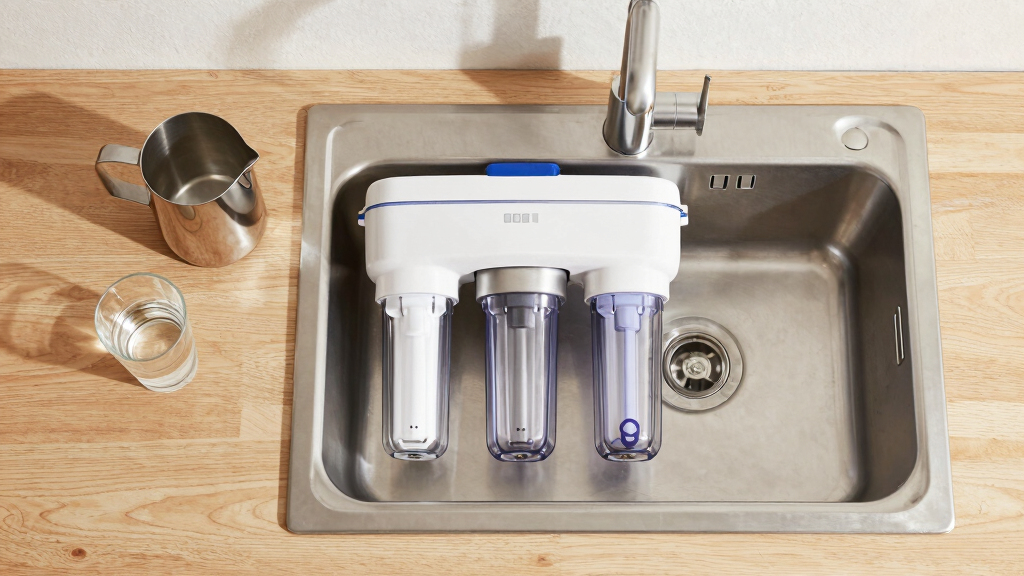
To determine the best under sink water filter systems, I evaluated each product based on filtration performance, certification standards, ease of installation, maintenance requirements, and overall value. Systems with NSF/ANSI certifications for multiple contaminants were prioritized, as they guarantee independent testing. I also considered user-friendly features such as no-drill installation, digital reminders, and high flow rates. Price was a factor, but only when paired with reliable filtration and build quality. The ranking reflects a balance between performance, usability, and long-term cost, ensuring there’s a top option for different buyer needs.Factors to Consider When Choosing Best Under Sink Water Filter Systems
Choosing the right under sink water filter involves several important considerations. Beyond filtration effectiveness, factors like ease of installation, maintenance, and system capacity impact your overall satisfaction. Understanding these factors helps avoid common pitfalls such as underestimating filter lifespan or selecting overly complex systems that are difficult to service. The right choice depends on your household size, water quality concerns, and budget, so weighing these elements is essential for a smart purchase.Filtration Capabilities and Certifications
Look for systems with NSF/ANSI certifications for specific contaminants you want to remove, such as lead, PFAS, or chlorine. Multi-stage filters generally provide more comprehensive purification, but not all certifications are equal—some only address taste and odor, while others remove heavy metals and chemicals. A certified system offers peace of mind and guarantees independent testing. Matching your water quality issues with the right certifications ensures you’re investing in an effective solution.
Ease of Installation and Maintenance
Consider whether the system requires drilling or if it offers a no-drill installation option—crucial for renters or those uncomfortable with plumbing work. Maintenance frequency varies; some filters last a year or more, while others need replacements every few months. Systems with clear indicators or digital reminders can help prevent neglect. Also, check the availability and cost of replacement filters to avoid ongoing expenses that outweigh initial savings.
Flow Rate and Capacity
Flow rate determines how quickly you get filtered water, a key factor if you use water frequently or for cooking. Reverse osmosis systems tend to be slower but provide thorough purification, whereas simpler carbon filters often have higher flow rates. Capacity, usually measured in gallons, influences how long a filter lasts before replacement. Estimating your daily water usage helps select a system that balances convenience with longevity, avoiding frequent filter changes or slow water flow.
Price and Long-Term Value
While premium systems offer advanced features, they also come with higher upfront costs. Cheaper models might save money initially but could require more frequent filter replacements or lack certain certifications. Consider the total cost of ownership, including filters, installation, and potential repairs. Investing in a slightly more expensive system with durable filters and good support can save money over time and improve satisfaction.
Additional Features and User Experience
Features like smart faucets, LED status indicators, and easy-to-read panels add convenience and help maintain optimal performance. Some systems include water alerts or app connectivity for remote monitoring, appealing to tech enthusiasts. However, these features often increase the price and complexity. Decide which extras are worth the investment based on your comfort with technology and how much you value convenience.
Frequently Asked Questions
Do I need a reverse osmosis system for my home?
Not necessarily. Reverse osmosis (RO) systems are highly effective at removing a wide range of contaminants, including heavy metals, pesticides, and fluoride, but they are also more complex and produce wastewater. If your water quality issues are limited to chlorine or bad taste, a simpler carbon filter might suffice. For households with specific concerns like lead or PFAS, an RO system offers comprehensive purification, but for basic needs, a high-quality carbon filter could provide excellent value without the added complexity.
How often do I need to replace filters in under sink systems?
Replacement frequency varies by system and usage, typically ranging from 6 months to 2 years. Systems with higher capacities or multiple filters usually last longer, but it’s essential to follow manufacturer recommendations. Regular filter changes are critical to maintaining filtration efficiency and water quality, so choosing a system with clear indicators or reminders can help avoid neglect. Budgeting for replacements is also wise, as costs can accumulate over time.
Can I install an under sink water filter myself?
Many modern systems are designed for DIY installation and come with detailed instructions. No-drill models or those with quick-connect fittings simplify the process, making them suitable even for those with limited plumbing experience. However, some higher-end systems like certain RO units may require more advanced skills or professional installation, especially if your plumbing setup is complex. Carefully review the installation requirements before purchasing to ensure it matches your comfort level.
Will an under sink water filter affect my water pressure?
Most under sink systems are designed to maintain adequate water pressure, but installing a filter can sometimes cause a slight reduction in flow rate, especially with multi-stage or RO systems. If you notice a significant drop, it might indicate a clogged filter or a system not suited for your water pressure levels. Choosing a model with a high flow rate or considering a booster pump in low-pressure situations can help maintain convenience without sacrificing filtration quality.
What is the best system for a large household?
For large households with high daily water consumption, systems with higher capacities and flow rates are ideal. Reverse osmosis units with fast flow options, like the Waterdrop G3P800, can supply more water quickly and handle greater demand. Additionally, models with long-lasting filters and fewer replacement needs reduce ongoing maintenance efforts. Prioritizing systems with higher gallon capacities and quick filtration ensures everyone has access to clean water without delays or frequent upkeep.