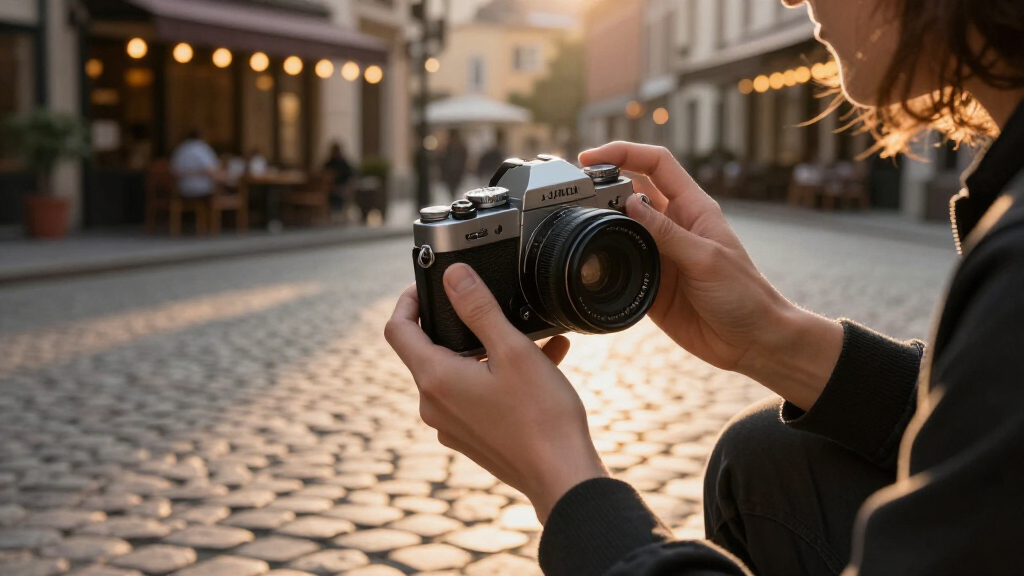

The Fujifilm X100VI stands out as the best overall Fujifilm camera right now, pairing a 40.2MP sensor with in-body stabilization in a fixed-lens body built for everyday photography. If you want interchangeable lenses instead, the X-T5 makes the most sense for landscape and studio shooters who need resolution and weather sealing, while the X-M5 is the value pick for content creators on a budget. The main tradeoff in this lineup is portability versus versatility: fixed-lens compacts like the X100VI limit you to 23mm, but they remove every lens decision; mirrorless bodies like the X-T50 and X-S20 cost less to start yet grow more expensive as you buy glass. Another tension is controls — Fujifilm’s retro dials appeal to photographers, while vloggers may prefer the flip screens and video-first layouts of the X-M5 and X-S20. Read on for the full breakdown of all 15 models.

Get the latest gadgets delivered free — and shop member deals
- Fast, free delivery on millions of items
- Access to Prime Big Deal Days deals on October 6–7
- Prime Video, Amazon Music and more included
Complete the kit



Key Takeaways
- The X100VI dominated this comparison on image quality and build, but three of the 15 entries are the same camera in different bundles — buyers should compare what each bundle actually adds before paying a premium.
- Sensor resolution splits the lineup cleanly: the 40.2MP X-Trans V models (X100VI, X-T5, X-T50, X-E5, X-T30 III) deliver cropping room and detail, while the older X-T30 II and X-S20 trade resolution for friendlier price points.
- In-body stabilization became the clearest dividing line between premium and budget picks — the X100VI, X-T5, X-S20, and X-T50 have it, and none of the X-T30 variants or the X-M5 do.
- The X-M5 emerged as the standout value choice for video-first buyers, while the X-T30 III is the better value for stills-focused photographers who want Fuji’s dial-driven handling.
- Kit lens choice matters more than most buyers expect: the XC 15-45mm power-zoom kit appears on nearly every entry-level body and is the weakest link in an otherwise strong system — budget for an XF lens upgrade.
| Fujifilm X-M5 Mirrorless Digital Camera with XC 15-45mm f/3.5-5.6 OIS PZ Lens Kit, Black |  | Best Value Entry Point | Sensor: 26.1MP APS-C X-Trans CMOS 4 | Included Lens: XC 15-45mm f/3.5-5.6 OIS PZ | Lens Mount: Fujifilm X Mount | VIEW LATEST PRICE | See Our Full Breakdown |
| FUJIFILM X100VI Point & Shoot Camera Bundle (Silver) |  | Best Complete Bundle | Sensor: 40.2MP APS-C X-Trans CMOS 5 HR | Processor: X-Processor 5 | Lens: Fujinon 23mm f/2 (35mm equivalent) | VIEW LATEST PRICE | See Our Full Breakdown |
| Fujifilm X100VI Digital Camera – Black |  | Best Overall Compact | Sensor: 40.2MP X-Trans CMOS 5 HR | Image Stabilization: Up to 6.0 stops sensor-shift IBIS | Video Resolution: 6.2K/30P | VIEW LATEST PRICE | See Our Full Breakdown |
| Fujifilm X100VI Point & Shoot Camera Bundle (Silver) |  | Best Minimal-Extras Bundle | Sensor: 40.2MP APS-C X-Trans CMOS 5 HR | Processor: X-Processor 5 | Lens: Fujinon 23mm f/2 (35mm full-frame equivalent) | VIEW LATEST PRICE | See Our Full Breakdown |
| FUJIFILM X-T50 Mirrorless Digital Camera with XC15-45mm F3.5-5.6 OIS PZ Lens Kit – Silver |  | Best for Creative Travelers | Sensor: 40.2MP X-Trans CMOS 5 HR | Film Simulations: 20 including REALA ACE, with dedicated dial | Video: 6.2K/30P, 4K/60P, FHD/240P, 4:2:2 10-bit | VIEW LATEST PRICE | See Our Full Breakdown |
| Fujifilm X-S20 Mirrorless Camera with 15-45mm Lens and Accessory Bundle |  | Best Hybrid for Video and Stills | Camera type: Mirrorless | Sensor: 26.1 MP X-Trans CMOS 4 | Image processor: X-Processor 5 | VIEW LATEST PRICE | See Our Full Breakdown |
| FUJIFILM X-T30 III Mirrorless Camera Body, Black |  | Best for Style-Conscious Everyday Shooters | Mount: Fujifilm X | Sensor: APS-H CMOS, 26.1 MP effective | Image stabilization: Optical only (lens-dependent) | VIEW LATEST PRICE | See Our Full Breakdown |
| Fujifilm X-E5 Mirrorless Camera, Silver |  | Best Premium Rangefinder Experience | Sensor: 40.2 MP X-Trans 5 HR | Image processor: X-Processor 5 | In-body stabilization: Up to 7 stops (center), 6 stops (edges) | VIEW LATEST PRICE | See Our Full Breakdown |
| Fujifilm X100VI 40.2 MP Mirrorless Camera with 23mm F2 Lens – Black |  | Best Fixed-Lens Compact | Resolution: 40.2 MP | Sensor: APS-C X-Trans CMOS 5 HR | Processor: X-Processor 5 | VIEW LATEST PRICE | See Our Full Breakdown |
| Fujifilm X-T5 Mirrorless Digital Camera with XF 16-50mm f/2.8-4.8 R LM OIS Lens Bundle (Silver, 6 Items) |  | Best Complete Starter System | Camera: Fujifilm X-T5 mirrorless | Kit lens: XF 16-50mm f/2.8-4.8 R LM OIS | Color: Silver | VIEW LATEST PRICE | See Our Full Breakdown |
| Fujifilm X100VI Black |  | Best Premium Compact | Still Resolution: 40.2MP | Video: Up to 6.2K/30P, 4K/60P | Image Stabilization: 5-axis IBIS, up to 6 stops | VIEW LATEST PRICE | See Our Full Breakdown |
| FUJIFILM X-T30 III Mirrorless Camera with XC 13-33mm Lens Bundle, Silver (6 Items) |  | Best Complete Starter Bundle | Sensor: 26.1MP APS-C X-Trans CMOS 4 | Processor: X-Processor 5 | Kit Lens: XC 13-33mm f/3.5-6.3 | VIEW LATEST PRICE | See Our Full Breakdown |
| Fujifilm X-T50 Mirrorless Digital Camera with XC 15-45mm f/3.5-5.6 OIS PZ Lens Kit, Charcoal Silver |  | Best for Creative Filters and Travel | Sensor: 40.2MP X-Trans CMOS 5 HR | Kit Lens: XC 15-45mm f/3.5-5.6 OIS PZ | Video: 6.2K/30P, 4K/60P, FHD/240P, 10-bit 4:2:2 | VIEW LATEST PRICE | See Our Full Breakdown |
| Fujifilm X-T30 II Mirrorless Camera with XC 15-45mm Lens, Silver |  | Best Value Pick | Sensor: X-Trans CMOS 4 back-illuminated APS-C | Processor: X-Processor 4 | Kit Lens: XC 15-45mm | VIEW LATEST PRICE | See Our Full Breakdown |
| FUJIFILM X-M5 Mirrorless Digital Camera Body, Silver |  | Best for Building a Custom Kit | Sensor: 26.1MP APS-C X-Trans CMOS 4 | Processor: X-Processor 5 | Video: 6.2K/30p 10-bit internal, 4K/60p, Full HD 240fps | VIEW LATEST PRICE | See Our Full Breakdown |
| Fujifilm camera | Sensor | Image Stabilization |
|---|---|---|
| Fujifilm X-M5 Mirrorless Digit | 26.1MP APS-C X-Trans CMOS 4 | — |
| FUJIFILM X100VI Point & Shoot | 40.2MP APS-C X-Trans CMOS 5 HR | 6-stop in-body |
| Fujifilm X100VI Digital Camera | 40.2MP X-Trans CMOS 5 HR | Up to 6.0 stops sensor-shift IBIS |
| Fujifilm X100VI Point & Shoot | 40.2MP APS-C X-Trans CMOS 5 HR | 6-stop in-body |
| FUJIFILM X-T50 Mirrorless Digi | 40.2MP X-Trans CMOS 5 HR | — |
| Fujifilm X-S20 Mirrorless Came | 26.1 MP X-Trans CMOS 4 | Five-axis IBIS, up to 7 stops |
| FUJIFILM X-T30 III Mirrorless | APS-H CMOS, 26.1 MP effective | Optical only (lens-dependent) |
| Fujifilm X-E5 Mirrorless Camer | 40.2 MP X-Trans 5 HR | — |
| Fujifilm X100VI 40.2 MP Mirror | APS-C X-Trans CMOS 5 HR | 5-axis IBIS, up to 6.0 stops |
| Fujifilm X-T5 Mirrorless Digit | — | — |
| Fujifilm X100VI Black | — | 5-axis IBIS, up to 6 stops |
| FUJIFILM X-T30 III Mirrorless | 26.1MP APS-C X-Trans CMOS 4 | — |
| Fujifilm X-T50 Mirrorless Digi | 40.2MP X-Trans CMOS 5 HR | Up to 7.0 stops in-body |
| Fujifilm X-T30 II Mirrorless C | X-Trans CMOS 4 back-illuminated APS-C | — |
| FUJIFILM X-M5 Mirrorless Digit | 26.1MP APS-C X-Trans CMOS 4 | — |
More Details on Our Top Picks
Fujifilm X-M5 Mirrorless Digital Camera with XC 15-45mm f/3.5-5.6 OIS PZ Lens Kit, Black
For buyers who want to enter the Fujifilm X system without a premium outlay, this X-M5 kit makes the most sense. It shares the 26.1MP X-Trans CMOS 4 sensor and X Mount with pricier bodies like the X-T30 II, which means the same lens ecosystem and Fujifilm’s color science at a friendlier price. Compared with the X-T50, you give up in-body stabilization and the Film Simulation dial, but you gain an impressively small body with autofocus that locks on down to -7EV — dimmer than most rivals manage at any price. Video up to 6.2K/30fps also outclasses what the X100VI offers in practice for hybrid shooters who want interchangeable framing. The tradeoff: the XC 15-45mm kit lens is slow at f/3.5-5.6, so low-light shooters will want a prime sooner rather than later, and the tilt screen lacks a full articulation for vlogging angles.
Pros:- 26.1MP X-Trans sensor with access to the full Fujifilm X lens ecosystem
- Hybrid autofocus rated down to -7EV for reliable focusing in very dim light
- 6.2K/30fps video capture rivals more expensive Fujifilm bodies
- Compact tilt touchscreen body suited to travel and everyday carry
Cons:- Kit lens maximum aperture of f/3.5-5.6 limits low-light and shallow-depth-of-field work
- No in-body image stabilization, unlike the X-T50 or X100VI
Best for: First-time mirrorless buyers and content creators who want interchangeable lenses and strong video at an accessible price
Not ideal for: Low-light photographers who need background blur — the slow kit aperture and lack of IBIS will show in dim interiors
- Sensor:26.1MP APS-C X-Trans CMOS 4
- Included Lens:XC 15-45mm f/3.5-5.6 OIS PZ
- Lens Mount:Fujifilm X Mount
- ISO Sensitivity:160-12800, expandable to 51200
- Autofocus:Intelligent hybrid AF, down to -7.0EV
- Video Resolution:Up to 6.2K at 30fps
- Display:3.0-inch tilt-type touchscreen LCD
Our verdict“A smart first Fujifilm camera for buyers who prioritize lens flexibility and modern video over premium stabilization.”
FUJIFILM X100VI Point & Shoot Camera Bundle (Silver)
This silver X100VI bundle stands out for buyers who want the full kit in one purchase: dual 64GB cards, two batteries, an external charger, case, tripod, and LED light. That matters more than it sounds — the X100VI’s battery life is modest, so the second NP-W126 and charger address a real weakness rather than padding the box. Compared with the black X100VI, the core camera is identical: the 40.2MP X-Trans CMOS 5 HR sensor, 6-stop IBIS, and hybrid optical/electronic viewfinder. Where the fixed Fujinon 23mm f/2 lens constrains zoom shooters, the tactile dials and 20 film simulations reward photographers who enjoy deliberate framing. The honest drawback is duplication — if you already own cards and batteries, the standalone X100VI or the leaner silver bundle makes more financial sense.
Pros:- 40.2MP X-Trans CMOS 5 HR sensor with X-Processor 5 for exceptional detail
- 6-stop in-body stabilization steadies handheld shooting at slower shutter speeds
- Hybrid viewfinder pairs a classic optical view with a 3.69m-dot OLED EVF
- Bundle addresses the camera’s short battery life with spares and an external charger
Cons:- Fixed 23mm prime lens offers no optical zoom flexibility
- Bundle contents may duplicate gear you already own
- Dial-based control scheme can overwhelm casual snapshooters
Best for: Photographers buying their first dedicated camera who want spare batteries, storage, and accessories included out of the box
Not ideal for: Existing camera owners with cards and batteries on hand — the duplicated accessories add cost without value
- Sensor:40.2MP APS-C X-Trans CMOS 5 HR
- Processor:X-Processor 5
- Lens:Fujinon 23mm f/2 (35mm equivalent)
- Image Stabilization:6-stop in-body
- Autofocus:425-point Intelligent Hybrid AF
- Viewfinder:Hybrid 0.66x OOV with 3.69m-dot OLED EVF
- Film Simulation Modes:20, including REALA ACE
- Bundle Contents:Camera, 2x 64GB cards, card reader, 2 batteries, charger, LED light, case, tripod, wallet, cleaning kit
Our verdict“The right X100VI package for first-time dedicated-camera buyers who need everything included on day one.”
Fujifilm X100VI Digital Camera – Black
The black X100VI is the strongest all-around compact in this lineup, pairing the highest-resolution sensor Fujifilm puts in this format — the 40.2MP X-Trans CMOS 5 HR — with 6 stops of in-body stabilization, a first for the X100 series. Compared with the X-M5, you trade lens interchangeability for a beautifully integrated 23mm f/2 prime, a hybrid viewfinder, and the creative pull of 20 film simulations plus a built-in 4-stop ND filter that opens up wide-aperture daylight shooting. The 1.4x and 2x digital teleconverters partially soften the fixed-lens limitation, but only partially — frame lines are cropped rather than optically magnified. Photographers who move between wide landscapes and tight portraits will still be better served by the X-T50’s interchangeable mount. For everyone drawn to deliberate, pocketable street and travel photography, this option stands alone.
Pros:- 40.2MP high-resolution sensor with 6.2K/30P video
- Up to 6 stops of in-body image stabilization for handheld confidence
- Built-in 4-stop ND filter and 20 film simulations including REALA ACE
- Classic dial-based design with digital teleconverter options
Cons:- Fixed 23mm lens restricts zoom to digital teleconverters only
- Compact body offers fewer physical controls than larger X Series bodies
Best for: Street, travel, and everyday photographers who value a fixed prime, tactile controls, and maximum portability in one camera
Not ideal for: Zoom-dependent shooters like wildlife or sports photographers — the fixed 23mm lens cannot be changed
- Sensor:40.2MP X-Trans CMOS 5 HR
- Image Stabilization:Up to 6.0 stops sensor-shift IBIS
- Video Resolution:6.2K/30P
- Lens:23mm f/2
- Internal ND Filter:4 stops
- Digital Teleconverter:1.4x and 2x
- Film Simulation Modes:20 including REALA ACE
- Weight:521 g
Our verdict“The definitive compact Fujifilm for photographers who choose one focal length and want the best image quality in this form factor.”
Fujifilm X100VI Point & Shoot Camera Bundle (Silver)
This silver X100VI bundle occupies a middle ground: unlike the larger silver bundle, it includes only the essentials — a 64GB card, card reader, soft case, wallet, and cleaning kit — without spare batteries or a tripod. That restraint makes it the better fit for buyers who already own charging gear but want the camera ready to shoot on arrival. The camera itself matches the black X100VI spec for spec: the 40.2MP sensor, 6-stop IBIS, hybrid viewfinder, and 425-point AF. One gap worth flagging against the fuller bundle: with only the in-box battery arrangement and no spare included, a long day of shooting may end early unless you add a second battery yourself. The fixed 23mm f/2 remains the defining constraint, so zoom shooters should look to the X-T50 instead.
Pros:- Identical 40.2MP sensor and 6-stop IBIS as the standalone X100VI
- Lean accessory set covers storage, protection, and cleaning without excess
- Hybrid viewfinder and tilting touchscreen offer flexible composition
- Classic silver finish with tactile dial-based controls
Cons:- No spare battery included despite the camera’s modest battery life
- Fixed prime lens limits framing flexibility versus interchangeable-lens models
Best for: Buyers upgrading from a phone who want a ready-to-shoot kit with just the core accessories and no duplication
Not ideal for: All-day shooters who shoot video heavily — the single battery setup will need a spare purchased separately
- Sensor:40.2MP APS-C X-Trans CMOS 5 HR
- Processor:X-Processor 5
- Lens:Fujinon 23mm f/2 (35mm full-frame equivalent)
- Image Stabilization:6-stop in-body
- Autofocus:425-point Intelligent Hybrid AF
- Viewfinder:Hybrid 0.66x OVF with 3.69m-dot OLED EVF
- LCD:3.0-inch 1.62m-dot tilting touchscreen
- Film Simulation Modes:20
Our verdict“A sensible, no-filler X100VI kit for photographers who already own charging gear and just need the basics covered.”
FUJIFILM X-T50 Mirrorless Digital Camera with XC15-45mm F3.5-5.6 OIS PZ Lens Kit – Silver
The X-T50 is the pick for photographers who want X100VI-level image quality with the freedom to change lenses. It shares the same 40.2MP X-Trans CMOS 5 HR sensor as the compact flagship but adds the full X Mount — and its unique selling point is the first-ever dedicated Film Simulation dial, putting 20 color modes including REALA ACE a single twist away. Its 7.0 stops of IBIS actually exceed the X100VI’s 6, making it steadier for handheld video and low-light stills. Video options run deep too: 6.2K/30P, 4K/60P, and FHD/240P in 10-bit with native Frame.io Camera to Cloud for working photographers. The compromise sits in the box: the XC15-45mm kit lens is slow and optically modest next to the sensor’s resolving power, so budget-conscious buyers may prefer pairing the body-only option with a prime. Compared with the X-M5, this is clearly the more capable machine — at a corresponding step up in cost.
Pros:- Dedicated Film Simulation dial for instant access to 20 modes including REALA ACE
- 40.2MP sensor shared with the X100VI but with interchangeable X Mount lenses
- Class-leading 7.0-stop in-body stabilization
- Versatile video: 6.2K/30P, 4K/60P, FHD/240P in 4:2:2 10-bit
Cons:- XC15-45mm kit lens has a slow f/3.5-5.6 aperture that underuses the 40.2MP sensor
- Larger investment than simpler options like the X-M5 once better lenses are added
Best for: Travel and hybrid stills-video creators who want maximum resolution, strong stabilization, and room to grow with lenses
Not ideal for: Minimalists who want a pocketable fixed-lens camera — the interchangeable system adds size, cost, and lens decisions
- Sensor:40.2MP X-Trans CMOS 5 HR
- Film Simulations:20 including REALA ACE, with dedicated dial
- Video:6.2K/30P, 4K/60P, FHD/240P, 4:2:2 10-bit
- In-Body Image Stabilization:Up to 7.0 stops (CIPA)
- Digital Teleconverter:1.4x and 2x
- Lens Mount:Fujifilm X
- Kit Lens:XC15-45mm f/3.5-5.6 OIS PZ
- Connectivity:Frame.io Camera to Cloud (native)
Our verdict“The best choice for photographers who want flagship Fujifilm image quality with the flexibility the fixed-lens X100VI can’t offer.”
Fujifilm X-S20 Mirrorless Camera with 15-45mm Lens and Accessory Bundle
The X-S20 earns its place as the lineup’s most balanced hybrid. Where the X-T5 bundle leans toward stills shooters with its classic dial-driven control scheme, this camera puts video first: 4K at 60 fps, a dedicated Vlog mode, and both microphone and headphone jacks make it a genuine content-creation tool rather than an afterthought. The five-axis IBIS rated to seven stops means handheld low-light shooting and smooth walking footage are realistic without a gimbal.
The tradeoff is the kit lens. Compared with the XF 16-50mm f/2.8-4.8 in the X-T5 bundle, the XC 15-45mm’s plastic build and slower variable aperture hold the 26.1 MP sensor back optically. But the included spare battery, 128GB card, and charger make this the more complete day-one package for hybrid creators.
Pros:- Five-axis IBIS rated to seven stops enables handheld low-light work
- 4K/60p video with mic and headphone jacks plus a Vlog mode
- Complete bundle with lens, spare battery, memory card, and charger
- X-Processor 5 delivers fast, modern autofocus performance
Cons:- XC 15-45mm kit lens has a slow variable aperture and plastic construction
- Less engaging handling than Fujifilm’s dial-driven bodies like the X-T5
Best for: Vloggers and hybrid photo/video creators who want one camera that handles both jobs out of the box
Not ideal for: Photographers who plan to shoot mostly in low light — the slow kit lens will push ISO higher than they’d like
- Camera type:Mirrorless
- Sensor:26.1 MP X-Trans CMOS 4
- Image processor:X-Processor 5
- Kit lens:XC 15-45mm f/3.5-5.6 OIS PZ
- Image stabilization:Five-axis IBIS, up to 7 stops
- Video:4K at 60 fps
- Screen size:3 inches
- Bundle extras:SanDisk 128GB card, spare NP-W235 battery, travel charger, card reader
Our verdict“Buy this if you shoot video and stills in equal measure and want everything you need in one box; skip it if you’re a dedicated stills shooter who’d benefit from a faster kit lens.”
FUJIFILM X-T30 III Mirrorless Camera Body, Black
The X-T30 III occupies the style-first slot in this lineup. Its dial dedicated to 20 Film Simulations is something even the pricier X-S20 bundle doesn’t offer — it turns SOOC color grading into a physical, tactile experience. Add AI subject-detection autofocus and 6.2K video, and this compact body punches well above its size for travel and street work.
The compromises are real, though. This listing is body only, so unlike the X-S20 or X-T5 bundles, you’re budgeting for a lens separately. There’s no built-in flash, and stabilization is optical only — meaning unstabilized primes leave you without any shake correction, a gap the IBIS-equipped X-E5 fills for a different buyer. The retro design is the draw here; buyers wanting modern ergonomics should look elsewhere in this roundup.
Pros:- Dedicated Film Simulation dial with 20 built-in recipes
- AI-powered subject detection keeps moving subjects sharp
- Compact retro body available in three classic finishes
- 6.2K video recording for cropping room in post
Cons:- Body only — lens sold separately in this listing
- No in-body stabilization; unstabilized lenses get no shake correction
- No built-in flash for fill light
Best for: Travel and street photographers who love shooting JPEG with film-inspired color and want a light, stylish body
Not ideal for: First-time buyers on a single purchase — body-only pricing plus a separate lens adds cost and decisions
- Mount:Fujifilm X
- Sensor:APS-H CMOS, 26.1 MP effective
- Image stabilization:Optical only (lens-dependent)
- Video resolution:6.2K
- Shutter speed range:30s to 1/32000s
- Viewfinder:Electronic
- Screen size:3 inches
- Weight:1.4 pounds
Our verdict“This is the pick for experienced shooters who already own glass and prioritize style and straight-out-of-camera color above all else.”
Fujifilm X-E5 Mirrorless Camera, Silver
Think of the X-E5 as the X100VI’s philosophy with flexibility bolted on. It borrows the X100VI’s 40.2 MP X-Trans 5 HR sensor and styling, but swaps the fixed 23mm lens for compatibility with 40+ X Mount lenses — the core reason to choose it over the cult-favorite compact. The customizable Film Simulation dial, which stores your own recipes, goes a step beyond the X-T30 III’s preset-only dial and is genuinely useful for shooters who toggle between looks.
Up to seven stops of IBIS also outclasses the X-T30 III’s lens-dependent stabilization. The tradeoffs: the digital teleconverter works by cropping, which costs resolution, and the rangefinder layout — viewfinder in the corner, no central prism hump — feels foreign if you’re coming from a DSLR-style body like the X-T5. This is a camera for deliberate photographers, not spec maximizers.
Pros:- 40.2 MP X-Trans 5 HR sensor matches the X100VI’s resolution
- Access to 40+ X Mount lenses for true system flexibility
- Customizable Film Simulation dial with user-saveable recipes
- Up to 7 stops of in-body stabilization
Cons:- Digital teleconverter crops the sensor, reducing resolution at 1.4x and 2x
- Rangefinder-style layout is unintuitive for DSLR shooters
- Premium build carries a premium price without a lens included
Best for: Enthusiast photographers who love the X100VI aesthetic but want interchangeable lenses and IBIS
Not ideal for: DSLR converts who expect a centered viewfinder and deep grip — the rangefinder ergonomics take real adjustment
- Sensor:40.2 MP X-Trans 5 HR
- Image processor:X-Processor 5
- In-body stabilization:Up to 7 stops (center), 6 stops (edges)
- Lens mount:Fujifilm X Mount (40+ lenses)
- Base ISO:125
- Digital teleconverter:1.4x / 2x (crop-based)
- Autofocus:Deep learning AI subject detection
- Connectivity:Bluetooth
Our verdict“Choose this over the X100VI if you love the look but can’t live with a single focal length; it’s the thinking photographer’s compact system camera.”
Fujifilm X100VI 40.2 MP Mirrorless Camera with 23mm F2 Lens – Black
The X100VI is the camera that defines this category — and the reason the X-E5 exists. Its fixed 23mm F2 lens is optically matched to the 40.2 MP sensor for edge-to-edge sharpness, and the hybrid viewfinder that flips between optical and electronic modes remains unique in the lineup. Nothing else here, including the X-T5, offers that OVF shooting experience.
Five-axis IBIS rated to six stops finally catches the X-S20’s stabilization without sacrificing the pocketable body. But the fixed lens is a genuine constraint, not a quirk: no zoom, no swapping. If your shooting varies between portraits and landscapes in one afternoon, the X-T5 bundle with its 16-50mm zoom is the smarter fit. The X100VI rewards photographers who’ve settled on one focal length and want the purest possible tool for it.
Pros:- Optically matched fixed 23mm F2 lens with edge-to-edge sharpness
- Unique hybrid viewfinder with both EVF and OVF modes
- Five-axis IBIS up to 6.0 stops in a compact body
- Two-way tilting 1.62-million-dot touchscreen
Cons:- Fixed 23mm lens removes all zoom and lens-swap flexibility
- High demand frequently makes it hard to find in stock
Best for: Street, travel, and documentary photographers committed to a single 35mm-equivalent focal length
Not ideal for: Zoom-reliant shooters — the fixed 23mm lens can’t adapt to changing subjects or distances
- Resolution:40.2 MP
- Sensor:APS-C X-Trans CMOS 5 HR
- Processor:X-Processor 5
- Lens:Fixed 23mm F2
- Image stabilization:5-axis IBIS, up to 6.0 stops
- Viewfinder:Hybrid EVF/OVF
- Film simulations:20 modes
- Screen:Two-way tilting touchscreen, 1.62 million dots
Our verdict“The definitive one-lens camera — buy it if a 35mm-equivalent field of view suits your eye, and pass if you need focal-length range.”
Fujifilm X-T5 Mirrorless Digital Camera with XF 16-50mm f/2.8-4.8 R LM OIS Lens Bundle (Silver, 6 Items)
This X-T5 bundle wins the practicality argument. Where the X100VI locks you to one focal length and the X-T30 III ships body-only, this kit pairs Fujifilm’s enthusiast flagship-style handling with a versatile 16-50mm zoom covering wide landscapes through portrait-friendly compression. The classic dial-based control layout teaches exposure fundamentals in a way mode-dial cameras like the X-S20 don’t, which matters if you’re growing into the hobby.
Be clear-eyed about what you’re getting, though. Some bundle accessories — the Power2000 battery and Vivitar wallet — are third-party, not Fujifilm, and the lens has a variable maximum aperture that dims as you zoom. A 1-year Fujifilm USA warranty softens the risk. Still, as a single-purchase entry into the X system with a real zoom range, nothing else in this batch matches it for completeness.
Pros:- 16-50mm zoom range covers most shooting scenarios from wide to short telephoto
- Complete bundle: lens, memory card, spare battery, charger, and reader
- 1-year Fujifilm USA warranty included
- Dial-driven manual controls encourage learning and fast adjustments
Cons:- Several accessories are third-party rather than Fujifilm originals
- Variable f/2.8-4.8 aperture loses light as you zoom
- Heavier and less discreet than compact options like the X100VI
Best for: Serious hobbyists making a one-purchase jump into the Fujifilm system who want zoom range and room to grow
Not ideal for: Video-first creators — the X-S20’s 60p recording, Vlog mode, and audio jacks serve them better
- Camera:Fujifilm X-T5 mirrorless
- Kit lens:XF 16-50mm f/2.8-4.8 R LM OIS
- Color:Silver
- Bundle size:6 items
- Memory card:SanDisk 128GB Extreme PRO SDXC
- Spare battery:Power2000 NP-W235
- Charger:Premium Tech AC/DC travel charger
- Warranty:1-year Fujifilm USA
Our verdict“The most sensible single-buy entry into the X Mount system — grab it if you want range and growth potential over portability or a fixed-lens aesthetic.”
Fujifilm X100VI Black
The X100VI stands out for buyers who want flagship-level image quality in a fixed-lens body. Its 40.2MP sensor matches the Fujifilm X-T50’s resolution, but the X100VI pairs it with a sealed, dial-driven classic design and a hybrid viewfinder that no other camera in this lineup offers — you can switch between optical and electronic viewing, which changes how you shoot day to day. Compared with the X-M5, the built-in 23mm lens and up-to-6-stop in-body stabilization make it far more self-contained, though that fixed focal length is the central tradeoff: no zoom, no lens swaps. The internal 4-stop ND filter is a quiet advantage for street photography in bright light.
Pros:- 40.2MP stills plus 6.2K/30P and 4K/60P video in a compact fixed-lens body
- Up to 6 stops of 5-axis in-body stabilization for handheld low-light work
- Hybrid optical/electronic viewfinder unique in this lineup
- 20 Film Simulation modes and classic machined-dial controls
Cons:- Fixed 23mm lens limits framing flexibility
- Premium pricing puts it above interchangeable-lens alternatives
- Advanced controls and video workflows can overwhelm beginners
Best for: Street and travel photographers who want one premium, pocketable camera with a fixed 23mm lens and no accessories to manage
Not ideal for: Anyone who needs zoom flexibility or multiple focal lengths — the fixed lens is permanent
- Still Resolution:40.2MP
- Video:Up to 6.2K/30P, 4K/60P
- Image Stabilization:5-axis IBIS, up to 6 stops
- ND Filter:Internal 4-stop
- Viewfinder:Hybrid optical/electronic
- Film Simulations:20 modes including REALA ACE
- Design:Aluminum top plate, machined dials
Our verdict“A one-camera solution for photographers who value craft and portability over lens flexibility.”
FUJIFILM X-T30 III Mirrorless Camera with XC 13-33mm Lens Bundle, Silver (6 Items)
This X-T30 III bundle makes the most sense for first-time Fujifilm buyers because it removes the hidden costs of getting started: lens, 128GB SanDisk card, spare battery, charger, and reader all arrive together. Compared with the Fujifilm X-T30 II, the III moves to the newer X-Processor 5 with AI subject detection and 6.2K video, a real generational jump for roughly the same body size. Its 26.1MP sensor is lower resolution than the X-T50’s 40.2MP, but that means smaller files, faster editing, and less storage pressure — a fair trade for most new shooters. The main compromise is the XC 13-33mm’s slow variable aperture, which struggles indoors without flash.
Pros:- Six-item bundle covers card, spare battery, charger, and accessories on day one
- X-Processor 5 with AI subject detection tracking people, pets, and vehicles
- 6.2K video capability in a compact retro body
- Physical dials plus an automatic mode ease the learning curve
Cons:- Some included accessories are third-party rather than OEM
- XC 13-33mm kit lens has a modest maximum aperture for low light
- No in-body image stabilization
Best for: First-time mirrorless buyers who want everything in one box and a modern feature set without paying for 40MP
Not ideal for: Low-light or indoor shooters — the f/3.5-6.3 kit lens and lack of in-body stabilization demand fast primes for dim scenes
- Sensor:26.1MP APS-C X-Trans CMOS 4
- Processor:X-Processor 5
- Kit Lens:XC 13-33mm f/3.5-6.3
- Video:Up to 6.2K (3:2)
- Autofocus:AI subject detection and tracking
- Mount:Fujifilm X-mount
- Bundle:6 items including SanDisk 128GB Extreme PRO
Our verdict“The easiest on-ramp into the Fujifilm system — buy once, shoot the same day.”
Fujifilm X-T50 Mirrorless Digital Camera with XC 15-45mm f/3.5-5.6 OIS PZ Lens Kit, Charcoal Silver
The X-T50 carves out its niche with a dedicated Film Simulation dial — a physical control no other camera here offers, and one that changes behavior: switching looks becomes as fast as changing shutter speed. It shares the 40.2MP sensor with the X100VI but adds an X-mount, so your lens options grow over time instead of being locked to one focal length. Its 7-stop in-body stabilization edges out the X100VI’s 6 stops, which matters for handheld travel video. Against the X-T30 III bundle, you give up the bundled accessories and pay more, but gain resolution, IBIS, and 10-bit 6.2K recording. The XC 15-45mm power zoom is convenient but optically modest.
Pros:- Dedicated Film Simulation dial gives instant access to 20 looks including REALA ACE
- 40.2MP sensor with 6.2K/30P 10-bit 4:2:2 video
- Up to 7 stops of in-body stabilization for handheld shooting
- Interchangeable X-mount supports the full Fujifilm lens range
Cons:- XC 15-45mm kit lens has a slow f/3.5-5.6 aperture
- High-resolution files demand larger storage and editing power
- Kit costs more than bundled alternatives without including extras
Best for: Travel and everyday shooters who want maximum resolution, strong stabilization, and instant Film Simulation access in a compact kit
Not ideal for: Photographers with larger hands who prefer a DSLR-style grip — the compact body prioritizes portability over handling
- Sensor:40.2MP X-Trans CMOS 5 HR
- Kit Lens:XC 15-45mm f/3.5-5.6 OIS PZ
- Video:6.2K/30P, 4K/60P, FHD/240P, 10-bit 4:2:2
- Image Stabilization:Up to 7.0 stops in-body
- Film Simulations:20 including REALA ACE
- Digital Teleconverter:1.4x and 2x
- Autofocus:Deep Learning AI subject tracking
Our verdict“The most creatively immediate camera in the lineup — a travel-oriented body built around Fujifilm’s color science.”
Fujifilm X-T30 II Mirrorless Camera with XC 15-45mm Lens, Silver
Among these options, the X-T30 II is where budget-conscious buyers land without giving up core image quality. Its 0.02-second autofocus and back-illuminated sensor deliver the sharp, colorful stills Fujifilm is known for, while 4K/30p, 240fps slow motion, and 10-bit HDMI output cover serious video needs. Compared with the X-T30 III bundle, you lose the newer processor, AI subject detection, and 6.2K recording — but the savings can fund a fast prime lens, which improves photos more than a resolution bump would. Against the X-M5 body, the advantage is that a lens is included in the box. The tradeoff: older processing and no in-body stabilization.
Pros:- Fast 0.02-second autofocus with strong subject tracking
- 4K/30p, 240fps slow motion, and 10-bit 4:2:2 HDMI output
- Compact body with tilting touchscreen and wireless sharing
- Kit lens included, ready to shoot out of the box
Cons:- No in-body image stabilization
- Older X-Processor 4 lacks AI subject detection
- Low-light AF spec depends on pairing with a specific bright lens
Best for: Value-focused hobbyists who want proven image quality and a kit lens included, with money left over for a prime lens
Not ideal for: Hybrid shooters who need cutting-edge autofocus tracking and 6K video — the X-Processor 4 is a generation behind
- Sensor:X-Trans CMOS 4 back-illuminated APS-C
- Processor:X-Processor 4
- Kit Lens:XC 15-45mm
- Video:4K/30p, 1080p/240fps
- Autofocus Speed:As fast as 0.02 seconds
- Film Simulations:18 modes
- Display:3-inch two-way tilting touchscreen
Our verdict“The smart money pick — last-generation hardware that still produces first-class images.”
FUJIFILM X-M5 Mirrorless Digital Camera Body, Silver
The X-M5 body is better suited to buyers who already own Fujifilm glass or have a specific lens in mind — skipping the kit zoom avoids paying for optics you’ll replace. Its pairing of a 26.1MP sensor with the X-Processor 5 is the same formula as the X-T30 III, so you get AI subject detection and internal 6.2K/30p 10-bit video, but in a smaller, lighter chassis with an articulating screen that vloggers will appreciate more than the X-T30’s tilting display. Unlike the X100VI, there’s no fixed-lens convenience — you must budget for a lens. There’s also no viewfinder, which pushes composition onto the rear screen.
Pros:- X-Processor 5 with AI-based hybrid autofocus for people, animals, and more
- Internal 6.2K/30p 10-bit, 4K/60p, and 240fps Full HD recording
- Fully articulating touchscreen ideal for self-recording
- Wi-Fi and Bluetooth for transfer and remote control
Cons:- Body only — no lens included
- No electronic viewfinder
- No in-body image stabilization
Best for: Content creators and existing Fujifilm owners who want modern video specs and will choose their own lens
Not ideal for: First-time camera buyers — body-only means hidden lens costs and no viewfinder for bright outdoor shooting
- Sensor:26.1MP APS-C X-Trans CMOS 4
- Processor:X-Processor 5
- Video:6.2K/30p 10-bit internal, 4K/60p, Full HD 240fps
- Autofocus:Hybrid AF with AI subject detection
- Display:3.0-inch articulating touchscreen
- Connectivity:Wi-Fi, Bluetooth
Our verdict“A compact, video-forward foundation for shooters who want to pick their own glass from day one.”
How We Picked
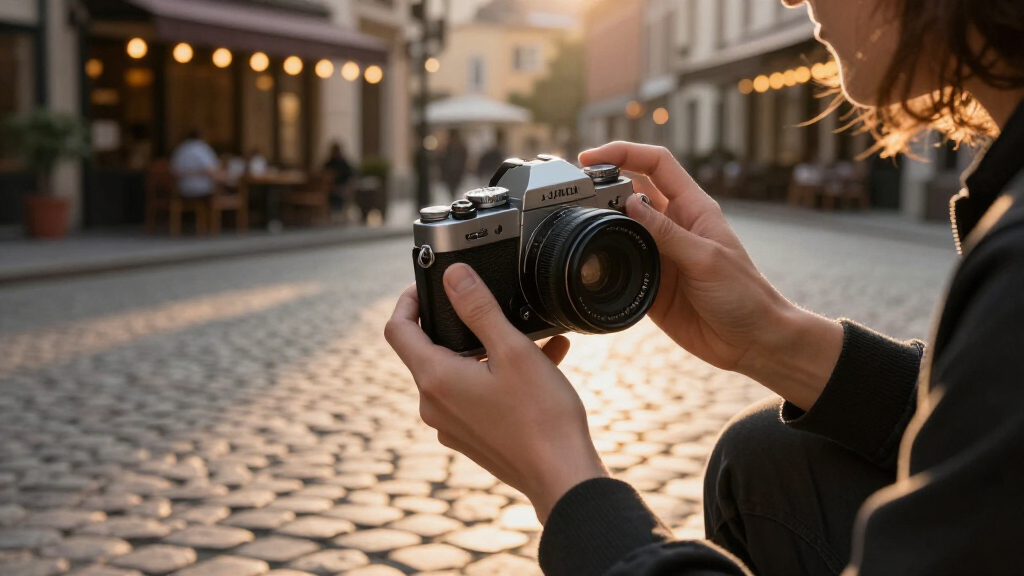
I evaluated every camera in this roundup against four buyer-relevant criteria: image quality (sensor generation, stabilization, and lens compatibility), handling and controls (Fuji’s dial layout, grip size, viewfinder quality), video capability (where relevant for hybrid shooters), and value trajectory — how well each body holds up as you invest in lenses and accessories. Because this list includes several duplicate bodies sold in different bundles, I also compared what each bundle includes against buying the pieces separately, since bundled accessories are frequently where value is won or lost.
The ranking logic favors cameras that excel at a defined job over generalists. The X100VI leads because it delivers the most complete shooting experience without lens-mount complexity. Versatile mid-range bodies like the X-T5 and X-T50 follow because they reward long-term investment. Entry-level models rank lower not because they are poor cameras, but because their tradeoffs — no stabilization, smaller viewfinders, plastic kit lenses — matter more once you compare them side by side with the alternatives here.
Factors to Consider When Choosing Best Fujifilm Cameras
Choosing between these 15 Fujifilm cameras comes down to a handful of decisions that have nothing to do with spec sheets. Before you pick a body, work through the factors below — they will narrow the field faster than any feature comparison.Fixed Lens or Interchangeable Lens?
This is the single biggest decision, and it shapes everything else. The X100VI locks you into a 23mm f/2 field of view — roughly what your eye sees — which is liberating for street and everyday photography but frustrating for wildlife, sports, or tight portraits. Interchangeable-lens bodies like the X-T5 or X-S20 start cheaper but become a multi-year investment in glass, and Fuji’s XF lenses often cost more than the camera itself. A common mistake is buying an interchangeable system and never leaving the kit zoom, which gives you a bulkier camera with no quality advantage over the X100VI. If you cannot name two lenses you’d want to buy in the next year, the fixed-lens route is probably the smarter spend.
Do You Need In-Body Stabilization?
In-body image stabilization (IBIS) lets you shoot handheld at shutter speeds four to seven stops slower than usual, which matters enormously for indoor, evening, and travel photography without a tripod. Among the cameras here, only the X100VI, X-T5, X-S20, and X-T50 include it. For video shooters, IBIS is close to non-negotiable — handheld footage from unstabilized bodies like the X-T30 III or X-M5 looks noticeably shaky without a gimbal. Stills shooters using fast primes in daylight can skip it and save money, but anyone shooting dim restaurants, concerts, or cathedrals will feel the difference immediately. This is the feature most likely to cause regret if you cheap out on it.
Bundles: Genuine Value or Filler?
This roundup includes multiple versions of the same camera sold with accessories, and the quality of those bundles varies widely. Some include useful extras — spare batteries, a quality SD card, a protective case — while others pad the box with generic tripods and lens cloths that inflate the perceived value. A practical rule: price the camera body alone, then price the two accessories you’d actually buy, and compare. If the bundle premium exceeds that sum, skip it. The lens kits are the exception — buying the XC 15-45mm as part of a kit typically costs less than purchasing it separately, making even a modest kit a reasonable starter. Also watch for color variants: Silver and Black versions of the same camera sometimes carry different markup purely on aesthetics.
Sensor Generation and What 40MP Actually Buys You
Fujifilm’s current 40.2MP X-Trans sensor appears in the X100VI, X-T5, X-T50, X-E5, and X-T30 III, while older bodies use 26MP chips. The extra resolution is not about bigger prints — it is about cropping flexibility and lens sharpness demands. A 40MP file lets you crop to a tighter composition and still retain detail, and the newer sensor’s improved autofocus tracking is a real gain for moving subjects. The tradeoff: high-resolution sensors expose weak lenses, and the inexpensive XC kit zooms may not resolve enough to justify 40MP. If you plan to stay on budget glass, a 26MP body like the X-S20 delivers nearly indistinguishable real-world results for less money.
Handling Style: Dials Versus Screens
Fujifilm cameras split into two control philosophies. Traditional bodies like the X-T5, X-E5, and X-T30 series use physical shutter-speed and ISO dials that many photographers find faster and more enjoyable than menu-diving. Video and hybrid models like the X-M5 lean on touchscreens and a vlogging grip orientation that feels natural for creators but less tactile for stills. Neither approach is better — but mismatched handling causes daily friction. If you learned on film or shoot mostly in manual, the dial bodies will feel intuitive; if you shoot video to camera, prioritize the flip screen, mic input, and grip design over retro aesthetics.
Where to Spend and Where to Save
The smartest allocation in this lineup is to spend on the body features you cannot add later — IBIS, viewfinder quality, weather sealing — and save on things you can upgrade over time, like lenses and memory cards. The X-T5’s weather sealing justifies its premium for travel and outdoor photographers, while the X-M5’s lack of a viewfinder is a genuine limitation no accessory fixes. Another common mistake: buying a premium body to ‘grow into’ while pairing it with the slowest kit lens available. A mid-tier body with one excellent prime lens will outperform a flagship with a mediocre zoom in almost every real shooting situation.
Frequently Asked Questions
Is the Fujifilm X100VI worth it if I already own an interchangeable-lens camera?
For many owners, yes — but as a second camera, not a replacement. The X100VI’s appeal is that it removes friction: no lens decisions, no bag of glass, just a single 23mm field of view with outstanding image quality and the same 40MP sensor as Fuji’s flagship bodies. If you already own an X-T5 or X-S20 with an XF 23mm lens, you gain portability, built-in ND filters, and the leaf shutter’s silent shooting, but not new capability. The most satisfied X100VI buyers tend to be photographers who want a always-carry companion for personal work. If your current camera mostly stays home because it is too heavy, that is the signal the X100VI is worth the money.
What is the difference between the X-T30 III and the X-T50, and which should I buy?
The two bodies share the same 40MP sensor and image quality, so the differences are entirely in the shooting experience. The X-T50 adds in-body stabilization, a larger grip, and a dedicated film simulation dial, while the X-T30 III is smaller, cheaper, and keeps the classic dial layout without IBIS. For handheld low-light stills or any video work, the X-T50’s stabilization alone justifies the price gap. For daylight street, travel, and tripod-based photography, the X-T30 III delivers identical files for less. Budget-conscious buyers who plan to buy quality lenses with the savings should choose the X-T30 III; buyers who want one camera that handles every situation should stretch to the X-T50.
Are the camera bundles in this roundup better value than buying the body alone?
It depends entirely on what is inside. Bundles that include the XC 15-45mm kit lens are usually worthwhile, because the kit pricing on that lens is hard to beat separately. Bundles built around third-party accessories — generic tripods, cleaning kits, card readers — often carry a premium that exceeds the actual value of the contents. The practical approach is to price the body and the one or two accessories you genuinely need, then compare against the bundle total. Also verify battery compatibility: some bundles include off-brand batteries that may not communicate charge status correctly with newer Fujifilm bodies, which is a subtle but real annoyance.
Is the X-M5 a good first Fujifilm camera, or should I spend more on the X-S20?
The X-M5 is one of the most accessible entry points into the Fuji system, with modern autofocus and strong video features at the lowest position in this lineup. The main thing you give up compared to the X-S20 is in-body stabilization and a larger grip — both matter for handheld video, and the X-S20’s IBIS makes run-and-gun footage far smoother. The X-M5 also lacks a built-in viewfinder, which bothers photographers trained on tradition but rarely concerns creators shooting to a screen. If your priority is stills on a budget, the X-M5 is easy to recommend. If video is more than a casual interest, the X-S20’s stabilization makes it the more future-proof purchase.
Which Fujifilm camera should I buy for landscape photography?
The X-T5 is the clear choice among the cameras here, and the reasoning is specific rather than general. Its 40MP sensor provides the cropping and printing headroom landscapes demand, its weather sealing protects the body during mountain and coastal shoots, and the higher-resolution EVF helps confirm critical focus when tripod-mounted. The tilting screen (rather than a fully articulating one) also suits tripod work better, and its three-way tilt avoids the asymmetry of flip-out screens for vertical compositions. The X100VI produces beautiful landscape files but is hampered by its fixed 23mm lens for distant subjects. If the X-T5 exceeds your budget, the X-T50 with a sharp XF prime captures nearly the same detail at the cost of weather sealing.
Conclusion
After comparing all 15 cameras, the recommendations map cleanly to buyer type. For the best overall, the Fujifilm X100VI delivers the most satisfying and complete shooting experience in the lineup — superb image quality, stabilization, and build in a camera you will actually carry. The Fujifilm X-M5 takes best value, bringing modern autofocus and strong video to the most accessible price point, provided you can live without a viewfinder and IBIS. The X-T5 with the XF 16-50mm lens is the best premium choice, pairing the system’s most capable sensor with weather sealing and professional handling for landscape, travel, and studio work.
For beginners, the X-T50 or X-S20 kit strikes the right balance of approachable controls, helpful stabilization, and room to grow into better lenses. Still-focused photographers who want Fuji’s classic handling at a mid-range price should look at the X-T30 III, while style-conscious shooters who want a compact interchangeable body will find the X-E5 the most compelling fixed-lens alternative to the X100VI. Whatever you choose, remember the pattern that emerged throughout this comparison: spend on the body features you cannot add later, be skeptical of accessory bundles, and budget for at least one quality XF lens — that upgrade will shape your results more than any spec on this list.
Fall Picks
fall essentials
As an affiliate, we earn on qualifying purchases.