Choosing the best XLR microphone for streaming setups involves balancing sound quality, ease of use, and budget. The Shure SM7B stands out as the overall top pick for its professional-grade sound and durability, ideal for serious streamers and content creators. The RØDE PodMic offers excellent broadcast quality at a more accessible price, perfect for those starting out or upgrading their studio. Meanwhile, the FIFINE K688 provides a versatile, budget-friendly option with easy setup features. Most buyers face tough choices: pay more for broadcast-level clarity or save with a reliable, entry-level mic. Keep reading to see how these options compare and which suits your streaming needs best.
Key Takeaways
- The top-tier models like the Shure SM7B deliver professional sound but require additional equipment like audio interfaces and preamps.
- Budget options such as FIFINE K688 strike a balance between affordability and decent audio quality for beginners.
- Build quality and durability vary, with all-metal construction typically lasting longer and resisting wear better.
- Some microphones include features like mute buttons, RGB lighting, or bundled accessories that add value for streamers.
- Compatibility and ease of setup differ; condenser mics offer higher sensitivity but require careful placement and proper acoustic treatment.




More Details on Our Top Picks
Shure SM7B Dynamic Studio Microphone – XLR Mic for Podcasting, Streaming, Vocal Recording & Broadcasting, Wide Frequency Range, Smooth Warm Audio, Detachable Windscreen, Black
The Shure SM7B stands out for its exceptional ability to deliver warm, natural vocals with broad frequency response, making it ideal for professional streaming, podcasting, and vocal work. Unlike the RØDE PodMic, which is more budget-friendly but slightly less versatile across recording styles, the SM7B offers a focus on clarity and noise rejection thanks to its cardioid pattern and air suspension shock isolation. Its built-in pop filter and detachable windscreen reduce plosives and breath noise effectively, eliminating the need for external accessories. While its XLR output provides extensive control over tone, it demands a high-quality interface to fully realize its potential, which can be a tradeoff for beginners or casual streamers. The rugged all-metal build ensures durability, and electromagnetic shielding minimizes interference. Compared to the Shure MV7X, the SM7B is less suited for on-the-go use due to its size and power needs but offers superior sound quality for studio setups. This microphone makes the most sense for streamers and creators aiming for broadcast-level sound in a dedicated studio environment.Pros:- Warm, natural vocal reproduction with broad frequency response
- Excellent noise rejection with cardioid pattern and shock isolation
- Rugged all-metal construction with electromagnetic shielding
Cons:- Requires an external audio interface with phantom power for optimal performance
- Relatively high cost and size may be prohibitive for casual users
Best for: Professional streamers, podcasters, and vocalists who prioritize studio-quality audio.
Not ideal for: Beginners or streamers on a tight budget who need a plug-and-play solution without additional equipment.
- Type:Dynamic
- Polar Pattern:Cardioid
- Frequency Response:50Hz-20kHz
- Connectors:XLR
- Build Material:All-metal
- Shock Mount:Included
Bottom line: This pick is best suited for creators seeking professional broadcast quality and willing to invest in a dedicated studio setup.
FIFINE XLR/USB Podcast Dynamic Microphone for Streaming, Studio XLR Microphone, PC Streamer Mic All Metal with Mute Button, Headphone Jack, for Vocal Voice Over Music Recording-AmpliTank Tank3
The FIFINE Tank3 excels as a versatile, budget-conscious option with both XLR and USB connections, making it perfect for newcomers transitioning from simple USB mics like the FIFINE K688 to more professional setups. Compared to the Shure SM7B, it offers less broad frequency response but compensates with ease of use and a dual connection mode that adapts to different stages of a creator’s journey. Its all-metal construction and integrated mute button provide durability and quick control during live sessions. The presence of a headphone jack and gain control on the mic itself simplifies monitoring, a feature that even the more advanced MAONO PD200XS lacks in its basic form. However, it doesn’t match the sound depth of the SM7B or the software customization of the MAONO PD200XS, making it less ideal for high-end studio work. Still, for streamers and podcasters starting out or upgrading to multi-platform compatibility, this microphone offers a compelling blend of affordability and functionality.Pros:- Dual XLR and USB connectivity for flexible use
- All-metal durable design with easy-access mute button
- Built-in headphone jack for real-time monitoring
Cons:- Lower overall sound quality compared to premium broadcast mics
- Limited software customization options
Best for: Beginner or budget-conscious creators who want flexible connections and straightforward controls.
Not ideal for: Professional broadcasters or sound engineers requiring studio-grade sound and extensive tone shaping.
- Type:Dynamic
- Polar Pattern:Cardioid
- Frequency Response:50Hz-15kHz
- Connectivity:XLR/USB
- Build Material:Metal
- Mute Button:Yes
Bottom line: This microphone is ideal for entry-level streamers and podcasters seeking affordability without sacrificing basic functionality.
MAONO XLR/USB Dynamic Microphone Kit, RGB Podcast Mic with Software, Mute, Gain Knob, Volume Control, Boom Arm for Streaming, Gaming, Voice-Over, Recording-PD200XS Black
The MAONO PD200XS offers impressive features for creators who want both hardware controls and software integration, especially with its RGB lighting and adjustable software settings via MAONO Link. Compared to the FIFINE Tank3, it provides more advanced sound shaping options, including EQ and reverb adjustments, making it suitable for those seeking a personalized sound profile. Its inclusion of a boom arm and comprehensive accessory set streamlines setup for streaming or podcasting. The built-in gain, volume, and mute controls are intuitive, but the reliance on software for full customization can be a learning curve for beginners. While it doesn’t quite match the broadcast fidelity of the Shure SM7B, its versatile interface options and software support make it a favorite for content creators who want creative control without sacrificing ease of use. The RGB lighting adds a visual flair, especially for gaming streams or vibrant studio setups.Pros:- RGB lighting with multiple color modes for visual flair
- Software control for EQ, limiter, and reverb adjustments
- Includes boom arm and complete accessory package
Cons:- Software features only available in USB mode, limiting XLR flexibility
- May require some learning curve for advanced sound customization
Best for: Content creators who prioritize software customization, visual effects, and all-in-one kits for streaming and gaming.
Not ideal for: Purely audio-focused users or those seeking broadcast-quality sound without software dependence.
- Type:Dynamic
- Polar Pattern:Cardioid
- Frequency Response:40Hz-16kHz
- Connectivity:XLR/USB
- Lighting:RGB
- Accessory Set:Boom arm included
Bottom line: This microphone suits creators wanting creative freedom and integrated controls, especially in streaming and gaming environments.
MAONO PD200W Hybrid Wireless Podcast Microphone for PC, Dynamic XLR USB Mic with Desktop Stand, Software, Noise Cancellation, for Vocal Recording, Streaming, Content Creation, Home Studio, Voiceover
The MAONO PD200W stands out for its wireless capabilities, supporting Bluetooth, USB, and XLR connections, making it highly adaptable for various recording environments. Compared to the wired-only MAONO PD200XS, this model offers greater mobility and the ability to record duo podcasts with separate channels—ideal for interview-style content or remote collaborations. Its noise cancellation and high signal-to-noise ratio deliver broadcast-quality clarity even in less-than-ideal acoustic spaces. The long battery life and extensive wireless range provide continuous operation, and the app customization allows precise control over sound. However, wireless operation may introduce latency or interference in some setups, and its slightly higher price reflects its multi-functionality. This pick is perfect for content creators who need freedom of movement and professional-grade wireless audio, especially for duo or multi-mic recordings.Pros:- Wireless Bluetooth, USB, and XLR connectivity options
- Supports duo-mic recording with separate tracks
- Advanced noise cancellation and high SNR for clear audio
Cons:- Wireless signals can be subject to interference
- Higher cost compared to wired-only microphones
Best for: Podcasters and streamers needing wireless mobility and multi-mic capability for dynamic content creation.
Not ideal for: Users with limited space or those preferring wired, plug-and-play solutions for straightforward setups.
- Type:Dynamic
- Polar Pattern:Unidirectional
- Frequency Response:16kHz-16kHz
- Connectivity:Wireless/USB/XLR
- Battery Life:Up to 60 hours
- Range:60 meters
Bottom line: This microphone is ideal for mobile, duo, or remote recording scenarios where wireless flexibility is paramount.
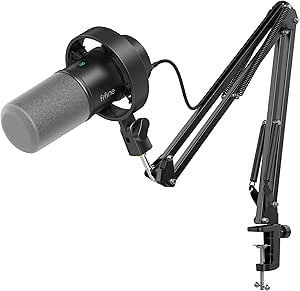
FIFINE K688 Podcast Microphone Kit, USB/XLR Dynamic Microphone with Boom Arm for PC/XLR Mixer, Gaming Mic with Mute Button, Headphone Jack for Vocal, Voice-Over, Streaming, Music Recording -K688CT
This microphone stands out for its versatility, offering both USB and XLR connections, making it an excellent choice for newcomers stepping into streaming or podcasting. Compared with higher-end options like the Shure MV7X, it provides a more budget-friendly entry point without sacrificing much sound quality. The included boom arm and shock mount simplify setup, especially for those new to audio gear, but the mic’s internal electronics are more basic, which might limit advanced customization. While it delivers clear, balanced audio, it does require an external interface or mixer for optimal XLR use, adding complexity for absolute beginners. Its build quality is solid, and the feature set is impressive at this price, but the sound may lack the subtle richness of premium mics. Overall, this pick makes the most sense for users starting out who want flexible connectivity and decent sound without a large investment.
Pros:- Dual USB/XLR connectivity for flexible use
- Includes boom arm and shock mount, simplifying setup
- Good sound clarity with balanced tone
Cons:- Requires external interface for XLR operation, which adds complexity
- Sound quality is less detailed than premium mics
Best for: Beginners or hobbyists who want a versatile mic with both USB and XLR options for streaming or podcasting.
Not ideal for: Advanced professionals needing high-end sound or out-of-the-box studio quality, as the internal components are more entry-level.
- Connectivity Technology:USB, XLR
- Microphone Type:Dynamic
- Built-In Media:Boom Arm, Shock Mount
- Compatible Devices:PC, Mixer
- Polar Pattern:Unidirectional
- Signal-to-Noise Ratio:80 dB
- Item Weight:1.2 kg
- Item Dimensions:10 x 4.5 x 4 inches
- Model Number:PD200XS
Bottom line: This microphone is ideal for beginners seeking a flexible, all-in-one solution at an accessible price point.
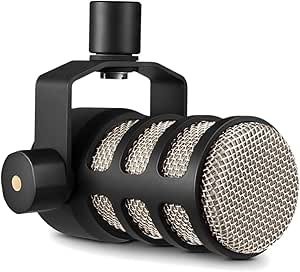
RØDE PodMic Cardioid Dynamic Broadcast Microphone with Integrated Swing Mount for Podcasting, Streaming, Gaming, and Voice Recording, Black
The RØDE PodMic excels for professional podcasting, offering a warm, balanced sound with internal pop filtering, making it a top choice for serious streamers. Compared with the Shure SM58, the PodMic provides a more tailored broadcast tone, ideal for vocal clarity in podcasts and voiceovers, but it’s slightly bulkier and less versatile for multi-purpose use. Its built-in swing mount and sturdy metal construction ensure durability and easy positioning, which is advantageous over more fragile options. While it lacks USB connectivity, it pairs perfectly with high-quality audio interfaces, providing a professional workflow. The PodMic’s internal pop filter and internal shock mount reduce unwanted noise, but it may be more expensive and less flexible for those who prefer all-in-one USB solutions. This mic suits dedicated content creators who prioritize studio-quality voice clarity and durability.
Pros:- Excellent broadcast sound quality with warm, balanced tone
- Built-in pop filter and shock mount reduce background noise
- Solid metal construction for durability
Cons:- Requires an external audio interface, increasing setup complexity
- No USB option for quick plug-and-play use
Best for: Professional or semi-professional podcasters and streamers looking for a durable, broadcast-quality XLR microphone.
Not ideal for: Beginners or streamers on a strict budget who need plug-and-play convenience, as it requires an external audio interface.
- Microphone Type:Dynamic
- Polar Pattern:Cardioid
- Built-In Media:Swing Mount
- Compatible Devices:Audio Interface, Mixer
- Impedance:300 Ohms
- Frequency Response:20Hz – 20kHz
- Item Weight:700 grams
- Item Dimensions:9 x 6 x 4 inches
- Model Number:PODMIC
Bottom line: This microphone is perfect for creators demanding studio-grade voice clarity with professional build quality.
Shure SM58-LC Dynamic Vocal Microphone – Professional Handheld Cardioid XLR Mic for Singing, Live Performance, Studio Recording, Podcast & Broadcast, Black
The Shure SM58-LC remains a legendary choice for live vocals and studio work, renowned for its durability and warm, articulate sound. Its tailored frequency response with midrange boost helps vocals cut through mixes, a feature that makes it ideal for live performances and broadcast environments. Compared to studio-centric mics like the SM7B, the SM58 is more rugged, portable, and budget-friendly, but may lack some of the studio’s nuanced detail. Its integrated spherical grille and pop filter provide excellent plosive reduction, making it reliable for vocal clarity under demanding conditions. The all-metal construction ensures longevity, perfect for touring or frequent use. However, it’s not the most sensitive mic for studio recording, and its built-in features limit sound customization. It’s best suited for performers needing a durable, reliable vocal mic for live and field recording.
Pros:- Legendary durability and rugged metal construction
- Warm, articulate vocal tone with midrange lift
- Integrated pop filter and spherical grille reduce plosives
Cons:- Less sensitive and nuanced than studio condensers
- Limited sound customization options
Best for: Performer or broadcaster who needs a rugged, dependable mic for live vocals and on-the-go recording.
Not ideal for: Studio engineers seeking ultra-sensitive mics with detailed studio sound, or users requiring USB connectivity.
- Microphone Type:Dynamic
- Polar Pattern:Cardioid
- Built-In Media:Pop Filter, Spherical Grille
- Compatible Devices:XLR Mixer, PA System
- Frequency Response:50Hz – 15kHz
- Impedance:150 Ohms
- Item Weight:310 grams
- Item Dimensions:10.3 x 4.9 x 3.3 inches
- Model Number:SM58LC
Bottom line: This mic is a go-to for performers demanding durability and clear vocal articulation in live settings.
Shure MV7X XLR Dynamic Microphone – Voice-Isolating Cardioid Mic for Podcasting, Vocal Recording & Broadcasting, All-Metal, Black
The Shure MV7X is crafted for voice clarity, offering advanced voice-isolating technology that minimizes background noise—ideal for podcasting and vocal recording in less-than-ideal environments. Compared with the RØDE PodMic, the MV7X provides more tailored voice-focused features, especially with its internal noise rejection, but it’s less suited for broadcast quality in a full studio setting. Its all-metal construction ensures durability, and it connects via XLR for professional workflows. While it doesn’t have onboard controls like some USB mics, its sound quality is remarkably consistent and warm. The microphone’s design and performance make it perfect for multi-mic setups or creators who need reliable, high-quality voice capture without extensive sound treatment. It’s a smart choice for budget-conscious creators aiming for professional voice isolation.
Pros:- Exceptional voice isolation technology minimizes background noise
- All-metal build for durability
- Excellent frequency response for vocal clarity
Cons:- No onboard controls or headphone monitoring
- Requires external audio interface for operation
Best for: Podcasters or vocalists seeking a dedicated XLR mic with excellent background noise rejection for streaming or content creation.
Not ideal for: Beginners who prefer plug-and-play USB microphones or users without an audio interface, as it requires external gear.
- Microphone Type:Dynamic
- Polar Pattern:Cardioid
- Built-In Media:None
- Compatible Devices:Audio Interface, Mixer
- Impedance:150 Ohms
- Frequency Response:50Hz – 16kHz
- Item Weight:508 grams
- Item Dimensions:4.9 x 4.3 x 10.8 inches
- Model Number:MV7X
Bottom line: This mic is ideal for creators needing clear, isolated voice sound in noisy environments or multi-mic setups.
XLR/USB Podcast Microphone, Gaming Mic with Mute Button, Reverb Effects, Noise Cancellation, Boom Arm Stand, Headphones Jack, Dynamic Microphone for Streaming/Recording/Gaming/Vocal-Black
This microphone stands out for its dual connectivity options, combining the convenience of USB with the professional quality of XLR, making it highly adaptable for streamers who want flexibility. Its supercardioid pattern effectively reduces ambient noise, surpassing the noise cancellation of many budget options like the FIFINE K688, but it introduces a tradeoff: the built-in effects and mute buttons are only available for USB, limiting full control when using XLR. The sturdy boom arm and adjustable height make it easy to position for optimal sound, while the balanced frequency response of 40Hz-16KHz ensures clear voice reproduction. Compared with the FIFINE K688, this model offers superior build quality and more features, but it comes at a higher price point. This pick makes the most sense for streamers or podcasters who want versatility, quality, and ease of use without compromising on professional sound.
Pros:- Dual USB and XLR connectivity for versatility
- Effective noise reduction with supercardioid pattern
- Adjustable boom arm for easy positioning
- Built-in mute and volume controls for USB use
Cons:- Mute/noise reduction only available for USB connection
- Higher price compared to entry-level mics
- Limited RGB lighting options
Best for: Content creators who need a flexible mic for both casual streaming and professional podcasting
Not ideal for: Budget beginners who only want simple USB use without the need for XLR connectivity or advanced features
- Frequency Response:40Hz-16KHz
- Connectivity:USB-C, XLR
- Pattern:Supercardioid
- Mute Button:Yes (USB only)
- Monitor Jack:3.5mm
- Adjustable Arm:Yes
Bottom line: This microphone is perfect for streamers seeking a versatile, easy-to-adjust device with professional sound quality.
FIFINE Dynamic Microphone, XLR/USB Podcast Recording PC Microphone for Vocal Voice-Over Streaming, Studio Metal Mic with Mute, Headphone Jack, Monitoring Volume Control, Windscreen-Amplitank K688
Compared to more expensive models like the PUPGSIS D1, the FIFINE K688 offers a solid balance of durability and sound clarity at a budget-friendly price. Its metal build and SPL of 130dB provide durability and high sound pressure handling, suitable for loud sources like vocals or instruments. The dual USB and XLR outputs make it adaptable for different setups, but unlike the PUPGSIS microphone, it lacks a built-in arm or adjustable stand, requiring external mounts. The mute button and volume control are straightforward and accessible, ideal for quick adjustments during streaming. While it doesn’t feature elaborate effects or RGB lighting, it delivers clean, detailed audio for those starting out or with limited space. This model is better suited for beginners or streamers who want a reliable, no-fuss microphone without sacrificing audio quality.
Pros:- Dual XLR and USB outputs for flexibility
- Durable metal construction
- High SPL handling for loud sources
- Simple, accessible mute and volume controls
Cons:- Lacks built-in arm or stand
- No onboard effects or lighting
- Requires external setup for optimal positioning
Best for: Entry-level streamers or podcasters looking for a durable, versatile mic on a budget
Not ideal for: Professional audio engineers requiring extensive control or elaborate onboard features
- Frequency Response:Not specified
- Connectivity:USB-C, XLR
- Pattern:Cardioid
- Max SPL:130dB
- Mute Button:Yes
- Monitoring Jack:3.5mm
Bottom line: This mic offers reliable, clear sound for newcomers who want a flexible, budget-conscious option.
Condenser Microphone XLR,Professional Studio Recording Microphone for Computer PC,Cardioid Podcast Mic Kit with Boom Arm,Gaming Microphone for Streaming,ASMR,Singing,Voice Over,Vocal,YouTube,Zoom
This condenser mic is designed for high-fidelity recording, with a large 14mm capsule and a wide frequency range of 20Hz-20kHz, making it ideal for critical vocal capture. Its cardioid pattern effectively isolates your voice from background noise, surpassing many dynamic mics like the FIFINE K688 in clarity. The full metal construction and included boom arm provide durability and ease of positioning, but its reliance on 48V phantom power means it’s less suitable for simple plug-and-play setups—more suited to dedicated studio environments. The bundled pop filter reduces plosive sounds, enhancing recording quality. Compared with the more versatile PUPGSIS D1, this model emphasizes studio-quality sound but sacrifices some portability and ease of use. This microphone is best for serious streamers or singers who prioritize sound fidelity and have compatible audio interfaces.
Pros:- High-resolution sound with 20Hz-20kHz response
- Durable metal build with included boom arm
- Effective pop filter reduces plosives
- Excellent sound isolation with cardioid pattern
Cons:- Requires phantom power and additional equipment
- Less portable and more complex to set up
- Bulky compared to dynamic mics
Best for: Professional streamers, singers, or podcasters with a dedicated studio setup and phantom power source
Not ideal for: Beginners or casual streamers without an audio interface or experience with condenser mics
- Frequency Response:20Hz-20kHz
- Pattern:Cardioid
- Power Requirement:48V phantom power
- Build:Full metal
- Included Accessories:Boom arm, pop filter
- Application:Studio recording, vocals, streaming
Bottom line: This condenser mic delivers studio-grade audio for users with a proper setup, prioritizing sound quality over simplicity.
FIFINE Gaming Equipment Bundle, Dynamic XLR/USB Gaming Microphone Set with Streaming Audio Mixer for Podcast Recording Video Vocal, RGB Gamer Set with Volume Fader/XLR Interface for PC-AmpliGame KS5
This bundle combines a dynamic XLR microphone with an RGB-enabled streaming mixer, making it ideal for gamers who want both sound quality and visual customization. The RGB lighting effects on the mixer add a vibrant aesthetic, but the RGB features are only active when connected via USB, limiting their use with XLR. The streaming audio mixer with mute, volume, and monitoring controls simplifies live adjustments, but it adds complexity compared to standalone mics like the FIFINE K688. The microphone itself offers clear voice reproduction, with a sturdy build and easy integration into gaming setups, yet it lacks some of the advanced features found in premium models. If you prioritize visual effects and all-in-one convenience, this kit makes a compelling choice, though it isn’t as refined as dedicated studio mics.
Pros:- Includes RGB lighting effects for visual flair
- Combines XLR and USB for flexibility
- Built-in audio mixer with mute and volume controls
- Sturdy microphone suitable for gaming
Cons:- RGB effects only active in USB mode
- Limited to basic audio controls
- Function keys not available for XLR connection
Best for: Casual gamers and streamers who want an all-in-one setup with eye-catching RGB effects
Not ideal for: Professional streamers or those requiring top-tier audio fidelity or advanced controls without the RGB features
- Connectivity:XLR, USB
- RGB Lighting:Multiple effects
- Mixer Controls:Mute, volume, monitoring
- Microphone Type:Dynamic
- Application:Gaming, streaming
- Included Accessories:Mixer, XLR cable, shock mount
Bottom line: This bundle is ideal for gamers seeking a colorful, integrated streaming setup with decent audio quality.

How We Picked
These microphones were evaluated based on a combination of sound quality, build durability, usability, and value for streaming setups. Priority was given to models that offer clear, warm audio suited for voice clarity, while also considering ease of setup for streamers of different experience levels. Additional features like onboard controls, bundled accessories, and flexibility to use with various interfaces influenced the rankings. Cost-effectiveness was a consideration, but higher-priced options were included if they provided significant performance or feature advantages for professional streamers. This approach ensures the list caters to a broad spectrum of streaming needs, from entry-level to professional-grade setups.Factors to Consider When Choosing Best Xlr Microphones For Streaming Setups
When selecting a microphone for streaming, understanding key factors can help you avoid common pitfalls and make a choice that enhances your broadcast quality. It’s important to weigh not just the microphone’s specs but also how it fits into your overall setup, your budget, and your comfort with additional gear. Here are the main considerations to keep in mind:Sound Quality and Voice Clarity
Prioritize microphones that capture vocals with warmth and clarity, especially for spoken content. Dynamic mics like the SM7B excel at rejecting background noise, making them ideal for less-treated rooms, but tend to be more expensive and require preamps. Condenser mics provide higher sensitivity, capturing more detail but are susceptible to room noise. Consider your environment and choose accordingly to avoid muddy or echoey audio.
Connectivity and Compatibility
Ensure the microphone’s XLR connection is compatible with your audio interface or mixer. Some models also offer USB functionality, providing an easier plug-and-play option for beginners. Verify that your existing setup supports the mic’s requirements, and consider future-proofing with a versatile interface that can handle multiple inputs if you plan to expand.
Build Quality and Durability
Streaming microphones should withstand regular use. All-metal construction generally indicates better durability and resistance to damage from handling or environmental factors. Look for models with sturdy mounting options, and if you’re setting up a permanent studio, invest in a good shock mount or boom arm to reduce vibrations and noise.
Features and Extras
Streamers often benefit from onboard controls like mute buttons, headphone monitoring, or adjustable gain. Some microphones come with bundled accessories such as pop filters, shock mounts, or lighting effects, which can improve audio quality and visual appeal. Balance these features against your budget and setup complexity.
Budget and Cost-Effectiveness
While high-end microphones deliver superior audio, they also come with higher costs and setup requirements. Entry-level options can be sufficient for casual streaming or learning the basics, but they may lack certain features or durability. Evaluate whether investing more upfront will reduce the need for upgrades later, especially if you aim for professional-quality streams.
Frequently Asked Questions
Is a dynamic or condenser microphone better for streaming?
Dynamic microphones like the SM7B are often preferred for streaming because they excel at rejecting background noise and are more forgiving of untreated rooms, making them ideal for home setups. Condenser mics, on the other hand, capture more detail and offer a natural tone but are sensitive to room acoustics, which can introduce unwanted reverberations. Your choice should depend on your environment and how much noise isolation you need.
Do I need an audio interface for these microphones?
Most XLR microphones require an audio interface to connect to your computer, as they lack built-in converters. An interface provides necessary power (phantom or preamp) and improves audio quality. For streamers seeking simplicity, some models like the Shure SM7B need a good preamp or a dedicated interface, while others like the FIFINE models are compatible with simpler setups. Consider your future expansion plans when choosing an interface.
Can I use a condenser microphone in a home environment?
Yes, but with caveats. Condenser mics are sensitive and can pick up room noise, echoes, or background sounds unless your space is acoustically treated. Using a good shock mount, pop filter, and placing the mic close to your mouth can improve results. Alternatively, dynamic mics are more forgiving if your environment isn’t perfectly soundproofed.
Are bundled accessories worth the extra cost?
Bundled accessories like pop filters, shock mounts, or boom arms can significantly improve your audio quality and ease of setup. They reduce unwanted noise and vibrations, making your streams sound more professional. However, if you already own quality accessories or plan to upgrade later, buying a microphone separately might save money. Assess your current gear and future needs before choosing bundled options.
How much should I spend on a good streaming microphone?
Quality streaming microphones range from budget-friendly options around $50 to professional-grade models costing several hundred dollars. For casual or hobbyist streaming, models in the $100-$200 range typically provide excellent sound quality with minimal extra equipment. If you aim for professional-grade sound, investing in higher-end models like the SM7B or RØDE PodMic can be worthwhile, especially when paired with a quality audio interface.
Conclusion
For most streamers, the Shure SM7B remains the overall best choice due to its proven broadcast quality, durability, and versatility—ideal for those serious about their audio. Budget-conscious creators or beginners will find the FIFINE K688 offers solid performance without breaking the bank. Content creators seeking a balance of quality and ease of use might opt for the RØDE PodMic, which delivers broadcast-grade sound at a more accessible price point. If you’re just starting out, a simple USB/XLR combo like the FIFINE models can ease your entry into professional audio without the complexity of additional gear. For high-end setups or professional studios, investing in premium options like the Shure SM7B or RØDE PodMic is a smart move, provided you’re prepared for the extra equipment and setup required.