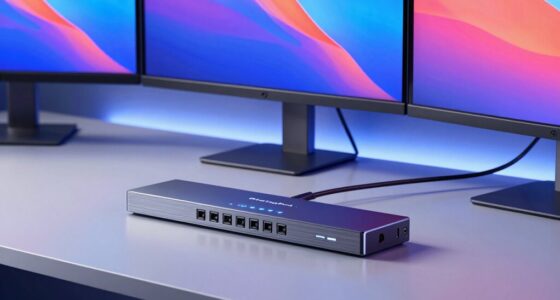
For the best LG electronics across this lineup, I’d start with the LG 65-Inch OLED evo C6: it offers a strong all-around mix of OLED picture quality, 4K resolution, and smart TV features. The 55-Inch OLED evo G5 is the premium choice for buyers who want a flagship display in a smaller size, while the 27UP850K-W 4K monitor is a standout for detailed desktop work. The tradeoff is that this roundup spans very different needs, from TVs and gaming monitors to audio and disc reading, so the right pick depends on where and how you’ll use it. I compare picture and display needs, connectivity, format, and practical fit—not just specifications. Continue reading for the full breakdown and a guide to choosing among these 12 LG options.

Get the latest gadgets delivered free with Prime
- Fast, free delivery on millions of items
- Prime Video, Amazon Music and more included
- Member-only deals all year
Complete the kit



Key Takeaways
- The OLED evo C6 is the strongest all-around TV pick for buyers who want a large 4K screen without moving straight to the most specialized premium option.
- The OLED evo G5 and OLED AI B6 serve different TV priorities: the G5 is the premium 55-inch choice, while the B6 is an alternative for shoppers comparing OLED models at 65 inches.
- Monitor choice depends on the job: the UltraGear 34G600A-B is built around curved ultrawide gaming, while the 27UP850K-W puts 4K detail ahead of gaming-focused screen size and shape.
- Smart features and panel resolution are separate decisions: the 27U730SA-W adds webOS and 65W USB-C charging, while the 27U411A-B keeps its focus on Full HD and a higher refresh rate.
- This lineup includes useful non-display gear, but it is specialized: the S6FTR adds rear surround speakers to a TV setup, and the GP65NW60 is for people who still need to read or burn discs.


| LG electronic | Screen size | Resolution | Refresh rate |
|---|---|---|---|
| LG 65-Inch OLED evo C6 4K Smar | 65 inches | 4K | Native 120Hz; VRR up to 165Hz for PC gaming |
| LG UltraGear 34G600A-B 34-Inch | 34 inches | 3440 × 1440 | 160Hz |
| LG 27U411A-B 27-Inch Full HD I | 27 inches | 1920 × 1080 (Full HD) | 120Hz |
| LG 65-Inch QNED evo AI QNED84B | 65 inches | 4K | 144Hz |
| LG 55-Inch OLED evo G5 Series | 55 inches | 4K | Up to 165Hz |
| LG 65-Inch OLED evo C6 4K Smar | — | — | — |
| LG 65-Inch Class OLED AI B6 4K | — | — | — |
| LG 27UP850K-W 27-Inch UltraFin | — | — | — |
| LG S6FTR 5.1-Channel Home Thea | — | — | — |
| LG GP65NW60 Slim Portable Exte | — | — | — |
| LG 27U730SA-W 27-Inch 4K UHD S | 27 inches | 3840 x 2160 (4K UHD) | — |
| LG 43-Inch QNED73B Mini LED 4K | 43 inches | 4K | 60 Hz |
More Details on Our Top Picks
LG 65-Inch OLED evo C6 4K Smart TV (2026)
I’d put the 65-inch OLED evo C6 first for buyers who want one LG TV to handle films, streaming, and serious gaming. Its self-lit OLED pixels produce deep blacks without Mini LED backlighting, while Dolby Vision, Dolby Atmos, and Filmmaker Mode give supported films a more cinematic presentation. Against the LG 65-Inch QNED evo AI QNED84B, the C6 trades Mini LED’s brightness-focused approach for OLED contrast and a higher PC gaming ceiling: VRR can reach 165Hz, and all four HDMI ports are HDMI 2.1. The tradeoff is that the 165Hz mode needs a compatible PC, and internet-based smart features require a connection and LG account. I’d choose the QNED84B instead for a buyer prioritizing Mini LED or its listed 144Hz TV refresh rate.
Pros:- Self-lit OLED pixels deliver deep blacks and detailed contrast.
- Dolby Vision, Dolby Atmos, and Filmmaker Mode support movie-focused viewing.
- Four HDMI 2.1 inputs provide flexibility for multiple gaming devices.
- VRR support reaches 165Hz with compatible PC hardware.
Cons:- The 165Hz VRR ceiling requires a compatible PC graphics card.
- Network-based smart features require internet access and an LG account; some services require subscriptions.
Best for: Viewers who want a versatile 65-inch LG TV for cinematic streaming, dark-room contrast, and console or PC gaming.
Not ideal for: Buyers who prioritize Mini LED backlighting or expect to use the 165Hz PC mode without a compatible graphics card.
- Screen size:65 inches
- Display technology:OLED evo
- Resolution:4K
- Processor:Alpha 11 AI Processor Gen 3
- Refresh rate:Native 120Hz; VRR up to 165Hz for PC gaming
- Gaming response time:0.1ms
- HDMI inputs:4 HDMI 2.1
- Smart platform:webOS 26
Our verdict“Choose the C6 for a well-rounded 65-inch OLED that balances film features, strong gaming support, and four HDMI 2.1 inputs.”
LG UltraGear 34G600A-B 34-Inch Curved WQHD Gaming Monitor, 160Hz, FreeSync Premium, HDR10
The UltraGear 34G600A-B is the lineup’s clearest choice for PC players who want a wider field of view rather than a TV-sized screen. Its 34-inch, 21:9 curved WQHD panel gives compatible games and side-by-side windows more horizontal room than the 27-inch LG 27U411A-B, while 160Hz and FreeSync Premium target smoother gameplay. The VA panel’s listed 4000:1 contrast also favors punchier dark scenes, though its 300 cd/m² brightness and HDR10 support are more modest than the headline suggests; this is not a substitute for a high-end HDR display. The curved chassis takes substantial desk space, and its listed connections are limited to DisplayPort and HDMI. I’d pick the 27U411A-B for a tighter desk or straightforward everyday use, but this is the more enveloping gaming setup.
Pros:- 34-inch 21:9 curved screen expands horizontal viewing space.
- 160Hz refresh rate and FreeSync Premium support smooth gameplay.
- VA panel lists a 4000:1 contrast ratio for stronger dark-scene separation.
- Stand adjusts for tilt, height, and swivel, with built-in stereo speakers.
Cons:- The 34-inch ultrawide body needs considerably more desk room than the 27-inch LG 27U411A-B.
- HDR is limited to HDR10, and listed brightness is 300 cd/m².
- Connectivity is listed as DisplayPort and HDMI, without USB-C.
Best for: PC gamers with a spacious desk who want an ultrawide view for compatible games, multitasking, and smooth high-refresh play.
Not ideal for: Laptop users seeking USB-C connectivity, buyers with limited desk space, or anyone expecting high-impact HDR.
- Screen size:34 inches
- Resolution:3440 × 1440
- Aspect ratio:21:9
- Curvature:1800R
- Display technology:VA LED
- Refresh rate:160Hz
- Adaptive sync:AMD FreeSync Premium
- Stand adjustment:Tilt, height, and swivel
Our verdict“Pick this monitor if an immersive ultrawide gaming view matters more than a compact footprint or richer HDR.”
LG 27U411A-B 27-Inch Full HD IPS Monitor, 120Hz, 1ms MBR, HDR10
For a mixed-use desk where sensible size and smooth motion matter more than pixel density, I’d favor the LG 27U411A-B. Its 27-inch IPS screen offers broad viewing angles, while 120Hz refresh and 1ms MBR make motion feel more fluid than a basic office display. Compared with the 34-inch UltraGear 34G600A-B, this monitor is easier to fit into a modest workspace and uses a familiar 16:9 layout; the trade is less horizontal room and a lower refresh rate. Full HD resolution is the bigger compromise: text and fine details won’t look as crisp as on a 4K monitor such as the LG 27UP850K-W listed elsewhere in this roundup. HDR10 and up to 99% sRGB are useful support, but the 250 cd/m² brightness and tilt-only stand keep this an uncomplicated everyday pick, not a premium creative workstation.
Pros:- IPS panel provides 178-degree viewing angles.
- 120Hz refresh rate and 1ms MBR support smoother motion.
- Up to 99% sRGB coverage supports everyday color work.
- Three-sided slim bezels suit compact multi-screen arrangements.
Cons:- Full HD resolution offers less detail than the LG 27UP850K-W 4K monitor.
- Stand adjustment is limited to tilt.
- Listed brightness is 250 cd/m², which may constrain use in bright rooms.
Best for: Students, home-office users, and casual gamers who want a 27-inch IPS screen with smoother motion on a straightforward desk setup.
Not ideal for: Users who need sharp 4K text, extensive stand adjustment, or a large ultrawide workspace.
- Screen size:27 inches
- Resolution:1920 × 1080 (Full HD)
- Display technology:IPS LED
- Refresh rate:120Hz
- Motion blur reduction:1ms MBR
- Aspect ratio:16:9
- HDR:HDR10
- Tilt adjustment:-5° to 20°
Our verdict“Choose the 27U411A-B for an accessible everyday monitor with IPS viewing angles and 120Hz motion, provided Full HD is enough for your work.”
LG 65-Inch QNED evo AI QNED84B Mini LED 4K Smart TV (2026)
I’d steer buyers toward the 65-inch QNED84B when they want a Mini LED LG TV and gaming features without choosing the OLED C6. Its Mini LED backlighting and QNED Color Pro make it a different proposition from the C6’s self-lit pixels: the QNED focuses on backlit brightness and offers 144Hz VRR, FreeSync, ALLM, and cloud gaming. That makes it a capable living-room gaming hub, but the two HDMI 2.1 ports give you less connection flexibility than the C6’s four. The stated Motion Booster 288 figure also needs context: it reaches up to 144Hz at optimized Full HD resolution, while 144Hz gaming requires a compatible PC graphics card. HDR support is listed as HDR10 and HLG, rather than Dolby Vision. I’d choose this over the OLED when Mini LED is the priority, not for the larger port count or Dolby Vision support.
Pros:- Mini LED backlighting offers a distinct alternative to OLED display technology.
- 144Hz VRR, FreeSync, and ALLM support responsive gaming.
- Cloud gaming and Game Optimizer add gaming options without relying only on a console.
- Filmmaker Mode is listed for director-focused picture presentation.
Cons:- Two HDMI 2.1 ports provide less device flexibility than the OLED C6’s four.
- Motion Booster 288 reaches up to 144Hz at optimized Full HD resolution.
- The listed HDR formats are HDR10 and HLG, without Dolby Vision.
Best for: Buyers seeking a 65-inch Mini LED TV for bright-room viewing and gaming features such as VRR, FreeSync, and cloud gaming.
Not ideal for: Viewers who want OLED’s self-lit pixel contrast, Dolby Vision, or more than two HDMI 2.1 ports.
- Screen size:65 inches
- Display technology:Mini LED
- Resolution:4K
- Processor:α8 AI Processor 4K Gen3
- Refresh rate:144Hz
- HDR formats:HDR10, HLG
- Gaming features:VRR, FreeSync, ALLM, cloud gaming, Game Dashboard, Game Optimizer
- HDMI 2.1 ports:2
Our verdict“Choose the QNED84B if Mini LED and its gaming feature set matter more to you than OLED pixels, Dolby Vision, or extra HDMI 2.1 ports.”
LG 55-Inch OLED evo G5 Series 4K Smart TV (2025)
The 55-inch OLED evo G5 is the premium design pick here: its nearly flush wall-mounted profile and artwork display feature suit a room where the TV is meant to sit like a fixed part of the decor. Its OLED pixels, Dolby Vision, and Dolby Atmos also make it a strong film-and-gaming set, with up to 165Hz, 0.1ms response time, and four HDMI 2.1 inputs. Compared with the 65-inch OLED C6, the G5 gives up screen size but adds a wall-focused design and lists a five-year panel warranty; its processor is the prior-generation Alpha 11 AI Processor Gen 2, rather than the C6’s Gen 3. I’d choose the C6 for a larger screen and newer processor, while the G5 makes more sense when a flush mount and artwork mode are central to the room. Upscaling quality varies with the source.
Pros:- Nearly flush wall-mounted design suits a clean, built-in look.
- OLED evo pixels support deep blacks and vivid color.
- Up to 165Hz refresh, 0.1ms response, and VRR support fast gaming.
- Four HDMI 2.1 inputs and a listed five-year panel warranty.
Cons:- Wall-focused design may not suit buyers who plan to place the TV on furniture.
- Upscaled image quality varies with source resolution.
- Uses Alpha 11 AI Processor Gen 2, one generation older than the C6’s Gen 3 processor.
Best for: Design-conscious buyers planning a wall-mounted 55-inch TV for films, artwork display, and high-refresh gaming.
Not ideal for: Buyers who want a stand-first setup, a larger screen, or the newer processor listed on the 65-inch OLED C6.
- Screen size:55 inches
- Display type:OLED evo
- Resolution:4K
- Processor:Alpha 11 AI Processor Gen 2
- Refresh rate:Up to 165Hz
- Response time:0.1ms
- HDMI inputs:4 HDMI 2.1
- Smart TV platform:webOS 25
- Panel warranty:5 years
Our verdict“Choose the G5 if you want a premium, wall-mounted OLED with gaming headroom and artwork display; choose the C6 for a larger screen and newer processor.”
LG 65-Inch OLED evo C6 4K Smart TV with 1-Year Protection Plan, HDMI Cables and Setup Guide
I’d put this bundle ahead of the LG 65-Inch Class OLED AI B6 for buyers who want higher-refresh-rate gaming and a few setup extras in the box. Its OLED evo panel uses self-lit pixels for deep blacks, while the α11 AI processor and Dolby Vision support target detailed, cinematic 4K viewing. The standout gaming advantage is support for up to 165Hz, alongside VRR, G-Sync compatibility, and FreeSync Premium; the B6 tops out at 120Hz, which is ample for many players but less suited to chasing the highest refresh rates. The tradeoff is that the bundle’s cables and protection plan do not replace checking whether its ports and physical dimensions fit your setup—the supplied details do not list either. I’d choose it for gaming-first buyers, not shoppers who simply want the least complicated OLED option.
Pros:- Self-lit OLED evo pixels deliver deep blacks and vivid color.
- Up to 165Hz refresh rate, 0.1ms response time, VRR, G-Sync compatibility, and FreeSync Premium suit fast gaming.
- Dolby Vision, Dolby Atmos, and FILMMAKER MODE support movie-focused viewing.
- Bundle includes a one-year extended protection plan, two HDMI cables, and a setup guide.
Cons:- Product details do not specify physical dimensions or the number and type of ports.
- Some smart features and streaming content require an internet connection.
Best for: Console and PC gamers seeking a 65-inch OLED with a refresh rate above 120Hz, plus included setup accessories.
Not ideal for: Buyers who need confirmed port counts or exact installation dimensions before purchasing, or who do not need the bundled accessories.
Our verdict“Choose this C6 bundle if you want a premium 65-inch OLED with 165Hz gaming support and useful setup extras.”
LG 65-Inch Class OLED AI B6 4K Smart TV (2026)
The LG OLED AI B6 makes the most sense when you want OLED’s black levels and cinematic formats without prioritizing the C6’s higher gaming ceiling. Its 65-inch 4K panel has over 8.3 million self-lit pixels, with Dolby Vision, Dolby Atmos, and FILMMAKER MODE for movies and shows. For gaming, up to 120Hz, 0.1ms response time, G-Sync, FreeSync Premium, and VRR cover the needs of many console and PC players; the C6 is the better fit if you specifically want up to 165Hz. webOS adds LG Channels and on-demand content, although streaming depends on internet access. The practical drawback is its footprint: it measures 57 inches wide, and the stand brings depth to 8.6 inches. I’d pick the B6 for balanced home viewing, not for tight media units or refresh-rate chasers.
Pros:- Over 8.3 million self-lit pixels provide OLED contrast.
- Dolby Vision, Dolby Atmos, and FILMMAKER MODE support cinematic content.
- Up to 120Hz, 0.1ms response time, VRR, G-Sync, and FreeSync Premium support responsive gaming.
- webOS includes LG Channels, on-demand content, and personalization features.
Cons:- Its 57-inch width requires substantial installation space.
- Depth increases to 8.6 inches with the stand.
Best for: Households wanting a 65-inch OLED for movies, streaming, and gaming at up to 120Hz.
Not ideal for: Buyers with less than 57 inches of width available, shallow furniture, or a specific need for the C6’s up-to-165Hz refresh rate.
Our verdict“Pick the B6 for a well-rounded 65-inch OLED if 120Hz is enough and your room can accommodate its wide stand footprint.”
LG 27UP850K-W 27-Inch UltraFine 4K UHD IPS Monitor
I’d favor the LG 27UP850K-W over the LG 27U411A-B when sharp 4K detail, color coverage, and laptop connectivity matter more than high-refresh gaming. Its 27-inch IPS panel offers 3840 x 2160 resolution and up to 95% DCI-P3 coverage, giving photo and video work a more detailed workspace than a Full HD screen. USB-C with up to 90W power delivery can connect and charge a compatible laptop through one cable, while the adjustable stand helps with long desk sessions. The tradeoff is a 60Hz refresh rate and 5ms response time: this is a productivity and content-creation display, not a rival to LG’s 160Hz UltraGear monitor for fast games. HDR support and built-in speakers add convenience, but neither changes that core use case.
Pros:- 4K UHD resolution provides a detailed workspace for text, images, and video.
- Up to 95% DCI-P3 coverage and DisplayHDR 400 support creative and HDR content.
- USB-C provides data connectivity and up to 90W power delivery.
- Height, tilt, and pivot adjustments support flexible desk positioning.
Cons:- 60Hz refresh rate is less suited to fast-paced gaming than LG’s 160Hz UltraGear monitor.
- 5ms response time is slower than gaming-focused displays.
Best for: Laptop-based designers, photo editors, and office workers who want a 4K IPS screen with one-cable USB-C charging.
Not ideal for: Competitive gamers seeking high refresh rates, or buyers who need a larger display than 27 inches.
Our verdict“Choose this UltraFine when 4K detail and USB-C laptop charging matter more than gaming speed.”
LG S6FTR 5.1-Channel Home Theater Soundbar with Rear Surround Speakers
The LG S6FTR is the audio pick for viewers who want sound coming from behind the seating area, not just stronger TV audio from the front. Its 5.1-channel setup pairs a soundbar with wireless rear speakers and a wireless subwoofer, giving films and shows a more enveloping arrangement than relying on the built-in speakers of an LG OLED such as the 65-Inch Class OLED AI B6. Dolby Audio and automatic sound adjustment add convenience, while the app provides equalizer controls. With compatible LG TVs, WOW Orchestra and WOW Interface can coordinate audio and controls. Those features are not universal, though, and the rear speakers still need a wired connection between them; one also requires AC power. I’d choose it for a room that can accommodate rear speakers, not for a minimalist setup that needs every component wireless.
Pros:- 5.1-channel layout includes rear surround speakers and a wireless subwoofer.
- WOW Orchestra and WOW Interface can coordinate with select LG TVs.
- App-based equalizer allows treble, bass, and mid-range adjustments.
- Bluetooth, HDMI, and USB provide multiple connection options.
Cons:- Rear speakers require a wired connection between them.
- One rear speaker needs AC power, limiting placement flexibility.
- WOW features work only with select LG TV and soundbar models.
Best for: LG TV owners who watch films and shows in a room with space and power access for rear speakers.
Not ideal for: Buyers who need a fully wireless surround setup, have no way to power a rear speaker, or own a TV without compatible WOW features.
Our verdict“Choose the S6FTR if you want a fuller surround setup and can accommodate rear-speaker wiring and power.”
LG GP65NW60 Slim Portable External DVD Writer, White
The LG GP65NW60 fills a different role from the TVs, monitor, and soundbar here: it is a portable way to read and write discs on a compatible computer. At just 14 mm tall and 6.88 ounces, it is easy to store or carry, while USB 2.0 connection keeps setup simple with supported Windows and Mac systems. M-DISC support is useful for buyers who want to create discs designed for long-term storage, and Silent Play and Jamless Play address playback interruptions and noise. Compared with the LG 27UP850K-W, this is an accessory for legacy media and disc-based workflows, not a display upgrade. Its main limitation is speed: DVD operations top out at 8x and CD operations at 24x, with USB 2.0 rather than a faster interface. I’d skip it if your computer lacks a compatible disc workflow.
Pros:- Slim 14 mm profile and 6.88-ounce weight make it easy to carry.
- Supports M-DISC media for disc-based archiving.
- Silent Play and Jamless Play add playback-focused features.
- Includes CyberLink software and connects through USB 2.0.
Cons:- DVD speeds are limited to up to 8x and CD speeds to up to 24x.
- USB 2.0 has a lower transfer ceiling than newer interfaces.
- Listed compatibility targets Windows and Mac systems, not every computer or device.
Best for: Laptop and desktop owners who need a lightweight external DVD writer for disc playback, burning, or M-DISC archiving.
Not ideal for: Buyers who need Blu-ray support, faster disc transfers, or a drive for a device without compatible Windows or Mac support.
Our verdict“Buy the GP65NW60 if you need a compact DVD writer for a compatible computer and can accept USB 2.0 speeds.”
LG 27U730SA-W 27-Inch 4K UHD Smart Monitor with webOS, IPS Display, USB-C 65W, and Adjustable Stand
I’d choose the 27U730SA-W for a desk where one screen needs to handle both computer work and entertainment. Its 4K IPS panel gives documents and video plenty of detail, while webOS adds streaming and cloud gaming without requiring a connected PC. The USB-C connection with up to 65W power delivery can carry data and charge a compatible laptop over one cable, making this a more self-contained setup than the LG 27UP850K-W UltraFine monitor. The included remote and built-in speaker also suit casual viewing. The tradeoff is that this is a 60 Hz-class productivity and media display, not the better fit for high-refresh gaming; the UltraGear 34G600A-B is more gaming-focused. Streaming depends on internet access, and the stand’s broad adjustment range still can’t make a 27-inch screen suit every workspace.
Pros:- 4K UHD IPS display provides detailed images and wide viewing angles.
- webOS supports streaming, cloud gaming, and work apps without a connected PC.
- USB-C supports data and up to 65W laptop charging through one connection.
- Stand adjusts for height, tilt, swivel, and pivot.
Cons:- Streaming services need an internet connection and may require subscriptions.
- Its feature set prioritizes work and media over high-refresh gaming.
- Remote PC access is limited to PCs running Windows 10 Pro or later.
Best for: Remote workers and students who want a sharp 4K desk monitor that can also stream shows without keeping a computer connected.
Not ideal for: Competitive PC gamers seeking high refresh rates, or buyers who need a dedicated TV-sized screen for shared-room viewing.
- Screen size:27 inches
- Resolution:3840 x 2160 (4K UHD)
- Panel type:IPS
- Operating system:webOS
- USB-C power delivery:Up to 65W
- Ports:2 HDMI, 2 USB, 1 USB-C
- Wireless connectivity:AirPlay 2, Screen Share, Bluetooth
- Stand adjustments:Tilt, height, swivel, pivot
Our verdict“Choose this monitor if you want one adjustable 4K screen for laptop work and PC-free streaming, but pick the UltraGear 34G600A-B for faster-paced gaming.”
LG 43-Inch QNED73B Mini LED 4K Smart TV (2026)
The 43-inch QNED73B suits buyers who want a smaller living-room or bedroom TV with Mini LED backlighting and LG’s smart platform. Its QNED color and Mini LED display give it a more ambitious picture setup than the 27U730SA-W monitor, while webOS, LG Channels, and Filmmaker Mode make it ready for everyday viewing. The 60 Hz refresh rate is the main limit: Game Optimizer and ALLM support a responsive console setup, but fast motion won’t have the higher refresh headroom of a dedicated gaming display like the UltraGear 34G600A-B. Compared with LG’s larger QNED evo AI QNED84B, this 43-inch model is easier to fit into a smaller room, though it lacks the appeal of a larger screen for group viewing. Network-based features need internet access.
Pros:- Mini LED backlighting and QNED color support vivid picture and contrast.
- webOS provides streaming apps and access to LG Channels.
- Filmmaker Mode offers a picture setting intended to preserve a director-focused look.
- Game Optimizer and ALLM support a streamlined console setup.
Cons:- The 60 Hz refresh rate may limit motion smoothness for fast-paced games and sports.
- Streaming and network-based smart features require an internet connection; some services require subscriptions.
- At 43 inches, it may feel small as the main TV in a large living room.
Best for: Apartment dwellers and bedroom viewers who want a compact 4K smart TV with Mini LED backlighting and built-in streaming.
Not ideal for: Competitive gamers who prioritize high refresh rates, or households that need a large screen for viewing from across a spacious room.
- Screen size:43 inches
- Display technology:Mini LED
- Resolution:4K
- Refresh rate:60 Hz
- HDR formats:HDR10, HLG
- Processor:a7 AI Processor 4K Gen9
- Smart platform:webOS
- Dimensions with stand (W x H x D):37.8 x 24.3 x 7.9 inches
- Weight without stand:14.1 pounds
Our verdict“Pick the QNED73B for a smaller room and built-in smart TV features, but choose a larger QNED model for more expansive shared viewing or a high-refresh monitor for competitive gaming.”
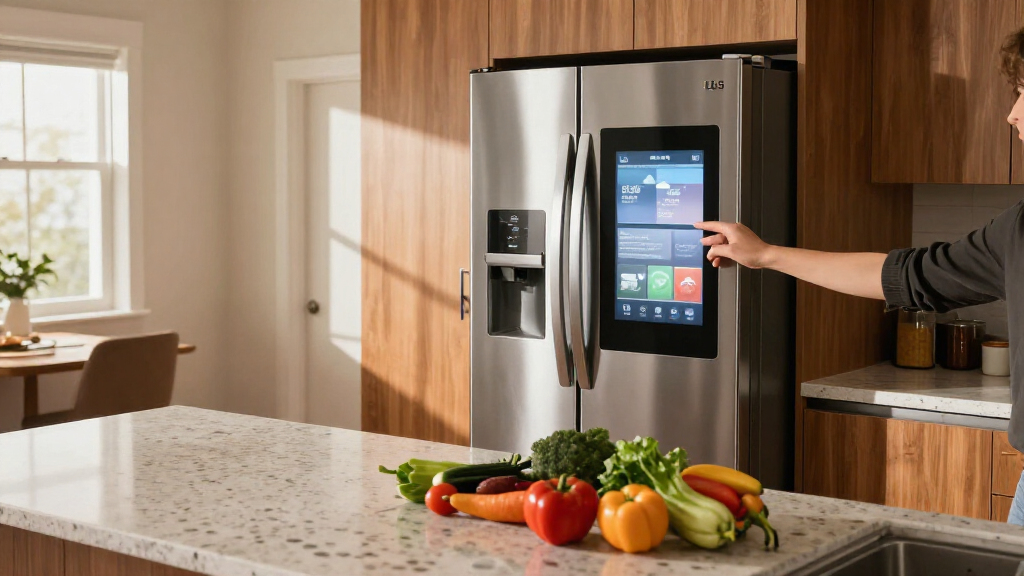
How We Picked
I ranked these products by how clearly each serves its intended buyer and how much practical value its features add. For TVs, I weighed screen technology, size, resolution, and the needs of bright-room viewing versus contrast-focused viewing. For monitors, I compared resolution, refresh rate, aspect ratio, connectivity, and whether the design fits gaming, office work, or an all-in-one smart display setup. I also considered ease of integration, such as USB-C power delivery or a soundbar’s included rear speakers.
The ranking places versatile options with a clear use case near the top, then moves toward more specialized devices and accessories. The OLED evo C6 leads as the broadest fit among the TVs, while the G5 earns a premium role and the ultrawide UltraGear stands out for gaming rather than general desktop use. The bundled C6 package is judged separately from the TV alone because its cables, setup guide, and protection plan change the purchase proposition, not the screen itself. Since these products cover unrelated categories, I treat each pick as a recommendation for its specific job rather than pretending a DVD writer, monitor, and television can be compared on one performance scale.
Factors to Consider When Choosing Best LG Electronics
“Best LG electronics” covers several product types, so I’d narrow the decision by use before comparing model numbers. These broader checks can prevent a common mismatch: buying a strong product whose screen size, connections, or format doesn’t suit the room or equipment you already own.
Start With the Device’s Main Job
Decide whether you need a television, a computer monitor, audio, or a disc drive before comparing features. A large TV is not automatically a better desktop display, and a gaming monitor’s high refresh rate may add little for office documents. Choose the primary task first, then check whether secondary uses matter enough to pay for them. If a screen will serve both work and streaming, a smart monitor can reduce the need for a separate streaming device, but it still may not replace a full-size TV for shared viewing. Avoid choosing by brand alone: LG’s products in this roundup address distinct problems, not one universal setup.
Match Screen Size and Resolution to Viewing Distance
Screen size and resolution work together with viewing distance, desk depth, and room layout. A 65-inch TV can suit a living room but may overwhelm a small bedroom, while a 27-inch monitor is designed for closer viewing. At a typical desktop distance, 4K can make text and fine details sharper, but it also asks more of the connected computer when gaming. Full HD may be a sensible fit for everyday tasks or a less demanding setup, particularly when a higher refresh rate matters more than extra pixels. Measure the available space and consider how far you’ll sit before treating a larger screen or higher resolution as an automatic upgrade.
Choose OLED, Mini LED, or IPS for Your Viewing Conditions
Panel type affects the look and feel of a display, but room conditions matter as much as headline technology. OLED is a strong match when deep blacks and contrast are priorities, while Mini LED models are worth comparing when a brighter-room TV is on your shortlist. IPS monitors are often chosen for consistent viewing angles and practical desktop use, though they don’t deliver the same black-level experience as an OLED television. Think about window placement, lighting, and whether you watch mostly films, sports, or work content. Don’t pay for a panel advantage you’re unlikely to notice in your actual setup.
Check Connections Before You Buy
List the devices you plan to connect, including a computer, game console, streaming box, soundbar, and external storage. Then check the specific model’s port count and supported connection features rather than assuming every LG screen has the same setup. USB-C with 65W power delivery, as offered by the 27U730SA-W, can simplify a compatible laptop desk by carrying video and charging through one connection. A soundbar may need a suitable audio connection and enough room for its speakers, while a monitor’s refresh rate depends on the source device and cable path. This check can prevent buying a display that has the right image features but complicates your existing equipment.
Separate Core Product Value From Bundles
A bundle can be convenient, but its included extras should be judged separately from the product itself. The C6 package with a protection plan, HDMI cables, and setup guide may suit a buyer who values a ready-to-install purchase; it does not make the television’s panel a different model. Check what the plan covers, how long it lasts, and whether its terms match your needs before treating it as added value. Likewise, included rear speakers can affect the practical appeal of a surround soundbar, but room placement and setup effort still matter. Compare the core device and the extras independently so a bundle doesn’t distract from the features you’ll use most.
Pay for Features You’ll Use Regularly
Premium features make sense when they improve a routine activity, not just because they sound impressive on a specification sheet. A curved ultrawide monitor may benefit a player who wants an expansive gaming view, but a flat 4K monitor can be more sensible for detailed office work. Smart TV or smart monitor software can reduce the number of connected devices, though buyers who already use a streaming box may gain little from another interface. A portable DVD writer is worthwhile only if you still access or create discs; otherwise, it adds a device with a narrow role. Prioritize the feature that solves a real problem, then treat the rest as optional.
Frequently Asked Questions
Should I choose the LG OLED evo C6 or the OLED AI B6 for a 65-inch TV?
Both are 65-inch OLED 4K options, so start by comparing the exact feature set, connections, and current model specifications rather than assuming the series names tell the whole story. The C6 is my overall pick in this roundup because it is positioned as the more versatile recommendation. The B6 makes sense for buyers whose priorities and budget favor that model’s particular feature mix. Also check whether you are comparing the TV alone or a bundle, since the C6 protection-plan package includes accessories that do not change the television itself. Confirm the model year and retailer listing before ordering.
Is the LG UltraGear 34G600A-B a better choice than a 27-inch monitor for gaming?
It is better suited to players who want a curved ultrawide layout and value a 160Hz refresh rate, provided their computer can drive the display at the settings they want. A 27-inch screen can be easier to fit on a compact desk and may suit mixed work and play more comfortably. Consider the games you play: ultrawide support varies, and some titles may not use the full screen as expected. Check desk width, graphics hardware, and connection support before choosing by screen shape alone. If crisp text and detailed creative work are the main goals, a 4K 27-inch option may be a closer match.
Does the LG 27U730SA-W replace both a monitor and a streaming device?
Its webOS smart features can handle some streaming tasks, and USB-C with 65W power delivery can simplify a compatible laptop connection. That can make it a practical choice for a desk shared between work and casual viewing. It may not replace a separate streaming device if you rely on apps, services, or controls that the monitor does not support. Check the available apps and your laptop’s USB-C video compatibility before removing other equipment. Buyers who mainly need a high-detail computer display and don’t need smart features may prefer a simpler 4K monitor.
Do I need a soundbar with rear speakers for an LG TV?
No; a soundbar is most useful when your TV’s built-in audio does not suit the room or you want a more immersive setup. The S6FTR’s rear surround speakers give it a more involved role than a basic soundbar, but they also require space and placement behind the listening area. If you sit close to the TV or want a simple setup, the added speakers may not justify the extra installation work. Check how the soundbar connects to your television and where its speakers can be placed before buying. Room layout and listening habits matter as much as the channel count.
When does the LG GP65NW60 portable DVD writer still make sense?
It can be useful if you need to read archived DVDs, install software from discs, or create discs for equipment that still depends on them. It is a focused accessory, not a general storage upgrade, so buyers who rely on cloud services or USB drives may have little use for it. Check that the computer you plan to use supports the drive’s connection and has compatible disc-burning software if writing is part of the job. Also confirm that the disc format you need is supported. If you have no specific disc-based task, a different accessory is likely to serve you more often.
Conclusion
For the best overall LG electronics pick, I recommend the 65-inch OLED evo C6 as the lineup’s most versatile TV choice. Choose the best premium option, the 55-inch OLED evo G5, if you want a premium OLED model in a smaller screen size; for best value, compare the OLED AI B6 and QNED models against your room and viewing priorities rather than paying for features you won’t use. The best choice for beginners is the 27U730SA-W if you want a desktop screen with smart features and laptop-friendly USB-C, while the 27U411A-B suits a more straightforward Full HD monitor setup. For specific needs, pick the UltraGear 34G600A-B for curved ultrawide gaming, the 27UP850K-W for 4K desktop detail, the S6FTR for rear-speaker surround audio, or the GP65NW60 when disc access is still part of your routine. Match the device to its job first, then choose the model whose tradeoffs fit your space and equipment.