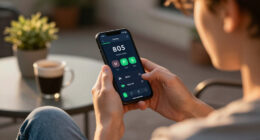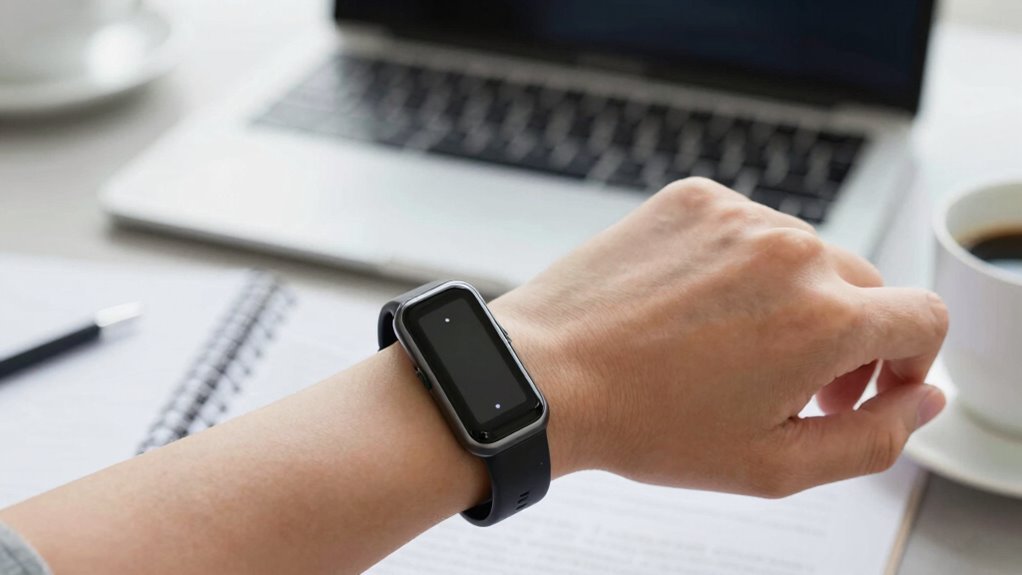

Wearables estimate stress by tracking physiological signals like heart rate, HRV, and skin conductance, which change with your emotional state. However, they can get it wrong due to measurement errors caused by sensor quality, external influences like caffeine or hot environments, and differences among devices. These factors can distort stress levels, making results less reliable. Staying aware of these limitations can help you interpret your data better—if you want to understand how these devices work, keep exploring.
Open a free Amazon Business account
Business pricing, bulk buying and tax-exempt orders.
As an affiliate, we earn on qualifying purchases.
Key Takeaways
- Wearables estimate stress by analyzing physiological signals like heart rate, HRV, and skin conductance using algorithms.
- Measurement errors from sensor inaccuracies or external factors can lead to false stress assessments.
- Variability in device sensor quality and algorithms impacts the reliability of stress estimation.
- External influences such as physical activity, caffeine, and environment can distort physiological data.
- Understanding sensor limitations and external factors is essential to interpret stress data accurately.
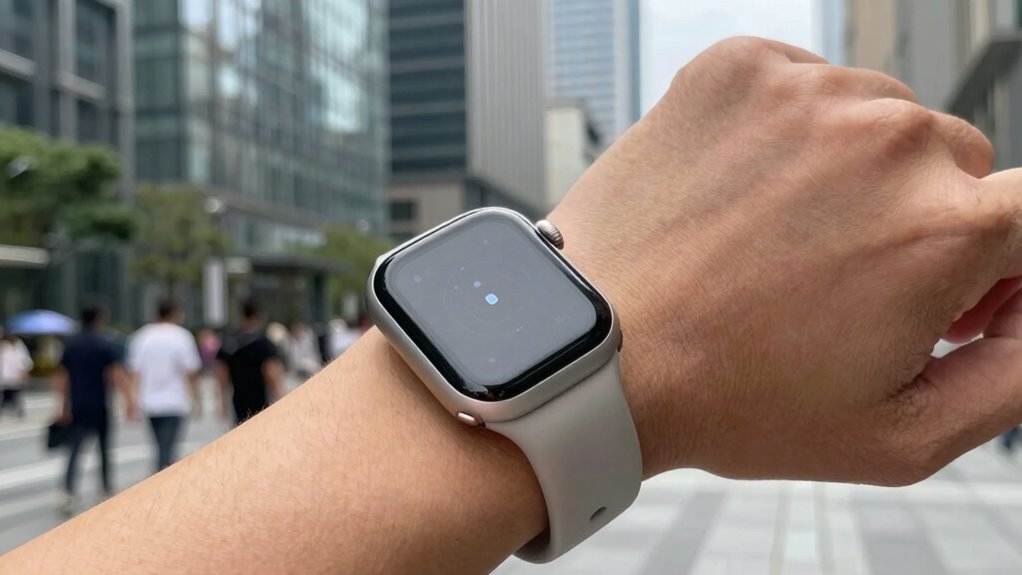
Wearables have revolutionized how we monitor our health, offering real-time insights into various physiological signals. When it comes to stress estimation, these devices track indicators like heart rate, heart rate variability, skin conductance, and even breathing patterns. By analyzing this data, wearables provide biofeedback insights that can suggest how stressed you might be feeling at any given moment. But it’s essential to understand that these insights are only as good as the data they collect, and data accuracy remains a key challenge. Small measurement errors or inconsistencies can lead to misleading stress assessments, causing you to overestimate or underestimate your actual stress levels.
Most wearables use sensors that measure physiological signals linked to stress responses. For example, an elevated heart rate or decreased heart rate variability often correlates with stress, and the device’s algorithms interpret these signals to estimate your stress level. While these methods are grounded in scientific principles, they aren’t foolproof. Factors like physical activity, caffeine intake, or even a hot room can influence these signals, potentially skewing the data. As a result, the biofeedback insights you receive might not always accurately reflect your emotional state, especially if external factors aren’t accounted for. Additionally, understanding the sensor accuracy is crucial to interpreting wearable data responsibly. Recognizing the variability in data accuracy among different devices can help users better assess the reliability of their stress readings.
Another issue is the variability in data accuracy among different devices. Not all wearables are created equal — some might have more precise sensors, while others rely on less advanced technology. The algorithms used to interpret physiological signals can also differ considerably, affecting the consistency of stress estimates. When the data isn’t accurate, it can lead you to believe you’re more stressed than you really are or, conversely, that you’re calmer than you actually feel. This discrepancy can impact how you respond to stress or how you manage your mental health strategies. Furthermore, awareness of the measurement errors helps in making more informed decisions about your health data. Understanding how sensor technology works and its limitations is key to avoiding misinterpretations and making better health decisions.
As an affiliate, we earn on qualifying purchases.
Frequently Asked Questions
Can Wearables Detect All Types of Stress Accurately?
Wearables can’t detect all types of stress accurately because they mainly rely on physiological indicators like heart rate and skin conductance, which don’t always reflect emotional responses. While they can identify physical stress, they often miss psychological or emotional stress that doesn’t produce clear physiological changes. So, you might get a partial picture, but wearables can’t fully capture every nuance of your stress, especially the emotional ones.
How Do Environmental Factors Influence Stress Readings?
Environmental impact considerably affects your stress readings, as factors like temperature, humidity, and noise can skew sensor data. You might see elevated stress levels when you’re in a loud or hot environment, but that doesn’t always mean you’re truly stressed. Sensor limitations also play a role; they may not differentiate between environmental noise and actual physiological signals. To get accurate readings, consider environmental conditions alongside wearable data.
Are There Privacy Concerns With Stress Data Collection?
Privacy problems pose serious concerns with stress data collection. You should stay vigilant about data security and adhere to privacy regulations, ensuring your sensitive information stays safe. Wearables gather personal data, which could be vulnerable to breaches or misuse if not properly protected. By understanding privacy policies and choosing reputable devices, you can protect your personal information and prevent potential privacy pitfalls. Prioritize privacy to keep stress data safe and secure.
How Often Should Stress Measurements Be Taken for Reliability?
You should take stress measurements regularly, ideally several times a day, to guarantee reliable data. Adjust your sampling frequency based on your daily routine and stress fluctuations. Consistency is key; try to measure at similar times and under similar conditions to improve data consistency. Frequent sampling helps capture changes accurately, but avoid overdoing it to prevent data overload. Find a balance that offers meaningful insights without overwhelming your device or your routine.
Can Wearables Differentiate Between Physical and Emotional Stress?
Wearables struggle to reliably differentiate between physical and emotional stress because biometric indicators like heart rate and skin conductance often overlap in both cases. While some devices attempt emotional recognition through subtle changes in these indicators, they’re not always accurate, especially during physical exertion. You should be cautious, as wearables can give you a general idea but might not precisely distinguish between physical and emotional stress.
Conclusion
You now see how wearables try to read your stress like a weather forecast—predicting storms with limited data. While they can offer helpful glimpses into your well-being, they’re not foolproof and often miss the mark, like trying to catch lightning in a bottle. Stay aware of their limits, and don’t let these gadgets be your only guide. Trust your own intuition and seek a holistic view of your health—after all, true understanding is built, not guessed.
NFL season / tailgating Picks
team gear
As an affiliate, we earn on qualifying purchases.