
TL;DR

Get the latest gadgets delivered free — and shop member deals
- Fast, free delivery on millions of items
- Access to Prime Big Deal Days deals on October 6–7
- Prime Video, Amazon Music and more included
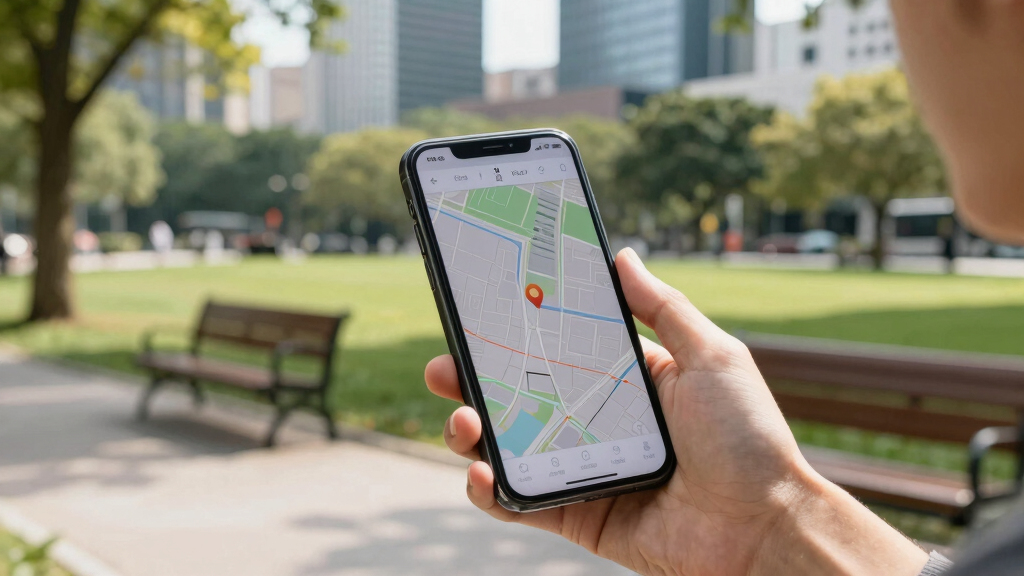
Virginia has passed a law banning the sale of geolocation data, making it one of the first states to implement such a restriction. The law aims to enhance consumer privacy and restrict data brokers. The ban is effective immediately, but some details about enforcement remain unclear.
Virginia has enacted a law effective immediately that bans the sale of geolocation data, marking a significant move to strengthen consumer privacy protections. The legislation targets data brokers and companies that sell location information collected from mobile devices, aiming to limit the spread of sensitive user data.
The law, signed into effect by Virginia officials on March 2024, explicitly prohibits the sale of any geolocation data without explicit consumer consent. It applies to all entities involved in data brokerage, including third-party data resellers and mobile app providers. Violators could face substantial fines, although specific enforcement mechanisms are still being finalized.
Virginia’s legislation is among the first in the United States to directly ban the sale of geolocation data, reflecting growing concerns over user privacy and data misuse. The law does not ban the collection or use of geolocation data for certain purposes, such as law enforcement or public safety, but restricts commercial resale.
Legal and Privacy Implications of Virginia’s Ban
This law represents a major shift in data privacy regulation at the state level, potentially setting a precedent for other states. It aims to give consumers more control over their location information and reduce abuses by data brokers. The ban could impact a wide range of businesses that rely on geolocation data for targeted advertising, analytics, or other services, potentially reshaping industry practices.
privacy screen protector for mobile devices
As an affiliate, we earn on qualifying purchases.
As an affiliate, we earn on qualifying purchases.
Virginia’s Privacy Legislation and Data Broker Practices
Virginia has been active in data privacy regulation, with previous laws targeting online privacy and data collection. The new geolocation sale ban follows a broader trend of states seeking to curb data broker activities amid increasing public concern over digital privacy. Nationally, there is no federal law explicitly banning the sale of geolocation data, leading to a patchwork of state-level regulations.
Data brokers have historically collected and sold location data from mobile apps and devices, often without explicit user awareness or consent. Critics argue this practice can compromise user privacy and facilitate invasive tracking.
“This legislation is a critical step toward protecting Virginians from invasive data practices and ensuring greater control over personal information.”
— Virginia Attorney General’s Office
Unclear Enforcement Details and Industry Impact
It is not yet clear how Virginia authorities will enforce the ban or what specific penalties will be applied to violators. The scope of exemptions, if any, for certain types of data collection remains unspecified. Industry reactions are still emerging, and some companies may seek legal challenges or adjustments to their data practices.
Next Steps in Virginia and Broader Privacy Policy Developments
Virginia officials are expected to finalize enforcement guidelines and penalties in the coming weeks. Monitoring will focus on compliance from data brokers and technology companies. Additionally, other states may consider similar legislation, potentially leading to a broader legal landscape for geolocation data regulation across the U.S.
Key Questions
Does the law ban all collection of geolocation data?
No, the law specifically bans the sale of geolocation data. Collection and use for other purposes, such as law enforcement or personal device functionality, are not prohibited.
Who is affected by this law?
The law targets data brokers, third-party resellers, and companies that sell geolocation data collected from mobile devices and apps.
Will this law apply to companies outside Virginia?
Only companies operating within Virginia or those selling data to Virginia residents are directly affected. However, some companies may choose to alter practices nationwide to avoid legal complexity.
Are there any exemptions to the ban?
Details about exemptions are still being clarified, but the law primarily focuses on commercial sale, not collection or use for law enforcement or public safety.
What happens if a company violates the law?
Enforcement mechanisms and penalties are still being finalized, but violations could result in fines or other sanctions by Virginia authorities.
Source: hn
Fall Picks
fall essentials
As an affiliate, we earn on qualifying purchases.