
TL;DR

Get the latest gadgets delivered free — and shop member deals
- Fast, free delivery on millions of items
- Access to Prime Big Deal Days deals on October 6–7
- Prime Video, Amazon Music and more included
PCjs has launched a series of browser-based emulators that recreate vintage computers, making it easier for users to access and run classic software online. This development is confirmed and ongoing, with further updates expected.
PCjs has launched a new suite of browser-based emulators that replicate vintage computers, allowing users to run old operating systems and software directly in web browsers. This development is confirmed by the project’s maintainers and represents a notable advance in digital preservation and accessible computing history. The initiative aims to make classic computing environments more accessible without specialized hardware or complex setups, which matters to both enthusiasts and educational institutions.
The PCjs project, led by programmer David G. Murray, has developed emulators that run entirely within modern web browsers. These emulators recreate hardware architectures of computers from the 1980s and 1990s, such as the IBM PC, Apple II, and Commodore 64, allowing users to interact with vintage operating systems like MS-DOS, CP/M, and early versions of Windows. The emulators are hosted on the official PCjs website, which provides an interface to load disk images and software, all accessible without additional downloads or installations.
According to Murray, the project has been in development for several years, with recent updates improving accuracy, performance, and compatibility. The browser emulators leverage HTML5, JavaScript, and WebAssembly technologies to replicate hardware behavior. These tools are intended for educational use, digital preservation, and hobbyist experimentation, with the project open-source under a permissive license. The development team emphasizes ongoing efforts to expand the range of supported systems and software, with plans for future features such as network emulation and enhanced user interfaces.
Why Browser-Based Vintage Computer Emulators Matter
This development is significant because it democratizes access to vintage computing environments, removing barriers related to hardware availability and technical setup. It enables educators to demonstrate historical operating systems and software in classrooms easily, and hobbyists can experiment with classic systems without owning original hardware. Furthermore, it supports digital preservation efforts by maintaining functional emulations of obsolete hardware architectures, which might otherwise be lost as original equipment becomes unavailable or non-functional.
For the broader tech community, PCjs’s approach exemplifies how modern web technologies can be harnessed for cultural preservation and educational outreach. It also raises awareness about the importance of maintaining digital heritage in an era where hardware and software rapidly evolve and become obsolete.
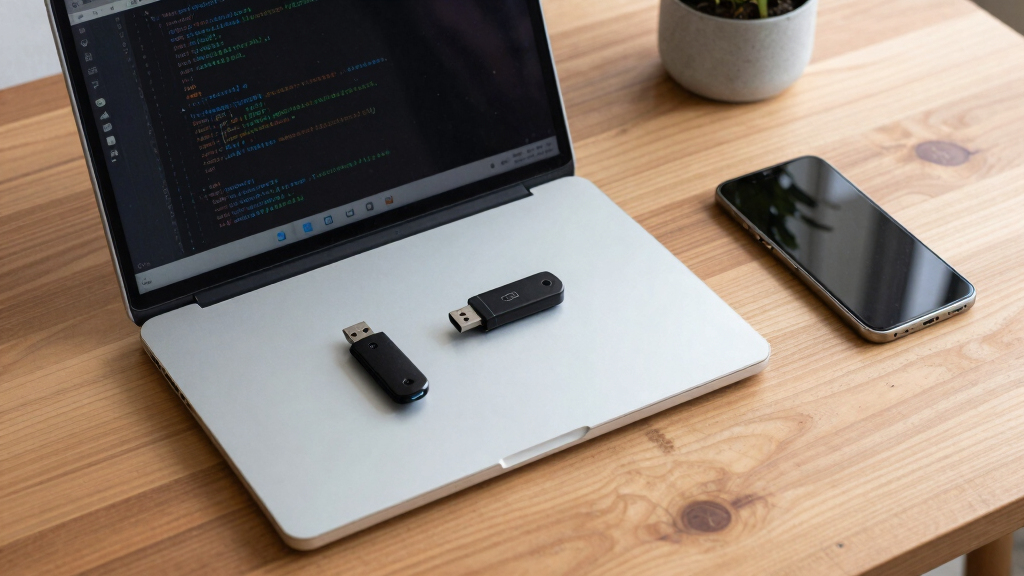
Vintage computer emulator software
As an affiliate, we earn on qualifying purchases.
As an affiliate, we earn on qualifying purchases.
Background and Recent Progress in PCjs Emulation Projects
The PCjs project was launched in 2013 by David G. Murray, initially focusing on creating accurate emulators of early personal computers. Over the past decade, the project has steadily expanded its library, now supporting dozens of vintage systems and software environments. Historically, emulation required dedicated software downloads and complex setup processes, limiting accessibility. The shift to browser-based emulation marks a significant evolution, driven by advances in web technology and increased interest in digital preservation.
Recent updates, announced in early 2024, include enhanced hardware accuracy, faster performance, and expanded software compatibility. The project’s open-source nature encourages contributions from the community, fostering ongoing improvements. These developments are part of a broader movement towards web-based emulation, with PCjs leading in the preservation of classic personal computing environments.
“Our goal is to make vintage computers accessible to everyone through the browser, removing barriers and preserving digital history.”
— David G. Murray, PCjs project lead
Unresolved Aspects of Browser Emulation Performance
While the project has demonstrated promising results, questions remain about the full accuracy of hardware emulation, especially for complex peripherals and timing-sensitive applications. It is not yet clear how well these emulators handle advanced software or networked environments, and whether they can fully replicate the experience of original hardware in all scenarios. Additionally, the long-term stability and scalability of the platform are still being evaluated, with ongoing testing needed to confirm robustness.
Upcoming Developments and Community Involvement
The PCjs team plans to continue refining the emulators, adding support for more systems and peripherals, and improving performance. They also intend to incorporate user feedback to enhance usability and expand educational resources. Future milestones include implementing network emulation, enabling multiplayer or multi-user environments, and creating more interactive tutorials. Community contributions and collaborations are expected to play a key role in these developments.
Key Questions
Can I run PCjs emulators on any browser?
Yes, the emulators are designed to work on modern browsers that support HTML5 and WebAssembly, including Chrome, Firefox, Edge, and Safari.
Are the PCjs emulators accurate representations of original hardware?
The emulators aim to replicate hardware behavior as closely as possible, but some peripherals and timing-sensitive features may not be fully supported yet. Ongoing updates seek to improve accuracy.
Is the PCjs project open source?
Yes, the project is open source, allowing community contributions and modifications under a permissive license.
Can I load my own software and disk images into the emulator?
Yes, users can upload custom disk images and software to run within the emulators via the PCjs interface.
What are the educational benefits of PCjs browser emulators?
They provide an accessible way to learn about vintage operating systems, software development history, and hardware architecture without needing physical equipment.
Source: hn
Fall Picks
fall essentials
As an affiliate, we earn on qualifying purchases.