
TL;DR

Get the latest gadgets delivered free with Prime
- Fast, free delivery on millions of items
- Prime Video, Amazon Music and more included
- Member-only deals all year
Meta is reusing existing RAM modules in its new server deployments. The company has developed a custom bridge chip to facilitate this process, aiming to cut costs and improve resource utilization. The approach is confirmed, but the full technical details remain under wraps.
Meta has confirmed it is repurposing existing RAM modules in its new data center servers, employing a custom bridge chip to facilitate compatibility and performance. This move aims to reduce hardware costs and improve resource efficiency, marking a notable shift in the company’s hardware strategy.
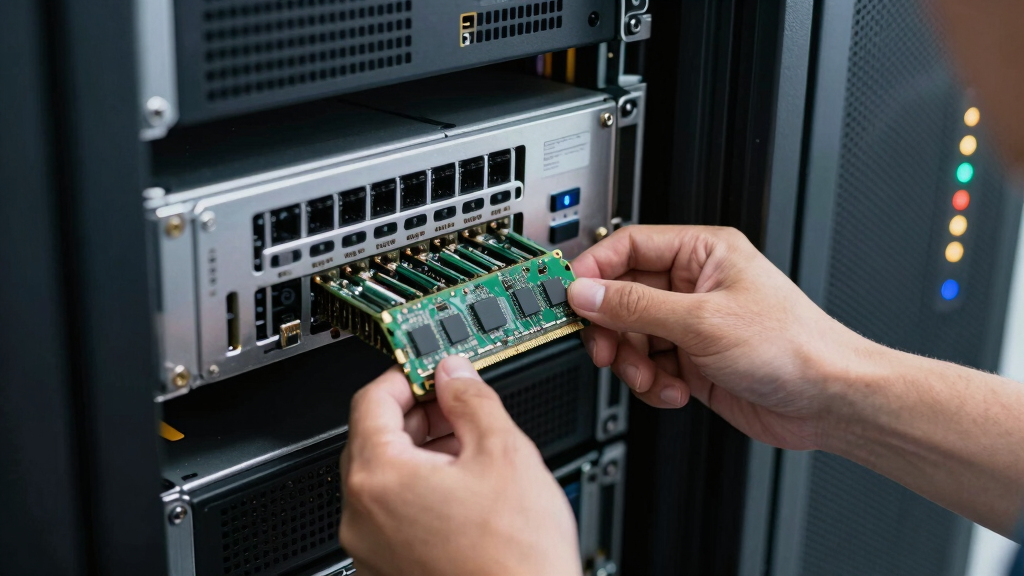
Meta’s latest server deployments incorporate older RAM modules that were previously used in earlier hardware generations. The company developed a custom bridge chip to enable these modules to function reliably within new server architectures, ensuring compatibility and performance. This approach is confirmed by Meta representatives, who emphasize cost savings and sustainability as primary motivations.
The custom bridge chip acts as an intermediary, translating signals and managing power delivery to old RAM modules, allowing them to operate seamlessly in modern servers. Meta has not disclosed detailed technical specifications but states that this innovation is part of a broader effort to optimize hardware utilization and reduce electronic waste.
Implications for Data Center Hardware Strategies
This development indicates that major tech companies like Meta are exploring innovative ways to extend the lifespan of existing hardware components, reducing costs and environmental impact. Reusing RAM modules can significantly lower capital expenditure and electronic waste, especially as data centers scale rapidly. The use of a custom bridge chip demonstrates a move toward more adaptable, modular hardware architectures that prioritize sustainability and cost-efficiency.
As an affiliate, we earn on qualifying purchases.
Background on Hardware Recycling and Custom Interfacing
In recent years, the tech industry has faced increasing pressure to improve sustainability and reduce electronic waste. While hardware recycling and reuse are not new concepts, the challenge has been ensuring compatibility across different hardware generations. Meta’s approach builds on prior efforts but introduces a dedicated bridge chip designed specifically for RAM reuse in server environments. The company’s previous hardware refresh cycles often led to discarded RAM modules, which this strategy aims to mitigate.
Details about the custom bridge chip’s design remain limited, but this initiative follows broader industry trends toward modular hardware components and more flexible data center infrastructure management.
“Our new servers leverage existing RAM modules through a custom-designed bridge chip, enabling us to reduce costs and environmental impact without compromising performance.”
— Meta spokesperson
Technical Details and Long-Term Reliability Still Unclear
While Meta confirms the concept and initial deployment, detailed technical specifications of the custom bridge chip and the performance longevity of reused RAM modules are not yet publicly available. It is also unclear how widespread this approach will become across Meta’s entire infrastructure or other industry players.
Further Testing and Broader Deployment Expected
Meta is likely to continue testing this hardware approach, with potential plans for wider deployment if performance and reliability are confirmed. Industry observers will watch for technical disclosures from Meta and possible adoption by other data center operators seeking sustainable solutions.
Key Questions
Why is Meta reusing old RAM modules in new servers?
Meta aims to cut costs and reduce electronic waste by repurposing existing RAM modules, enabled by a custom bridge chip that ensures compatibility and performance.
What is the role of the custom bridge chip?
The bridge chip acts as an intermediary, translating signals and managing power delivery, allowing old RAM modules to function reliably in new server architectures.
Are there any performance concerns with reused RAM?
Meta claims that performance is maintained through the custom bridge chip, but detailed long-term reliability data has not yet been disclosed.
Could this approach be adopted by other companies?
Potentially, if Meta’s approach proves successful, other data center operators might explore similar hardware reuse strategies to improve sustainability and reduce costs.
What are the environmental benefits of this strategy?
Reusing hardware components like RAM reduces electronic waste and lowers the demand for new manufacturing, contributing to more sustainable data center operations.
Source: hn
Fall Picks
fall essentials
As an affiliate, we earn on qualifying purchases.