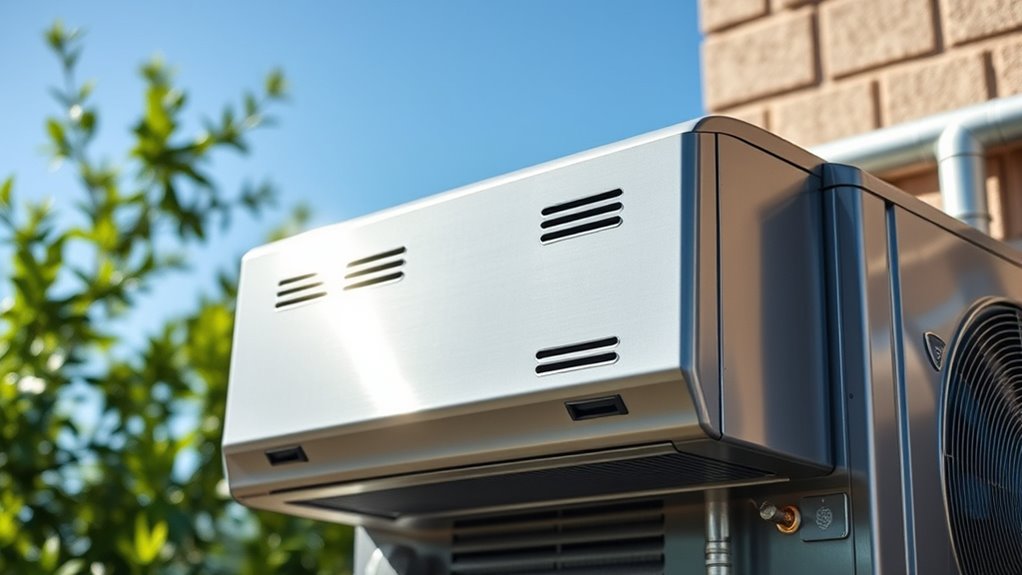

A heat pump transfers heat from outside air to warm your home in winter and reverses the process in summer to cool it down. It uses a refrigeration cycle, moving heat instead of generating it, which makes it energy-efficient. Proper installation and regular maintenance are key for top performance. If you want to understand how this versatile system can save energy and keep your home comfortable year-round, there’s more to discover next.
Key Takeaways
- Heat pumps transfer heat from outside air to warm your home in winter and reverse for cooling in summer.
- They use a refrigerant cycle with a compressor, evaporator, and condenser to move heat efficiently.
- The system can operate in cold weather by extracting heat even at low temperatures.
- Proper installation and regular maintenance are essential for optimal performance and energy savings.
- Modern heat pumps often include smart features and variable-speed compressors for enhanced efficiency.
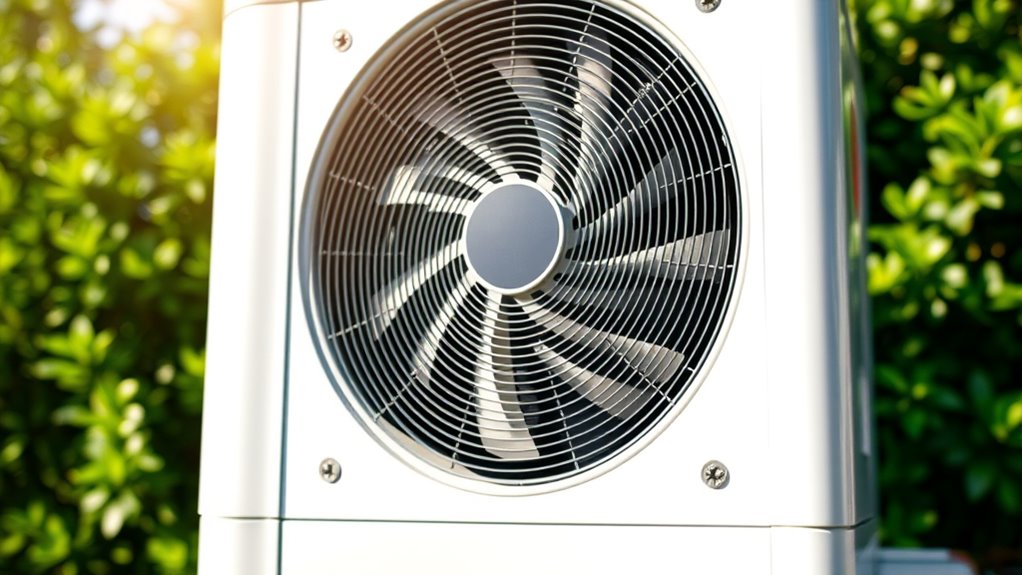
Have you ever wondered how heat pumps can efficiently heat or cool your home? The answer lies in their clever design and how they transfer heat rather than generate it. Unlike traditional heating or cooling systems that produce heat through combustion or resistive elements, heat pumps leverage the principles of thermodynamics to move heat from one place to another. This process makes them highly energy efficient, often providing the same amount of heating or cooling with less electricity. When considering a heat pump, understanding the installation process is key. It involves more than just plugging in a unit; it requires careful planning to guarantee top performance and efficiency. Typically, the installation includes mounting the outdoor unit, which contains a compressor and coil, and connecting it to the indoor air handler or duct system. The installer must ensure proper placement to avoid obstructions and maximize heat exchange. They also need to evaluate your home’s insulation, ductwork, and electrical connections to make sure the system operates smoothly. The installation process can take a day or two, depending on your home’s complexity, but a professional guarantees that every component is correctly set up, which is essential for energy efficiency. Proper installation directly impacts how well your heat pump performs, affecting both energy consumption and comfort. Once installed, your heat pump works by extracting heat from the outside air, even in cold weather, and transferring it inside to warm your home. During summer, it reverses this process, removing heat from your indoor air and releasing it outside, effectively cooling your space. The system’s ability to switch between heating and cooling modes makes it versatile and convenient. Because heat pumps move heat rather than generate it, they tend to use considerably less electricity compared to traditional systems, leading to lower energy bills and a smaller carbon footprint. Their efficiency is especially noticeable in moderate climates, where they can operate effectively year-round. Modern models also come with advanced features like variable-speed compressors and smart thermostats, which further enhance energy use. Additionally, tuning your heat pump can optimize its performance, ensuring it runs efficiently and reliably over time. Keep in mind that regular maintenance, like cleaning filters and checking refrigerant levels, guarantees your heat pump continues to run efficiently over time. To sum up, the key to maximizing the benefits of a heat pump lies in understanding its energy efficiency advantages and ensuring a proper installation process. When installed correctly, a heat pump can provide reliable, cost-effective heating and cooling, making your home more comfortable while saving energy and money. It’s an investment that combines innovation with practicality, and knowing how it works can help you make the most of this efficient technology.
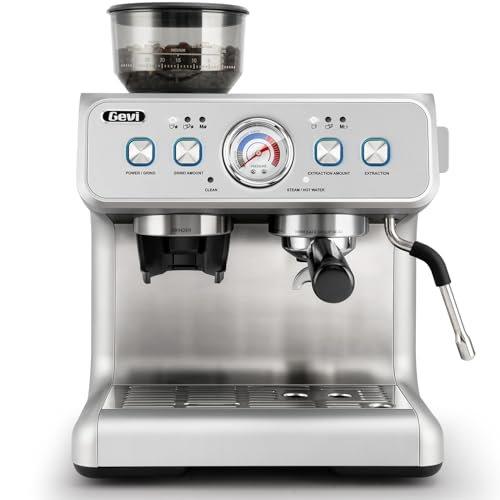
Gevi Dual Boiler Espresso Machine with Built-in Grinder, 58mm Commercial Portafilter, Barista Steam Wand, 31 Grind Settings, Stainless Steel, for Home Barista Use, Sterling Silver
𝐏𝐨𝐰𝐞𝐫𝐟𝐮𝐥 𝐚𝐧𝐝 𝐬𝐭𝐚𝐛𝐥𝐞 𝐏𝐫𝐞𝐬𝐬𝐮𝐫𝐞 𝐒𝐲𝐬𝐭𝐞𝐦 - Gevi espresso machine's high-pressure system expertly manages the flow of water, forcing...
As an affiliate, we earn on qualifying purchases.
Frequently Asked Questions
Can Heat Pumps Work Efficiently in Extremely Cold Climates?
Yes, heat pumps can work efficiently in extremely cold climates, but their cold climate performance varies. Modern cold-weather models are designed to maintain high efficiency even in freezing temperatures, making them suitable for extreme weather conditions. To get the best results, choose a heat pump specifically rated for cold climates, and guarantee proper installation and maintenance. This way, you’ll enjoy reliable heating without sacrificing efficiency during harsh winters.
What Is the Typical Lifespan of a Heat Pump System?
You can expect a heat pump system to last around 10 to 15 years, with some models reaching up to 20 years. About 85% of heat pump durability depends on proper installation, regular maintenance, and climate conditions. Factors like extreme cold, usage patterns, and refrigerant type influence lifespan. To maximize your system’s longevity, keep up with annual check-ups and address issues promptly.
Are Heat Pumps Suitable for Heating Large Commercial Buildings?
Yes, heat pumps can be suitable for heating large commercial buildings, especially if you’re aiming for energy savings. However, you should consider installation challenges, like ensuring proper sizing and system design to handle high demand. While they offer efficient heating, you might need supplementary systems during extreme cold weather. Proper planning and professional installation can maximize benefits and address potential challenges effectively.
How Much Does It Cost to Install a Heat Pump?
You’ll likely spend between $3,000 and $10,000 to install a heat pump, depending on the size and type. Installation costs vary based on your home’s complexity and local labor rates. Luckily, financing options are often available, making it easier to afford. Be sure to get multiple quotes and explore incentives or rebates in your area to help offset the costs and make the investment more manageable.
Do Heat Pumps Require Regular Maintenance or Servicing?
Yes, heat pumps do require regular maintenance to keep them running efficiently. You should schedule routine inspections annually and refrigerant checks every few years. During these visits, a technician will clean filters, inspect components, and ensure refrigerant levels are correct. Proper maintenance helps prevent breakdowns, extends the lifespan of your heat pump, and maintains ideal energy efficiency, saving you money on energy bills and repair costs over time.
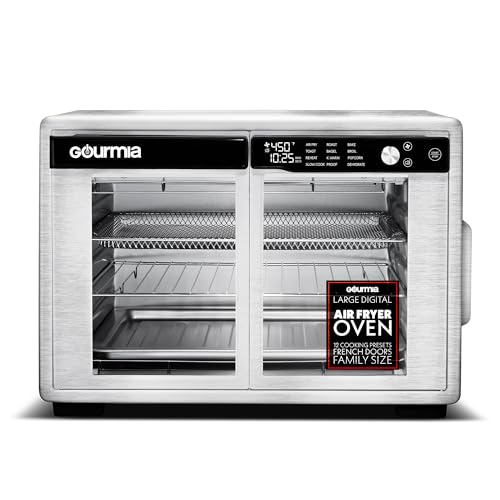
Gourmia French Door Air Fryer Oven - 37 Qt Large Capacity Convection Toaster Oven, FryForce 360°, Digital Display, 12 Cooking Presets, Dehydrate, Fits 13” Pizza, Dishwasher-Safe, Stainless Steel
XL 37-Quart French Door Air Fryer Oven – Spacious capacity fits family-size meals, sheet pans, pizzas, or up...
As an affiliate, we earn on qualifying purchases.
Conclusion
Now that you understand how heat pumps work, imagine installing one in your home and saving on energy bills. For example, Sarah switched to a heat pump last winter and cut her heating costs by 30%. With their efficiency and eco-friendly benefits, heat pumps are a smart choice for your comfort and the planet. So, why not consider making the switch today and enjoy warm winters with less impact on the environment?

Emeril Lagasse Extra Large French Door Air Fryer Toaster Oven Combo, 24 Cooking Functions and Digital Controls, 7 Accessories Included, Stainless Steel Finish, 26QT Capacity
A VERSATILE AIR FRYER AND MULTI-COOKER COMBO: Elevates practically any meal, from air frying quick after-school snacks to...
As an affiliate, we earn on qualifying purchases.
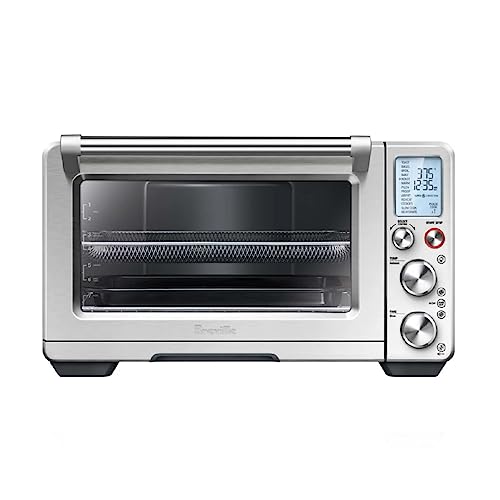
Breville BOV900BSS Smart Oven Air Fryer Pro and Convection Oven, Brushed Stainless Steel
The Breville Smart Oven Air Fryer Pro with Element iQ System is a versatile countertop oven allowing you...
As an affiliate, we earn on qualifying purchases.