
The Sony WF-1000XM5 and Bose QuietComfort Ultra Earbuds are premium wireless earbuds for people who want quiet on commutes, flights, and busy workdays. The choice turns on whether you want the strongest noise cancellation available or a more versatile set of features for the money. Bose has the edge when outside sound is the main problem, especially on planes and public transport. Sony is the better fit for listeners who want adjustable sound, longer playback between charges, and a lower price. Both are expensive enough that the deciding question is not whether they cancel noise, but how much better Bose’s extra isolation is for your daily routine.

Get the latest gadgets delivered free with Prime
- Fast, free delivery on millions of items
- Prime Video, Amazon Music and more included
- Member-only deals all year
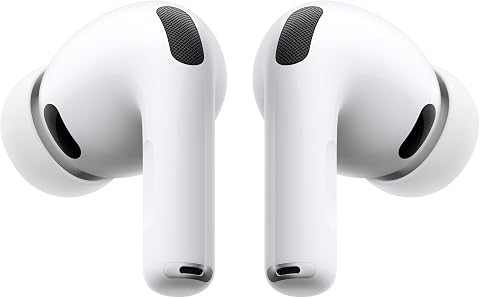
Apple AirPods Pro 3 Wireless Earbuds with Active Noise Cancellation
- ✔ Noise cancellation: Active noise cancellation
- ✔ Listening time: Up to 8 hours with ANC
- ✔ Ear tip sizes: 5

TOZO NC3 Hybrid Active Noise Cancelling Wireless Earbuds
- ✔ Noise cancellation: Hybrid ANC up to -45 dB
- ✔ Battery life, ANC off: Up to 13 hours per charge; up to 68 hours with case
- ✔ Battery life, ANC on: Up to 9.5 hours per charge; up to 40 hours with case

Soundcore P30i Noise Cancelling Earbuds with Phone Stand Case
- ✔ Noise cancellation: Adaptive active noise cancellation, up to 42 dB
- ✔ Battery life, ANC off: Up to 10 hours per charge; up to 45 hours with case
- ✔ Battery life, ANC on: Up to 6 hours per charge; up to 25 hours with case
At a Glance
| Criteria | Sony WF-1000XM5 | Bose QuietComfort Ultra Earbuds | Winner |
|---|---|---|---|
| Noise cancellation | Excellent active noise cancellation; effective for travel and everyday noise. | Class-leading cancellation, particularly strong against steady low-frequency noise. | T |
| Sound customization | Extensive EQ, presets, and app controls for a tailored sound. | Engaging sound with app EQ, but fewer ways to tailor the listening experience. | h |
| Battery life | Up to 8 hours with ANC; charging case raises total to about 24 hours. | Up to 6 hours with ANC; charging case raises total to about 24 hours. | e |
| Comfort and fit | Compact design with multiple ear tip sizes; fit depends on ear shape. | Secure fit with stability bands; the bulkier shape may suit some ears better than others. | |
| Call quality | Good in many conditions, though wind and busy surroundings can affect voice pickup. | Generally clear voice pickup, with performance varying in wind and noisy settings. | c |
| Device features | Multipoint Bluetooth, wireless charging, and broad app customization. | Immersive Audio and adjustable modes; no multipoint Bluetooth or wireless charging. | o |
| Price and value | Usually costs less than Bose while delivering a fuller feature set. | Higher price is most defensible for frequent travelers who prioritize maximum quiet. | m |
Apple AirPods Pro 3 Wireless Earbuds with Active Noise Cancellation
The AirPods Pro 3 take the top spot because their noise-cancelling package is paired with unusually broad personalisation and listening features. Active noise cancellation is the core reason to consider them, while five ear tip sizes give more options for finding a secure fit. That matters because a poor seal can let outside sound in and make noise cancellation less effective. Personalized Adaptive EQ and three-dimensional audio broaden the appeal beyond simply reducing background noise.Compared with the Soundcore P30i and TOZO NC3, Apple’s distinguishing strength is ecosystem-linked functionality, including hearing health features, heart rate sensing for workouts, and Live Translation. Those additions make this the most versatile choice for an iPhone owner who expects to use more than music and calls. The tradeoff is that some features require an iPhone, so Android buyers may not get the same value from the package.Battery life is listed as up to eight hours with ANC enabled, giving buyers a clearly stated noise-cancelling figure. TOZO lists up to 9.5 hours per charge with ANC on, while Soundcore lists up to six; these manufacturer figures are not proof of equivalent test conditions. AirPods Pro 3 are our best overall pick for ecosystem fit and feature breadth, but buyers focused mainly on long sessions between charges should compare TOZO’s stated endurance first.
Pros:
- Five ear tip sizes offer more fit choices than the other models in this comparison.
- Up to eight hours with ANC enabled is a clearly stated noise-cancelling listening figure.
- Personalized Adaptive EQ and three-dimensional audio add listening options beyond ANC.
- Heart rate sensing, hearing health features, and Live Translation broaden its potential use for compatible iPhone owners.
Cons:
- Some features, including workout tracking and Live Translation, require an iPhone.
- Listening time varies with mode and feature use, so the maximum figure may not match every session.
Best for: iPhone owners who want active noise cancellation, several fit options, and integrated hearing or workout features.
Not ideal for: Android users who cannot use some ecosystem-dependent features, or listeners who prioritise the longest stated ANC-on playback per charge.
Bottom line: For iPhone owners who want ANC plus a wide set of integrated features and fit choices, AirPods Pro 3 are the most complete option in this lineup.
“For iPhone owners who want ANC plus a wide set of integrated features and fit choices, AirPods Pro 3 are the most complete option in this lineup.”
TOZO NC3 Hybrid Active Noise Cancelling Wireless Earbuds
If we want fewer charging interruptions, the TOZO NC3 makes the strongest battery case in this group. Its stated total playback reaches up to 68 hours with the case when ANC is off; with ANC on, the figure falls to up to 40 hours total, with up to 9.5 hours per charge. That mode-by-mode distinction is useful for planning travel or long days: the larger headline applies when noise cancellation is not being used.Its hybrid ANC is specified up to -45 dB, with transparency mode for situations where we want to hear more of our surroundings. Six microphones with ENC are designed to support clearer calls, and the app offers 32 EQ presets. Compared with the AirPods Pro 3, TOZO offers more stated ANC-on playback per charge and a wider set of included ear tip sizes, but it does not list Apple’s ecosystem-specific hearing and workout features. Compared with the Soundcore P30i, it has the stronger battery figures on paper and IPX8 water resistance; Soundcore’s phone-stand case is the more distinctive convenience.The six ear tip sizes—from XS through XXL—make this a promising choice for listeners who have trouble getting a seal with standard tips. That seal also matters for the noise-cancelling experience, so the assortment is more than a comfort detail. The drawbacks are that battery figures depend on ANC mode and fit, and the supplied water rating alone does not tell us how the earbuds will feel during every kind of workout. Choose NC3 for endurance, fit flexibility, and customisation; skip it if you want Apple’s connected feature set.
Pros:
- Up to 40 hours total with ANC on and up to 68 hours with ANC off, according to the supplied specifications.
- Six ear tip sizes give a wide range of fit options.
- Hybrid ANC, transparency mode, and 32 EQ presets support different listening preferences.
- IPX8 water resistance and six microphones with ENC are useful additions for active use and calls.
Cons:
- The 68-hour total playback figure applies with ANC off; ANC-on endurance is lower.
- Noise reduction depends in part on getting a proper seal with the ear tips.
Best for: Listeners who value long stated battery life, many ear tip size options, app EQ presets, and a high water resistance rating.
Not ideal for: iPhone owners seeking Apple-specific hearing, workout, or translation features, or buyers who expect the longest battery figure while ANC is enabled.
Bottom line: Choose the TOZO NC3 when battery endurance and a broad fit range matter more than ecosystem-specific extras.
“Choose the TOZO NC3 when battery endurance and a broad fit range matter more than ecosystem-specific extras.”
Soundcore P30i Noise Cancelling Earbuds with Phone Stand Case
The Soundcore P30i earns its place through a practical combination: adaptive active noise cancellation, transparency mode, and a charging case that folds into a phone stand. That case feature will not improve sound or ANC, but it can make hands-free viewing easier at a desk or while travelling. Four microphones with AI-enhanced calls and app support add everyday flexibility without making the case the only reason to consider the earbuds.Against the TOZO NC3, Soundcore lists less total playback—up to 45 hours with the case versus TOZO’s up to 68 hours with ANC off—but it still offers a long stated total and the stand feature. Its ANC is specified as adaptive and up to 42 dB, while TOZO lists hybrid ANC up to -45 dB; those figures alone do not establish which cancels more noise in daily use. Compared with AirPods Pro 3, P30i is less focused on ecosystem-linked features and lists shorter ANC-on playback, but its case design offers a different kind of convenience.Battery figures deserve a close look: playback is listed at up to six hours per charge with ANC on, compared with up to 10 hours when it is off. A 10-minute charge is stated to provide up to two hours of use, which can help when we need a quick top-up, though it is a modest amount of listening. IP54 protection offers dust and splash resistance as specified, but the TOZO’s IPX8 rating is the higher water-resistance claim. Choose P30i if adaptive ANC and the stand case suit your routine; skip it if maximum ANC-on endurance or stronger listed water resistance is the priority.
Pros:
- Adaptive ANC and transparency mode offer two ways to manage outside sound.
- The charging case folds into a phone stand for hands-free viewing.
- Up to 45 hours of stated playback with the case when using the listed maximum figure.
- Four microphones with AI-enhanced call processing and app support add practical flexibility.
Cons:
- Playback falls to up to six hours per charge with ANC enabled, down from up to 10 hours with ANC off.
- The 10-minute quick charge is specified for up to two hours of use, less than a full listening day.
- IP54 provides a lower water-resistance claim than TOZO NC3’s IPX8 rating.
Best for: Everyday listeners who want adaptive ANC, a transparency mode, and a case that doubles as a phone stand.
Not ideal for: Buyers who prioritise the longest stated battery life with ANC enabled or the highest listed water resistance rating.
Bottom line: The P30i is a useful everyday pick when its stand case and adaptive ANC matter more than class-leading stated endurance.
“The P30i is a useful everyday pick when its stand case and adaptive ANC matter more than class-leading stated endurance.”
As an Amazon Associate we earn from qualifying purchases.
Key Differences
The largest gap is noise cancellation. Bose is the stronger choice when reducing the sound of aircraft cabins, trains, or steady traffic matters more than anything else. Sony is also highly capable, so the practical difference may be small in an already quiet office or on a short daily commute. The more disruptive and frequent the noise, the more likely Bose’s advantage is to matter. Neither set makes every voice or sudden sound disappear, and fit affects how well either pair seals the ear.
Sony counters with a more flexible package. Its longer listening time with ANC, equalizer options, multipoint connection, and wireless charging make it easier to use across a full day and switch between devices. Bose offers distinctive Immersive Audio and a strong selection of listening modes, but its higher price buys a more focused benefit: greater isolation. For many listeners, Sony’s broader feature set is the stronger everyday value.
Comfort is personal with both. Sony’s smaller shape may feel less intrusive, while Bose’s stability bands can help keep the earbuds secure during movement. A secure seal also affects both comfort and cancellation, so neither model is a safe blind purchase for every ear. If possible, buy from a retailer with a useful return policy and try different included tips before deciding.
Detailed Comparison
Noise cancellation (Bose QuietComfort Ultra Earbuds wins — major)
Bose wins by a moderate margin for most people, and by a major one for travelers who spend hours beside engine or rail noise. Its cancellation is a standout reason to pay more. Sony remains excellent for everyday use, so the difference is less valuable if you mainly listen in a quiet room or need to soften office hum.Sound customization (Sony WF-1000XM5 wins — moderate)
Sony wins by a moderate margin. Its app gives listeners more control over EQ and sound preferences, making it easier to adjust the presentation for different genres or tastes. Bose sounds enjoyable out of the box and offers listening modes, but buyers who like to tune their audio have more room to do so with Sony.Battery life (Sony WF-1000XM5 wins — moderate)
Sony wins by a moderate margin on a single charge with ANC enabled: up to eight hours compared with Bose’s up to six. Both cases bring total listening time to around 24 hours, so Sony’s advantage matters most when you wear the earbuds for long stretches without a charging break.Comfort and fit (moderate difference)
There is no universal winner. Sony’s compact buds may suit listeners who dislike a bulky feel, while Bose’s stability bands can help the earbuds stay put. Ear shape and tip seal decide the result. Try both sizes and shapes when you can; a poor seal can reduce cancellation and make either set uncomfortable.Call quality (minor difference)
This is a close, situational comparison rather than a clear win. Both can handle regular calls, but wind, traffic, and crowded spaces challenge earbuds’ microphones. If work calls are a central reason for buying, look for recent microphone samples from the places where you actually call, since conditions can change the result more than small spec differences.Device features (Sony WF-1000XM5 wins — moderate)
Sony wins by a moderate margin for flexibility: multipoint Bluetooth makes switching between two connected devices convenient, and wireless charging adds an easy top-up option. Bose’s Immersive Audio and listening modes appeal to users who enjoy spatial effects and quick adjustments. Pick based on the functions you will use often; neither feature list matters if your priority is simply music and quiet.Price and value (Sony WF-1000XM5 wins — major)
Sony wins for most buyers on value. It tends to cost less while offering excellent cancellation, longer single-charge listening, multipoint, wireless charging, and more sound tuning. Bose’s premium can be worthwhile for frequent travelers who notice and value its extra cancellation on every trip. If you rarely encounter loud, sustained noise, that price gap buys little practical benefit.Sony WF-1000XM5: Pros and Cons
Pros:
- Longer ANC listening time per charge than Bose.
- More extensive EQ and sound customization.
- Multipoint Bluetooth and wireless charging.
- Usually the more affordable option.
- Compact design may feel less bulky.
Cons:
- Noise cancellation is not quite as strong as Bose’s in demanding travel settings.
- Fit and comfort still vary by ear shape.
- Microphone performance can be affected by wind and background noise.
Bose QuietComfort Ultra Earbuds: Pros and Cons
Pros:
- Stronger noise cancellation, especially useful for flights and transit.
- Secure fit system with stability bands.
- Immersive Audio and convenient listening modes.
- A compelling choice for listeners who put quiet first.
Cons:
- Higher price for a narrower advantage over Sony’s overall feature set.
- Shorter ANC playback on a single charge.
- No multipoint Bluetooth or wireless charging.
- Bulkier fit may not suit every ear.
Who Should Choose What
Choose Sony WF-1000XM5 if:
- You want premium noise cancellation without paying extra for the strongest available version.
- You often listen for several hours between charging opportunities.
- You switch between a phone and laptop and want multipoint Bluetooth.
- You like adjusting EQ or want wireless charging in the case.
Choose Bose QuietComfort Ultra Earbuds if:
- You fly or commute frequently and value the strongest possible noise cancellation.
- Steady engine, rail, or traffic noise is a major part of your listening routine.
- You are comfortable paying more for a noticeable advantage in isolation.
- The stability bands fit your ears comfortably and keep the earbuds secure.
Skip both if: You mainly need earbuds for calls in wind or crowded places, want the lowest-cost option, or have not found a comfortable sealed fit. Compare less expensive models or try an over-ear headset for call-heavy work.
Value for Money
Sony is the better value for most people because its lower typical price comes with excellent noise cancellation, more listening time per charge, multipoint Bluetooth, wireless charging, and wider sound customization. Paying more for Bose is worthwhile when noise exposure is frequent and sustained: a regular flyer may benefit from stronger cabin-noise reduction every trip, while a listener who mostly works in a quiet room may not notice enough difference to justify the premium. Check current retailer prices, since discounts can change the value calculation. If the two models are close in price, fit and the cancellation advantage should carry more weight than the original list prices.
Final Verdict
For most buyers, choose the Sony WF-1000XM5. It combines strong noise cancellation with longer single-charge battery life, more customization, multipoint Bluetooth, wireless charging, and generally better value. Choose the Bose QuietComfort Ultra Earbuds if you travel often or spend long periods in loud, steady noise, and Bose’s extra isolation is worth paying for in your routine. The deciding factor is how often you need maximum quiet: occasional commutes favor Sony; frequent flights and noisy transit make Bose’s premium easier to justify. If neither feels comfortable after trying different tips, choose a different model—fit is part of performance.
Frequently Asked Questions
Which earbuds have stronger noise cancellation, Sony or Bose?
Bose QuietComfort Ultra Earbuds generally have the stronger noise cancellation, particularly for steady low-frequency noise such as aircraft and train rumble. Sony WF-1000XM5 still performs very well, so the gap matters most to frequent travelers and people who regularly listen in loud environments.
Are the Bose earbuds worth paying more for?
They can be worth the extra cost if you fly often or regularly face loud, sustained background noise. For everyday listening in quieter places, Sony’s strong cancellation and broader feature set usually make it the better value.
Which has longer battery life with noise cancellation on?
Sony rates the WF-1000XM5 for up to eight hours of listening with ANC, compared with up to six hours for Bose. Actual time depends on volume, features, and conditions, but Sony is the better choice for longer sessions between charges.
Which pair should I choose for calls?
Neither is a guaranteed winner in every setting. Both can work for everyday calls, while wind and nearby voices can reduce clarity. If you take important calls outdoors or in busy places, check microphone samples recorded in similar conditions before buying.