

Procrastination happens when your current methods of managing tasks and time aren’t effective, often due to poor prioritization, feeling overwhelmed, or avoiding fears like failure or perfectionism. It’s a sign you need better strategies, such as breaking tasks into smaller steps, creating schedules, and reducing distractions. By understanding these causes and adopting practical habits, you can stay motivated and build momentum. Keep exploring to discover actionable ways to beat procrastination for good.
Key Takeaways
- Procrastination often results from poor time management and difficulty prioritizing tasks, triggered by overwhelming deadlines or tasks.
- Breaking tasks into smaller steps and creating detailed schedules can reduce feelings of being overwhelmed.
- Connecting tasks to personal goals and rewarding progress boosts motivation to start and complete tasks.
- Cultivating a positive mindset and focusing on benefits helps shift attitude from avoidance to action.
- Developing consistent habits and discipline supports long-term productivity and minimizes emotional barriers.

Procrastination often feels like an unavoidable trap, but understanding why it happens can help you break free. At its core, procrastination is usually a sign that your current approach to managing tasks isn’t working well. It often stems from poor time management skills, where you struggle to prioritize or allocate your hours effectively. When deadlines loom or tasks seem overwhelming, it’s tempting to delay, hoping that somehow, the work will become easier or more manageable later. Recognizing this pattern is the first step to overcoming it. Developing better time management habits allows you to break tasks into smaller, more achievable chunks, reducing the feeling of being overwhelmed. Creating a detailed schedule or setting specific time blocks for work can help you stay on track and minimize distractions.
Motivation strategies play a *vital* role in combating procrastination. When you don’t feel motivated, it’s easy to put things off, but understanding what drives you can make a difference. For example, connecting your tasks to your larger goals or personal values can give you a sense of purpose that fuels your effort. Reward systems can also boost motivation—promise yourself small treats after completing parts of a task, which makes the process feel more rewarding. Additionally, visualizing the positive outcomes of completing your work can reinforce your commitment, making it easier to get started. Sometimes, procrastination is a result of fear—fear of failure, perfectionism, or simply not knowing where to begin. Addressing these fears directly by setting realistic expectations and embracing progress over perfection can reduce the tendency to delay.
Another effective motivation strategy is to cultivate a positive mindset. Instead of focusing on how unpleasant the task might be, remind yourself of the benefits of finishing it—less stress, more free time, or a sense of accomplishment. This shift in perspective can transform your attitude from avoidance to action. Incorporating these motivation strategies into your routine, alongside better time management, creates a powerful combination that can help you break the cycle of procrastination. Remember, the goal isn’t perfection but progress. Small, consistent steps toward your objectives build momentum and gradually develop your discipline. Over time, these habits will become second nature, making procrastination less tempting and your productivity much higher. Recognizing that effective comfort solutions can also improve your mental state may help reduce some of the emotional barriers that lead to avoidance. Ultimately, understanding why procrastination occurs and actively applying practical strategies can empower you to take control of your time and motivation, leading to more successful, less stressful days.
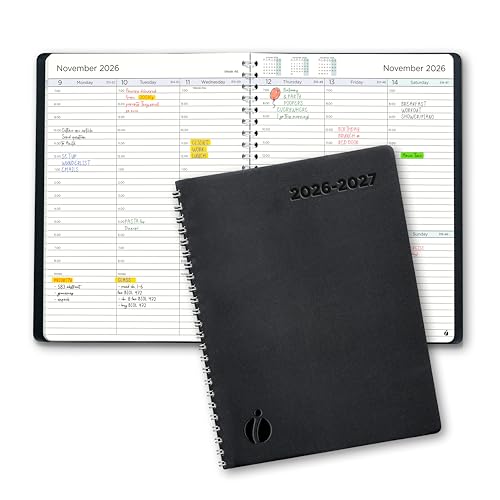
Academic Planner 2026-2027 – Hourly 2026-2027 Planner Weekly and Monthly – Appointment Book with Flexible Cover, Twin-Wire Binding – Simple Design for Productivity. June 2026 – July 2027. 6.5 x 8.5
- Academic Year Coverage: June 2026 – July 2027
- Weekly & Monthly Views: Maximize productivity with detailed layouts
- Time Intervals: 30-minute slots from 7am to 8pm
As an affiliate, we earn on qualifying purchases.
As an affiliate, we earn on qualifying purchases.
Frequently Asked Questions
Can Procrastination Be a Sign of Underlying Mental Health Issues?
Yes, procrastination can be a sign of underlying mental health issues. Mental health links, such as anxiety, depression, or ADHD, often contribute to your tendency to delay tasks. Recognizing these underlying causes helps you understand your behavior better and seek appropriate support. If procrastination is persistent and affects your daily life, consider consulting a mental health professional to explore potential underlying issues and develop effective coping strategies.
How Does Procrastination Differ Across Various Age Groups?
Did you know that about 20% of adults procrastinate regularly? You’ll notice age-related tendencies, with younger people often delaying tasks due to less developed impulse control, while older adults tend to be more disciplined. Generational differences also shape procrastination, as tech-savviness influences distraction levels. Understanding these variations helps you tailor strategies to overcome procrastination effectively, regardless of your age.
Are There Cultural Differences in Procrastination Habits?
Yes, cultural differences influence procrastination habits. In some cultures, societal expectations emphasize punctuality and discipline, making procrastination less common. Conversely, cultures with relaxed norms around time may see more frequent delays. Your habits are shaped by these cultural norms and societal expectations, which can either motivate you to stay on schedule or make procrastination seem more acceptable. Recognizing these influences helps you understand your behavior better and manage it effectively.
What Role Does Technology Play in Fostering Procrastination?
Technology plays a significant role in fostering procrastination by constantly tempting you with social media distractions and digital notifications. These interruptions break your focus, making it harder to stay on task. You might find yourself repeatedly checking your devices, which delays your work. To combat this, you can turn off notifications and set specific times for social media, helping you regain control and boost your productivity.
Can Procrastination Positively Impact Creativity or Problem-Solving?
Procrastination can act as a secret garden for your mind, fostering creative incubation. When you delay certain tasks, you give your ideas room to breathe and mature, sparking fresh insights and innovative solutions. This pause allows problem-solving to simmer beneath the surface, transforming idle moments into fertile ground for inspiration. Embracing this time can turn procrastination into a powerful tool for unleashing your creative potential and nurturing idea incubation.
Conclusion
So, next time procrastination whispers in your ear, remember it’s just a shadow, not the truth. By understanding why it appears, you hold the power to cast it aside. Don’t let hesitation be the thief of your goals; instead, take action now. After all, isn’t it time you turn your “maybe someday” into a “done today”? Your future self will thank you for choosing progress over delay.