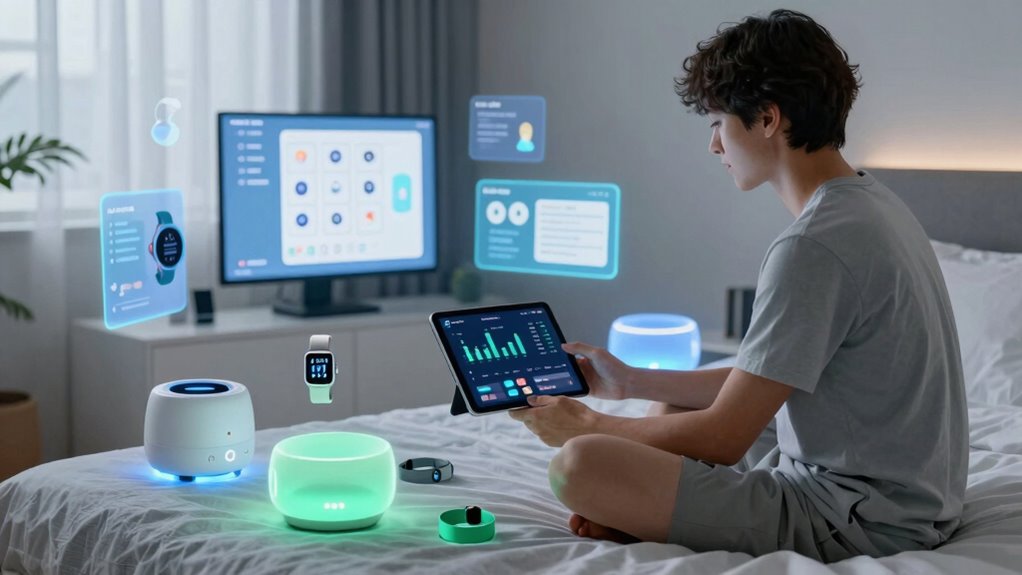

If you rely too much on wellness gadgets and apps, you might notice a decrease in your natural body awareness. These devices promise better sleep, energy, and stress relief, but overdependence can lead to a cycle of digital distraction and anxiety. When you focus too much on numbers and data, you risk ignoring your body’s true signals. To regain balance, it’s essential to reconnect with your innate senses—there’s more to discover about finding harmony beyond the screens.

Get the latest gadgets delivered free — and shop member deals
- Fast, free delivery on millions of items
- Access to Prime Big Deal Days deals on October 6–7
- Prime Video, Amazon Music and more included
Key Takeaways
- Overreliance on wellness gadgets can diminish natural body awareness and intuition.
- Constant data tracking may cause stress and distract from genuine feelings of well-being.
- Digital dependency often leads to tech fatigue, reducing mental clarity and emotional balance.
- Focusing solely on metrics can obscure the importance of mindfulness and internal cues.
- Balancing technology with mindful practices restores connection to natural rhythms and authentic health.
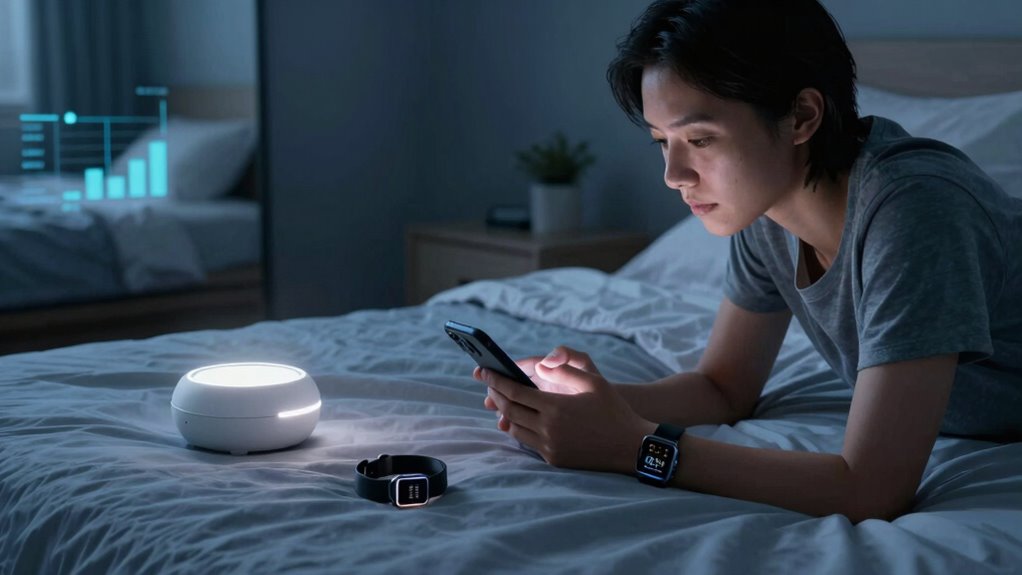
Have you ever wondered if all the latest wellness gadgets and apps truly make you healthier? In today’s digital age, it’s easy to get caught up in the endless stream of devices promising better sleep, more energy, or stress relief. But as you add more wearables and apps to your routine, you might be unintentionally fueling a cycle of digital dependency. Rather than empowering you, these tools can become a crutch, making you rely on technology to tell you how you’re feeling instead of tuning into your body’s natural signals. This reliance can lead to tech fatigue, where constant notifications, data tracking, and app interactions drain your mental and emotional resources. The more you depend on devices to gauge your health, the less you may listen to your own intuition, which is often more accurate and nuanced.
You might notice that the more gadgets you add, the more overwhelmed you become. Notifications ping at you throughout the day, urging you to check your step count, hydration levels, or sleep quality. While these features are designed to motivate, they can also become sources of stress. Tech fatigue sets in when you feel exhausted by the sheer volume of data and the pressure to optimize every aspect of your wellness based on numbers rather than genuine feelings. Tech dependency, in particular, can diminish your awareness of your own needs, leading to a paradox where you’re more focused on your health stats than actually experiencing well-being. Instead of feeling refreshed and in control, you might end up feeling more anxious, obsessed, or disconnected from your body’s natural cues. Over time, this constant digital engagement can diminish your awareness of your own needs, leading to a paradox where you’re more focused on your health stats than actually experiencing well-being. Recognizing how digital reliance impacts your overall health is crucial to maintaining a balanced approach. Incorporating mindfulness practices can also help restore this vital connection and counteract the effects of tech fatigue.
What’s often missing from this tech-driven approach is the simple act of being present. When you’re glued to your screens or constantly adjusting your apps, you lose touch with the moment and your internal state. True wellness isn’t just about tracking metrics; it’s about cultivating awareness and listening to your body without distractions. Devices can serve as helpful tools, but they shouldn’t replace your innate ability to sense when you’re tired, anxious, or energized. Developing body awareness can help you better interpret your own signals and foster a more authentic sense of well-being. If you’re not careful, the pursuit of wellness through technology can backfire, leaving you more disconnected and less aware of your authentic health. Incorporating practices like mindfulness and body awareness can help restore this vital connection. Ultimately, the key is finding a balance—using tech as a guide rather than a crutch, and taking time to reconnect with your body’s natural rhythms. Recognizing the importance of biodiversity can also help ground us in a broader understanding of health and well-being beyond individual metrics.
As an affiliate, we earn on qualifying purchases.
Frequently Asked Questions
How Can I Balance Tech Use With Genuine Self-Awareness?
To balance tech use with genuine self-awareness, practice mindful usage by setting intentional limits on device time and avoiding distractions during important moments. Regularly disconnect to reflect on your feelings and thoughts without digital interference. Emphasize authentic self-awareness by paying attention to your body and emotions, rather than relying solely on apps or devices. This approach helps you stay connected to your true self while still benefiting from technology.
Are Wellness Devices Effective Without Lifestyle Changes?
Like a flashlight in a dark room, wellness devices can illuminate your health, but they’re limited without lifestyle changes. They’re helpful tools, but their effectiveness hinges on mindful consumption and understanding device limitations. If you rely solely on gadgets, you might miss the bigger picture. To truly improve, combine device insights with intentional habits, ensuring tech supports your goals rather than replacing genuine self-awareness and lifestyle adjustments.
What Privacy Concerns Exist With Wellness Tracking Data?
You should be aware that wellness tracking data raises significant privacy concerns. Data security is essential, as sensitive health information could be vulnerable to breaches or misuse. Consent management is also important; you need to ensure you’re fully informed and in control of how your data is shared or used. Protecting your privacy means staying vigilant about device permissions and understanding the privacy policies of your wellness tech.
Can Technology Replace Traditional Mental Health Practices?
Can technology replace traditional mental health practices? Not entirely. While it offers tools for mindfulness integration and tracking emotional resilience, it can’t substitute human connection and empathy. Think of tech as a bridge, not the destination—enhancing your mental health journey. You need the nuanced understanding and personal touch that only human practitioners provide. Technology supports, but it doesn’t replace, the depth of traditional mental health care.
How Do I Avoid Becoming Overly Dependent on Wellness Gadgets?
To avoid becoming overly dependent on wellness gadgets, focus on your personal motivation behind using them. Regularly assess whether they genuinely benefit your mental health or if you’re experiencing gadget fatigue. Set boundaries on device usage and prioritize traditional practices like mindfulness, exercise, or talking with friends. Remember, technology should complement your well-being, not replace your intrinsic motivation or human connection. Stay mindful of your limits and maintain a balanced approach.
Conclusion
Don’t plunge into the dazzling device dilemma blindly. Instead, decide to detach from the digital deluge and discover genuine growth. Remember, wellness isn’t about more machines but mindful moments. Break free from the buzz and embrace balance, because true health happens beyond the screens. Stay savvy, stay centered, and steer clear of the wellness tech trap—your well-being depends on it. Choose clarity over clutter and reconnect with what truly nourishes you.
Fall Picks
fall essentials
As an affiliate, we earn on qualifying purchases.