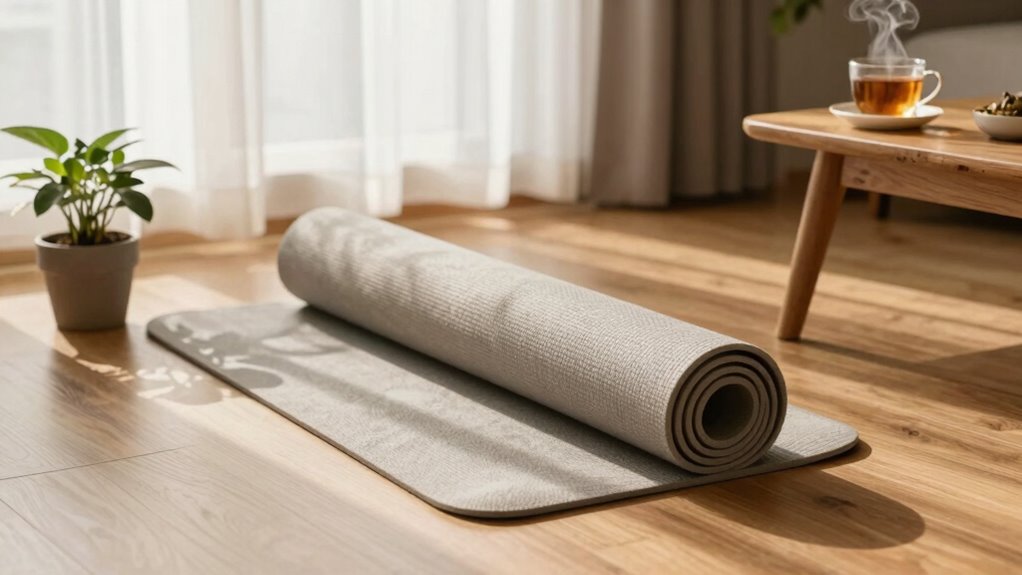

The best wellness habit is the one you’ll actually keep consistently because it becomes part of your daily routine. Simple practices like mindful breathing or gratitude journaling are manageable and meaningful, making it easier to stick with them long-term. When you incorporate habits that resonate with your life, you’re more likely to stay committed and see real benefits over time. Keep exploring, and you’ll discover how to choose habits that genuinely fit you.

Get the latest gadgets delivered free with Prime
- Fast, free delivery on millions of items
- Prime Video, Amazon Music and more included
- Member-only deals all year
Key Takeaways
- Choose habits that are simple, manageable, and meaningful to increase the likelihood of consistent repetition.
- Integrate wellness practices into existing routines to make them feel natural and easier to sustain.
- Focus on habits like mindful breathing and gratitude journaling that provide quick, noticeable benefits to reinforce repetition.
- Consistency over perfection is key; even small, daily actions build long-term well-being.
- Habits that align with personal values and lifestyle are more likely to become lasting parts of daily life.

Establishing a wellness habit that sticks can transform your daily routine and boost your overall health. When you find a simple practice that fits into your life, it becomes easier to stay consistent and see real benefits. Two habits that many find effective and easy to maintain are mindful breathing and gratitude journaling. These techniques don’t require a lot of time or special equipment, but they can make a significant difference in your mental and emotional well-being.
Mindful breathing is a powerful way to anchor yourself in the present moment. Instead of rushing through your day on autopilot, you pause to focus on your breath. You might take a few deep inhales, feeling the air fill your lungs, then slow exhale. This practice helps reduce stress, sharpen your focus, and cultivate a sense of calm. You can do mindful breathing during a break at work, while commuting, or right before bed. The key is consistency—making it a daily ritual even for just a few minutes. Over time, you’ll notice that it becomes second nature, helping you manage anxiety and stay centered amid life’s chaos. Incorporating mindful breathing into your routine can also support overall mental health by encouraging relaxation and presence. Developing this habit can also improve your stress management skills, making it easier to navigate daily pressures. Regular practice of this technique can also enhance your ability to respond thoughtfully rather than react impulsively.
Pause, breathe deeply, and find calm in the present moment to reduce stress and stay centered throughout your day.
Gratitude journaling offers a different yet equally impactful way to nurture your mental health. Each day, you take a moment to write down a few things you’re grateful for. They can be big things like a supportive friend or a successful project, or simple pleasures like a warm cup of coffee or a sunny morning. This habit shifts your focus from what’s lacking to what’s abundant in your life. Regularly practicing gratitude can boost your mood, improve your outlook, and foster a sense of contentment. As you develop this habit, you may find that it enhances your emotional resilience and overall outlook on life. You don’t need to spend hours or write elaborate entries—just a few lines each day. Over time, gratitude journaling rewires your brain to notice positive aspects more naturally, making it easier to handle challenges with resilience. Incorporating gratitude into your routine can also foster a greater sense of connection with others and the world around you.
The beauty of these habits is that they’re easy to integrate into your existing routine. You might start your morning with a few mindful breaths or end your day by jotting down what you appreciated. Because they’re simple, you’re more likely to stick with them, turning them into lasting parts of your lifestyle. When you choose habits that feel manageable and meaningful, they become second nature, making wellness a natural, ongoing priority. The best wellness habit isn’t necessarily the most complicated or trendy; it’s the one you’re willing to do consistently. And with mindful breathing and gratitude journaling, you’re setting yourself up for a healthier, happier daily life.
mindful breathing meditation device
As an affiliate, we earn on qualifying purchases.
As an affiliate, we earn on qualifying purchases.
Frequently Asked Questions
How Do I Identify Which Wellness Habit Suits Me Best?
To identify which wellness habit suits you best, try personalization strategies by reflecting on your routines and preferences. Start small and habit stack, adding new habits onto existing ones to make them easier to maintain. Pay attention to what energizes or relaxes you, and adjust accordingly. Consistently experimenting helps you discover what fits your lifestyle, making it more likely you’ll stick with it long-term.
Can Small Daily Changes Lead to Significant Health Improvements?
Small daily changes can transform your health more dramatically than you’d imagine. By practicing mindful eating, you’ll naturally consume less and enjoy your food more, boosting digestion and energy. Improving sleep hygiene, like sticking to a consistent bedtime, enhances rest and recovery. These simple habits may seem minor, but over time, they create a powerful ripple effect, leading to significant improvements in your overall well-being and importance.
What Are Common Mistakes When Trying to Establish New Habits?
You often make mistakes when trying to establish new habits by not using habit tracking, which helps you stay accountable and see your progress. You may also neglect accountability partners, who motivate you and keep you committed. Forgetting to set realistic goals or trying to change too much at once can overwhelm you. To succeed, focus on small, consistent steps, track your progress, and share your journey with someone supportive.
How Long Does It Typically Take to Form a New Wellness Habit?
Habit formation varies, but generally, it takes about 21 to 66 days for behavior consistency to turn into a new wellness habit. You might find it takes longer or shorter, depending on the complexity of the habit and your commitment. To build lasting change, focus on maintaining behavior consistency daily. Patience is key—stay committed, and over time, the new wellness habit will become a natural part of your routine.
How Do I Stay Motivated to Maintain My Wellness Habits Long-Term?
Staying motivated can sometimes feel like chasing shadows, but mindful journaling helps you reconnect with your true reasons and small wins. Celebrate progress through positive reinforcement, rewarding yourself for consistency rather than perfection. Keep your goals realistic, and remind yourself why you started. When motivation wanes, revisit your journal to rediscover your purpose and celebrate milestones. This ongoing reflection fuels your commitment and keeps your wellness habits alive long-term.
Conclusion
So, remember, the best wellness habit is the one you’ll actually stick with—like your favorite pair of jeans, it becomes part of your daily routine. Don’t overthink it or chase after some perfect, ancient elixir; just keep it simple and consistent. Think of it as your own secret weapon, like a trusty sidekick from a classic film. Stick with what feels right, and you’ll find your health and happiness improving—no need for a time machine, just your commitment.
Fall Picks
fall essentials
As an affiliate, we earn on qualifying purchases.