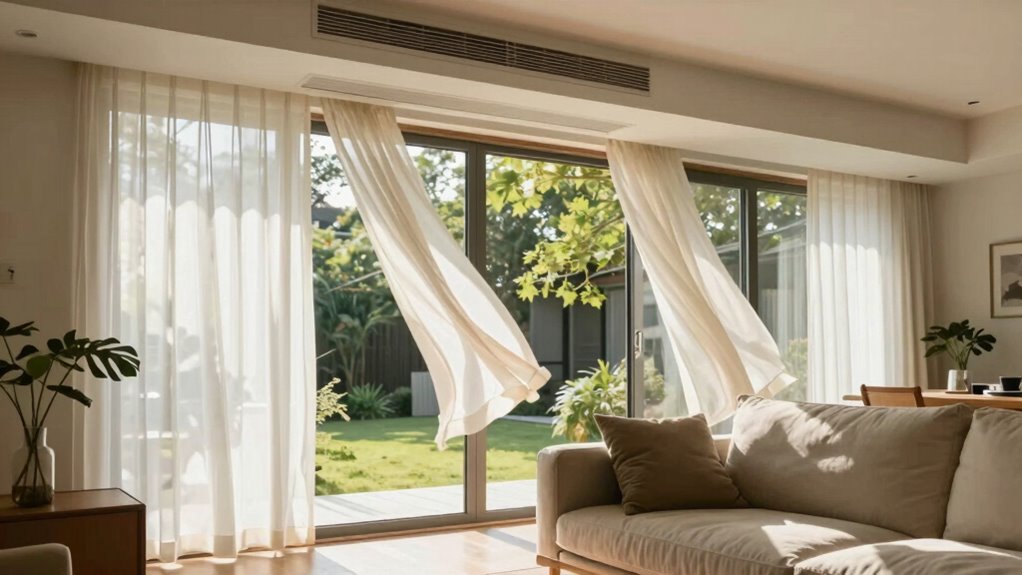

To guarantee your home has fresh air without sacrificing comfort, focus on proper ventilation strategies like opening windows during ideal times and using exhaust fans effectively. Installing modern systems such as ERVs or HRVs can help maintain better airflow while saving energy. Regularly maintaining these systems keeps air moving smoothly and prevents issues like stale air or excess humidity. By managing airflow wisely, you create a healthier, more comfortable space—discover more ways to enhance your home’s airflow below.

Get the latest gadgets delivered free with Prime
- Fast, free delivery on millions of items
- Prime Video, Amazon Music and more included
- Member-only deals all year
Key Takeaways
- Use natural ventilation strategies like window positioning and timing to enhance fresh air intake without causing drafts.
- Operate exhaust fans properly in kitchens and bathrooms to vent pollutants outside efficiently.
- Incorporate modern ventilation systems such as ERVs or HRVs for balanced airflow and energy savings.
- Regularly maintain and filter ventilation systems to ensure optimal performance and indoor air quality.
- Monitor and adjust air exchange rates to balance fresh air supply with indoor comfort and energy efficiency.
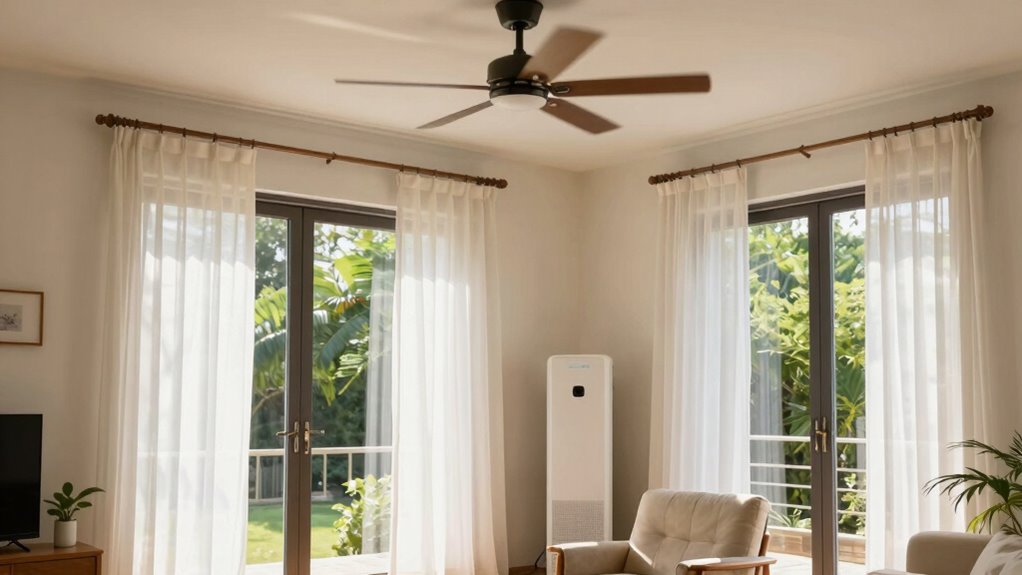
Have you ever wondered how air moves through your home and why it matters? Understanding this process is key to maintaining good indoor air quality and guaranteeing your living space remains comfortable. Proper airflow isn’t just about feeling fresh; it directly impacts your health, energy efficiency, and overall comfort. When air circulates effectively, it helps remove pollutants, excess moisture, and odors, making your home healthier and more pleasant to live in. But achieving this balance requires paying attention to ventilation efficiency—how well your home exchanges indoor air with fresh outside air without sacrificing comfort or energy.
Effective air circulation improves health, comfort, and energy efficiency by removing pollutants and odors.
A well-ventilated home allows stale air to escape while bringing in fresh air, which prevents the buildup of indoor pollutants such as dust, pet dander, mold spores, and volatile organic compounds. These pollutants can lead to allergies, respiratory issues, or other health problems if not managed properly. Proper ventilation ensures that these contaminants are diluted and removed, contributing considerably to better indoor air quality. But it’s not just about bringing in outside air; it’s about doing it effectively. Inefficient ventilation can cause drafts, uneven temperatures, or increased energy bills, so it’s essential to find a balance that maximizes airflow without compromising comfort.
You can influence ventilation efficiency through several simple steps. First, consider how your windows and vents are positioned and used. Opening windows strategically during milder weather allows fresh air to flow naturally without drastically changing indoor temperatures. If you have exhaust fans in bathrooms or kitchens, make sure they operate correctly and are vented outside. These fans help remove excess moisture and odors, improving indoor air quality. Additionally, modern ventilation systems like energy recovery ventilators (ERVs) or heat recovery ventilators (HRVs) can dramatically enhance airflow efficiency by exchanging stale indoor air with fresh outdoor air while retaining heat or coolness, keeping your energy costs down. Properly managing ventilation systems can significantly impact overall indoor air quality and energy use. Regular maintenance and understanding ventilation efficiency can help you optimize your home environment for healthier living. Being aware of indoor air quality and how it interacts with ventilation effectiveness can help you make smarter adjustments to your home environment.
Furthermore, understanding how air exchange rates influence your home’s overall health can guide you in selecting the right ventilation approach for your needs. In essence, understanding how air moves through your home and refining ventilation efficiency isn’t just about comfort; it’s about creating a healthier, more energy-efficient living space. With mindful adjustments and good maintenance, you can enjoy fresh air without sacrificing the comfort you value.
As an affiliate, we earn on qualifying purchases.
Frequently Asked Questions
How Often Should I Change My Home’s Air Filters?
You should change your home’s air filters every 1 to 3 months, depending on the air filter lifespan and your household needs. Regular filter maintenance schedule helps maintain good airflow and indoor air quality. If you have pets or allergy sufferers, consider replacing filters more frequently. Check your filter monthly, especially during peak use seasons, and replace as needed to guarantee peak system performance and fresh, healthy air in your home.
Can Indoor Plants Improve Airflow Quality?
Yes, indoor plants can improve airflow quality by acting as natural filters through plant detox and air purification processes. You might think they won’t make a noticeable difference, but plants absorb toxins and increase humidity, helping freshen the air. Keep in mind, though, they shouldn’t replace proper ventilation. Incorporate plants into your space to boost air quality naturally, creating a healthier, more comfortable home environment.
What Is the Ideal Humidity Level for Home Comfort?
The ideal humidity level for home comfort is between 30-50%. Humidity control is essential to prevent mold growth, reduce allergens, and keep your skin comfortable. Maintaining this range optimizes comfort by avoiding dry air or excessive moisture, which can cause discomfort or health issues. Regularly using a humidifier or dehumidifier helps you achieve this balance, ensuring a healthier, more comfortable living environment.
How Does Outdoor Air Pollution Affect Indoor Airflow?
Outdoor pollutants can negatively impact your indoor airflow by entering through open windows or vents, reducing air quality. When you ventilate, you’re performing an air exchange, which can bring in pollutants like smog, pollen, or exhaust fumes. To maintain fresh air without letting pollutants in, you should use filters or air purifiers during high pollution days, ensuring your indoor environment stays healthy and comfortable while still exchanging stale indoor air.
Are Smart Ventilation Systems Worth the Investment?
Smart sensors and ventilation controls make smart ventilation systems worth the investment. They optimize airflow, automatically adjusting to your home’s needs, ensuring fresh air without sacrificing comfort. These systems detect indoor air quality, reduce energy waste, and improve overall health. If you value convenience, efficiency, and cleaner air, then smart ventilation systems are a savvy choice. They simplify managing home airflow while saving you money and maintenance hassle.
Conclusion
By mastering home airflow basics, you hold the key to turning your living space into a sanctuary of fresh, comfortable air. With just a few simple strategies, you can guarantee your home breathes as freely as a mountain breeze, making every day feel like a gust of fresh air. Don’t let stale, stuffy air take over—take control now and transform your home into the ultimate comfort zone where freshness reigns supreme!
Halloween Picks
halloween
As an affiliate, we earn on qualifying purchases.