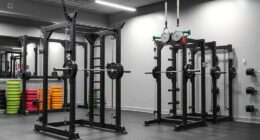
To support healthy aging, focus on building strength, improving balance, and maintaining strong bones. Regular exercise like strength training, weight-bearing activities, and balance drills help prevent falls and fractures. Eat a nutrient-rich diet with plenty of calcium and vitamin D, and remove hazards at home to boost safety. Staying active promotes independence and resilience; keep exploring proven strategies that can help you enjoy life confidently and safely for years to come.
Key Takeaways
- Regular weight-bearing and resistance exercises strengthen bones and muscles, supporting overall stability and reducing fracture risk.
- Activities like tai chi and yoga improve balance, decreasing fall risk in older adults.
- Adequate intake of calcium and vitamin D is essential for maintaining healthy bones.
- Home modifications, such as installing grab bars and improving lighting, enhance safety and prevent falls.
- Consistent physical activity and healthy nutrition promote independence and active aging.

Healthy aging is about more than just growing older; it’s about actively maintaining your physical, mental, and emotional well-being throughout your life. One of the most important aspects of this is guaranteeing your body stays strong, balanced, and resilient to prevent injuries and preserve independence. As you age, your risk of falls increases, making falls prevention a critical part of your health routine. Simple steps like removing tripping hazards in your home, installing grab bars, and ensuring good lighting can markedly reduce your chances of falling. Strengthening your muscles and improving your balance through regular exercise also plays a crucial role in falls prevention. Activities such as tai chi, yoga, or balance drills help you develop better stability, making everyday movements safer and more confident.
Alongside falls prevention, managing osteoporosis is essential for maintaining healthy bones. Osteoporosis causes bones to become weak and brittle, increasing the likelihood of fractures from minor falls or bumps. To combat this, you should focus on bone health through proper nutrition—particularly calcium and vitamin D intake—and weight-bearing exercises that stimulate bone growth. Weight-bearing activities like walking, dancing, or resistance training are especially effective in strengthening bones and improving overall skeletal health. Regular screening and bone density tests can help detect osteoporosis early, allowing you to take proactive steps before fractures occur. If diagnosed, your healthcare provider may recommend medications or supplements to help preserve bone density and reduce fracture risk. Incorporating a home-based exercise routine can help you stay consistent and motivated in maintaining your bone health.
Maintaining strength and balance isn’t just about preventing falls or managing osteoporosis; it’s also about empowering yourself to stay active and engaged in daily life. Building muscle mass through strength training improves your posture, joint stability, and overall vitality. The more you move, the better your body adapts, helping you maintain independence longer. Remember, consistency is key—integrate these practices into your routine and stay committed. Combining physical activity with a healthy diet rich in nutrients essential for bone health ensures you’re giving your body the foundation it needs to age gracefully.
Ultimately, prioritizing falls prevention and osteoporosis management helps you stay safe and active as you age. It’s about taking control now—making smart choices and adopting habits that support your strength, balance, and bone health. By doing so, you’re investing in a future where you can enjoy everyday activities with confidence, independence, and vitality. Healthy aging isn’t a passive process; it’s an active, ongoing effort to keep your body resilient and strong for years to come.
Frequently Asked Questions
How Can I Prevent Falls as I Age?
To prevent falls as you age, focus on fall prevention strategies like regular exercise to improve strength and balance. Incorporate home safety tips such as removing tripping hazards, installing grab bars, and ensuring good lighting. Keep walkways clear and wear sturdy, non-slip shoes. Regular vision and health checkups also help identify risks early. Staying proactive with these steps reduces your chances of falls and keeps you safer at home.
What Are the Best Exercises for Maintaining Bone Density?
To maintain bone density, you should focus on weight-bearing activities like walking, jogging, or dancing, which stimulate bone growth. Resistance training, using weights or resistance bands, also plays a vital role by strengthening bones and muscles. Incorporate these exercises into your routine regularly, aiming for at least 30 minutes most days. Staying active with these activities helps prevent osteoporosis and keeps your bones strong as you age.
How Does Nutrition Impact Strength and Balance?
Nutrition particularly nurtures your strength and balance. By boosting nutrient absorption, you improve muscle function and coordination, making falls less frequent. Dietary patterns rich in calcium, vitamin D, and protein provide the building blocks for bones and muscles, fostering stability and strength. Eating a balanced, varied diet ensures your body gets essential nutrients, supporting your overall health and helping you stay steady and strong as you age.
When Should I Start Bone Density Testing?
You should start bone density testing if you’re over 65 or have risk factors like a family history of osteoporosis, fractures, or certain medical conditions. Testing guidelines recommend earlier assessment for postmenopausal women and men over 70. Regular bone health evaluations help catch osteoporosis early, so you can take steps to strengthen your bones and prevent fractures. Talk to your healthcare provider to determine the right timing for your testing.
Are Supplements Necessary for Healthy Aging?
Supplements can be beneficial for healthy aging, but their efficacy varies. You should focus on dietary considerations first, like eating nutrient-rich foods that support bone health, strength, and balance. Supplements aren’t always necessary if your diet covers essential nutrients like calcium and vitamin D, but they can help fill gaps if your intake is inadequate. Consult your healthcare provider to determine if supplements are right for your specific needs.
Conclusion
As you nurture your strength, balance, and bones, think of yourself as a mighty oak weathering the seasons. With each healthy choice, you strengthen your roots, ensuring resilience against life’s storms. Just as a tree grows stronger with time and care, your body can flourish through mindful habits. Embrace this journey, knowing that with patience and consistency, you’re cultivating a legacy of energy—standing tall and unwavering, no matter what lies ahead.