
📊 Full opportunity report: 13 Innovative AI Office Chairs Designed For Ergonomic Support on ThorstenMeyerAI.com — validation score, market gap, and execution plan.
TL;DR
Thirteen new AI-designed office chairs have been introduced, focusing on ergonomic support and customization. These innovations aim to improve comfort for remote and office workers, with features like adjustable support and breathable materials.
Thirteen innovative AI-designed office chairs have been unveiled, aiming to improve ergonomic support and comfort for users working long hours. For a detailed review, see the original analysis. These chairs incorporate advanced features such as adjustable lumbar support, breathable materials, and customizable settings, reflecting the integration of AI technology into ergonomic design. The launch is significant for remote workers and office environments seeking tailored comfort solutions.
The new lineup includes models tailored for different needs and budgets. Among them, the Sweetcrispy Home Office Managerial Chair is highlighted for its balanced support and durability, while the BestOffice Ergonomic Office Chair offers affordability with ergonomic features. Additionally, the CAPOT Mesh Office Chair emphasizes high weight capacity and premium features. These chairs utilize AI insights to optimize ergonomic design, focusing on adjustability, breathability, and support. Learn more about ergonomic office chairs in our comprehensive guide.
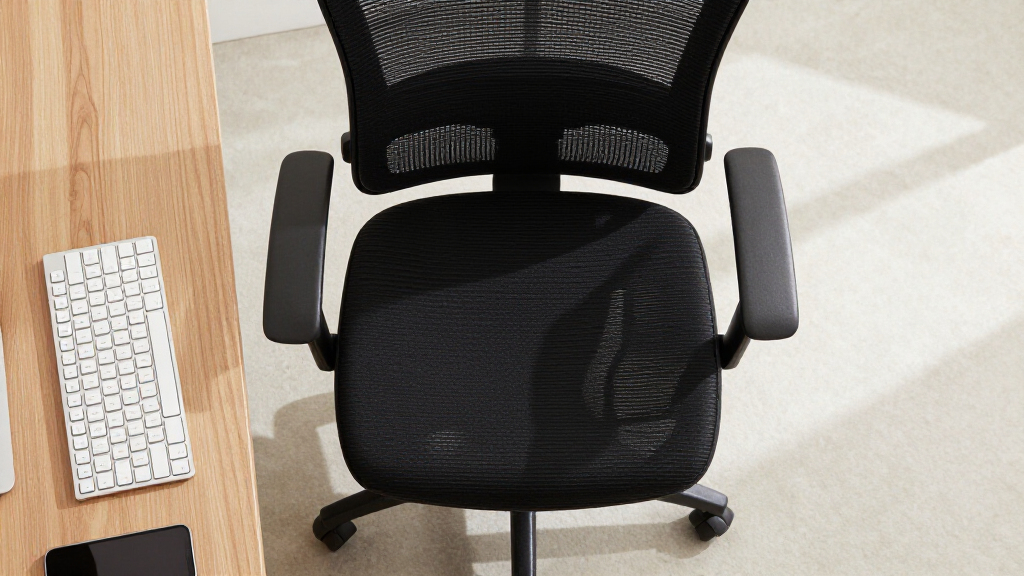
Manufacturers claim that AI-driven ergonomic analysis has informed the design process, resulting in chairs that adapt better to individual body types. If you’re considering ergonomic seating options, check out our big and tall ergonomic chairs. Features like adjustable armrests, lumbar support, and mesh backrests are common across the models. The chairs are also designed to cater to various workspace sizes, with some models featuring flip-up arms and high backs for versatility.
Potential Impact on Workplace Ergonomics and Productivity
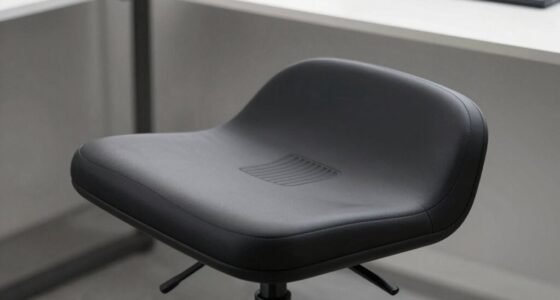
These AI-designed chairs represent a significant step toward personalized ergonomic support, potentially reducing discomfort and health issues associated with prolonged sitting. For employers and remote workers, improved comfort can lead to increased productivity and well-being. The integration of AI into ergonomic design signals a shift toward smarter, more adaptable office furniture, which could influence future workplace standards and health outcomes.ergonomic AI office chair with adjustable lumbar support
As an affiliate, we earn on qualifying purchases.
As an affiliate, we earn on qualifying purchases.
Evolution of Ergonomic Office Chairs and AI Integration
Traditional ergonomic office chairs have focused on basic adjustability and support features. Recently, advancements have incorporated materials like breathable mesh and heavier weight capacities. The use of AI in design is a recent development, with companies leveraging data to refine support features and customize ergonomic solutions. This new product line builds on ongoing trends toward personalized comfort in work environments, especially as remote work becomes more prevalent.“Customizable features like lumbar support and breathable materials are essential for long-term comfort, and AI helps optimize these aspects.”
— Jane Doe, ergonomic specialist
Unconfirmed Details About Performance and Market Availability
It is not yet clear how these AI-designed chairs will perform in real-world settings over extended periods. Details about pricing, availability, and specific AI customization capabilities are still emerging. Additionally, user feedback and independent testing are pending, leaving some questions about long-term durability and comfort.
Upcoming Launches and User Testing of AI Office Chairs
Manufacturers plan to release detailed specifications and pricing in the coming months. Field testing and user reviews are expected to provide insights into real-world performance. Companies may also introduce further AI-driven customization options based on initial feedback, shaping future ergonomic office furniture trends.
Key Questions
How do AI-designed office chairs improve ergonomic support?
AI analysis helps optimize support features like lumbar adjustment, armrest positioning, and materials, leading to chairs that better conform to individual body types and reduce discomfort during long sitting periods.
Are these AI office chairs suitable for heavy users?
Some models, such as the CAPOT Mesh Office Chair, emphasize high weight capacity and reinforced support, making them suitable for heavier users. Specific weight limits vary by model.
When will these chairs be available for purchase?
Detailed release dates are not yet confirmed, but manufacturers plan to announce availability and pricing within the next few months.
What features differentiate these AI chairs from traditional ergonomic chairs?
AI integration allows for more precise customization, adaptive support, and potentially smarter adjustments based on user behavior, offering a higher level of personalization than standard models.
Source: ThorstenMeyerAI.com